Blog
Complete Guide to Drug Test Types and Differences


Over 50 million drug tests are performed in american workplaces and legal settings every year, shaping decisions that affect safety, employment, and justice. The variety of drug test types and their purposes can be confusing, yet choosing the right method is essential for accurate and fair outcomes. By breaking down how urine, saliva, hair, and blood tests work, this guide brings clarity to a process that touches the lives of many americans, whether on the job, at the doctor’s office, or in court.
Table of Contents
- Defining Drug Test Types And Purposes
- Comparing Urine, Saliva, Hair, And Blood Tests
- How Panel Counts And Detection Windows Differ
- Sample Collection Procedures And Accuracy Factors
- Legal, Workplace, And Forensic Use Cases
- Cost, Turnaround, And Choosing The Right Test
Key Takeaways
| Point | Details |
|---|---|
| Variety of Testing Methods | Drug testing can utilize various biological samples, including urine, blood, hair, and saliva, each with unique advantages. |
| Primary Purposes of Drug Testing | Drug testing serves crucial roles such as ensuring workplace safety, monitoring rehabilitation, and supporting legal investigations. |
| Importance of Sample Collection | Accurate drug testing heavily relies on proper sample collection protocols to avoid contamination and ensure reliable results. |
| Cost and Turnaround Considerations | Cost and turnaround time are essential factors in choosing the appropriate drug testing method, impacting the efficiency of screening processes. |
Defining Drug Test Types and Purposes
Drug testing is a critical diagnostic and screening process used across multiple professional and personal contexts to detect the presence of substances in an individual’s biological system. According to Cleveland Clinic, drug tests can be conducted using various biological samples including urine, blood, hair, and saliva to identify legal and illegal substances.
Drug testing serves multiple essential purposes in contemporary society. These range from pre-employment screening and workplace safety protocols to medical monitoring, legal investigations, and substance abuse treatment programs. The primary objectives include:
- Ensuring workplace safety and productivity
- Monitoring compliance in rehabilitation programs
- Supporting legal and forensic investigations
- Identifying potential substance use disorders
- Protecting public health and individual well-being
According to research published in PubMed, different biological specimens offer unique advantages in detecting drug use. Urine tests remain the most common method due to their non-invasive nature and ability to detect recent substance consumption. Hair follicle tests provide a longer detection window, potentially revealing substance use patterns spanning several months, while blood and saliva tests offer more immediate and precise substance concentration measurements.
The selection of a specific drug testing method depends on several crucial factors, including the testing purpose, desired detection timeframe, available resources, and the specific substances being screened. Professional organizations, medical practitioners, and legal entities carefully evaluate these considerations to choose the most appropriate testing approach for their specific needs.
Comparing Urine, Saliva, Hair, and Blood Tests
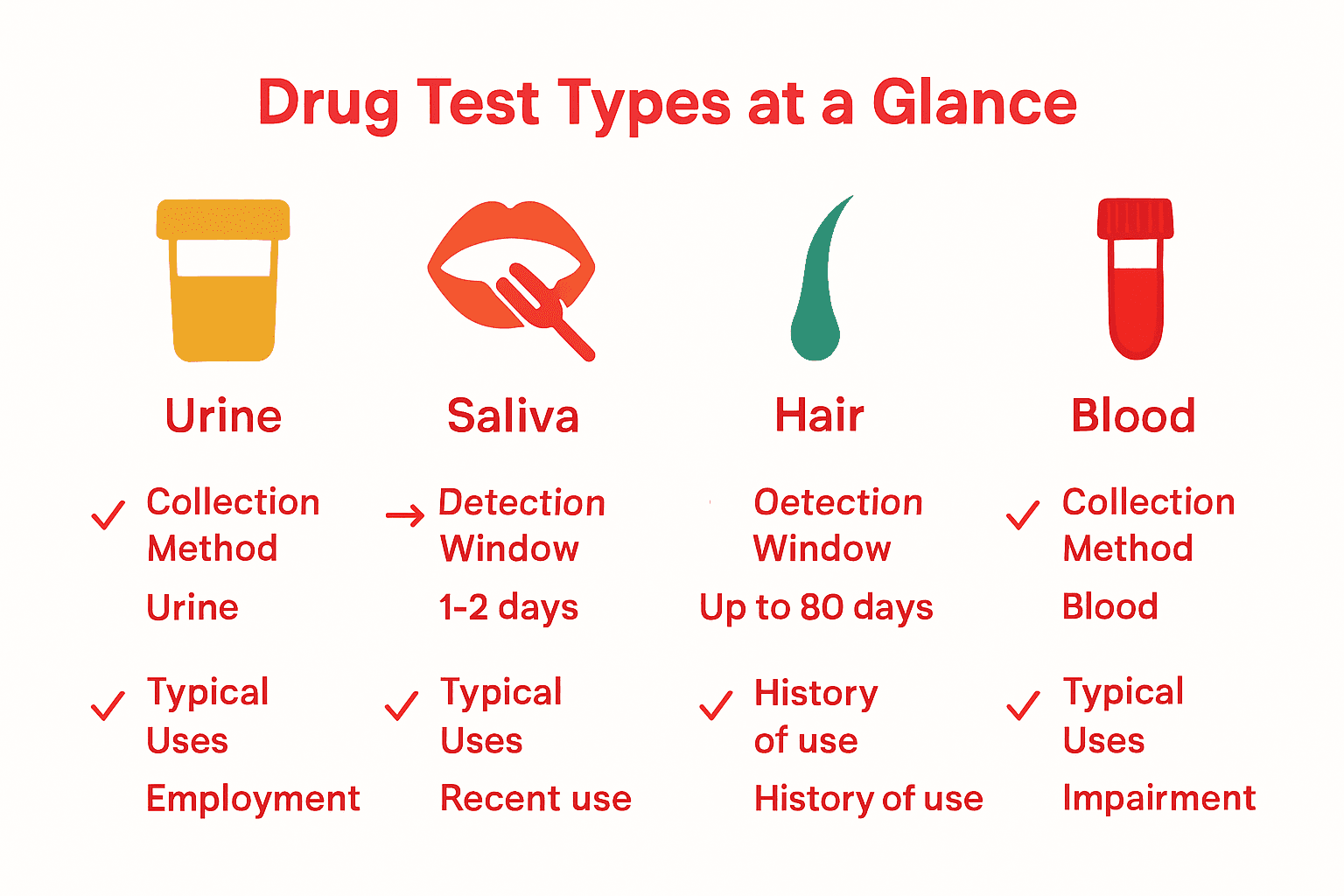
Each biological sample offers unique characteristics for drug testing, with distinct advantages and limitations. According to research from PubMed, the effectiveness of drug detection varies significantly across different specimen types, making the selection of an appropriate testing method critical for accurate results.
Urine Testing remains the most widely used method due to its cost-effectiveness and broad detection capabilities. Key characteristics include:
- Shortest detection window (typically 2-5 days)
- Non-invasive collection process
- Capable of detecting multiple substance classes
- Most affordable testing option
- Relatively quick results
Saliva Testing provides a more immediate snapshot of recent substance use. According to Toxicology Insights, oral fluid tests are particularly useful for detecting very recent drug consumption, with detection windows ranging from 24-48 hours.
Hair Follicle Testing offers the longest detection window, potentially revealing substance use patterns spanning up to 90 days. This method is especially valuable for identifying long-term or chronic drug use patterns. Blood tests, while the most invasive, provide the most precise measurement of current substance concentration, making them ideal for medical and forensic scenarios requiring exact quantification.
Selecting the appropriate testing method requires careful consideration of specific testing objectives, detection window requirements, and available resources. Each sample type presents unique advantages, and understanding these differences ensures more accurate and meaningful drug screening results.
How Panel Counts and Detection Windows Differ
Drug testing panel counts and detection windows are critical components that significantly impact the accuracy and comprehensiveness of substance screening. According to American Academy of Family Physicians, selecting the appropriate drug test involves understanding the nuanced differences in detection capabilities across various biological specimens.
Panel Count Variations determine the range of substances a single test can detect. Drug tests typically range from:
- 5-panel tests: Screening for fundamental substances
- 10-panel tests: Comprehensive workplace screening
- 12-panel tests: Advanced medical and forensic applications
- 15-panel tests: Extensive substance detection
- 18-panel tests: Highly specialized screening
Detection windows vary dramatically between different testing methods. As research from PubMed demonstrates, detection periods can range significantly:
- Saliva tests: 1-36 hours of recent use
- Urine tests: 2-5 days for most substances
- Blood tests: Immediate to 24-hour detection
- Hair follicle tests: 7-100 days of historical use
The complexity of panel counts and detection windows means that no single testing method provides a universal solution. Laboratories and organizations must carefully select testing protocols based on specific requirements, balancing factors like detection sensitivity, time frame, and the particular substances of interest. The goal is always to achieve the most accurate and meaningful substance screening possible.
Sample Collection Procedures and Accuracy Factors
Drug testing accuracy hinges critically on meticulous sample collection procedures and understanding potential sources of contamination. According to research from PubMed, the reliability of drug screening results depends not just on the testing method, but on the precision of specimen acquisition and handling.
Collection Protocols vary significantly across different biological samples:
- Urine Tests: Require strict chain of custody
- Supervised collection to prevent sample substitution
- Immediate temperature verification
- Screening for potential adulteration
- Sealed and documented specimen handling
Specimens are vulnerable to multiple accuracy compromising factors. PubMed research highlights key challenges including:
- External Contamination: Particularly problematic in hair follicle testing
- Potential sample manipulation
- Variations in metabolic processing
- Individual physiological differences
- Environmental exposure impacts
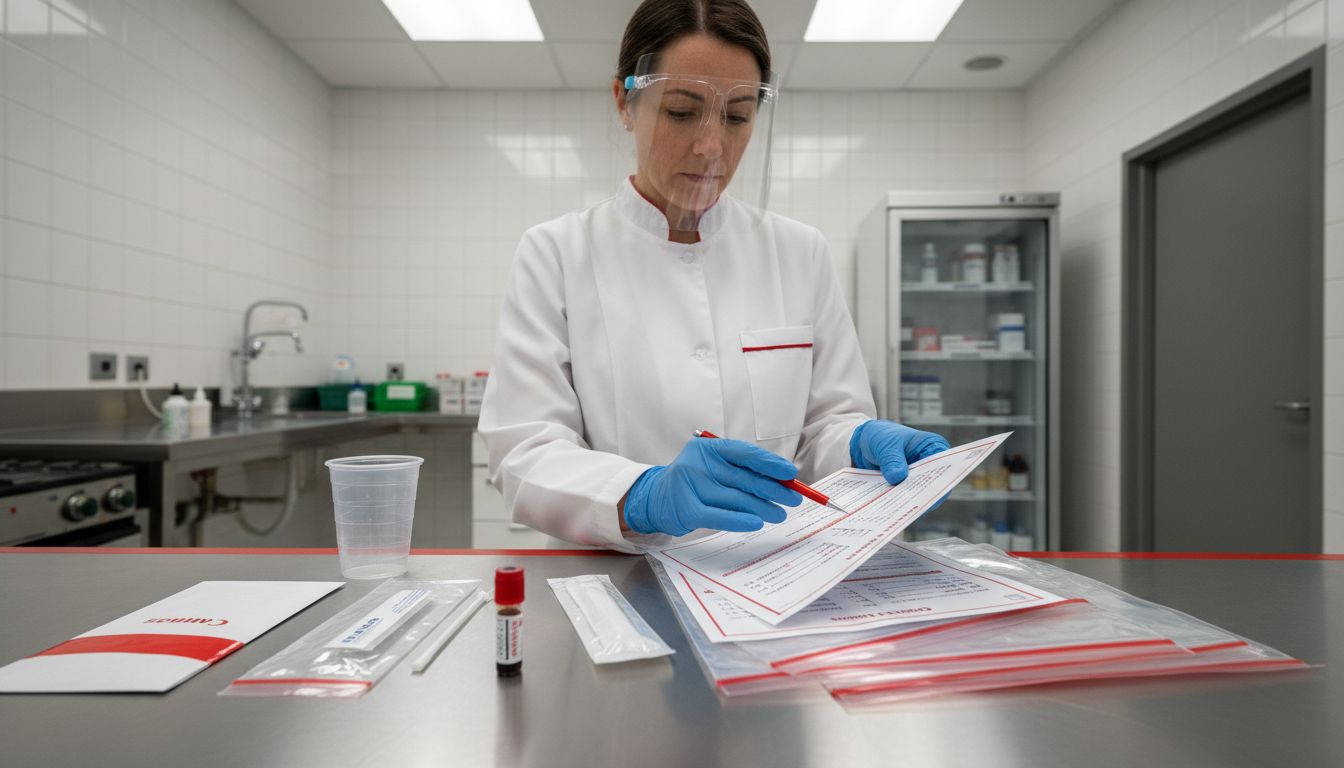
Professional testing facilities implement rigorous quality control measures to mitigate these challenges. This includes utilizing certified collection specialists, employing tamper-evident collection kits, maintaining strict documentation protocols, and utilizing advanced screening technologies that can detect potential sample interference or manipulation attempts. The goal remains consistent: generating the most accurate and reliable substance screening results possible.
Legal, Workplace, and Forensic Use Cases
Drug testing plays a critical role across multiple professional and legal domains, serving diverse objectives from workplace safety to criminal investigations. According to research from PubMed, workplace drug testing programs have become increasingly sophisticated in their approach to detecting and preventing substance abuse.
Workplace Applications encompass several key scenarios:
- Pre-employment screening
- Random employee testing
- Post-accident investigations
- Reasonable suspicion evaluations
- Return-to-work assessments after rehabilitation
In legal and forensic contexts, drug testing serves critical investigative and evidentiary functions. Wikipedia highlights the multifaceted uses of drug testing in:
- Criminal investigations
- Probation and parole monitoring
- Child custody proceedings
- Court-ordered substance abuse evaluations
- Forensic evidence collection
Each testing scenario demands precise protocols and legally defensible procedures. Organizations must balance individual privacy rights with institutional safety requirements, implementing testing programs that are both scientifically rigorous and legally compliant. The ultimate goal remains protecting public safety while maintaining respect for individual rights and maintaining fair, consistent standards across different testing environments.
Cost, Turnaround, and Choosing the Right Test
Selecting the appropriate drug testing method requires careful consideration of multiple factors, with cost and turnaround time playing crucial roles in the decision-making process. According to Doctor Lib, the expense of drug testing can vary dramatically across different specimen types, making budget a key determining factor.
Cost Considerations for different testing methods include:
- Urine Tests: Most affordable option
- Budget-friendly collection procedures
- Widely available in multiple panel configurations
- Lowest per-test expense
- Minimal specialized equipment required
Turnaround Time Breakdown:
- Rapid urine tests: 5-10 minutes
- Standard laboratory urine screening: 24-48 hours
- Blood tests: 2-5 days
- Hair follicle tests: 5-10 days
- Comprehensive forensic analysis: Up to 14 days
Choosing the right test involves balancing scientific accuracy, budgetary constraints, and specific organizational needs. Professional organizations must evaluate detection windows, substance panel complexity, and legal requirements to design an effective screening strategy. The goal is to implement a drug testing approach that provides maximum insights while maintaining cost-effectiveness and operational efficiency.
Find the Right Drug Testing Solutions for Every Need
Understanding the differences in drug test types and their detection windows can feel overwhelming. The challenge is choosing accurate, reliable, and affordable testing products that meet the specific goals of your workplace, legal cases, or medical programs. Whether you need urine, saliva, hair, or blood test kits, it is essential to trust supplies with proven quality and compliance to avoid costly errors or misinterpretation.
RapidTestCup.com specializes in offering a comprehensive range of FDA-approved, CLIA waived drug test cups, dip cards, and specimen collection supplies designed for professional and forensic use. With options tailored for various panel counts and detection needs, you can easily find what fits your testing protocol. Our quick shipping and bulk discounts ensure you get trusted products when you need them most, helping you maintain safety, compliance, and confidence in your results.
Jumpstart your reliable drug screening process today by exploring our extensive catalog at RapidTestCup.com.
Discover superior drug testing kits crafted for accuracy and convenience. Visit RapidTestCup.com now and equip your facility or program with the right supplies to meet your unique screening requirements promptly and affordably.
Frequently Asked Questions
What are the different types of drug tests?
Drug tests can be conducted using urine, blood, hair, and saliva samples. Each method has its own advantages and limitations depending on the testing purpose and desired detection timeframe.
How do detection windows differ between drug testing methods?
Detection windows vary significantly by testing method: urine tests typically detect substances for 2-5 days, saliva tests for 1-36 hours, blood tests for immediate to 24 hours, and hair follicle tests can reveal substance use up to 90 days.
What factors affect the accuracy of drug testing results?
The accuracy of drug testing results depends on meticulous sample collection procedures, chain of custody, and potential sources of contamination. Professional testing facilities implement quality control measures to ensure reliability.
Why is panel count important in drug testing?
Panel count refers to the number of substances a drug test can detect. Tests can range from 5-panel to 18-panel tests, impacting the comprehensiveness of results and the specific substances screened.
Recommended
- 15-panel drug test with Adulterants – Highly Effective test with KRA, FYL, Ketamine and adulterants
- Rapid Test Cup – Drug Test Cups – Free Same Day Shipping
- 18-panel drug test with adulterants – Highly Effective test with KRA, FYL, Ketamine and adulterants
- 18 panel drug test – Highly Effective test with KRA, FYL, HCO