Blog
Role of Drug Screening in Treatment Centers: Clinical Impact


Every decision in a substance abuse treatment center can shape a patient’s path to recovery. For clinical directors balancing compassionate care with accountability, finding reliable drug screening solutions is crucial. Drug screening provides objective evidence that supports patient assessment, monitors treatment progress, and informs intervention decisions. As protocols evolve and new technologies emerge, understanding drug screening’s full potential helps ensure compliance, build patient trust, and drive better outcomes for American treatment centers.
Table of Contents
- Defining Drug Screening In Treatment Centers
- Types Of Drug Screening Methods Used
- Clinical Applications And Benefits In Treatment
- Challenges, Limitations, And Patient Concerns
- Regulatory Compliance And Best Practice Protocols
Key Takeaways
| Point | Details |
|---|---|
| Importance of Drug Screening | Drug screening is vital for assessing patient health and monitoring recovery in substance abuse treatment. |
| Comprehensive Testing Methods | Treatment centers should employ a multi-method approach for accurate substance use assessment and diagnosis. |
| Regulatory Compliance | Adhering to strict regulations around consent and confidentiality is essential for maintaining patient trust and ethical standards. |
| Addressing Patient Concerns | Overcoming patient reluctance and ensuring a non-judgmental environment is crucial for effective drug screening implementation. |
Defining Drug Screening in Treatment Centers
Drug screening represents a critical diagnostic and monitoring tool in substance abuse treatment centers, enabling clinicians to objectively assess patient health and track recovery progress. Drug testing protocols involve analyzing biological specimens to detect the presence of specific substances that might compromise treatment outcomes.
The primary purpose of drug screening extends beyond simple detection. Treatment centers utilize these screenings to:
- Establish baseline substance use patterns
- Monitor patient compliance with treatment plans
- Identify potential relapse risks
- Customize individualized treatment strategies
- Provide objective medical evidence for intervention
Biological samples used in drug screening typically include urine, blood, hair, and saliva. Urine drug screens remain the most common method due to their non-invasive nature and rapid turnaround time. These tests can detect recent drug use and provide insights into a patient’s current substance interaction.
Clinical professionals recognize that drug screening is not a standalone diagnostic tool. Instead, it functions as one component of a comprehensive assessment strategy. Screening results must be interpreted within the broader context of patient history, psychological evaluation, and ongoing treatment objectives.
Drug testing cannot diagnose substance use disorders but provides critical information for treatment planning and monitoring.
Screening Methodology involves two primary testing stages:
- Initial screening test (rapid results)
- Confirmatory testing for positive initial screens
Treatment centers must approach drug screening with clinical sensitivity, understanding that results represent data points in a patient’s complex recovery journey.
Pro tip: Implement consistent, non-punitive drug screening protocols that support patient trust and engagement in the recovery process.
Types of Drug Screening Methods Used
Substance abuse treatment centers employ multiple drug screening methods, each with unique strengths and limitations. Advanced screening techniques have dramatically improved the accuracy and comprehensiveness of substance detection protocols.
The primary drug screening methods include:
- Urine Drug Screening: Most common initial testing method
- Blood Testing: Provides precise substance concentration measurements
- Hair Follicle Testing: Enables long-term substance use detection
- Saliva Testing: Non-invasive and captures recent drug use
- Sweat Patch Testing: Continuous monitoring over extended periods
Biological Sample Analysis requires sophisticated technologies to ensure reliable results. Urine remains the most frequently utilized specimen due to its ease of collection and comprehensive detection capabilities. Modern screening protocols typically involve two-stage testing processes: initial immunoassay screening followed by confirmatory gas chromatography or mass spectrometry techniques.
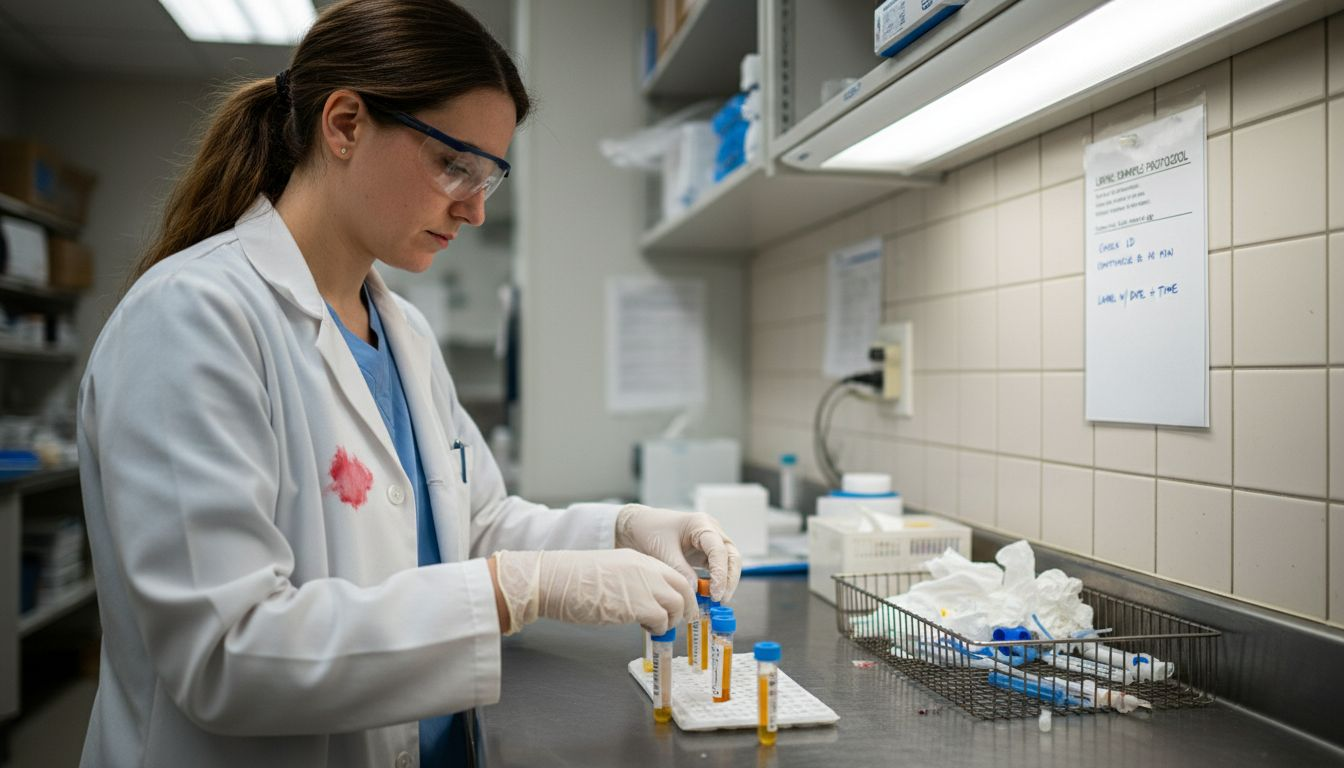
The following table highlights key differences among common drug screening methods:
| Method | Detection Window | Main Advantages | Typical Limitations |
|---|---|---|---|
| Urine Testing | 1–3 days | Non-invasive, rapid results | Limited long-term detection |
| Blood Testing | Hours to 1–2 days | Accurate concentration measurement | Invasive, short detection period |
| Hair Follicle | Up to 90 days | Long retrospection, tamper-resistant | Delayed results, higher cost |
| Saliva Testing | Several hours to 2 days | Easy collection, detects recent use | Short window, lower sensitivity |
Forensic and clinical laboratories increasingly utilize sophisticated drug detection methods like liquid chromatography tandem mass spectrometry (LC/MS/MS), which can simultaneously detect hundreds of substances with unprecedented accuracy. These advanced techniques significantly reduce false-positive and false-negative results.
Comprehensive drug screening goes beyond simple detection, providing critical insights into patient substance interaction patterns.
Screening Method Comparative Analysis:
- Urine Testing: 24-72 hour detection window
- Blood Testing: Most accurate real-time substance measurement
- Hair Follicle: Retrospective detection up to 90 days
- Saliva: Immediate recent-use detection
Treatment centers must select screening methods based on specific clinical objectives, patient population needs, and available resources.
Pro tip: Implement a multi-method screening approach that combines different testing techniques for comprehensive substance use assessment.
Clinical Applications and Benefits in Treatment
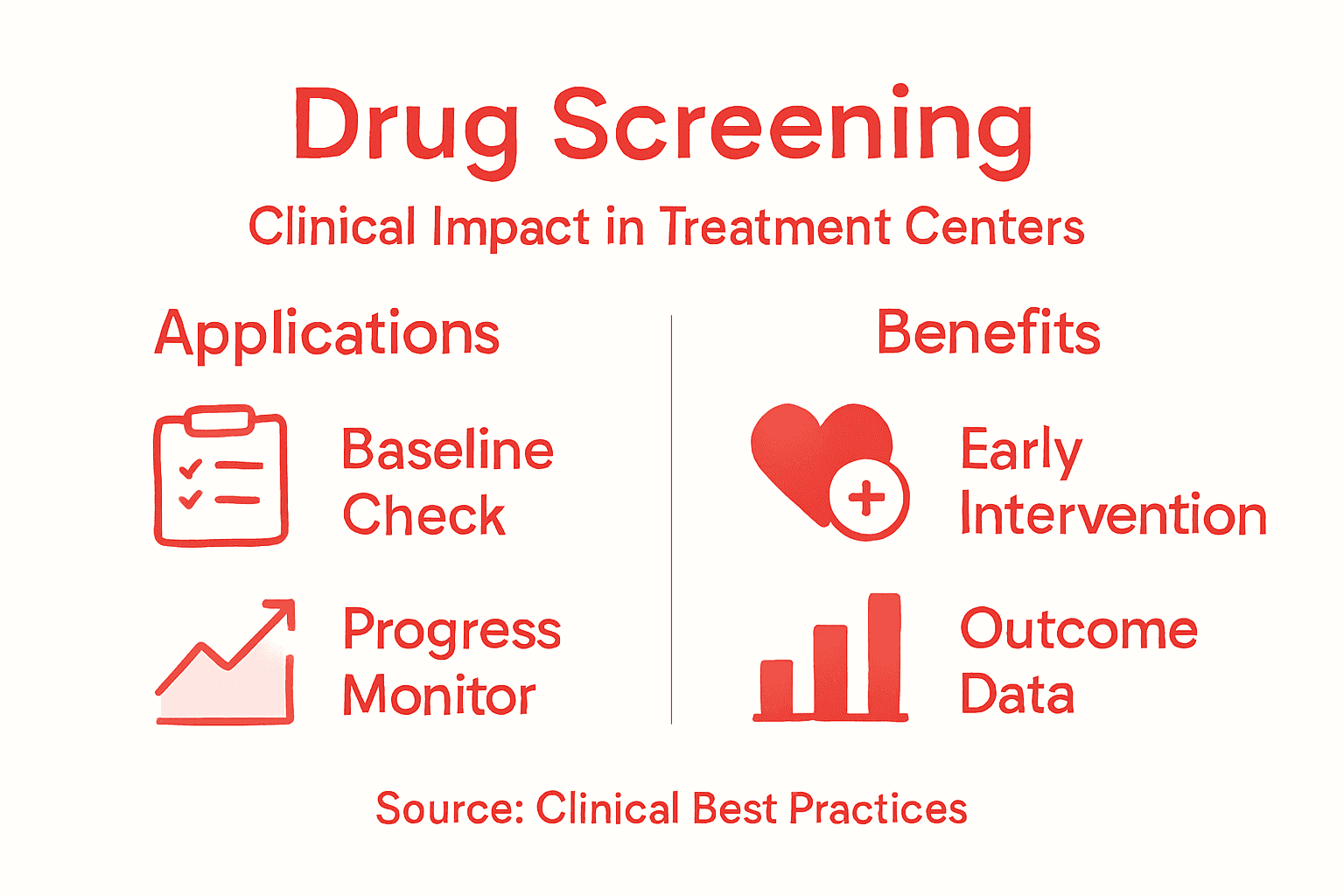
Drug screening serves as a critical diagnostic tool in substance abuse treatment, providing clinical teams with objective insights into patient health and recovery progress. Screening instruments with clinical precision enable healthcare professionals to develop targeted intervention strategies.
Key clinical applications of drug screening include:
- Establishing accurate baseline substance use patterns
- Monitoring patient treatment compliance
- Guiding medication-assisted treatment protocols
- Identifying potential relapse risks
- Supporting personalized treatment planning
- Facilitating early intervention strategies
Treatment Monitoring represents a primary benefit of comprehensive drug screening. Drug screening as a treatment tool allows clinicians to objectively track patient progress, adjust interventions, and provide evidence-based care tailored to individual recovery trajectories.
Psychosocial interventions complement drug screening by reducing substance use and improving overall treatment outcomes. These screening methods provide crucial data that inform comprehensive treatment strategies, helping clinicians understand patient behavior patterns and potential challenges in the recovery process.
Drug screening transforms subjective patient reporting into objective, measurable clinical insights.
Clinical Decision-Making Benefits:
- Enhanced treatment precision
- Improved patient accountability
- More effective resource allocation
- Reduced risk of inappropriate treatment
- Better long-term recovery prediction
Treatment centers must recognize drug screening as a dynamic tool that provides ongoing insights into patient health, rather than a punitive measurement.
Pro tip: Integrate drug screening results holistically with comprehensive patient assessments to develop nuanced, individualized treatment approaches.
Challenges, Limitations, and Patient Concerns
Substance abuse treatment centers face significant challenges when implementing drug screening protocols. Screening implementation barriers reveal complex systemic and interpersonal obstacles that can compromise effective treatment delivery.
Key challenges in drug screening include:
- Patient privacy and confidentiality concerns
- Potential stigmatization of individuals undergoing testing
- Limited provider training and resources
- Time constraints in clinical settings
- Patient reluctance to disclose substance use
- Potential misinterpretation of screening results
Patient Psychological Barriers represent a critical challenge in drug screening implementation. Many individuals fear consequences of disclosure, worrying about potential legal, professional, or personal repercussions. These concerns can lead to reduced honesty and engagement in the screening process.
Drug screening research highlights systemic challenges that prevent effective substance use screening. Healthcare providers often lack specialized training, encounter time limitations, and struggle with limited addiction treatment resources. These infrastructural gaps create significant barriers to comprehensive patient assessment.
Effective drug screening requires a delicate balance between clinical objectives and patient trust.
Primary Screening Implementation Challenges:
- Overcoming patient reluctance
- Ensuring confidentiality
- Developing non-judgmental screening approaches
- Managing limited clinical resources
- Addressing potential screening biases
Treatment centers must develop strategies that prioritize patient comfort and transparency while maintaining clinical integrity.
Pro tip: Create a transparent screening process that emphasizes patient confidentiality and presents drug testing as a supportive, non-punitive tool for recovery.
Regulatory Compliance and Best Practice Protocols
Drug screening in treatment centers requires strict adherence to established regulatory guidelines to ensure patient rights, clinical effectiveness, and legal protection. Clinical addiction medicine guidelines provide comprehensive frameworks for ethical and professional drug testing protocols.
Key regulatory compliance requirements include:
- Obtaining informed patient consent
- Maintaining strict confidentiality
- Implementing standardized testing procedures
- Documenting comprehensive testing protocols
- Ensuring staff training and competency
- Protecting patient privacy rights
Consent and Confidentiality represent fundamental pillars of drug screening regulations. Treatment centers must develop transparent processes that clearly communicate testing purposes, potential consequences, and patient rights. Good clinical practice standards emphasize the critical importance of informed consent and data protection.
Here is a summary of major regulatory compliance components and their benefits:
| Compliance Component | Purpose | Benefit to Patient |
|---|---|---|
| Informed Consent | Ensure patient awareness and agreement | Builds trust, protects rights |
| Confidentiality | Safeguard personal health information | Reduces stigma, preserves privacy |
| Standardized Procedures | Maintain consistency and legal alignment | Promotes fair, reliable testing |
| Staff Training | Assure knowledgeable and ethical conduct | Minimizes errors, reassures safety |
Regulatory compliance extends beyond simple procedural checklists. It requires a holistic approach that balances clinical objectives with ethical considerations. Healthcare providers must navigate complex legal and medical requirements while maintaining patient trust and treatment effectiveness.
Regulatory compliance is not a bureaucratic burden but a fundamental commitment to patient care and professional integrity.
Essential Compliance Protocol Components:
- Comprehensive written testing policies
- Clear patient communication strategies
- Rigorous staff training programs
- Systematic documentation procedures
- Regular internal compliance audits
Treatment centers must continuously evolve their protocols to meet changing regulatory landscapes and emerging best practices.
Pro tip: Develop a dynamic compliance framework that prioritizes patient rights, clinical effectiveness, and ongoing staff education.
Enhance Your Treatment Center’s Drug Screening with Reliable Testing Solutions
Accurate and consistent drug screening is vital to overcoming the challenges treatment centers face such as patient compliance, privacy concerns, and ensuring clinical effectiveness. If you are seeking trusted, FDA-approved, CLIA waived drug testing kits to strengthen your screening protocols and support individualized patient care, RapidTestCup offers a comprehensive selection designed for professionals in substance abuse programs and clinical settings. From urine drug test cups to adulteration detection and collection supplies, every product helps you maintain regulatory compliance and improve monitoring accuracy.
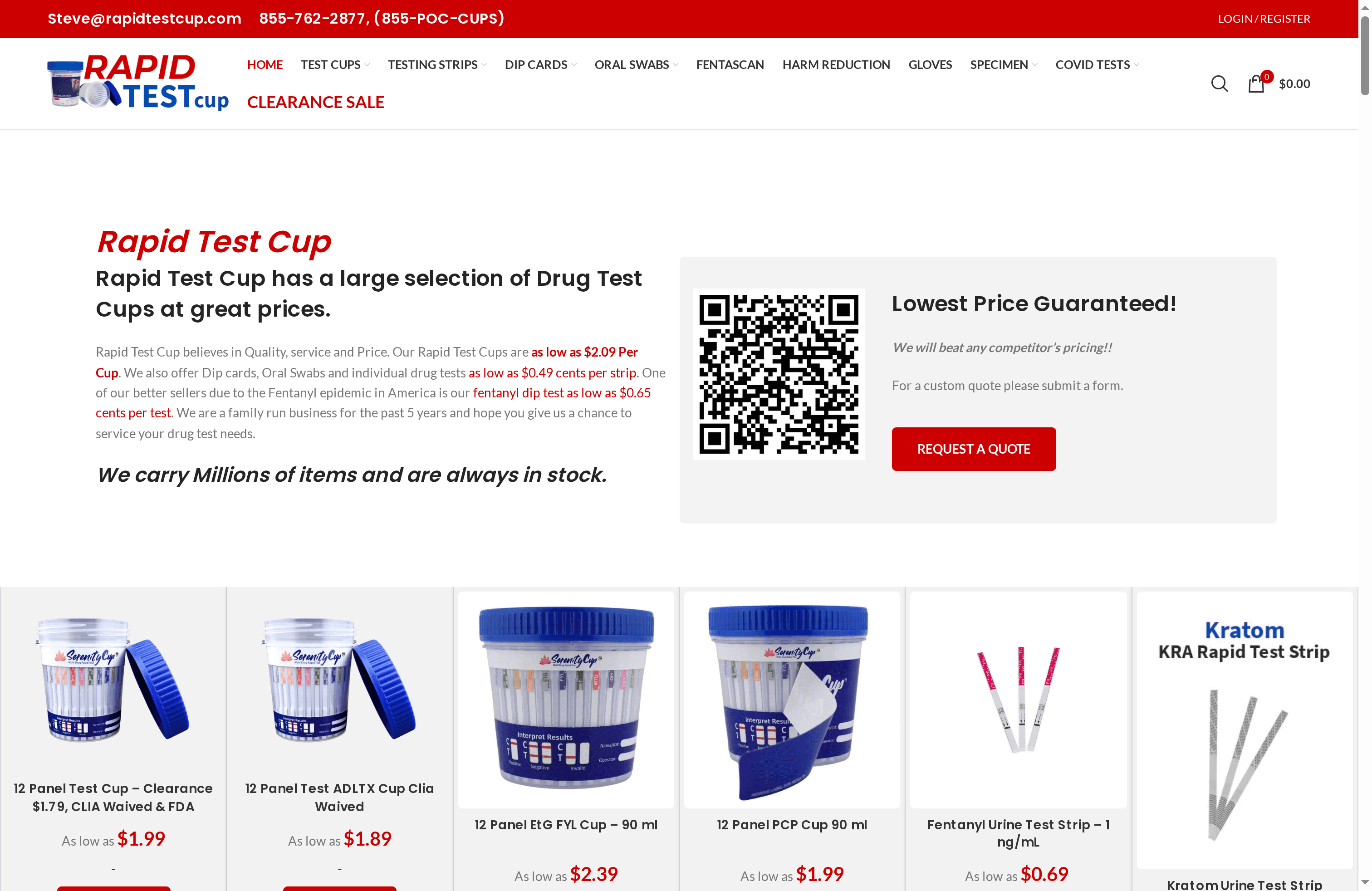
Take control of your drug screening process today by choosing high-quality test kits with quick shipping and bulk discounts from RapidTestCup. Empower your clinical team with tools that provide objective, reliable results, support patient trust, and align with the comprehensive assessment strategies highlighted in the article. Explore the catalog now and equip your treatment center for success.
Frequently Asked Questions
What is drug screening in treatment centers?
Drug screening in treatment centers is a diagnostic and monitoring tool that analyzes biological specimens to detect the presence of specific substances. It helps clinicians assess patient health and track recovery progress.
Why is drug screening important for patients in recovery?
Drug screening is crucial for establishing baseline substance use patterns, monitoring treatment compliance, identifying relapse risks, and customizing individualized treatment strategies.
What types of biological samples are used for drug screening?
Common biological samples used in drug screening include urine, blood, hair, saliva, and sweat patches, each with unique detection windows and advantages.
What are the challenges faced in implementing drug screening in treatment centers?
Challenges include patient privacy concerns, potential stigmatization, limited provider training, time constraints, and misinterpretation of results, which can affect the overall effectiveness of the screening process.