

Blog
Master the Drug Testing Reporting Workflow for Labs

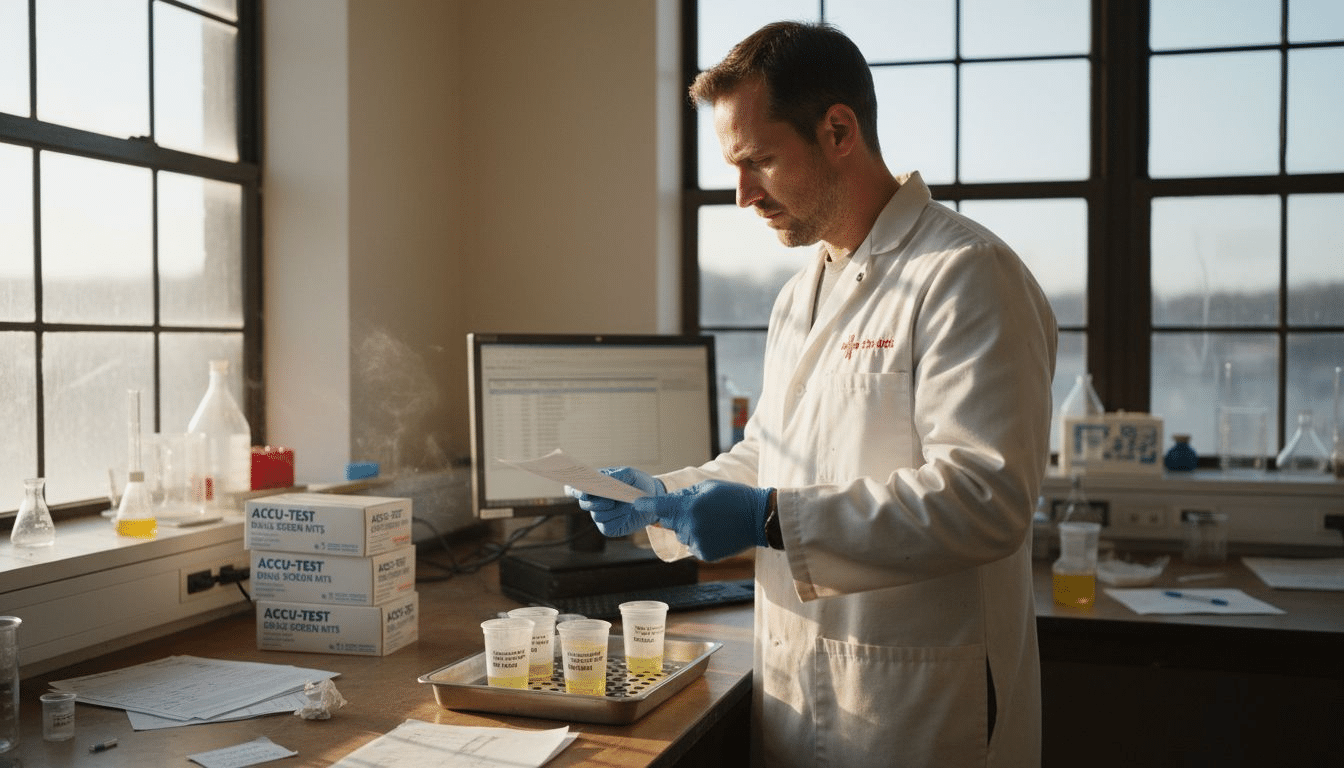
Managing drug testing workflows in North American laboratories often feels like walking a tightrope between regulatory demands and operational accuracy. Every specimen passing through your facility carries critical implications for legal compliance and scientific integrity. With every step, secure chain of custody protocols and precise data handling are essential to shield your reputation and maintain the highest professional standards. This guide offers practical methods to strengthen confidentiality, accuracy, and efficiency throughout every phase of your forensic reporting process.
Table of Contents
- Step 1: Set Up Secure Drug Testing Data Collection
- Step 2: Implement Chain of Custody Documentation
- Step 3: Standardize Test Result Entry and Verification
- Step 4: Automate Report Generation and Distribution
- Step 5: Review and Audit Reporting for Compliance
Quick Summary
| Key Point | Explanation |
|---|---|
| 1. Establish Secure Collection Protocols | Implement handling procedures that protect specimen integrity and ensure confidentiality during drug testing workflows. |
| 2. Ensure Rigorous Chain of Custody | Comprehensive documentation is essential for tracing specimens from collection to analysis, preventing tampering and safeguarding legal integrity. |
| 3. Standardize Result Entry and Verification | Consistent and accurate reporting is vital; adopt standardized protocols to minimize errors and maintain laboratory credibility. |
| 4. Automate Reporting Processes | Streamlining report generation enhances efficiency and ensures compliance; use digital solutions for timely and secure distribution. |
| 5. Conduct Regular Compliance Audits | Systematic reviews and audits foster a culture of quality assurance, maintaining adherence to regulatory standards and continuous improvement. |
Step 1: Set Up Secure Drug Testing Data Collection
Establishing a secure drug testing data collection workflow requires careful planning and adherence to strict procedural standards. Your goal is to create a systematic approach that maintains specimen integrity, protects confidential information, and ensures reliable testing outcomes.
To build a robust data collection process, start by implementing secure specimen handling protocols that protect chain of custody and prevent potential tampering. Key components include:
- Designated collection sites with controlled access
- Standardized specimen handling procedures
- Tamper-evident collection containers
- Documented identification verification
The collection workflow must prioritize privacy and scientific accuracy. Staff responsible for specimen collection should receive comprehensive training on:1. Proper identification verification techniques
2. Maintaining specimen integrity
3. Documenting collection procedures
4. Managing confidential medical information
Transparency and documentation are critical. Each specimen should be tracked using unique identifiers, with detailed logs recording every interaction and transfer. This creates an auditable trail that protects both the testing organization and the individuals being screened.
Secure data collection is not just a procedure—it’s a fundamental commitment to professional standards and individual privacy.
Pro tip: Invest in digital tracking systems that automatically log specimen details and provide real-time chain of custody monitoring to minimize human error and enhance overall testing reliability.

Step 2: Implement Chain of Custody Documentation
Establishing a rigorous chain of custody documentation process is critical for maintaining the legal and scientific integrity of drug testing specimens. Your objective is to create a comprehensive tracking system that ensures every specimen can be traced from collection through final analysis.
Begin by understanding the federal documentation requirements that govern specimen handling. The documentation process involves several key elements:
- Unique specimen identification numbers
- Detailed collection site paperwork
- Secure transfer documentation
- Timestamped transfer logs
- Collector and technician signatures
Each transfer of the specimen must be meticulously documented. This means creating a clear paper trail that includes:
- Initial specimen collection details
- Precise time and date of collection
- Collector’s verified identification
- Specimen packaging and sealing procedures
- Transportation and transfer records
- Laboratory receipt confirmation
The documentation forms serve as a legal record that protects the integrity of the testing process. Any gaps or inconsistencies could potentially invalidate test results or create legal vulnerabilities for your organization.
Accurate chain of custody documentation is not just a procedural requirement—it’s a fundamental safeguard of scientific and legal credibility.
Pro tip: Consider implementing digital tracking systems with automatic timestamp and geolocation features to create an indelible, tamper-resistant record of specimen movement and handling.
Step 3: Standardize Test Result Entry and Verification
Creating a consistent and reliable process for entering and verifying drug test results is crucial for maintaining laboratory credibility and legal compliance. Your primary objective is to develop a systematic approach that minimizes errors and ensures accurate reporting.
Begin by implementing standardized medical review protocols that provide a comprehensive framework for result verification. The result entry and verification process should include several critical components:
- Automated data entry systems
- Double-verification procedures
- Comprehensive result review checklists
- Secure digital documentation
- Consistent formatting guidelines
The verification process requires meticulous attention to detail. Key steps include:
- Initial test result recording
- Confirmatory testing validation
- Medical Review Officer (MRO) comprehensive review
- Cross-referencing against established standards
- Documenting verification steps
- Generating official reporting documentation
Each step must follow a standardized workflow that leaves no room for interpretation or potential errors. Your verification process should create a transparent, traceable record that can withstand potential legal scrutiny.
Standardization is not about creating rigid rules, but about establishing a consistent framework that ensures accuracy and reliability.
Pro tip: Implement digital verification tools with built-in error checking and automatic flagging systems to catch potential inconsistencies before final reporting.
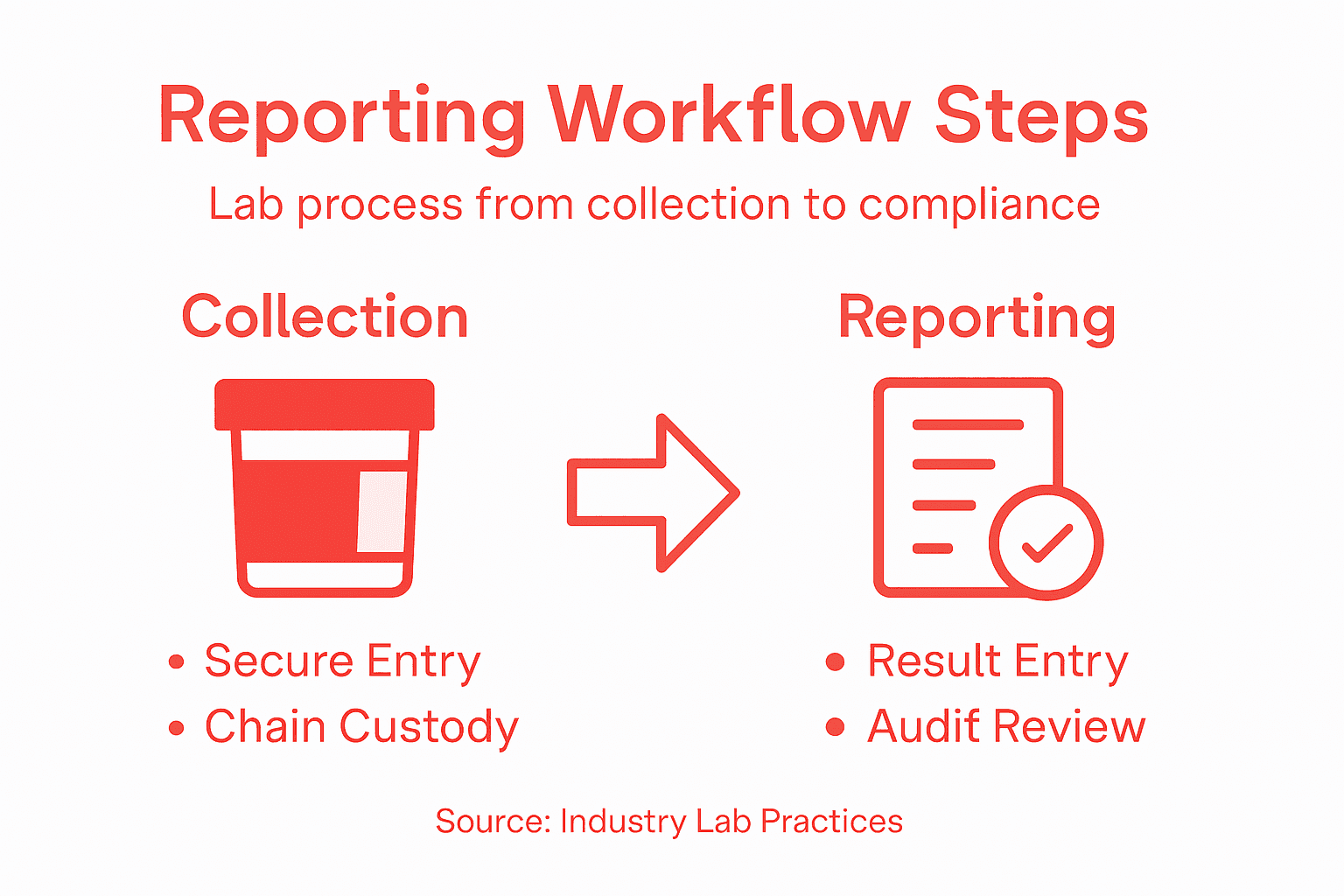
Step 4: Automate Report Generation and Distribution
Streamlining your drug testing report generation and distribution process can dramatically improve laboratory efficiency and compliance. Your goal is to create an automated system that ensures secure, timely, and accurate reporting across all stakeholders.
Implement web-based reporting solutions that integrate seamlessly with your existing workflow and provide comprehensive tracking capabilities. The automation process should encompass several critical features:
- Secure digital report generation
- Automatic stakeholder notification systems
- Compliance tracking mechanisms
- Encrypted data transmission protocols
- Comprehensive audit trail documentation
The automated reporting workflow requires careful configuration to maintain both efficiency and regulatory compliance. Key steps in the automation process include:
- Configuring system-wide reporting templates
- Establishing secure distribution channels
- Creating role-based access controls
- Implementing automatic verification checkpoints
- Setting up real-time notification triggers
- Developing comprehensive reporting dashboards
Your automated system should provide instantaneous, secure communication while maintaining strict confidentiality and adhering to all relevant regulatory standards. This approach transforms reporting from a time-consuming manual process into a streamlined, reliable workflow.
Automation is not about replacing human oversight, but about creating intelligent systems that enhance accuracy and efficiency.
Pro tip: Select automation platforms with robust encryption and multi-factor authentication to ensure maximum security and compliance throughout the reporting process.
Step 5: Review and Audit Reporting for Compliance
Maintaining rigorous compliance in drug testing reporting requires systematic review and comprehensive audit processes. Your primary objective is to develop a proactive approach that identifies potential issues and ensures adherence to regulatory standards.
Begin by implementing systematic compliance review protocols that provide a structured framework for ongoing quality assurance. The audit process should encompass several critical evaluation components:
- Comprehensive documentation review
- Periodic reporting verification
- Regulatory standard compliance checks
- Quality assurance performance metrics
- Internal control mechanism assessments
The compliance review workflow requires meticulous attention to multiple dimensions of reporting integrity. Key audit steps include:
- Establishing baseline compliance standards
- Conducting regular documentation reviews
- Performing cross-referencing with regulatory guidelines
- Identifying potential reporting discrepancies
- Developing corrective action protocols
- Maintaining detailed audit trail documentation
Your audit process should create a transparent, proactive system that continuously validates reporting accuracy and identifies potential areas of improvement. This approach transforms compliance from a reactive task to a strategic organizational function.
Here’s a quick comparison of manual versus digital approaches for drug testing workflows:
| Aspect | Manual System | Digital System |
|---|---|---|
| Accuracy | Prone to human error | Automated, highly reliable |
| Tracking | Paper logs, easy to misplace | Real-time digital logs, permanent record |
| Security | Physical access only | Encryption, access controls |
| Efficiency | Slower processing | Faster, automated processes |
To better understand how each phase builds on previous steps, here is a summary of business impact at each stage:
| Step | Key Objective | Business Impact |
|---|---|---|
| Secure Collection | Maintain specimen integrity | Reduces legal risk, ensures accuracy |
| Chain of Custody | Trace specimen movement | Prevents tampering, safeguards reputation |
| Result Verification | Minimize reporting errors | Boosts trust, supports compliance |
| Automated Reporting | Streamline communication | Increases efficiency, speeds delivery |
| Compliance Audits | Maintain regulatory standards | Enhances quality, prevents penalties |
Effective compliance auditing is about creating a culture of continuous improvement, not merely checking boxes.
Pro tip: Develop a rotating audit schedule with randomized sampling techniques to ensure comprehensive and unbiased compliance monitoring across all reporting segments.
Elevate Your Drug Testing Workflow with Reliable Supplies from RapidTestCup
Mastering the drug testing reporting workflow starts with securing the right specimen collection and testing supplies that ensure accuracy and compliance at every stage. The article highlights critical challenges like maintaining specimen integrity, implementing chain of custody documentation, and automating report generation. These goals require dependable, high-quality tools designed specifically for professional labs, forensic teams, and clinics.
At RapidTestCup, we understand the importance of trusted drug test cups, dip cards, and specimen collection materials to support your compliance and quality assurance efforts. Our FDA-approved, CLIA-waived products help you prevent tampering, reduce human error, and streamline your laboratory processes.
Discover our broad selection of drug testing solutions designed to enhance every phase discussed, from secure collection to digital reporting. Visit RapidTestCup now to equip your lab with affordable, bulk discounts and fast shipping options. Take control of your drug testing workflow today and stay ahead with the tools that transform how you manage specimen integrity and reporting accuracy.
Frequently Asked Questions
How can I set up secure drug testing data collection in my lab?
Establish secure drug testing data collection by implementing protocols that protect specimen integrity and maintain confidentiality. Begin by using designated collection sites and standardized handling procedures to ensure every specimen is properly documented and tracked.
What is the importance of chain of custody documentation in drug testing?
Chain of custody documentation is crucial for ensuring the legal and scientific integrity of drug testing specimens. Create a comprehensive tracking system that documents each step in the specimen’s journey, from collection to analysis, to avoid potential legal vulnerabilities.
How should I standardize test result entry and verification?
Standardizing test result entry and verification can minimize errors and enhance accuracy. Implement automated data entry and double-verification procedures to ensure that all results are accurately documented and reviewed before reporting.
What steps can I take to automate report generation for drug testing results?
To automate report generation, configure a web-based system that integrates with your workflow and provides secure digital report generation. Ensure automatic notifications to stakeholders are included, enabling timely communication and improving overall efficiency.
How can I maintain compliance in drug testing reporting?
Maintaining compliance requires systematic review and auditing of your reporting processes. Implement regular documentation reviews and compliance checks to proactively identify potential issues and ensure adherence to regulatory standards.