

Blog
7 Key Questions to Ask Before Drug Testing Employees


Setting up an effective workplace drug testing policy can feel overwhelming, especially with so many legal rules and practical decisions to make. You want your work environment to be safe and productive, but it is not always clear where to start or how to balance employee rights with your company’s needs.
This list breaks down the most important questions you need to answer before launching any drug testing program. You will discover actionable details about legal compliance, test options, result management, and more. Keep reading to find confident and practical answers for every step of your workplace drug testing plan.
Table of Contents
- What Is the Purpose of Drug Testing?
- Does Testing Comply with State and Federal Laws?
- Which Drugs Should Be Screened?
- What Type of Test Method Is Best?
- How Will Test Results Be Managed?
- Are Employee Rights and Privacy Protected?
- How Will You Handle Positive Results?
Quick Summary
| Takeaway | Explanation |
|---|---|
| 1. Drug testing enhances workplace safety. | Identifying substance abuse helps prevent risks and maintains a secure work environment for all employees. |
| 2. Legal compliance is essential in drug testing. | Employers must adhere to state and federal laws to ensure fair practices and protect employee rights during testing. |
| 3. Choose the right drugs to screen. | Determine which substances to test for based on industry-specific risks and legal obligations while addressing employee safety. |
| 4. Select appropriate testing methods. | Each testing method has distinct advantages and detection windows; choose based on the specific needs of your organization. |
| 5. Manage test results with confidentiality. | A structured approach focusing on privacy and support helps ensure fair treatment for employees after receiving test results. |
1. What Is the Purpose of Drug Testing?
Workplace drug testing is a critical strategy for creating safe and productive work environments. By implementing comprehensive drug screening programs, employers aim to protect both employee well-being and organizational performance.
The primary purposes of drug testing extend far beyond simple compliance. These screenings serve multiple critical objectives:
- Enhance workplace safety by identifying potential substance abuse risks
- Reduce workplace accidents caused by impaired employee performance
- Maintain productivity by ensuring employees are fully functional
- Support employee health through early intervention and support
Drug testing is fundamental to creating a safe and responsible work environment.
Employers recognize that substance abuse can significantly impact workplace dynamics. Workplace drug testing helps limit substance misuse impacts on productivity, safety, and overall team morale. Companies implement these programs to proactively manage potential risks associated with employee substance use.
Different industries have varying testing needs. Construction, transportation, healthcare, and manufacturing sectors often require more rigorous drug screening due to the high-stakes nature of their work. In these fields, impaired performance can lead to catastrophic consequences.
Legal compliance is another crucial aspect of drug testing. Many industries are required to maintain drug-free workplace policies to meet regulatory standards and insurance requirements. These policies protect both the organization and its employees.
Pro tip: Develop a clear, transparent drug testing policy that emphasizes support and rehabilitation over punitive measures.
2. Does Testing Comply with State and Federal Laws?
Navigating the complex landscape of drug testing regulations requires careful attention to both state and federal legal requirements. Employers must understand that drug testing is not a one-size-fits-all process but a nuanced approach that demands precise legal compliance.
Key Legal Considerations Include:
- Variations in state-specific drug testing laws
- Protections for employees with medical conditions
- Requirements for obtaining employee consent
- Limitations on testing procedures and frequency
Legal compliance is not optional – it is a fundamental requirement for responsible drug testing.
Legal considerations for workplace drug testing reveal that private employers generally have the right to conduct drug tests, but must carefully navigate state-specific regulations. Different states have unique protections that can significantly impact how and when testing can be conducted.
Federal regulations play a crucial role in certain industries. For instance, transportation and safety-sensitive sectors must follow strict federal drug testing procedures outlined in specific regulatory codes. These standards ensure uniformity and protect both employers and employees.
Important Legal Boundaries:
- Obtain written consent before testing
- Maintain strict confidentiality of test results
- Apply testing policies consistently across all employees
- Provide clear notification of testing requirements
Employers must balance their need for a safe workplace with respect for employee rights. This means creating drug testing policies that are transparent, fair, and legally sound.
Pro tip: Consult with a legal professional specializing in employment law to review and validate your drug testing policies before implementation.
3. Which Drugs Should Be Screened?
Determining the right drugs to screen is a critical decision for employers seeking to maintain a safe and productive workplace. The selection of screening panels requires careful consideration of workplace risks, legal requirements, and potential employee impairment.
Standard Drug Screening Substances Include:
- Marijuana (THC)
- Cocaine
- Amphetamines
- Opioids
- Phencyclidine (PCP)
- Methamphetamines
- Benzodiazepines
Not all drug tests are created equal – choose your screening panel wisely.
Marijuana testing remains critical despite changing legal landscapes. THC’s unique properties make it especially important to screen for in safety-sensitive positions. The substance’s long detection window and potential impact on workplace performance create significant risk management challenges.
Most employers rely on standard five-panel or ten-panel drug tests that cover the most common substances. The choice depends on your industry, workplace risks, and specific job responsibilities. Safety-critical roles like transportation, healthcare, and manufacturing often require more comprehensive screening.
Factors Influencing Drug Screening Selection:
- Workplace safety requirements
- Industry-specific regulations
- Potential job-related risks
- State and federal legal considerations
- Specific job role responsibilities
Employers must balance legal compliance with practical safety concerns. Drug screening panels help identify substances that could compromise workplace performance and employee safety.
Pro tip: Consult with a workplace safety expert to develop a customized drug screening approach tailored to your specific organizational needs.
4. What Type of Test Method Is Best?
Selecting the right drug testing method is crucial for employers seeking accurate and meaningful results. Each testing approach offers unique advantages and limitations that must be carefully considered based on your specific workplace needs.
Primary Drug Testing Methods:
- Urine testing
- Blood testing
- Hair follicle testing
- Saliva testing
- Breath testing
- Sweat testing
Not all drug tests are equally effective for every situation.
Urine drug testing remains the most common method due to its cost-effectiveness and ease of collection. However, employers must understand the strengths and weaknesses of each testing approach.
Different testing methods provide varying detection windows and insights:
Detection Window Comparison:
- Breath tests: Current alcohol levels
- Blood tests: Recent drug use
- Saliva tests: Recent impairment
- Hair tests: Drug history up to 90 days
- Sweat tests: Substance use over extended periods
The best test method depends on specific organizational goals. Safety-sensitive positions might require more immediate impairment detection, while long-term monitoring might necessitate alternative approaches.
Drug testing methods vary significantly in invasiveness, accuracy, and purpose. Factors like cost, workplace environment, and legal considerations should guide your selection process.
Pro tip: Consult with a workplace drug testing professional to develop a comprehensive screening strategy tailored to your specific industry and organizational needs.
5. How Will Test Results Be Managed?
Carefully managing drug test results is a critical responsibility that requires precision, confidentiality, and strategic planning. Employers must develop robust protocols that protect employee privacy while maintaining workplace safety and legal compliance.
Key Result Management Principles:
- Maintain strict confidentiality
- Follow consistent documentation procedures
- Ensure legal and ethical handling
- Communicate results professionally
- Protect employee privacy rights
Test results are sensitive information requiring careful, professional management.
Test samples are analyzed in certified laboratories where specialized professionals detect drug metabolites with precision. The management process involves multiple critical steps that go beyond simple positive or negative reporting.
Comprehensive Results Management Strategy:
- Verify test results with confirmatory testing
- Document findings confidentially
- Determine appropriate response based on company policy
- Protect employee privacy
- Consider rehabilitation or support options
Workplace drug testing policies must balance legal requirements with employee support. Positive results do not automatically mean termination but can trigger structured intervention processes.
Recommended Response Framework:
- Review results confidentially
- Consult with human resources
- Follow predetermined company protocols
- Consider employee assistance programs
- Maintain consistent application of policies
Effective result management requires transparency, fairness, and a commitment to both workplace safety and employee well-being.
Pro tip: Create a detailed written protocol for drug test result management that outlines every step of the process to ensure consistent and fair treatment.
6. Are Employee Rights and Privacy Protected?
Workplace drug testing sits at a complex intersection of safety, privacy, and legal rights. Employers must carefully navigate a landscape that demands both workplace protection and respect for individual employee privacy.
Core Privacy Protection Principles:
- Maintain strict confidentiality
- Ensure nondiscriminatory testing practices
- Respect lawful prescription medication use
- Limit testing to reasonable circumstances
- Protect sensitive personal health information
Employee privacy is not a privilege but a fundamental right.
Workplace drug testing regulations are designed to prevent discriminatory practices and protect employee rights. Laws vary by state but generally require employers to demonstrate reasonable suspicion before conducting tests.
Key Legal Protections for Employees:
- Consent requirements before testing
- Confidentiality of test results
- Protection against arbitrary testing
- Consideration of medical accommodations
- Right to challenge test results
Random drug testing raises significant privacy concerns and is often criticized for potential unreliability and fairness issues. Employers must develop transparent policies that balance safety needs with employee dignity.
The most effective drug testing approaches focus on clear communication and mutual respect. This means establishing policies that are both protective and protective of individual rights.
Pro tip: Develop a comprehensive written drug testing policy that explicitly outlines employee rights, testing procedures, and confidentiality protections to create a transparent and fair workplace environment.
7. How Will You Handle Positive Results?
Discovering a positive drug test result requires a strategic and compassionate approach that balances workplace safety with employee support. Your response can significantly impact both individual employee well-being and overall organizational culture.
Comprehensive Response Framework:
- Confirm initial test results
- Maintain strict confidentiality
- Follow established company procedures
- Consider rehabilitation options
- Apply consistent disciplinary measures
Positive results demand a balanced, professional response.
Positive test results require careful handling with clear procedures that protect both employee rights and workplace safety. Organizations must develop nuanced strategies that go beyond simple punitive actions.
Recommended Response Sequence:
- Verify test results through confirmation testing
- Schedule a confidential discussion with employee
- Review potential support or assistance programs
- Determine appropriate workplace consequences
- Document all interactions and decisions
Disciplinary actions vary based on company policy and may include suspension, mandatory rehabilitation, or termination. The most effective approaches combine accountability with opportunities for employee recovery.
Key Considerations for Positive Results:
- Respect employee privacy
- Provide clear communication
- Offer supportive resources
- Maintain consistent policy application
- Consider long-term employee development
Successful management of positive results requires a balanced and compassionate approach that prioritizes both workplace safety and individual employee support.
Pro tip: Create a detailed written protocol for handling positive drug test results that outlines specific steps, potential support resources, and clear consequences to ensure fair and consistent treatment.
Below is a comprehensive table summarizing the main strategies, benefits, considerations, and frameworks for workplace drug testing as discussed in the article.
| Aspect | Details | Key Notes |
|---|---|---|
| Purpose of Drug Testing | Enhance safety, reduce accidents, maintain productivity, and support employee health | Critical for creating safe and responsive work environments |
| Compliance with Laws | Adhere to state and federal laws, secure employee consent, and ensure confidentiality | Legal compliance is mandatory for ethical and lawful practices |
| Drugs to Screen | Standard panels include Marijuana (THC), Cocaine, Opioids, etc. | Base selection on workplace risks, roles, and legal factors |
| Testing Methods | Includes urine, blood, saliva, hair, breath, and sweat testing | Chosen based on organizational needs and detection objectives |
| Results Management | Prioritize comprehensive management, confidentiality, and adherence to company policy | Balances workplace safety with privacy and ethical handling |
| Employee Rights | Protect privacy, ensure fairness, prevent discrimination, and notify obligations | Establish transparent, fair, and legally-compliant policies |
Streamline Your Employee Drug Testing with Trusted Solutions
The article “7 Key Questions to Ask Before Drug Testing Employees” highlights the critical challenges employers face such as choosing the right testing methods, ensuring legal compliance, and managing sensitive test results. These pain points demand reliable and high-quality testing supplies to build a transparent and effective drug screening program that protects workplace safety and employee rights.
At RapidTestCup, we understand the importance of accuracy and confidentiality in every step of your drug testing process. Our extensive selection of FDA-approved, CLIA waived drug test cups, dip cards, and collection accessories equips you with professional-grade tools to meet diverse screening needs and legal requirements. Whether you need comprehensive panel tests or specialized adulteration detection, our affordable products and quick shipping keep your testing program compliant and efficient.
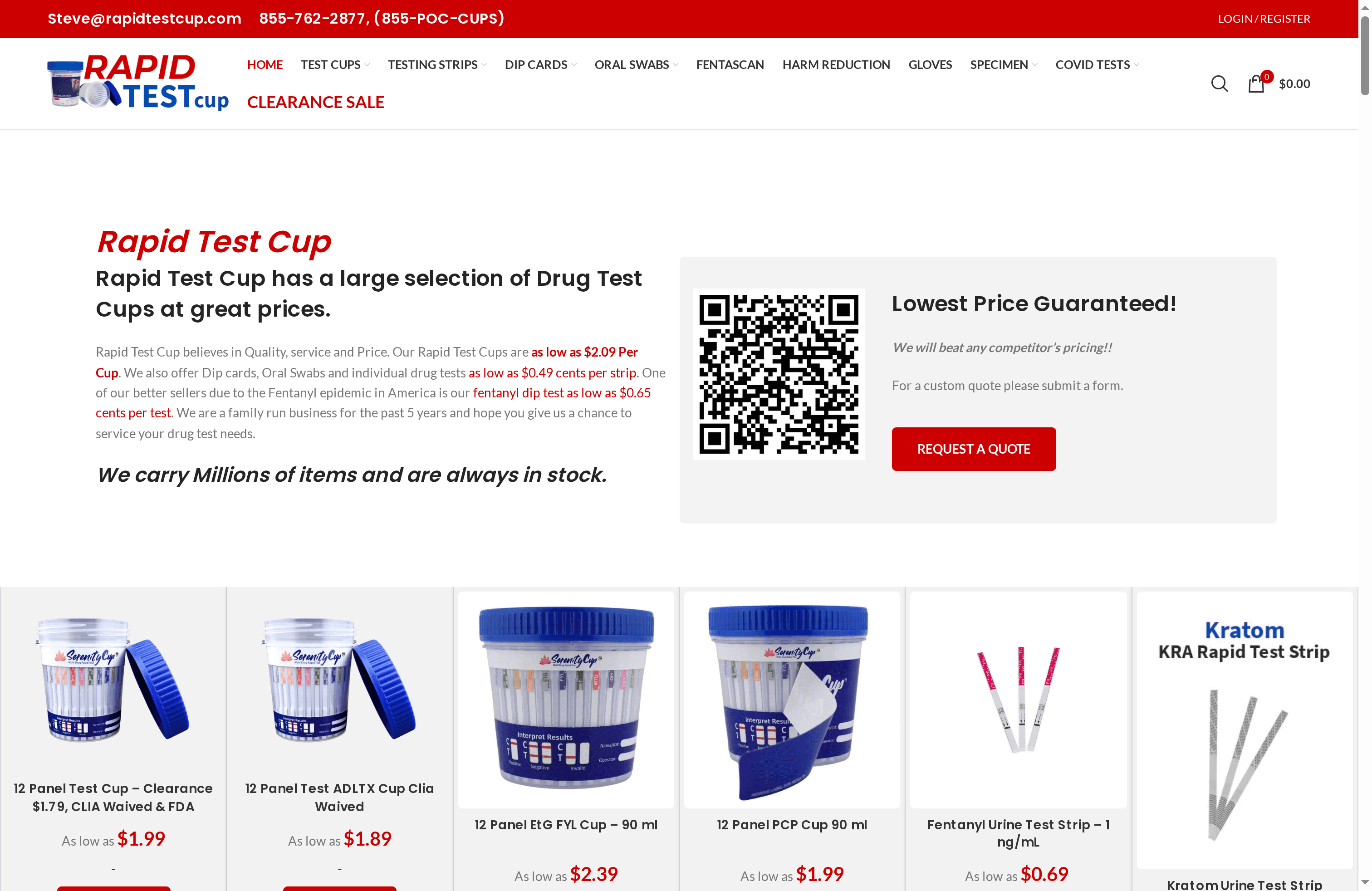
Ready to take control of your workplace drug testing with confidence and quality? Explore our range of trusted testing kits and supplies at RapidTestCup and design a tailored solution that aligns with your company policy. Visit RapidTestCup today and start safeguarding your workplace the smart way.
Frequently Asked Questions
What should I consider before implementing drug testing for employees?
Before implementing drug testing, consider the purpose, types of drugs to be tested, and how testing will align with workplace safety policies. Clearly define your objectives and consult with legal experts to ensure compliance.
How can I ensure my drug testing policy complies with state and federal laws?
To ensure compliance, familiarize yourself with specific state regulations and federal laws related to drug testing. Consult a legal professional who specializes in employment law to review your policy for adherence to all legal requirements.
What types of drug tests are most effective for workplace screening?
The most effective types of drug tests depend on your workplace’s needs, but common methods include urine testing for its cost-effectiveness and saliva testing for immediate impairment detection. Evaluate your industry’s requirements to select the best testing method for your organization.
How should I handle positive drug test results to support my employees?
When handling positive drug test results, verify the results and maintain confidentiality while following your established protocols. Schedule a private discussion with the employee to review the results and discuss available support or rehabilitation options.
What measures can I take to protect employee privacy during drug testing?
To protect employee privacy, ensure that drug testing is conducted under strict confidentiality and that consent is obtained before testing. Establish clear policies that respect individual rights while still adhering to necessary safety standards in the workplace.