Blog
7 Advantages of Bulk Drug Testing for Lab Directors


Keeping your drug testing laboratory efficient and cost-effective often feels like juggling endless tasks—tight budgets, regulatory requirements, and the need for fast, accurate results. Every decision you make, from ordering supplies to managing staff workflows, has a direct impact on both your bottom line and the quality of your service.
The good news is that there are proven strategies that can help you optimize operations at every level. By focusing on areas like inventory management, process improvements, and staff training, you can reduce waste, cut costs, and improve compliance. The right approach gives you greater control over your resources and supports consistent, reliable outcomes.
In the next section, you’ll uncover actionable ways to streamline your lab’s workflow, stay ahead of regulatory changes, and achieve measurable results. Whether you’re looking for practical cost-saving tips or solutions to speed up turnaround times, these insights will show you exactly where to start.
Table of Contents
- Cost Savings With Bulk Purchasing
- Streamlined Inventory Management
- Enhanced Compliance And Accuracy
- Faster Turnaround Times
- Customizable Testing Panels
- Improved Staff Efficiency
- Scalable Testing For Large Programs
Quick Summary
| Takeaway | Explanation |
|---|---|
| 1. Implement Bulk Purchasing | Buying drug testing supplies in bulk lowers costs and optimizes budgets. It also reduces administrative expenses and shipping costs. |
| 2. Adopt Digital Inventory Management | Utilizing automated systems enhances tracking, minimizes waste, and improves resource allocation effectively in laboratories. |
| 3. Ensure Compliance and Quality | Regular staff training and internal audits maintain high standards of accuracy and compliance with regulations, essential for lab credibility. |
| 4. Improve Turnaround Times | Streamlining workflow processes and automating tasks lead to faster testing results, which is vital for clinical decision-making. |
| 5. Design Customizable Testing Panels | Tailoring drug testing panels to specific needs reduces costs and enhances efficiency by focusing on relevant substances. |
1. Cost Savings With Bulk Purchasing
Bulk drug testing can dramatically reduce overall laboratory expenses by leveraging volume-based purchasing strategies. By ordering larger quantities of drug testing supplies at one time, lab directors can significantly lower per-unit costs and optimize their procurement budgets.
The financial advantages of bulk purchasing extend far beyond simple price reductions:
- Lower per-test pricing compared to individual unit purchases
- Reduced shipping and handling expenses
- Minimized administrative processing costs
- Consistent supply chain management
- Potential volume discount negotiations with suppliers
Bulk purchasing is not just about spending less it’s about strategic resource allocation.
Most laboratories spend between 15% to 25% more when purchasing drug testing supplies in small quantities. By transitioning to bulk order strategies, you can redirect those savings into critical research, equipment upgrades, or staff training programs.
When planning bulk purchases, consider these key factors:
- Assess your annual testing volume
- Review product shelf life and storage capabilities
- Negotiate pricing tiers with potential suppliers
- Factor in potential volume discounts
Inventory management becomes more predictable and cost-effective with bulk purchasing approaches. You eliminate frequent reordering cycles and create more stable budget projections.
Pro tip: Schedule a quarterly review of your bulk purchasing strategy to ensure you are consistently maximizing cost savings and maintaining optimal inventory levels.
2. Streamlined Inventory Management
Effective inventory management is the backbone of successful laboratory operations. Drug testing facilities can significantly enhance their efficiency by implementing strategic tracking and management systems that minimize waste and maximize resource allocation.
Diagnostic labs can optimize inventory management through several critical strategies:
- Automated digital tracking systems
- Real-time stock level monitoring
- Precise expiration date management
- Automated reordering processes
- Comprehensive usage documentation
Digital inventory management transforms chaotic stockrooms into precision-controlled resources.
By leveraging advanced software solutions, lab directors can transform traditional inventory approaches. These systems provide comprehensive insights into stock levels, predict future needs, and create seamless procurement workflows.
Key benefits of streamlined inventory management include:
- Reducing unnecessary product waste
- Preventing unexpected stockouts
- Lowering overall operational costs
- Improving regulatory compliance
- Enhancing research and testing continuity
Tracking technologies now enable laboratories to monitor every aspect of their inventory with unprecedented accuracy. Sophisticated software platforms can automatically generate purchase orders, track product lifecycles, and provide predictive analytics for future inventory needs.
Pro tip: Implement a quarterly inventory audit process that cross-references digital tracking systems with physical stock to ensure maximum accuracy and identify potential optimization opportunities.
3. Enhanced Compliance and Accuracy
Compliance and accuracy are the foundational pillars of reliable drug testing in clinical laboratories. Lab directors must implement rigorous quality control measures to ensure the highest standards of testing integrity and regulatory adherence.
CLIA regulations demand meticulous attention to multiple aspects of laboratory operations:
- Equipment calibration protocols
- Staff training and certification
- Comprehensive proficiency testing
- Precise documentation practices
- Continuous quality improvement processes
Accuracy is not an option it’s an absolute requirement in drug testing.
Clinical laboratories must enforce strict compliance standards to maintain their professional credibility and legal standing. By developing comprehensive quality control programs, lab directors can systematically minimize errors and ensure consistent testing reliability.
Key strategies for enhancing compliance include:
- Regular staff training sessions
- Implementing standardized testing protocols
- Maintaining detailed documentation
- Conducting periodic internal audits
- Staying updated on regulatory changes
Continuous monitoring systems help laboratories track performance metrics and quickly identify potential areas of improvement. This proactive approach allows directors to address minor discrepancies before they become significant compliance issues.
Pro tip: Develop a quarterly compliance review process that includes staff training updates, equipment validation checks, and a comprehensive audit of testing protocols.
4. Faster Turnaround Times
Speed is a critical factor in modern drug testing laboratories where timely results can significantly impact clinical decision-making and patient care. Laboratory directors must develop strategic approaches to minimize testing delays and optimize workflow efficiency.
Laboratory turnaround times can be dramatically improved through systematic process enhancements and technological interventions:
- Automated specimen handling
- Advanced testing equipment
- Strategic workflow redesign
- Prioritization protocols
- Staff training optimization
Time saved in testing is life enhanced for patients.
Effective laboratories focus on three critical phases to reduce turnaround times:
- Pre-analytical phase efficiency
- Analytical processing speed
- Post-analytical reporting mechanisms
By implementing lean methodology principles, laboratories can eliminate unnecessary steps and create more streamlined testing processes. This approach not only accelerates results but also maintains high-quality standards.
Performance tracking systems enable continuous monitoring and incremental improvements in testing speed. Modern laboratories leverage data analytics to identify bottlenecks and implement targeted interventions.
Pro tip: Conduct monthly workflow audits to identify and eliminate process inefficiencies that contribute to testing delays.
5. Customizable Testing Panels
Modern drug testing requires flexibility to address diverse industry needs and complex regulatory landscapes. Customizable testing panels offer laboratory directors an intelligent solution to match specific screening requirements with precision and efficiency.
Flexible drug testing configurations help organizations navigate regulatory complexities by providing adaptable screening options:
- Industry-specific substance panels
- Localized regulatory compliance
- Cost-effective screening strategies
- Targeted substance detection
- Modular testing configurations
Precision in drug testing means selecting the right substances for the right context.
Customizable panels allow laboratories to design testing protocols that align with specific workplace requirements. This approach eliminates unnecessary screenings and focuses resources on the most relevant substance detection for each unique environment.
Key advantages of modular testing panels include:
- Reduced overall testing costs
- Enhanced regulatory compliance
- Targeted substance screening
- Adaptability to changing workplace regulations
- Improved testing efficiency
Comprehensive panel design enables laboratories to create nuanced screening approaches that balance thoroughness with strategic resource allocation. By selecting only the most pertinent substances for specific industries or job roles, organizations can optimize their drug testing processes.
Pro tip: Develop a standardized review process to periodically reassess and update your drug testing panel configurations based on emerging regulatory requirements and workplace trends.
6. Improved Staff Efficiency
Modern laboratories face increasing pressure to do more with fewer resources, making staff efficiency a critical operational priority. By implementing strategic technologies and training approaches, lab directors can transform workforce productivity and minimize manual workload.
Laboratories can dramatically improve operational efficiency through several targeted interventions:
- Automation of repetitive tasks
- Comprehensive staff training programs
- Advanced workflow management systems
- Preventive equipment maintenance
- Integrated data management platforms
Efficiency is not about working harder it’s about working smarter.
Strategic efficiency improvements focus on reducing manual labor and redirecting staff expertise toward critical analytical tasks. This approach transforms routine testing processes from time-consuming activities into streamlined workflows.
Key strategies for enhancing staff productivity include:
- Implementing automated testing technologies
- Developing continuous learning programs
- Utilizing integrated software systems
- Establishing clear performance metrics
- Investing in workflow optimization tools
Workflow optimization technologies enable laboratories to track performance metrics, identify bottlenecks, and create more intelligent testing environments. By reducing manual interventions, staff can focus on high-value analytical responsibilities that require human expertise.
Pro tip: Conduct quarterly efficiency audits to identify emerging technologies and training opportunities that can further streamline your laboratory’s operational processes.
7. Scalable Testing for Large Programs
Large-scale drug testing programs require robust infrastructure that can adapt to complex regulatory environments and rapidly changing organizational needs. Laboratory directors must develop flexible testing solutions that can efficiently manage high-volume screening requirements across diverse settings.
Government agencies depend on comprehensive laboratory testing services that support multiple critical objectives:
- Rapid testing turnaround times
- Customizable test panel configurations
- Secure data management protocols
- Federal and state regulatory compliance
- Population-level health monitoring
Scalability transforms testing from a logistical challenge into a strategic advantage.
Effective large-program testing strategies address multiple critical components simultaneously. This holistic approach ensures consistent quality while maintaining the flexibility to adjust to emerging requirements.
Key considerations for scalable testing programs include:
- Developing modular testing infrastructures
- Implementing adaptable technology platforms
- Creating standardized testing protocols
- Establishing centralized data management systems
- Designing flexible reporting mechanisms
Advanced testing technologies enable laboratories to process large volumes of specimens while maintaining high standards of accuracy and efficiency. By investing in scalable systems, organizations can quickly respond to changing testing demands without compromising quality.
Pro tip: Design your testing infrastructure with future expansion in mind by selecting technologies and protocols that can be easily modified and integrated across different testing environments.
Below is a summary table encapsulating the key strategies, advantages, and implementations discussed in the article for optimizing laboratory drug testing processes.
| Topic | Strategies and Approaches | Benefits and Outcomes |
|---|---|---|
| Bulk Purchasing | Volume-based orders, assessing testing requirements, negotiating discounts. | Reduced costs, consistent supply chain, redirected savings into upgrades. |
| Inventory Management | Automated tracking systems, expiration monitoring, regular audits. | Reduced waste, improved forecasting, enhanced compliance. |
| Compliance and Accuracy | Regular staff training, standardized protocols, detailed documentation. | Met regulatory standards, reliable testing quality, professional credibility. |
| Optimizing Turnaround Times | Advanced equipment, lean methodologies, performance tracking systems. | Faster results delivery, efficiency in processes, maintained quality. |
| Customizable Testing Panels | Tailoring panels to industries, considering regulations, periodic reviews. | Cost-effectiveness, regulatory adherence, relevance to needs. |
| Staff Efficiency | Automation, training, workflow management, performance measurement. | Higher productivity, reduced manual labor, focus on analytical tasks. |
| Scalable Testing Programs | Modular systems, robust technology platforms, adaptable protocols. | Consistency, flexibility for high demands, sustained accuracy. |
Maximize Your Lab’s Efficiency With Bulk Drug Testing Solutions
Managing inventory costs while ensuring compliance and accuracy is a key challenge for lab directors. This article highlights how bulk drug testing can reduce expenses, streamline ordering, and improve turnaround times—all critical to running a successful laboratory. If you are aiming to secure cost savings, maintain reliable supply chains, and enhance staff efficiency, choosing the right supplier makes all the difference.
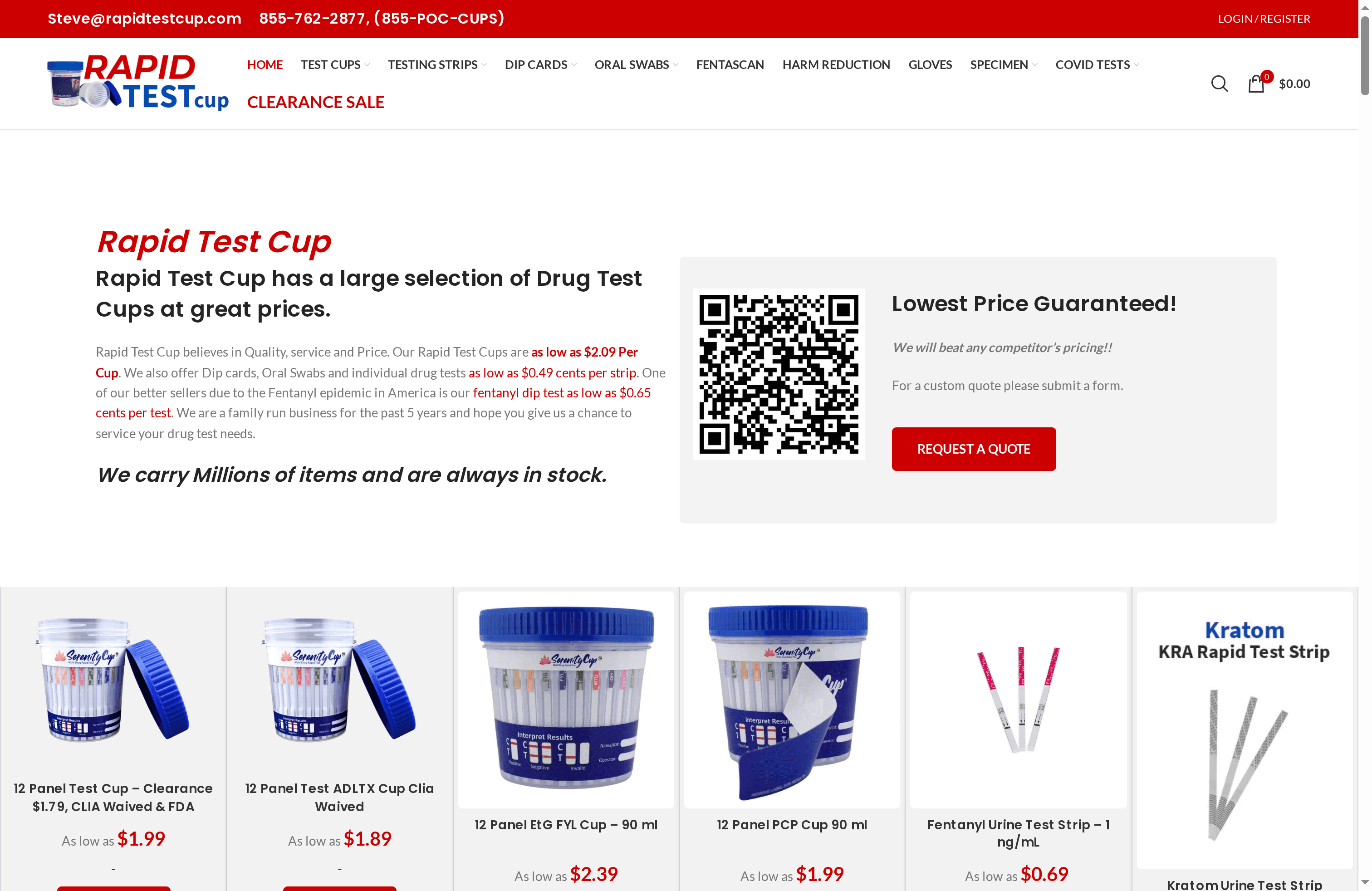
Discover how RapidTestCup supports your lab’s bulk purchasing needs with an extensive selection of FDA-approved, CLIA waived drug test cups and collection supplies. Benefit from detailed product information, bulk discounts, and quick shipping to keep your operations running smoothly. Don’t wait to optimize your testing protocols and achieve scalable results. Visit RapidTestCup today to explore comprehensive drug testing products tailored for professional labs. Improve your inventory management and regulatory compliance with our trusted testing solutions designed for high-volume demand. Start saving money and boosting your lab’s performance now.
Frequently Asked Questions
What are the cost savings associated with bulk drug testing?
Bulk drug testing can lead to significant cost savings by lowering per-unit prices through volume purchasing. To maximize these savings, aim to purchase larger quantities of testing supplies at once, potentially reducing costs by 15% to 25% compared to smaller, individual orders.
How can I streamline inventory management for bulk drug testing?
To streamline inventory management, implement a digital tracking system to monitor stock levels in real-time and automate reordering processes. This approach can help reduce waste and maintain consistent supply, making inventory management more efficient.
What strategies enhance compliance and accuracy in drug testing?
Enhancing compliance requires strict adherence to protocols like regular staff training and thorough documentation practices. Develop quality control programs that focus on continual improvement and conduct periodic audits to ensure compliance with established regulations.
How can I reduce turnaround times in my drug testing laboratory?
To reduce turnaround times, focus on optimizing workflow processes by automating specimen handling and redesigning testing protocols. Conduct regular audits of your testing process to identify bottlenecks and implement changes that can speed up the analytic phases.
What are the benefits of customizable testing panels in bulk drug testing?
Customizable testing panels allow laboratories to tailor screenings to specific industry needs, enhancing overall compliance and efficiency. Implement regular reviews of your testing panels to align them with emerging regulations and workplace requirements, ensuring optimal use of resources.
How can I improve staff efficiency during bulk drug testing?
Improving staff efficiency can be achieved by automating repetitive tasks and providing comprehensive training on advanced systems. Schedule quarterly audits to identify opportunities for further training and technology implementation aimed at streamlining operations.