Blog
Workflow for Random Drug Testing: Step-by-Step Guide


More than 60 percent of american workplaces now rely on random drug testing to protect safety and comply with federal guidelines. With regulations tightening and employee legal rights in focus, developing a compliant workflow is more important than ever for american organizations. This step by step guide shows how to design a fair, secure, and defensible drug testing process from selection to follow-up, helping you avoid costly errors and protect your team’s well being.
Table of Contents
- Step 1: Establish Random Selection Procedures
- Step 2: Prepare Secure Testing Environment
- Step 3: Collect and Label Specimens Properly
- Step 4: Conduct Drug Testing Using Approved Kits
- Step 5: Verify and Document Test Results
- Step 6: Implement Follow-Up and Compliance Actions
Quick Summary
| Essential Insight | Detailed Explanation |
|---|---|
| 1. Use Random Selection Methods | Implement unbiased statistical methods like Poisson distribution to ensure fair drug testing selection processes. |
| 2. Ensure a Secure Testing Environment | Create a monitored space that prevents tampering and maintains participant privacy for reliable results. |
| 3. Document Specimen Collection Thoroughly | Collect samples with strict labeling and chain of custody to ensure legal defensibility throughout the testing process. |
| 4. Follow Approved Testing Protocols | Utilize standardized methodology with approved kits to obtain accurate and reliable test results without contamination. |
| 5. Develop Follow-Up Actions for Results | Establish a clear protocol for addressing positive test results, including employee support and potential rehabilitation options. |
Step 1: Establish Random Selection Procedures
Random selection is the backbone of an effective and legally compliant drug testing workflow. Your goal in this step is to design a selection process that ensures fairness, statistical precision, and legal defensibility.
To create a robust random selection method, you’ll want to leverage statistical principles that eliminate human bias. Statistical modeling using Poisson distribution provides an excellent framework for predicting selection probabilities and optimizing testing frequency. This approach guarantees that every individual has an equal, unpredictable chance of being selected without any room for manipulation.
Implementing a truly random selection requires specific technical considerations. You’ll need a computerized system that generates selection numbers without pattern or predictability. Consider using certified random number generators or specialized software that meets constitutional requirements for non-discretionary selection methods. The key is creating a mechanism where neither management nor participants can anticipate or influence who gets tested.
Pro Tip: Document your random selection methodology thoroughly. Having a clear, auditable process protects your organization from potential legal challenges.
By establishing a statistically sound and transparent random selection procedure, you create a testing workflow that is both fair and defensible. Your next step will involve setting precise selection parameters and implementing the actual testing protocol.
Step 2: Prepare Secure Testing Environment
Creating a secure testing environment is crucial for maintaining the integrity and reliability of your drug testing workflow. Your primary objective is to establish a controlled space that prevents sample tampering and protects participant privacy while ensuring accurate results.
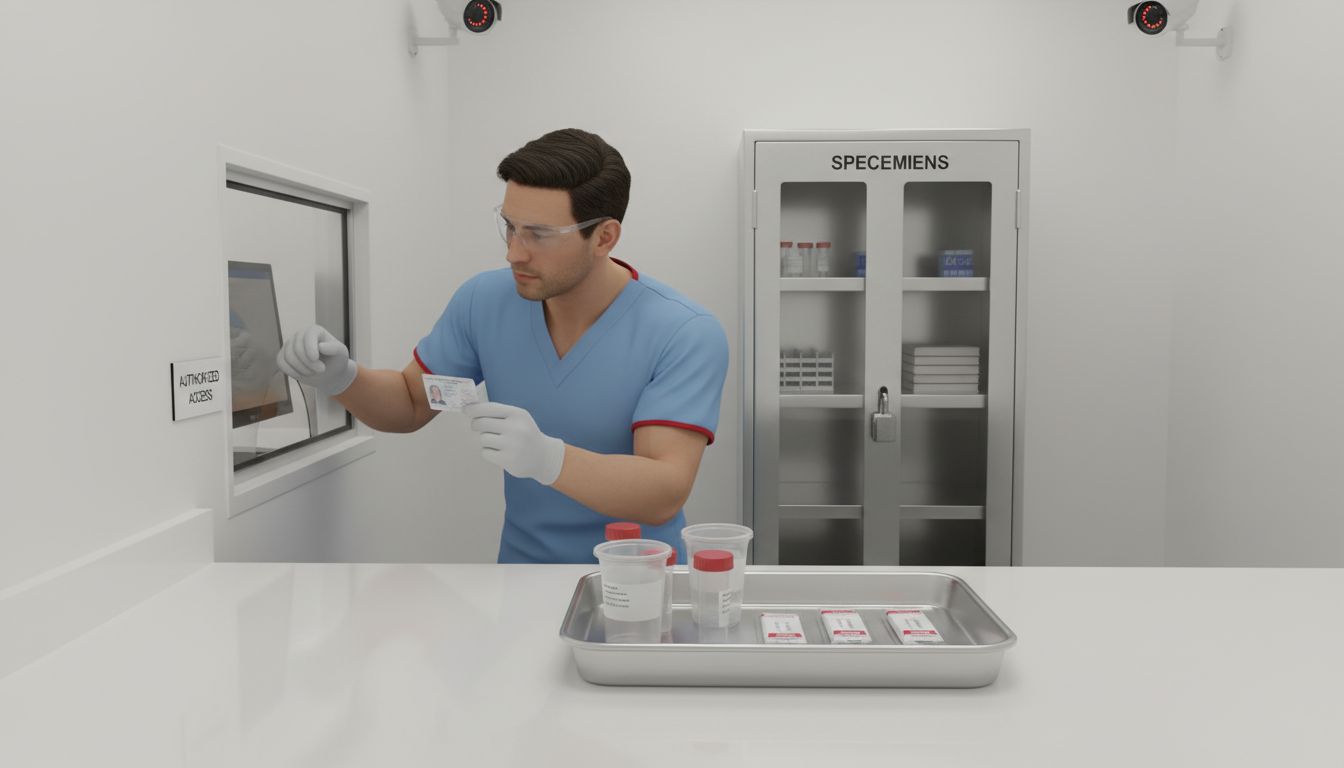
Comprehensive specimen collection guidelines emphasize the importance of designing a testing area that minimizes opportunities for manipulation. This means setting up a dedicated space with strict access controls where every aspect of sample collection can be carefully monitored. You’ll want a room that offers privacy for participants while remaining transparent enough to prevent potential cheating strategies.
Verifying donor identity and maintaining proper chain of custody are foundational elements of a secure testing process. Select a location with controlled entry points where you can systematically check identification, document each step of specimen handling, and create an unbroken record of sample movement. Consider features like locked storage areas for collected specimens, secure documentation systems, and designated zones for different testing stages.
Pro Tip: Install minimal furnishings in your testing area. Fewer objects mean fewer opportunities for sample tampering or hiding alternative specimens.
By meticulously preparing your testing environment, you establish a protocol that protects both the testing process and participant rights. Your next step will involve setting up precise collection procedures and documentation protocols.
Step 3: Collect and Label Specimens Properly
Collecting and labeling specimens requires precision and careful attention to detail. Your goal is to ensure each sample is uniquely identified, securely handled, and legally defensible throughout the entire testing process.
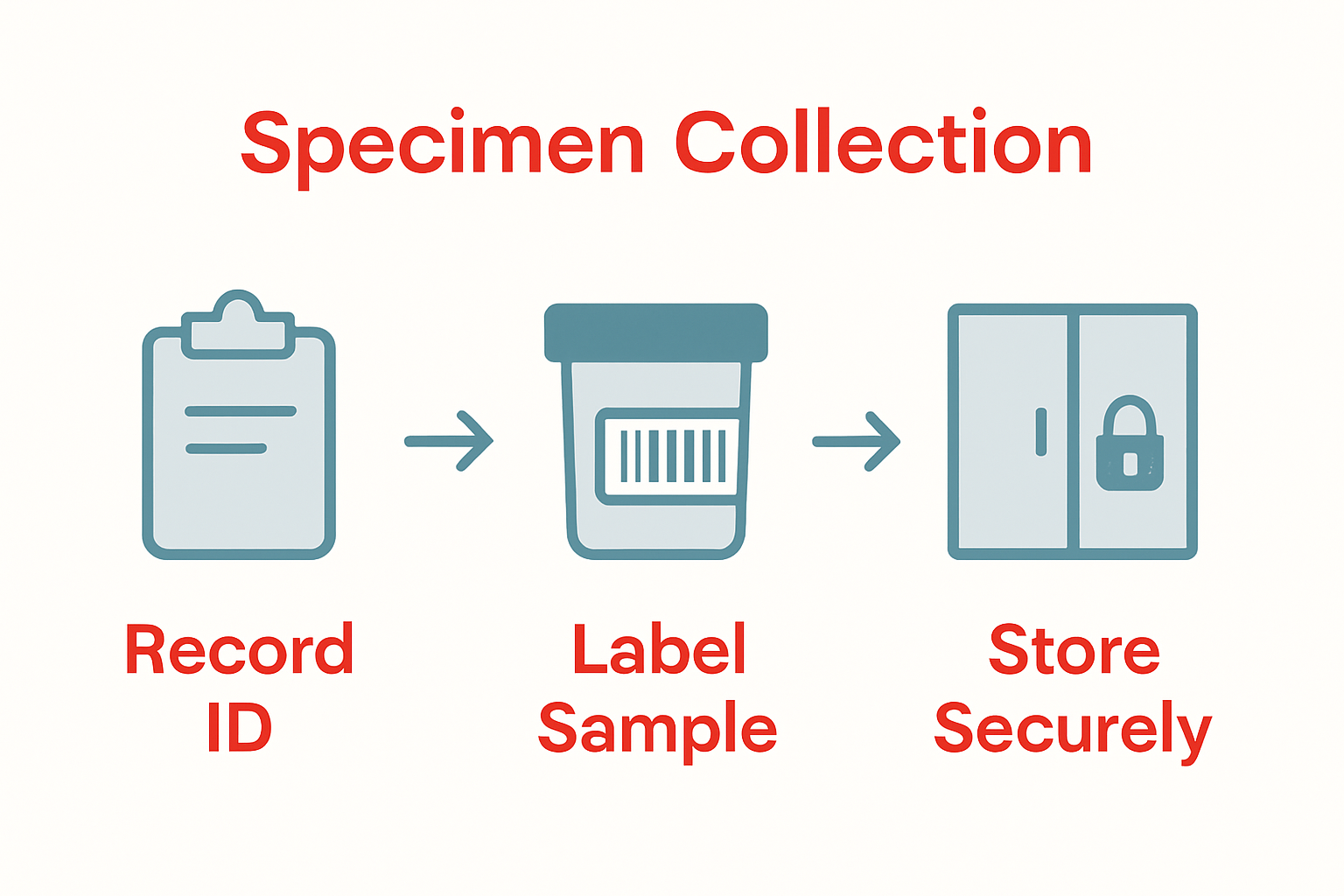
Comprehensive specimen collection guidelines emphasize creating a meticulous documentation system that tracks every specimen from collection through analysis. Start by preparing unique identification labels with sequential numbering that cannot be altered or duplicated. Each label should include critical information such as collection date, time, donor identification number, and collector initials. Ensure you use tamper evident seals and waterproof markers to prevent any potential modifications.
Proper chain of custody procedures demand that you document every single interaction with the specimen. This means creating a detailed log that records who handled the sample, when it was handled, and the purpose of each transfer. Your documentation should be so precise that a third party could reconstruct the entire specimen journey simply by reviewing your records.
Pro Tip: Always collect more than the minimum required specimen volume. This provides backup samples in case of potential testing complications or legal challenges.
By implementing a rigorous specimen collection and labeling protocol, you create an ironclad system that withstands scrutiny. Your next step involves preparing these carefully collected and documented specimens for laboratory analysis.
Step 4: Conduct Drug Testing Using Approved Kits
Conducting drug tests requires precision, standardization, and a thorough understanding of approved testing methodologies. Your primary objective is to execute the testing process accurately while maintaining the integrity of your specimens and results.
Standardized drug testing procedures demand careful attention to each step of the kit usage process. Begin by carefully examining the testing kit to ensure it is within its expiration date and has not been compromised. Verify that all components are intact and that you have a clean, organized workspace free from potential contaminants. When handling the 14 Panel Urine Drug Test Cup with 99% Accuracy, follow the manufacturer’s instructions precisely start by checking the temperature and volume of the collected specimen to confirm its validity.
Detailed testing protocols emphasize the importance of consistent methodology. Carefully remove the test cup from its protective packaging, avoiding touching the test strips directly. Immerse the cup into the specimen according to the specified time parameters typically between 5 to 10 seconds. Place the cup on a clean, flat surface and wait exactly the recommended development time before interpreting results. During this waiting period, avoid moving or disturbing the test cup to prevent potential false readings.
Pro Tip: Always wear protective gloves and handle specimens as if they could be infectious, regardless of the known health status of the donor.
By meticulously following these approved testing kit procedures, you ensure the most accurate and reliable results possible. Your next step involves carefully documenting and interpreting the test outcomes with the same level of precision you applied during the testing process.
Step 5: Verify and Document Test Results
Verifying and documenting drug test results is a critical process that requires meticulous attention to detail and strict adherence to confidentiality protocols. Your primary objective is to accurately interpret test outcomes while maintaining the highest standards of professional record keeping.
Comprehensive result verification guidelines emphasize the importance of systematic result interpretation. Begin by carefully comparing the test cup’s color indicators against the manufacturer’s reference chart. Look for precise color matches and intensity levels that correspond to specific drug concentrations. Pay special attention to control lines to ensure the test’s overall validity. Cross reference the results with the Ultra 28 Panel Drug Test Cup panel specifics to confirm accurate identification of potential substances.
Confidential documentation procedures require creating a secure and comprehensive record of each test result. Immediately transfer results to a designated confidential log using unique identifier codes that protect individual privacy. Include critical information such as test date, panel details, result interpretation, and collector identification. Ensure all documentation is completed using permanent ink or secure digital systems that prevent alterations.
Pro Tip: Implement a two person verification system where a second qualified professional independently reviews and confirms test results to minimize potential interpretation errors.
By following these rigorous verification and documentation protocols, you create a reliable and legally defensible record of drug testing outcomes. Your next step involves preparing to communicate results through appropriate administrative channels while maintaining strict confidentiality standards.
Step 6: Implement Follow-Up and Compliance Actions
Implementing follow-up and compliance actions represents the critical final stage of your drug testing workflow, where test results transform into meaningful organizational interventions. Your primary objective is to create a structured response that balances legal requirements, individual support, and workplace safety.
Comprehensive compliance guidelines emphasize developing a systematic approach to addressing test results. For positive outcomes, immediately initiate a confidential review process that includes multiple verification steps. Create a clear communication protocol that outlines specific actions for different result categories. For instance, some positive tests might trigger mandatory counseling referrals, while others could require suspension or termination procedures depending on your organizational policy. When handling sensitive information, always prioritize individual privacy and adhere to strict confidentiality standards.
Workplace drug testing protocols recommend establishing a comprehensive rehabilitation and support framework. This means developing clear pathways for employees who test positive, which might include substance abuse treatment programs, employee assistance resources, and structured return-to-work guidelines. Consider partnering with 10 Panel Drug Test Mouth Swab providers who can offer additional screening and monitoring services throughout the rehabilitation process.
Pro Tip: Develop a consistent and compassionate approach that views positive tests as opportunities for intervention rather than purely punitive measures.
By implementing a comprehensive and empathetic follow-up strategy, you create a workplace environment that prioritizes health, safety, and individual support. Your final step involves continuously refining these processes to ensure ongoing effectiveness and legal compliance.
Strengthen Your Random Drug Testing Workflow with Trusted Tools
Managing an effective random drug testing program requires precision, transparency, and reliable testing products. The article highlights critical challenges such as establishing unbiased random selection methods, securing specimen collection, and ensuring legally defensible documentation. At the heart of your workflow lies the need for accurate, FDA-approved testing kits and collection supplies that streamline compliance while minimizing errors.
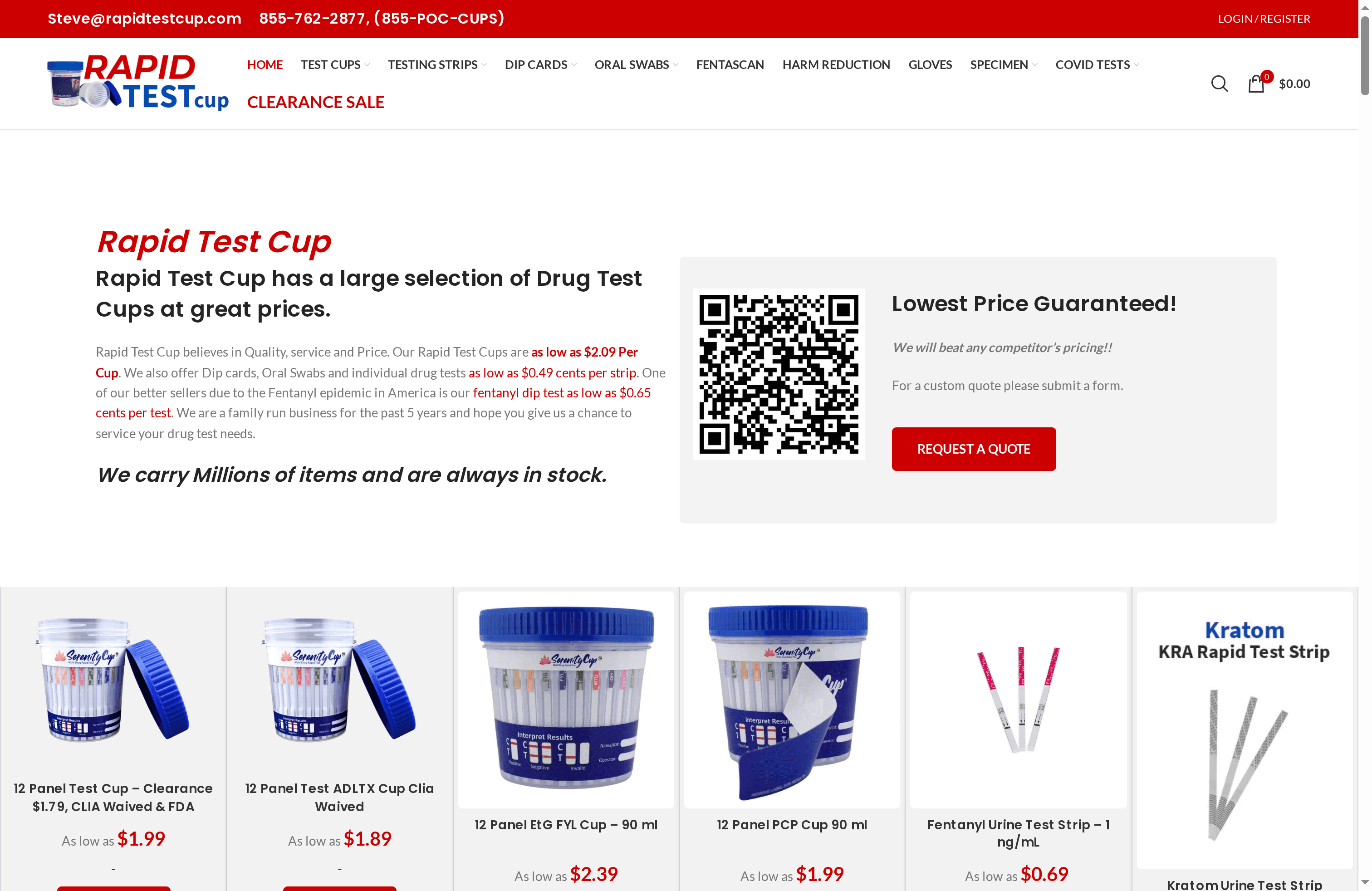
Discover the extensive range of professional drug test cups and collection accessories at Rapid Test Cup. Whether you need a 14 Panel Urine Drug Test Cup with 99% Accuracy for precise on-site screening or specialized products designed for forensic and workplace programs, our solutions empower your workflow every step of the way. Act now to ensure your testing program is compliant, reliable, and supported by high-quality products that reduce uncertainty and elevate trust.
Visit Rapid Test Cup today to equip your organization with everything necessary for flawless drug testing results.
Frequently Asked Questions
What is the purpose of establishing random selection procedures in drug testing?
The purpose of establishing random selection procedures is to ensure fairness and minimize bias in the drug testing process. Design a selection method that guarantees every individual has an equal chance of being tested, which can help maintain compliance with legal standards.
How can I create a secure testing environment for drug collection?
To create a secure testing environment, set up a dedicated space where sample collection can be closely monitored and participant privacy is protected. Implement strict access controls and verify the identity of each donor to maintain a proper chain of custody.
What steps should I take to properly collect and label drug test specimens?
Ensure you collect and label specimens with unique identification numbers and critical information, such as the collection date and donor ID. Use tamper-evident seals for security and maintain a detailed documentation log to track each specimen from collection to analysis.
How do I verify and document drug test results accurately?
Verify and document drug test results by comparing color indicators with the manufacturer’s reference chart to ensure validity. Immediately record results in a confidential log using unique identifiers to protect individual privacy and maintain accurate records.
What should I do if a drug test result comes back positive?
If a drug test result comes back positive, initiate a confidential review process that includes verification and a defined communication protocol. Establish comprehensive follow-up actions that may involve referrals for counseling or rehabilitation based on your organization’s policies.
How can I ensure my random drug testing workflow remains compliant and effective?
Continuously refine your random drug testing workflow by reviewing and updating your procedures regularly to align with legal requirements and best practices. Implement feedback mechanisms to assess the effectiveness of your processes and make adjustments based on your organization’s needs.