

Blog
How to Conduct Workplace Drug Testing Effectively


Over 80 percent of american workplaces now have some form of drug testing policy in place. Staying compliant with legal standards is not just a box to check for human resources, but a critical move to safeguard both your team and your organization. With regulations constantly evolving, knowing how to build a reliable drug testing process gives you peace of mind and helps protect your business from costly legal challenges.
Table of Contents
- Step 1: Establish A Legally Compliant Drug Testing Policy
- Step 2: Select Appropriate Drug Testing Supplies And Methods
- Step 3: Prepare Collection Procedures And Documentation
- Step 4: Administer And Monitor The Drug Testing Process
- Step 5: Verify Results And Ensure Quality Assurance
- Step 6: Handle Results And Maintain Confidential Records
Quick Summary
| Key Point | Explanation |
|---|---|
| 1. Establish a compliant policy | Develop a transparent drug testing policy that protects the organization and employees, ensuring it meets legal standards and clearly outlines consequences. |
| 2. Select appropriate testing methods | Choose reliable drug testing supplies and methods that provide accurate results and respect employee privacy, following SAMHSA guidelines for compliance. |
| 3. Prepare proper documentation | Create detailed collection procedures and documentation to ensure accuracy and legal defensibility during the drug testing process. |
| 4. Administer testing consistently | Implement drug testing protocols fairly across all employees to avoid discrimination claims, ensuring accurate and legal procedures are followed. |
| 5. Handle results confidentially | Manage drug test results securely, maintaining employee privacy and legal compliance while restricting access to authorized personnel only. |
Step 1: Establish a Legally Compliant Drug Testing Policy
Establishing a legally compliant drug testing policy requires strategic planning and careful documentation. Your goal is to create clear guidelines that protect both your organization and your employees while maintaining legal standards for workplace safety.
Begin by consulting an employment attorney who specializes in workplace regulations to review your draft policy. A comprehensive policy should clearly define prohibited behaviors and outline specific consequences for violations. According to SAMHSA guidelines, your written policy must address several critical components: identifying which substances are prohibited, describing testing procedures, specifying potential disciplinary actions, and explaining employee rights.
Your policy must be consistently applied across all employees to avoid potential discrimination claims. This means implementing the same testing protocols for all workers in similar job categories, regardless of position or seniority. Include specific details about when and how testing will occur random screenings, pre employment testing, post accident testing and provide employees with a written copy of the policy. By creating transparent guidelines, you demonstrate a commitment to workplace safety while protecting both organizational interests and employee rights.
Warning: One misstep in policy implementation can lead to significant legal challenges. Always prioritize fairness, consistency, and clear communication when developing your drug testing protocols.
Step 2: Select Appropriate Drug Testing Supplies and Methods
Selecting the right drug testing supplies and methods is crucial for creating an effective workplace screening program. Your goal is to choose testing tools that provide accurate results while maintaining legal compliance and respecting employee privacy.
Start by understanding the various drug test panel options that meet your organizational needs. Organizations typically choose between urine, saliva, blood, and hair follicle testing methods, each with distinct advantages. SAMHSA provides guidance on selecting testing resources that comply with federal regulations, recommending comprehensive screening panels that detect multiple substance categories. Consider factors like detection windows, accuracy rates, and specific workplace requirements when making your selection.
When evaluating testing supplies, prioritize reliability and legal compliance. Drug test cups with built in adulterant detection offer an additional layer of screening integrity, preventing potential tampering. Professional testing kits should include clear instructions, tamper evident seals, and chain of custody documentation to ensure defensible results. Implement a multi step verification process that includes initial screening and confirmatory testing for any positive results, which helps minimize false positives and protects both employer and employee interests.
Warning: Cutting corners on testing supplies can compromise your entire drug screening program. Always invest in high quality, certified testing equipment from reputable manufacturers to maintain the highest standards of accuracy and reliability.
Step 3: Prepare Collection Procedures and Documentation
Preparing comprehensive collection procedures and documentation is a critical step in establishing a robust workplace drug testing program. Your objective is to create a systematic approach that ensures accuracy, fairness, and legal compliance throughout the testing process.
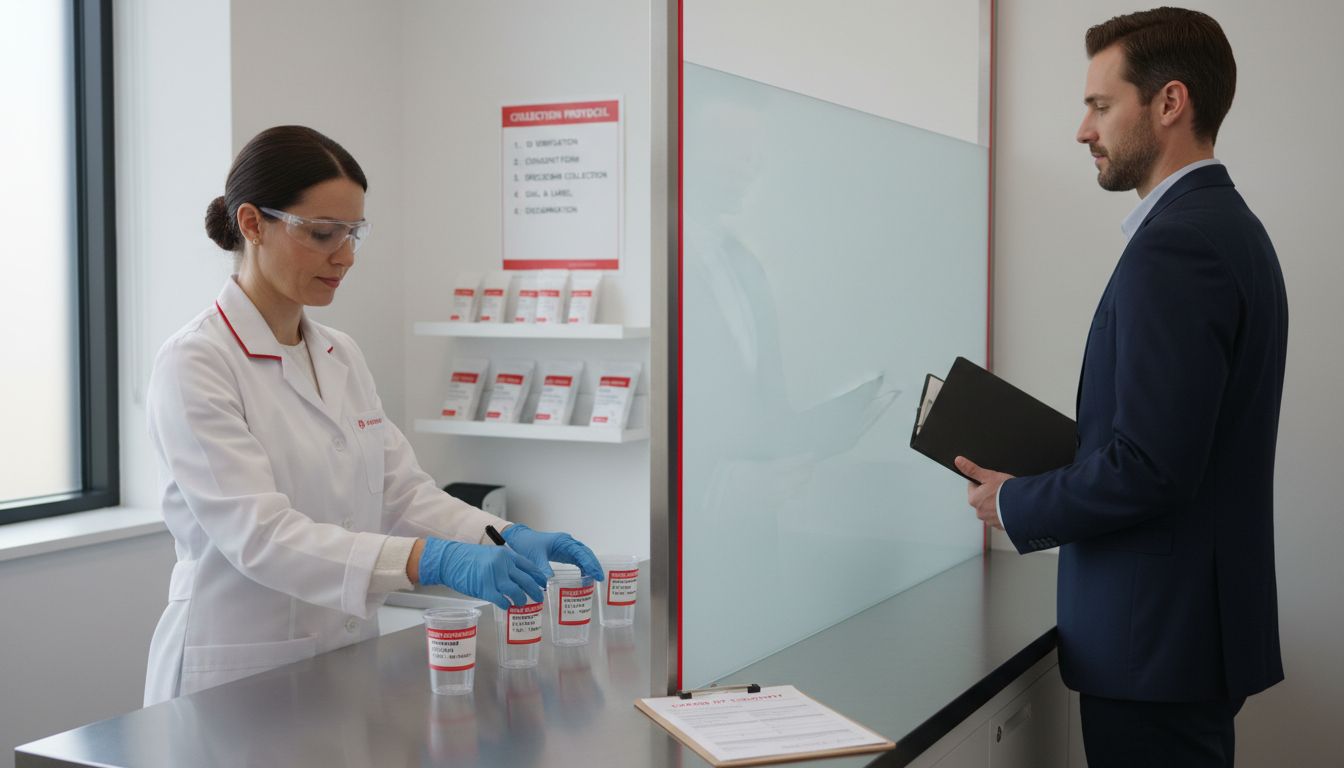
Workplace stakeholder preparation begins with developing clear protocols for specimen collection that protect both employee privacy and organizational integrity. SAMHSA emphasizes the importance of informing and training all relevant personnel about the precise steps involved in drug testing procedures. This includes designating specific collection sites, training authorized personnel on proper specimen handling, and establishing a clear chain of custody documentation that tracks each sample from collection through laboratory analysis.
Your documentation process should include detailed forms that capture essential information such as employee identification, testing reason, specimen collection timestamp, and any relevant observations. Implement a standardized approach where each step is meticulously recorded to create a defensible documentation trail. Include spaces for both employee and collector signatures, ensuring transparency and mutual acknowledgment of the testing procedure. Develop separate documentation protocols for different testing scenarios like random screenings, post accident testing, and reasonable suspicion assessments.
Warning: Incomplete or inconsistent documentation can invalidate your entire drug testing effort. Every single detail matters when creating legal documentation that could potentially be scrutinized in future proceedings.
Step 4: Administer and Monitor the Drug Testing Process
Administering and monitoring your workplace drug testing process requires precision, consistency, and a strategic approach. Your primary goal is to implement testing procedures that are fair, accurate, and compliant with legal standards while maintaining employee dignity and organizational safety.
Carefully implement comprehensive drug testing protocols that align with established workplace guidelines. According to SAMHSA recommendations for drug free workplace programs, develop a systematic approach that includes multiple testing scenarios such as random screenings, post accident testing, reasonable suspicion assessments, and periodic evaluations. The U.S. Department of Commerce emphasizes the importance of clear communication during each testing phase ensuring employees understand the process, their rights, and potential consequences.
Establish a robust monitoring system that tracks testing results, maintains confidentiality, and provides appropriate follow up mechanisms. This includes creating secure documentation processes, implementing a review protocol for positive results, and developing supportive intervention strategies for employees who may require substance abuse assistance. Utilize advanced drug testing panels that offer comprehensive screening capabilities to enhance the accuracy and reliability of your testing program.
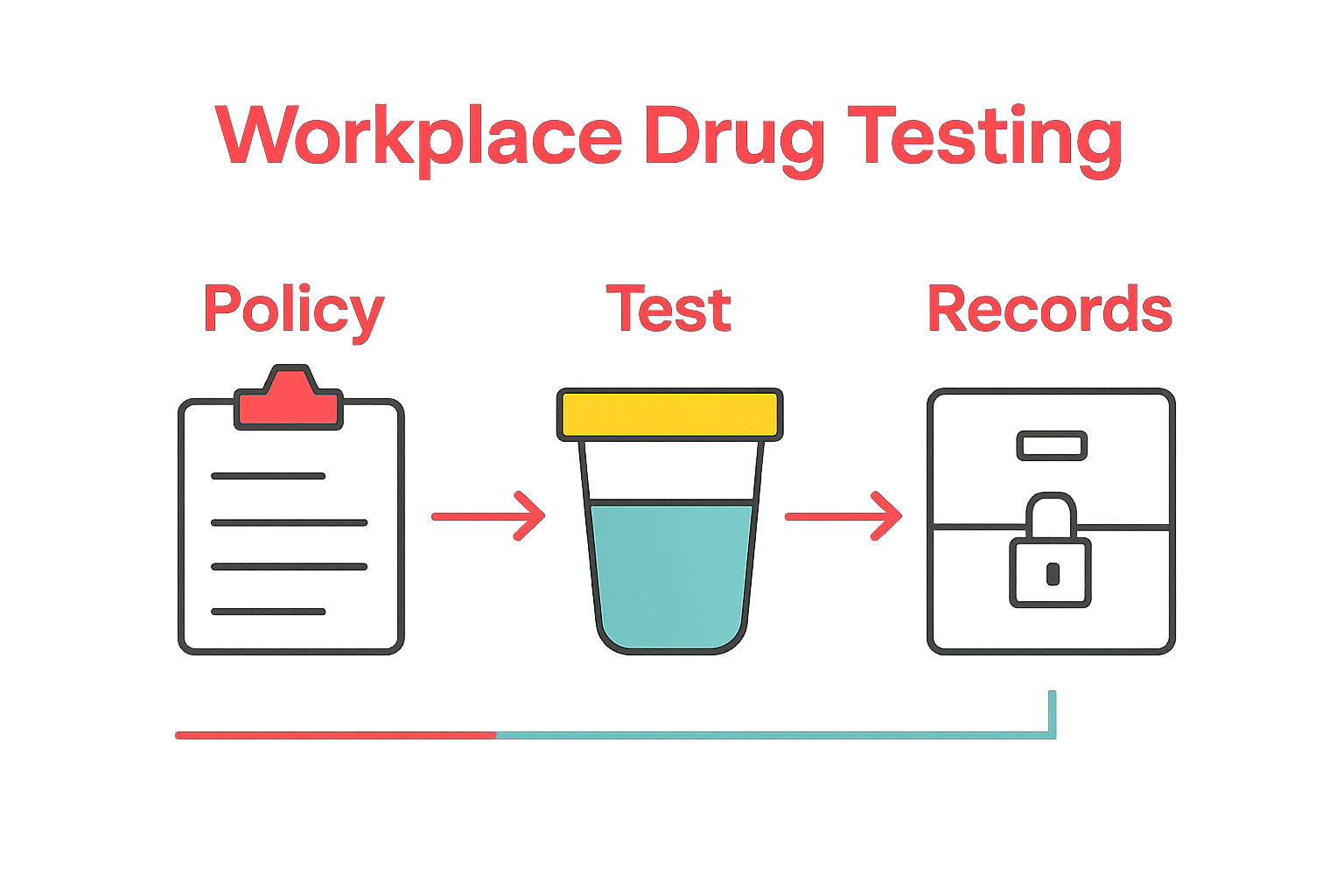
Warning: Inconsistent or poorly executed drug testing procedures can expose your organization to legal challenges and potential discrimination claims. Maintain strict neutrality, document every step meticulously, and treat all employees with consistent professional respect.
Step 5: Verify Results and Ensure Quality Assurance
Verifying drug testing results and maintaining rigorous quality assurance standards are critical components of a comprehensive workplace screening program. Your objective is to create a systematic approach that guarantees the accuracy, reliability, and legal defensibility of all testing procedures.
Implement a multi tiered verification process that follows strict regulatory guidelines. The Code of Federal Regulations mandates that testing facilities develop a comprehensive quality assurance program covering every aspect of the testing workflow. This includes establishing stringent protocols for specimen collection, maintaining an unbroken chain of custody, ensuring secure documentation, and conducting thorough analytical procedure validations.
Develop a detailed review mechanism that includes confirmatory testing for any initial positive results. This involves sending initial positive samples to certified laboratory facilities for comprehensive screening using advanced chromatography and spectrometry techniques. Create a standardized process for result interpretation that includes multiple verification steps, independent review by qualified professionals, and robust documentation to protect both the organization and employees. Maintain strict confidentiality throughout the verification process, sharing results only with authorized personnel through secure communication channels.
Warning: Shortcuts in result verification can compromise the entire integrity of your drug testing program. Every single result must be treated with the highest level of professional scrutiny and scientific precision.
Step 6: Handle Results and Maintain Confidential Records
Handling drug testing results requires an extraordinarily delicate approach that balances organizational safety with individual privacy rights. Your primary objective is to create a secure, systematic process for managing sensitive information while protecting employee confidentiality and maintaining legal compliance.
Implement a comprehensive confidentiality management strategy that restricts access to test results. SAMHSA advises that discussions regarding potential violations should occur privately, with a witness present, and results distributed only to those with a legitimate need to know. Establish strict protocols where test results are stored in secure digital or physical systems with multilayered access controls, ensuring that only authorized human resources and management personnel can view sensitive information.
Develop a nuanced communication protocol that protects employee dignity while addressing potential substance abuse concerns. This includes creating standardized documentation processes that anonymize individual identifying information, implementing encrypted digital storage systems, and establishing clear guidelines for result communication. Create separate tracking mechanisms for positive, negative, and inconclusive results, with built in safeguards that prevent unauthorized sharing or accidental disclosure. Ensure all documentation follows federal privacy regulations and maintains the highest standards of professional confidentiality.
Warning: A single breach of confidentiality can destroy employee trust and expose your organization to significant legal liability. Treat every test result as strictly privileged information.
Simplify Your Workplace Drug Testing with Trusted Supplies
Managing a legally compliant drug testing program can feel overwhelming with the need for accuracy, fairness, and thorough documentation. You want to avoid legal risks while protecting your employees and organization. Key challenges include choosing the right testing methods, ensuring tamper-proof collection, and verifying results with precision. When every detail matters from clear policies to multi-step verification, having dependable tools is essential.
At RapidTestCup, we understand these critical needs and offer a broad selection of high-quality, FDA-approved drug test kits, including cups with built-in adulterant detection and comprehensive drug panels. Our products are designed to help you maintain compliance and confidence every step of the way.
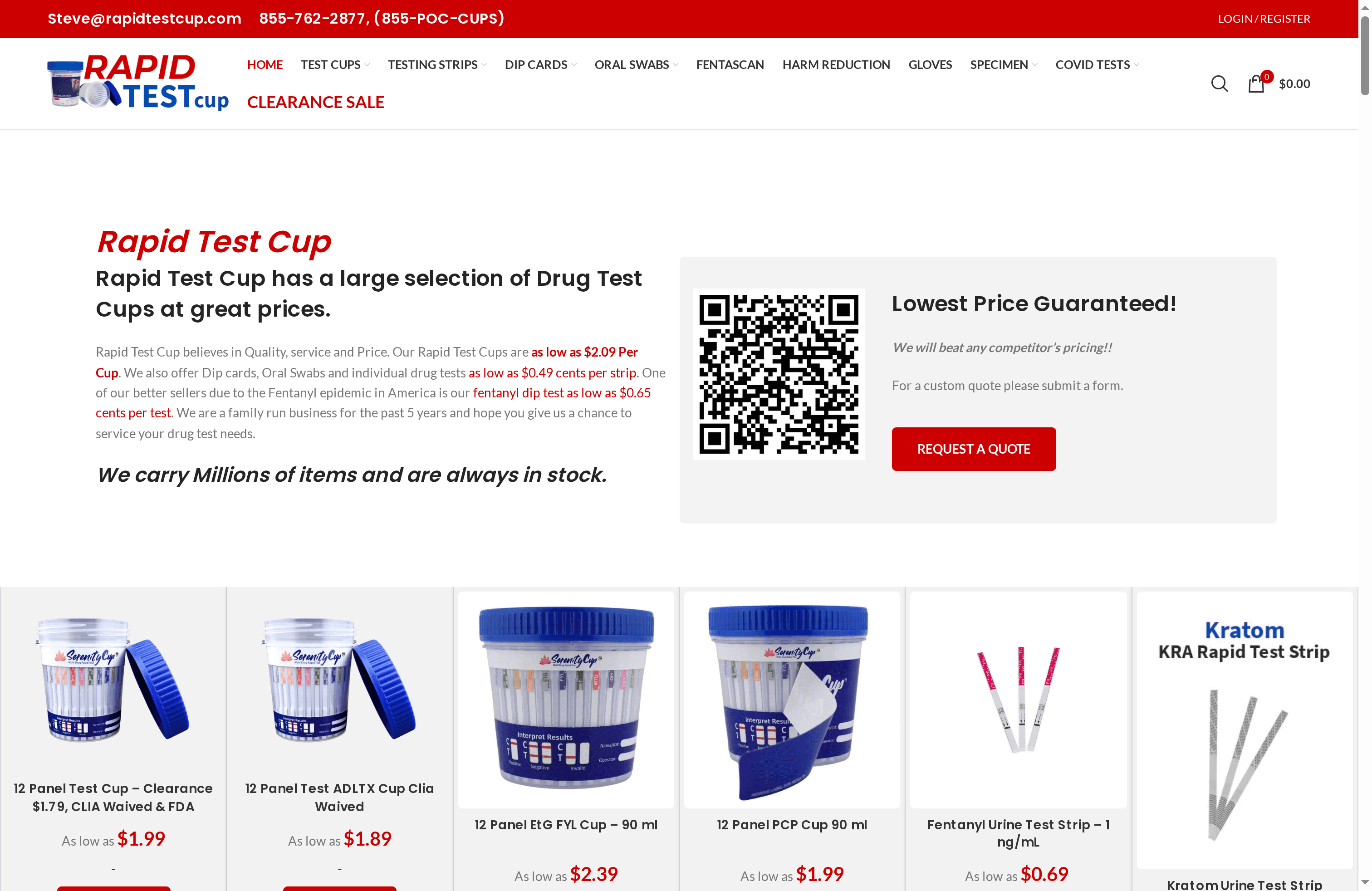
Take control of your workplace drug testing program today. Explore reliable drug test cups and advanced multi-panel kits that protect your process from start to finish. Act now to secure affordable, fast-shipping testing supplies that align with SAMHSA standards and ensure your program’s success. Visit RapidTestCup to browse our full range and request custom quotes to fit your unique needs.
Frequently Asked Questions
How do I create a legally compliant drug testing policy for my workplace?
To create a legally compliant drug testing policy, consult an employment attorney specializing in workplace regulations. Clearly define prohibited behaviors, testing procedures, and disciplinary actions, and implement these guidelines consistently across all employees.
What drug testing supplies should I use for effective workplace screening?
Choose reliable drug testing supplies that comply with legal standards and provide accurate results. Consider using multi-panel testing kits that can detect various substances and include features like adulterant detection for added integrity.
What are the key steps to prepare for drug specimen collection?
To prepare for specimen collection, develop clear protocols that protect employee privacy and maintain legal compliance. Train authorized personnel on proper handling procedures and establish detailed chain of custody documentation for each sample.
How should I administer and monitor the drug testing process?
Administer the drug testing process by implementing comprehensive protocols that include random screenings and post-accident testing. Establish a robust monitoring system to track results and ensure confidentiality while addressing potential substance abuse needs.
How can I ensure the accuracy of drug test results?
To ensure the accuracy of drug test results, implement a multi-tiered verification process that includes confirmatory testing for any initial positive results. Use advanced analytical techniques at certified laboratories to validate results before making any decisions.
What is the best way to handle and store drug testing results confidentially?
Handle drug testing results by implementing a confidentiality management strategy that restricts access to authorized personnel only. Use secure digital or physical storage systems to maintain employee privacy and follow strict protocols for result communication.