

Blog
Role of Drug Testing in Rehab: Ensuring Compliance


Monitoring patient progress in substance abuse treatment centers often hinges on more than observation alone. Clinical staff rely on drug testing to provide objective, actionable data that guides individualized care. Selecting the right approach can mean the difference between early relapse detection and a missed opportunity for intervention. This guide reveals how clinical drug testing protocols support compliance and strengthen recovery outcomes for patients across the United States.
Table of Contents
- Drug Testing in Rehab: Core Concepts
- Types of Drug Tests Used in Rehabilitation
- How Drug Testing Supports Recovery Progress
- Legal and Regulatory Standards in Rehab Testing
- Patient Rights, Compliance, and Common Challenges
Key Takeaways
| Point | Details |
|---|---|
| Importance of Drug Testing | Drug testing is essential for monitoring patient recovery and supporting individualized treatment strategies in rehabilitation settings. |
| Types of Drug Tests | Various tests, including urine, blood, and hair follicle tests, offer different detection capabilities and are tailored to specific treatment needs. |
| Legal and Ethical Standards | Compliance with legal frameworks ensures patient rights are protected while maintaining the effectiveness of drug testing processes. |
| Patient Engagement | Drug testing should foster transparency and trust, focusing on collaborative care rather than monitoring as a punitive measure. |
Drug Testing in Rehab: Core Concepts
Drug testing represents a critical component in substance abuse treatment, providing clinicians with objective data about patient recovery progress. Clinical drug testing protocols help treatment centers monitor patient compliance and support individualized care strategies.
The fundamental purpose of drug testing in rehabilitation settings extends beyond simple detection. These screenings serve multiple essential functions:
- Monitoring patient abstinence from substances
- Tracking treatment program effectiveness
- Identifying potential relapse risks
- Supporting personalized treatment adjustments
- Providing accountability for patients
Drug tests typically analyze biological samples like urine, blood, or hair to detect the presence of specific substances. Rapid screening tests offer quick initial insights, though they may require confirmatory testing to ensure accuracy. Medical professionals understand these tests cannot diagnose substance use disorders independently but serve as valuable monitoring tools.
Clinical guidelines from the American Society of Addiction Medicine emphasize that drug testing should improve patient care rather than serve as punitive measures. The testing process involves carefully interpreting results within the broader context of a patient’s treatment journey.
Test Types and Detection Windows
- Urine tests: Most common, 2-5 days detection
- Blood tests: Shorter detection window, more invasive
- Hair follicle tests: Longest detection period, up to 90 days
- Saliva tests: Quick, non-invasive screening method
Pro tip: Always interpret drug test results in the holistic context of a patient’s treatment progress, not as standalone indicators of recovery.
Types of Drug Tests Used in Rehabilitation
Rehabilitation centers employ multiple drug testing methods to monitor patient progress and support treatment goals. Drug testing methodologies provide crucial insights into patient recovery, each with unique advantages and detection capabilities.
The primary types of drug tests used in rehabilitation settings include:
- Urine Tests: Most common screening method
- Blood Tests: Precise but invasive
- Hair Follicle Tests: Long-term detection
- Saliva Tests: Quick and non-invasive
- Sweat Patch Tests: Continuous monitoring
Urine Drug Screening
Urine tests remain the gold standard in rehabilitation drug testing due to their non-invasive nature and rapid results. These screenings can detect multiple substances quickly, offering clinicians immediate insights into potential substance use. However, they have limitations, including relatively short detection windows and potential sample manipulation risks.
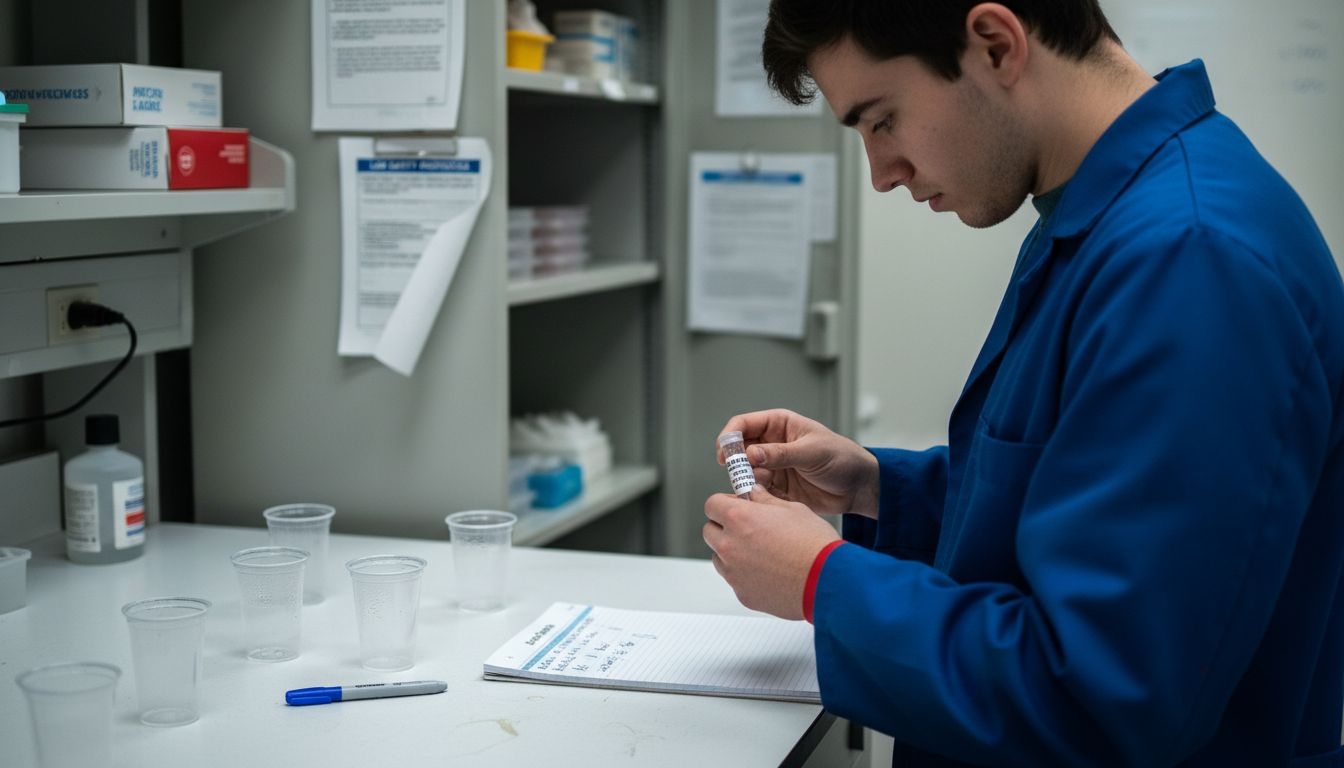
Detection Windows and Characteristics
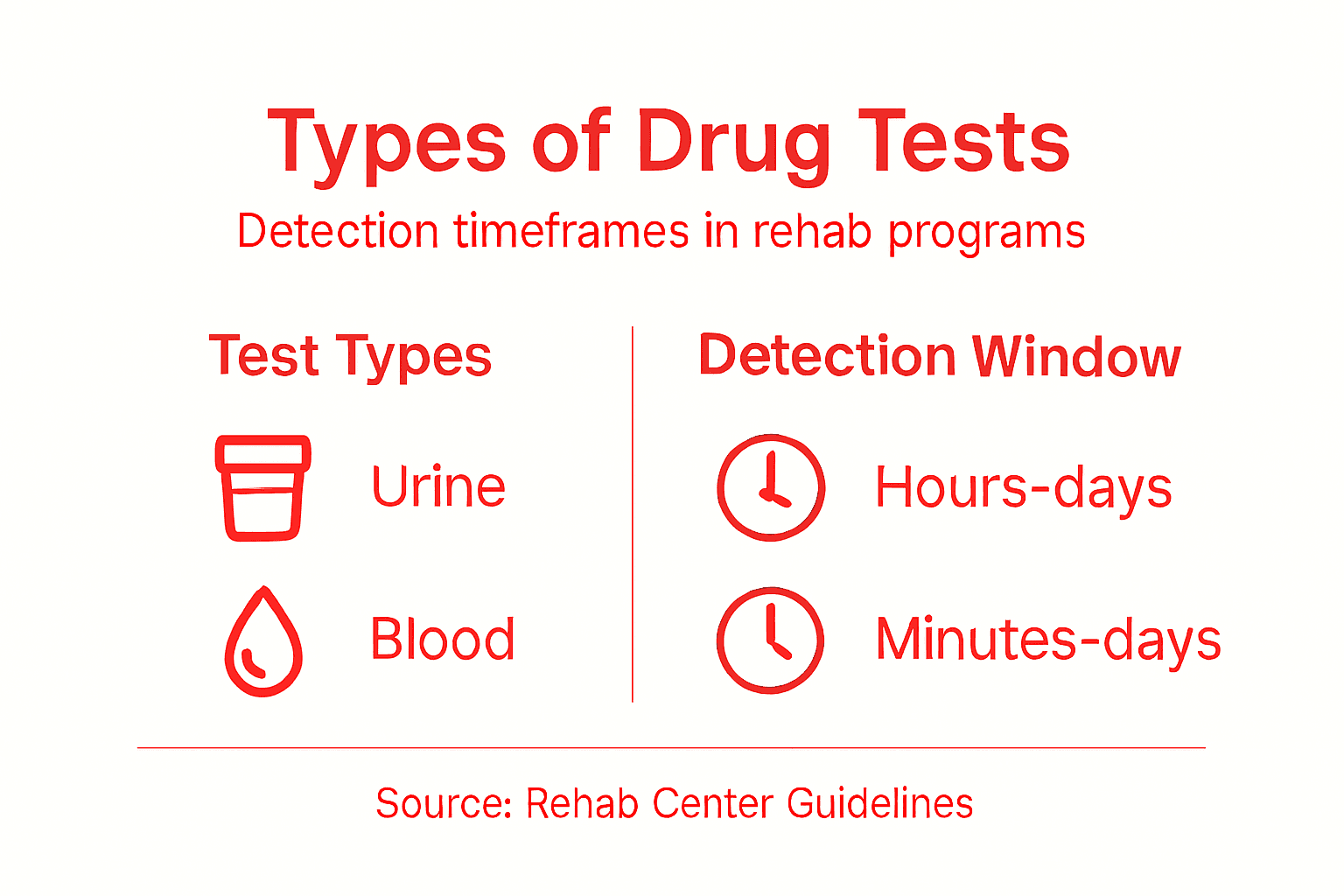
Here’s a quick comparison of drug test types used in rehabilitation:
| Test Type | Detection Period | Key Benefits | Limitations |
|---|---|---|---|
| Urine Test | 2-5 days | Non-invasive, rapid results | Short window, manipulation risk |
| Blood Test | 24-48 hours | High accuracy, current use | Invasive, costly |
| Hair Follicle Test | Up to 90 days | Long history, tamper-proof | Slow results, expensive |
| Saliva Test | 24-72 hours | Quick, easy to administer | Limited detection for some drugs |
| Sweat Patch Test | Continuous (days-weeks) | Ongoing monitoring | Skin irritation risk |
- Urine Tests: 2-5 days for most substances
- Blood Tests: 24-48 hours of recent use
- Hair Follicle Tests: Up to 90 days of historical drug use
- Saliva Tests: 24-72 hours detection period
Advanced Testing Considerations
Clinical guidelines from addiction medicine professionals emphasize that drug testing approaches should be tailored to individual treatment needs. Confirmatory testing remains critical to validate initial screening results, ensuring accuracy and preventing false positives.
Effective drug testing in rehabilitation requires a comprehensive approach that balances detection accuracy with patient privacy and treatment goals.
Pro tip: Select drug testing methods based on specific treatment objectives, understanding each test’s unique strengths and limitations.
How Drug Testing Supports Recovery Progress
Drug testing plays a critical role in supporting patient recovery by providing objective, measurable insights into treatment progress. Drug testing methodologies offer clinicians essential tools for monitoring patient adherence and detecting potential relapse risks early in the rehabilitation process.
The key ways drug testing supports recovery include:
- Establishing accountability for patients
- Providing transparent treatment tracking
- Enabling personalized intervention strategies
- Supporting ongoing clinical assessment
- Motivating positive behavioral changes
Tracking Treatment Progress
By offering real-time insights into substance use, drug tests help treatment providers make informed decisions about patient care. These screenings create a structured environment that encourages patients to maintain sobriety and engage actively in their recovery journey. Consistent testing demonstrates a commitment to the patient’s long-term health and provides a concrete mechanism for measuring treatment effectiveness.
Recovery Monitoring Strategies
- Regular scheduled testing
- Random screening protocols
- Gradual reduction of testing frequency
- Collaborative interpretation of results
Patient Engagement and Trust
Clinical guidelines emphasize that drug testing approaches should foster transparency and build trust between patients and healthcare providers. When implemented compassionately, drug testing becomes a supportive tool that reinforces treatment goals rather than a punitive measure.
Drug testing is most effective when viewed as a collaborative process that supports patient recovery, not as a mechanism for punishment.
Pro tip: Approach drug testing as a supportive strategy that provides insights and opportunities for personalized care, not as a purely surveillance mechanism.
Legal and Regulatory Standards in Rehab Testing
Drug testing in rehabilitation settings operates within a complex legal framework designed to protect patient rights while supporting effective treatment. Drug testing regulations involve multiple federal agencies that establish comprehensive guidelines for ethical and legal implementation of screening protocols.
Key legal considerations in rehabilitation drug testing include:
- Obtaining informed patient consent
- Protecting patient confidentiality
- Ensuring privacy rights
- Maintaining medical record standards
- Following ethical testing procedures
Federal Regulatory Oversight
Multiple government agencies play crucial roles in establishing and enforcing drug testing standards. The Substance Abuse and Mental Health Services Administration (SAMHSA), Food and Drug Administration (FDA), and Department of Health and Human Services (HHS) collaborate to create comprehensive guidelines that balance patient protection with treatment effectiveness.
Compliance Requirements
- Obtain written patient consent
- Follow HIPAA privacy regulations
- Maintain strict confidentiality protocols
- Use approved testing methodologies
- Document testing procedures transparently
Patient Rights and Protections
Rehabilitation centers must navigate a nuanced legal landscape that prioritizes patient dignity. This involves implementing drug testing as a collaborative treatment tool rather than a punitive mechanism. The goal is to support recovery while respecting individual privacy and autonomy.
The table below summarizes essential legal safeguards in rehab drug testing:
| Legal Safeguard | Purpose | Impact on Patient Care |
|---|---|---|
| Informed Consent | Ensures patient agreement | Builds trust and transparency |
| HIPAA Compliance | Protects health data | Preserves privacy |
| Approved Methods | Ensures accurate results | Reduces risk of false reports |
| Confidentiality | Secures test outcomes | Supports patient dignity |
Legal compliance in drug testing is not just about following rules, but about creating a supportive environment that promotes patient trust and treatment success.
Pro tip: Develop comprehensive written protocols that clearly outline drug testing procedures, ensuring transparency and patient understanding.
Patient Rights, Compliance, and Common Challenges
Navigating patient rights during drug testing requires a delicate balance between treatment accountability and individual privacy. Rehabilitation drug testing policies must prioritize transparency, respect, and patient understanding to maintain trust and support recovery efforts.
Key patient rights in drug testing include:
- Right to informed consent
- Confidentiality of test results
- Understanding testing procedures
- Non-discriminatory testing practices
- Clear explanation of potential consequences
Fundamental Patient Protections
Rehabilitation centers must establish clear communication about drug testing protocols. This involves providing detailed information about why testing occurs, how results will be used, and the potential implications for treatment progression. Patients should feel empowered, not threatened, by these screening processes.
Common Compliance Challenges
- Managing patient anxiety about testing
- Addressing potential false test results
- Maintaining patient engagement
- Balancing monitoring with respect for privacy
- Ensuring consistent testing protocols
Ethical Implementation Strategies
Successful drug testing in rehabilitation settings requires more than just following technical procedures. It demands a compassionate approach that views testing as a supportive tool for recovery rather than a punitive mechanism. Facilities must create an environment of trust where patients feel their dignity is preserved.
Drug testing should be a collaborative process that supports patient recovery, not a mechanism for punishment or shame.
Pro tip: Develop comprehensive, written testing protocols that are transparent, respectful, and clearly communicated to patients during initial intake.
Strengthen Your Rehab Drug Testing with Reliable Supplies
The article highlights the crucial role of drug testing in rehabilitation programs to ensure compliance, support recovery progress, and uphold patient rights. Treatment centers face challenges like maintaining accuracy, meeting legal standards, and providing transparent patient care. With frequent testing methods such as urine, saliva, and hair follicle tests, securing high-quality, FDA-approved supplies is essential to achieve these goals confidently and ethically.
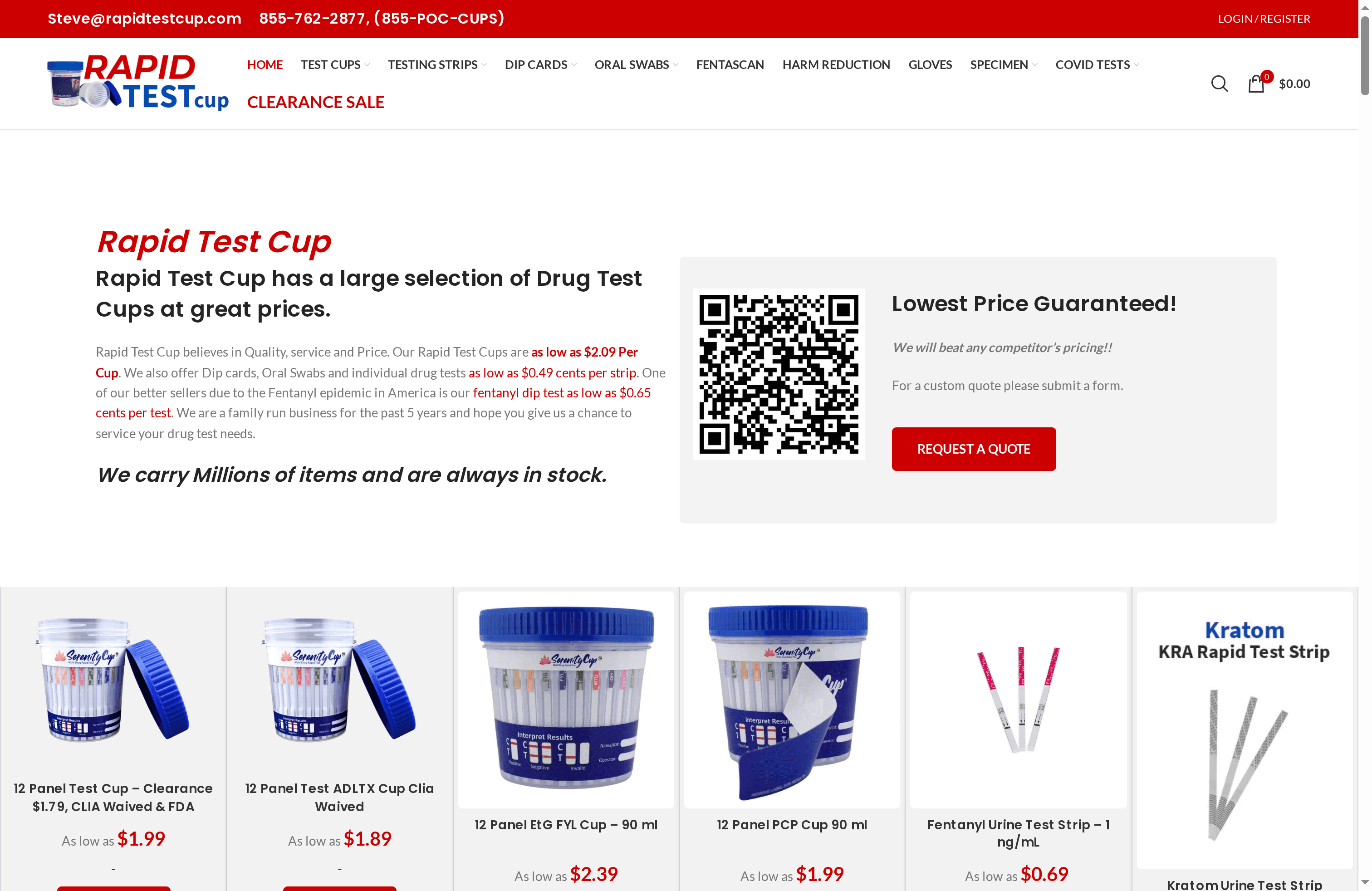
Empower your rehab facility with professional-grade drug testing products from RapidTestCup that combine reliability and affordability. Our extensive catalog includes urine test cups, dip cards, and specimen collection accessories designed to support strict compliance and timely monitoring. Act now to equip your team with trusted tools that foster patient accountability and improve treatment outcomes. Browse our selection today at https://rapidtestcup.com and discover how easy it is to integrate top-tier drug testing solutions into your recovery programs.
Frequently Asked Questions
What is the purpose of drug testing in rehabilitation?
Drug testing in rehabilitation serves to monitor patient abstinence, track treatment effectiveness, identify relapse risks, and provide accountability, ultimately supporting personalized treatment strategies.
What types of drug tests are commonly used in rehab centers?
Common drug tests used in rehabilitation include urine tests, blood tests, hair follicle tests, saliva tests, and sweat patch tests, each with unique detection windows and characteristics.
How often should drug testing occur during rehabilitation?
Drug testing frequency can vary based on individual treatment needs, with strategies including regular scheduled testing, random screening, and gradual reduction of test frequency as patients progress in their recovery.
What patient rights should be upheld during drug testing in rehab?
Patients have the right to informed consent, confidentiality of test results, understanding of testing procedures, non-discriminatory practices, and a clear explanation of any potential consequences related to drug testing.