Blog
Urine Drug Testing: Impact on Safety and Compliance


Over 55 million urine drug tests are performed each year across American workplaces and healthcare facilities. With safety and trust on the line, understanding the true effectiveness of urine drug testing is vital. Misconceptions often lead people to believe these tests are foolproof or easy to outsmart, yet science and regulations paint a much more complex picture. This overview breaks down how modern American drug screening works and reveals what you need to know among common myths and realities.
Table of Contents
- Urine Drug Testing Explained And Common Myths
- Types Of Tests And Detection Windows
- How Urine Drug Testing Is Performed
- Legal And Regulatory Requirements For Testing
- Risks, Limitations, And Best Practices
Key Takeaways
| Point | Details |
|---|---|
| Understanding Test Limitations | Urine drug testing is not 100% accurate and can yield false positives due to various factors. Confirmatory testing is essential to validate initial results. |
| Detection Windows Vary | Different substances have unique detection timelines influenced by factors like usage frequency and individual metabolism. Awareness of these windows is crucial for accurate interpretation. |
| Chain of Custody is Essential | Strict protocols must be followed during sample collection to preserve legal integrity and avoid tampering. This includes monitored environments and proper documentation. |
| Regulatory Compliance | Organizations must understand and adhere to legal requirements governing drug testing to protect individual rights and ensure workplace safety. Regular review of policies is recommended. |
Urine Drug Testing Explained and Common Myths
Urine drug testing serves as a critical screening method used across multiple professional and personal settings to detect the presence of various substances. From workplace safety protocols to healthcare monitoring, these tests provide valuable insights into an individual’s potential substance use. While often misunderstood, urine drug tests represent a sophisticated diagnostic tool with nuanced capabilities and limitations.
The fundamental process involves analyzing an individual’s urine sample to identify traces of specific drugs or their metabolites. Modern testing techniques can detect substances like marijuana, cocaine, opioids, amphetamines, and prescription medications with remarkable precision. However, contrary to popular belief, drug test accuracy depends on multiple technical factors such as testing methodology, detection windows, and potential interference from other substances.
Several common myths persist about urine drug testing that can mislead individuals. One prevalent misconception is that these tests are 100% foolproof. In reality, no single screening method guarantees absolute accuracy. False positives can occur due to cross-reactivity with medications, dietary supplements, or other biological variables. Some people mistakenly believe they can easily manipulate test results, but modern multi panel drug test technologies have sophisticated adulterant detection mechanisms that can identify tampering attempts.
Pro Tip – Reliable Testing: Always confirm initial screening results with a secondary, more precise testing method like gas chromatography-mass spectrometry to ensure maximum accuracy and minimize potential errors.
Important considerations for effective urine drug testing include understanding detection timeframes, recognizing test limitations, and maintaining proper chain of custody procedures. Different drugs remain detectable for varying periods – from hours to weeks – depending on factors like frequency of use, metabolism, and individual physiological characteristics.
Pro Tip – Professional Screening: When implementing workplace or medical drug testing programs, consult legal professionals to ensure compliance with relevant regulations and protect individual privacy rights.
Types of Tests and Detection Windows
Urine drug testing encompasses several sophisticated methodologies designed to detect and identify various substances with precision and reliability. Different testing approaches offer unique capabilities that enable comprehensive screening across professional and medical contexts. Understanding these methods is crucial for interpreting test results accurately and making informed decisions.
The primary categories of urine drug tests include immunoassay screening, gas chromatography-mass spectrometry (GC-MS), and more advanced confirmatory techniques. Immunoassays provide rapid initial screening, detecting the presence of specific drug classes through antibody reactions. Gas chromatography offers more precise identification, separating and analyzing individual chemical compounds with exceptional accuracy. These methods can detect a wide range of substances, including marijuana, cocaine, opioids, amphetamines, and prescription medications.
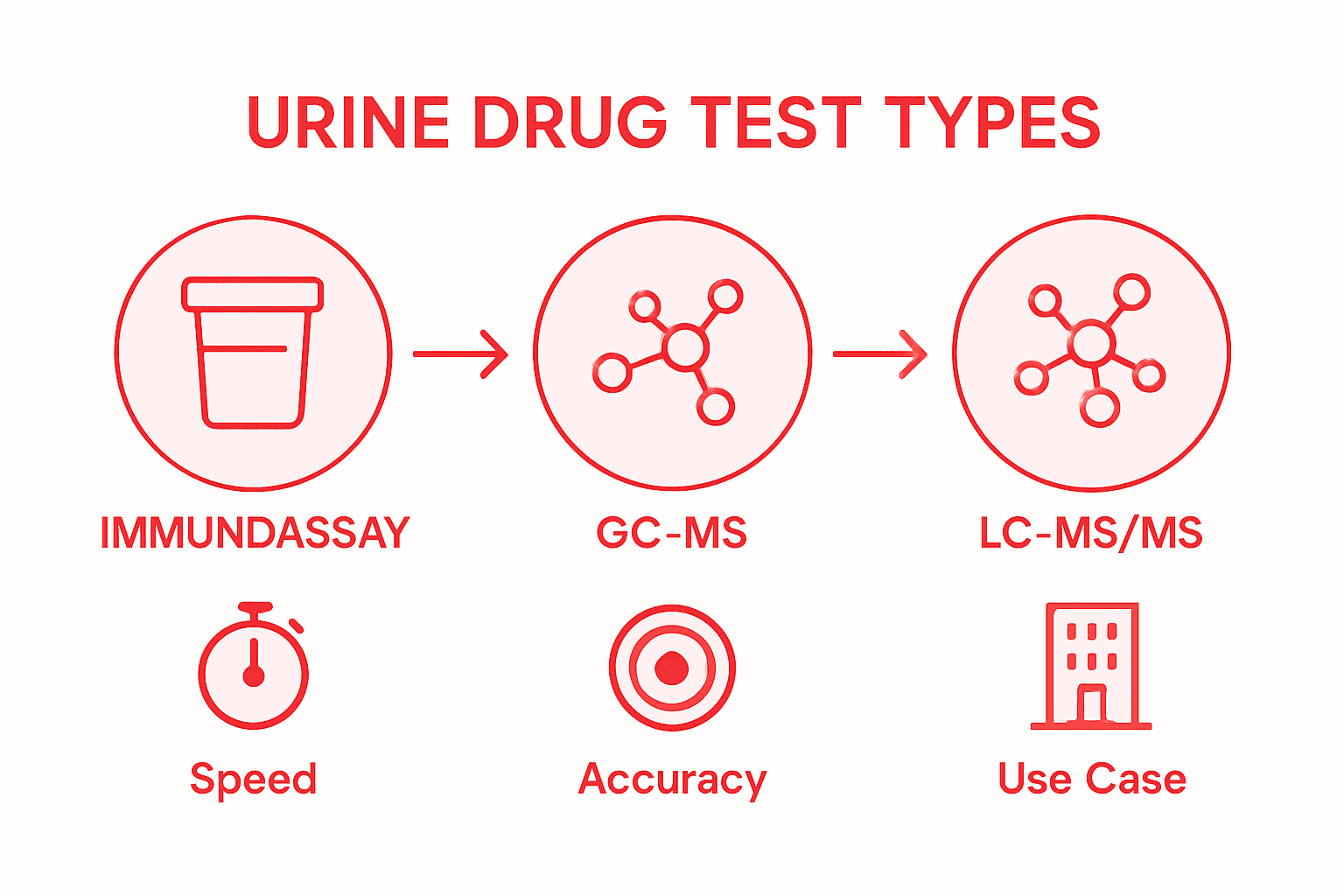
Detection windows vary significantly depending on multiple factors such as substance type, frequency of use, metabolism, and individual physiological characteristics. For instance, urine testing remains the most common drug screening matrix due to its balance between detection capability and non-invasive collection. Marijuana can be detected from 3-30 days after use, while cocaine typically remains traceable for 2-4 days. Opioids have shorter detection windows ranging from 1-3 days, though chronic use can extend this period.
Here’s a summary of detection windows for common drugs tested:
| Drug Type | Typical Detection Window | Influencing Factors |
|---|---|---|
| Marijuana | 3-30 days | Frequency of use, body fat |
| Cocaine | 2-4 days | Metabolism rate, usage pattern |
| Opioids | 1-3 days | Prescription vs. illegal use |
| Amphetamines | 1-4 days | Hydration, metabolic speed |
| Prescription Meds | 1-7 days | Dosage, metabolism, other drugs |
The comprehensive guide to drug test types reveals that modern testing panels can simultaneously screen for multiple substances, enhancing efficiency and accuracy. Advanced multi-panel tests can detect up to 10-12 different drug classes in a single screening, providing a comprehensive overview of potential substance use.
Pro Tip – Strategic Screening: Always select a drug testing method that matches your specific requirements, considering detection sensitivity, window of detection, and the particular substances most relevant to your context.
Additional considerations include understanding potential false positives, recognizing the importance of confirmatory testing, and maintaining strict chain of custody procedures to ensure result integrity. Laboratory professionals must remain vigilant about potential interfering substances and individual metabolic variations that could impact test outcomes.
Pro Tip – Professional Precision: Implement a two-step testing process combining initial screening with confirmatory analysis to maximize testing accuracy and minimize potential errors.
Compare these urine drug testing methods at a glance:
| Method | Turnaround Time | Accuracy Level | Typical Use Case |
|---|---|---|---|
| Immunoassay Screening | Minutes to hours | Moderate | Initial workplace screening |
| Gas Chromatography (GC-MS) | 1-3 days | High (confirmatory) | Laboratory confirmation |
| Multi-panel Rapid Test | Minutes | Varies by substance | Medical or home screening |
How Urine Drug Testing is Performed
Urine drug testing is a comprehensive process involving multiple critical stages designed to detect and verify the presence of various substances. The systematic approach to drug screening begins with careful sample collection and progresses through sophisticated analytical techniques that ensure accurate and reliable results.
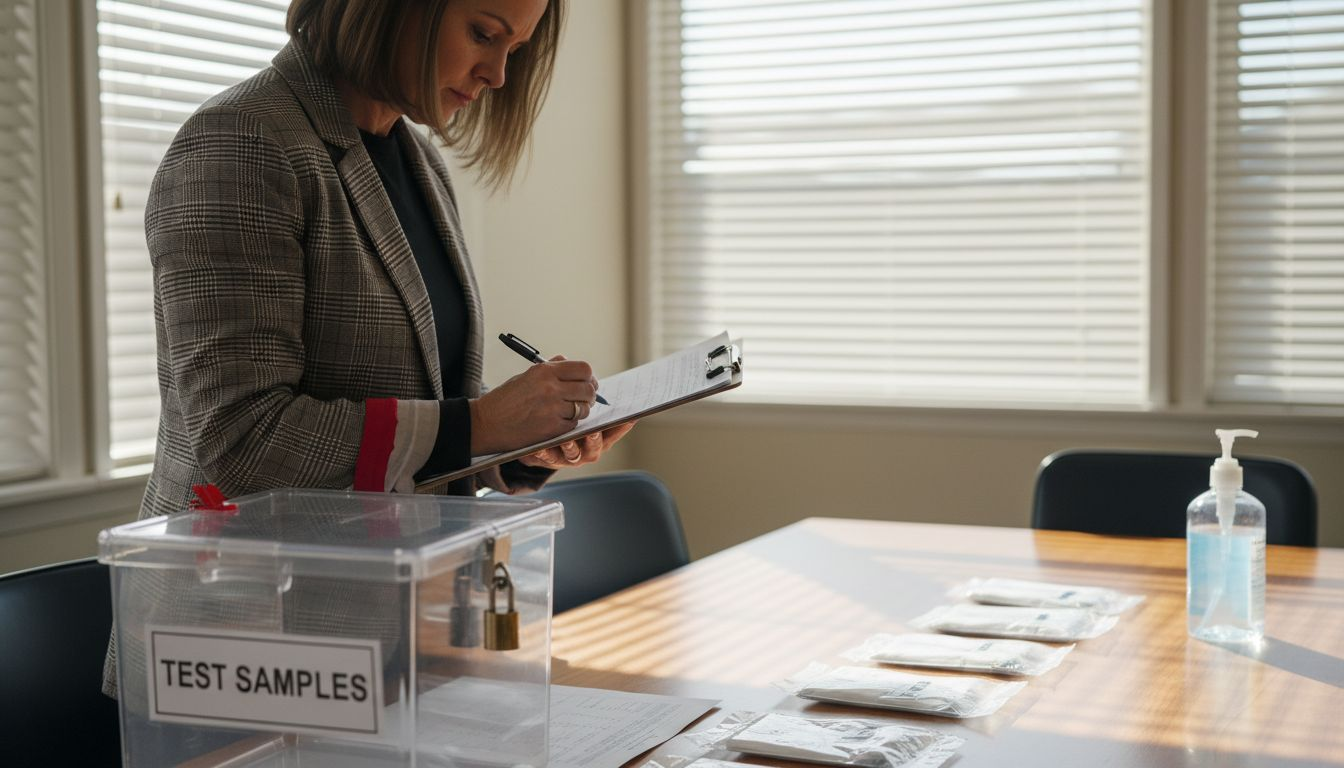
The initial stage involves controlled specimen collection, which requires strict protocols to prevent tampering or contamination. Individuals providing samples typically do so in a monitored environment, following specific guidelines that include removing personal belongings, avoiding water sources, and using sealed collection containers. Laboratory technicians carefully document the collection process, maintaining a clear chain of custody that preserves the integrity of the sample from collection through analysis.
Screening methodologies in drug testing typically involve two primary techniques: immunoassay screening and confirmatory testing. Immunoassays provide rapid initial screening, using antibody reactions to detect the presence of specific drug classes. This method offers quick results but can occasionally produce false positives. When initial screening indicates potential drug presence, laboratories employ more precise confirmatory techniques like gas chromatography-mass spectrometry (GC-MS), which can definitively identify specific substances and their concentrations.
Modern urine drug testing can be adapted for various contexts, from workplace screening to medical monitoring. Random drug testing workflows have become increasingly sophisticated, allowing organizations to implement comprehensive screening programs that balance thoroughness with individual privacy considerations.
Pro Tip – Sample Integrity: Always follow strict chain of custody procedures and use tamper-evident collection kits to maintain the legal and scientific validity of drug test specimens.
The complexity of urine drug testing requires ongoing training and adherence to strict scientific protocols. Laboratories must continuously update their methodologies to address emerging substances, improve detection accuracy, and maintain compliance with evolving regulatory standards.
Pro Tip – Professional Standards: Regularly review and update drug testing protocols to ensure alignment with the latest scientific guidelines and legal requirements.
Legal and Regulatory Requirements for Testing
Drug testing regulations represent a complex landscape of legal requirements designed to balance workplace safety, individual privacy, and organizational accountability. Comprehensive legal frameworks govern the accuracy and implementation of drug screening processes, establishing critical standards for how testing can be conducted across various professional and institutional settings.
Federal and state regulations impose strict guidelines on drug testing procedures, addressing key aspects such as consent, sample collection, testing methodologies, and result interpretation. Employers must navigate a nuanced legal environment that requires balancing safety concerns with employee privacy rights. Legal standards mandate specific protocols to ensure testing reliability and protect individuals from arbitrary or discriminatory screening practices.
Key regulatory considerations include obtaining informed consent, maintaining confidentiality of test results, and ensuring scientifically validated testing methodologies. Different sectors have unique requirements – transportation, healthcare, and safety-critical industries often have more stringent testing protocols. Workplace drug testing guidelines must carefully align with regulations like the Americans with Disabilities Act, which provides protections for individuals using prescribed medications.
The legal landscape of drug testing continues to evolve, particularly with changing marijuana laws and increased recognition of medical treatment considerations. Organizations must stay current with both federal and state regulations, which can vary significantly across different jurisdictions. Compliance requires ongoing education, careful policy development, and a nuanced understanding of legal boundaries.
Pro Tip – Legal Compliance: Consult with legal professionals specializing in employment law to develop drug testing policies that are both legally sound and organizationally appropriate.
Emerging technologies and changing social attitudes continue to reshape drug testing regulations. Laboratories and organizations must remain adaptable, implementing testing protocols that balance scientific accuracy, legal compliance, and respect for individual rights.
Pro Tip – Regulatory Vigilance: Regularly review and update drug testing policies to ensure alignment with the most recent legal standards and technological advancements.
Risks, Limitations, and Best Practices
Urine drug testing presents a complex landscape of potential challenges and critical considerations that require sophisticated understanding. Comprehensive analysis reveals multiple factors influencing test reliability and accuracy, necessitating a nuanced approach to interpretation and implementation.
Key risks associated with drug testing include potential false positives, sample contamination, and physiological variations that can significantly impact results. Biological factors such as individual metabolism, hydration levels, and medication interactions can produce misleading outcomes. Some prescription medications, dietary supplements, and even certain foods can trigger unexpected test results, creating potential legal and professional complications for individuals undergoing screening.
Best practices for mitigating testing risks involve implementing multi-stage verification processes and maintaining strict scientific protocols. Laboratories must utilize confirmatory testing methods like gas chromatography-mass spectrometry to validate initial screening results. Understanding the intricacies of drug test panel selection becomes crucial for organizations seeking comprehensive and accurate screening approaches.
Technical limitations extend beyond biological variables. Environmental conditions, sample handling procedures, and equipment calibration can all introduce potential errors. Professionals must recognize that no single testing method provides absolute certainty, requiring ongoing training, technological updates, and a commitment to continuous improvement in screening methodologies.
Pro Tip – Scientific Rigor: Always implement a two-step verification process, using initial screening followed by confirmatory testing to maximize result accuracy and minimize potential errors.
The evolving landscape of drug testing demands continuous adaptation. Emerging technologies, changing legal frameworks, and increasing understanding of human physiology require organizations to remain flexible and scientifically informed.
Pro Tip – Continuous Learning: Regularly update testing protocols and invest in staff training to stay current with the latest scientific advancements in drug screening technologies.
Enhance Safety and Compliance with Trusted Urine Drug Testing Solutions
Understanding the critical role of urine drug testing in maintaining safety and compliance is just the first step. Organizations and individuals face challenges like ensuring test accuracy, preventing sample tampering, and strict adherence to legal regulations. With concerns about false positives and the need for reliable multi-panel test options, finding high-quality, FDA-approved testing kits is essential to protect safety and privacy.
At RapidTestCup, we provide a comprehensive selection of drug test cups, urine test strips, and collection supplies designed to meet your exact needs. Our products include advanced adulterant detection features and cover a wide range of substances, supporting both initial screenings and confirmatory testing standards discussed in the article. We emphasize affordability, quick shipping, and compliance so you can confidently implement accurate urine drug testing protocols.
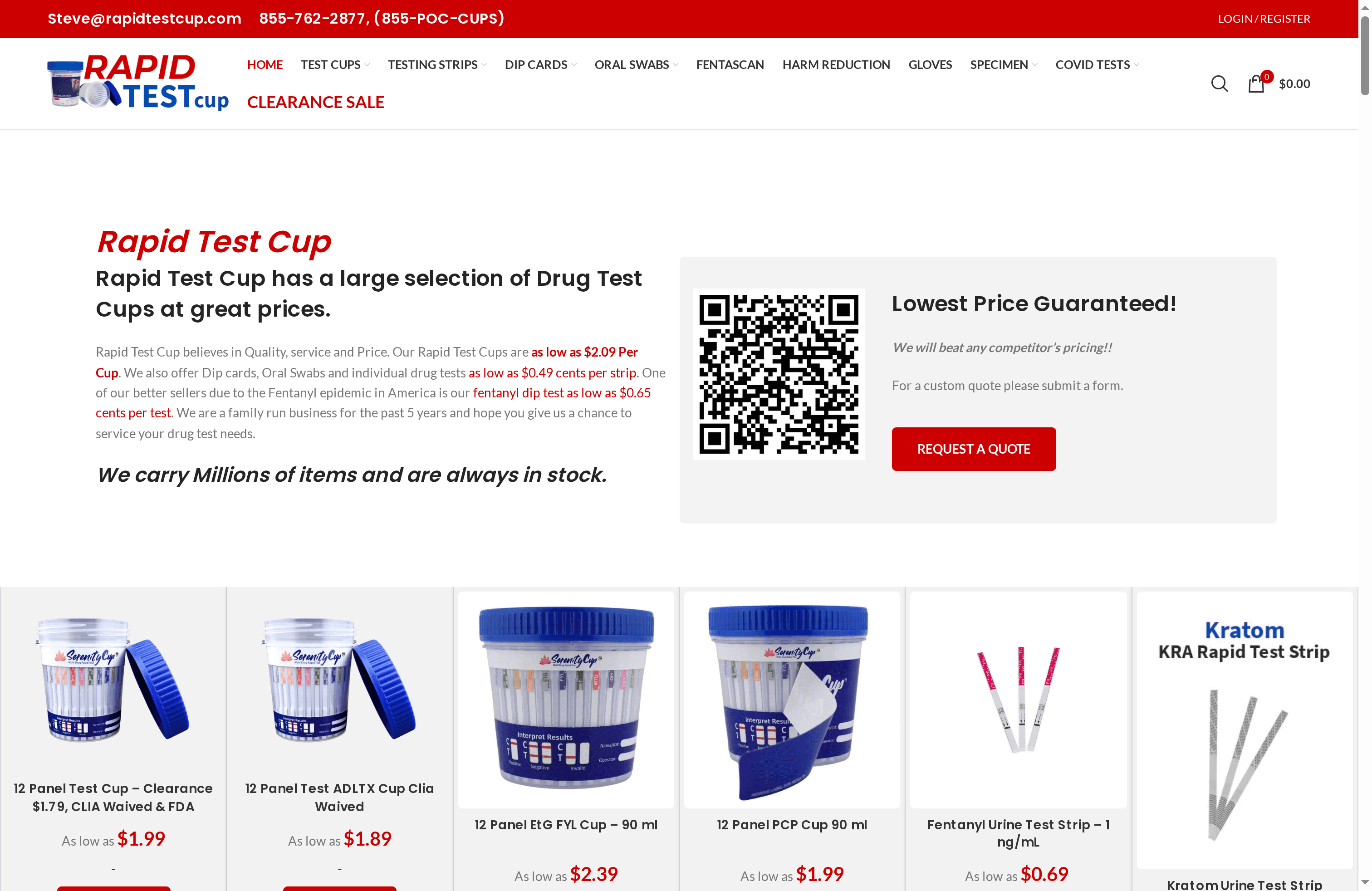
Take the next step toward effective and compliant drug testing today by exploring our diverse drug testing products specifically tailored for workplaces, clinics, and forensic use. Don’t compromise on safety or accuracy. Visit RapidTestCup now to secure high-quality supplies that streamline your screening process with trusted reliability.
Frequently Asked Questions
What is urine drug testing used for?
Urine drug testing is commonly used for various purposes, including workplace safety protocols, healthcare monitoring, and assessing substance use in personal contexts. It helps detect the presence of substances like marijuana, cocaine, opioids, and amphetamines.
How accurate are urine drug tests?
The accuracy of urine drug tests depends on multiple factors, including testing methodology and the presence of interfering substances. While modern tests are quite reliable, no screening method is 100% foolproof and false positives can happen.
How long do drugs remain detectable in urine?
The detection window for drugs in urine varies significantly based on the substance, frequency of use, and individual metabolism. For example, marijuana can be detected for 3-30 days, while cocaine is typically detectable for 2-4 days.
What steps can organizations take to ensure compliant urine drug testing?
Organizations should implement clear drug testing policies that comply with legal regulations, ensure informed consent, maintain strict chain of custody, and utilize reliable testing methods. Regular consultations with legal professionals can also support compliance efforts.