Blog
Cup vs Dip Card Drug Tests: Key Differences Explained


Choosing the most practical and reliable drug testing method can challenge even experienced coordinators, especially when patient safety and program integrity are on the line. The differences between cup and dip card drug tests affect everything from cost and workflow to compliance with American regulations. This guide breaks down cup and dip card testing workflows so you can confidently select the approach that best fits your substance abuse treatment center’s protocols and budget.
Table of Contents
- Defining Cup and Dip Card Drug Tests
- How Testing Procedures Differ in Practice
- Comparing Accuracy and Detection Capabilities
- Compliance, Workflow, and Cost Implications
- Choosing the Right Test for Your Program
Key Takeaways
| Point | Details |
|---|---|
| Importance of Drug Testing | Drug testing is essential for monitoring substance use in professional and medical settings. It serves critical purposes in addiction treatment, workplace screening, and compliance tracking. |
| Cup vs. Dip Card Tests | Cup drug tests allow for integrated collection and screening, providing immediate results and lower contamination risk. Dip card tests require separate collection, offering flexibility but demanding more handling. |
| Cost and Workflow Considerations | Cup tests often reduce overall costs and streamline workflows due to fewer handling steps than dip card tests. Organizations should evaluate their specific needs to select an appropriate method. |
| Selection Criteria for Testing Methods | Choosing the right drug testing method involves assessing detection sensitivity, regulatory compliance needs, financial resources, and workflow efficiency to tailor to specific program requirements. |
Defining Cup and Dip Card Drug Tests
Drug testing has become an essential tool for monitoring substance use in various professional and medical settings. Urine drug testing methodologies provide rapid screening techniques that help healthcare professionals and administrators detect potential drug misuse quickly and accurately.
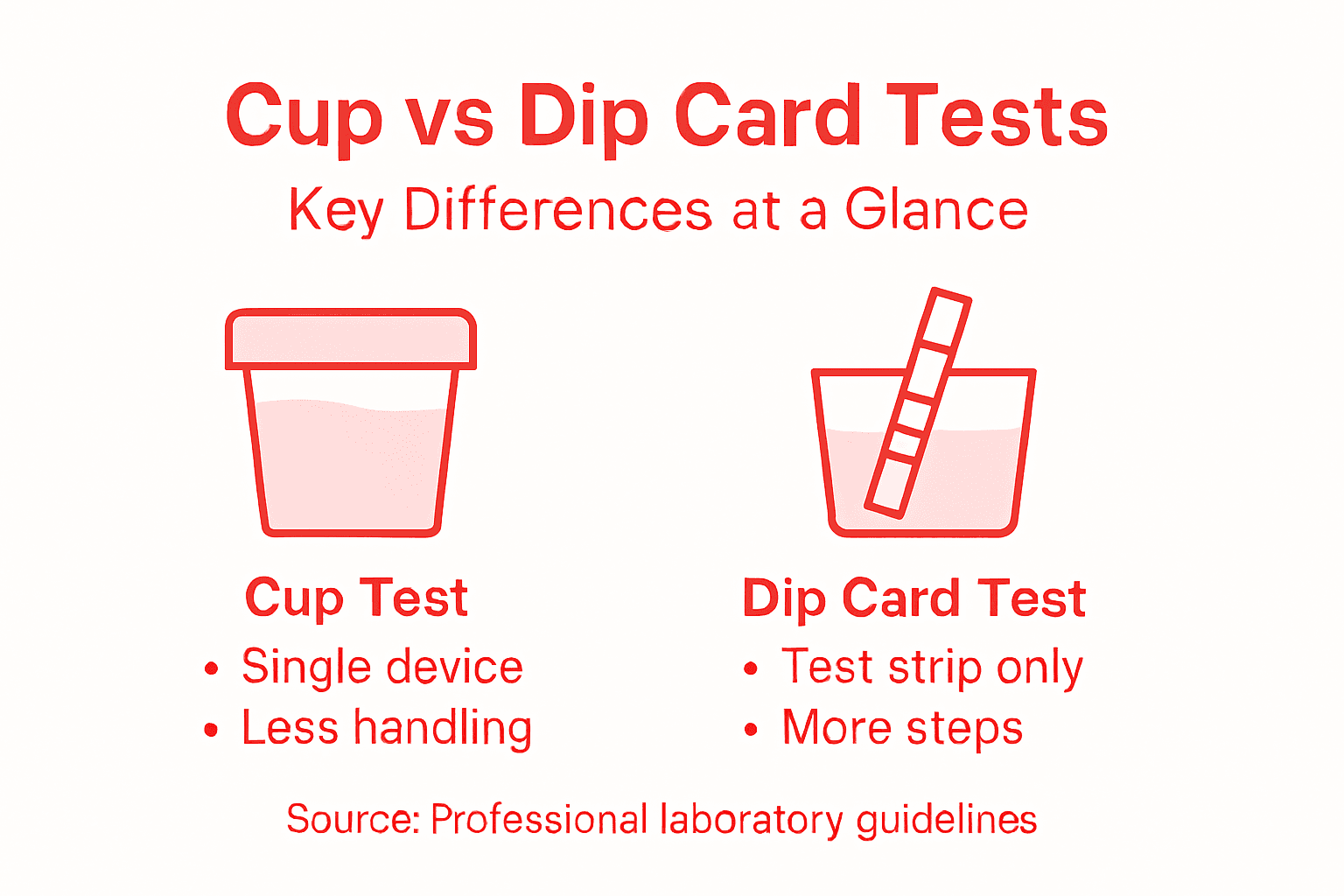
Cup Drug Tests represent an integrated testing approach where the collection container itself includes built-in testing panels. These devices allow for immediate, on-site screening with minimal additional equipment. Key features include:
- Single-step collection and screening process
- Immediate visual results
- Reduced handling of biological specimens
- Minimal training required for administrators
Dip Card Drug Tests, by contrast, require a separate urine collection step followed by carefully dipping a specialized reagent card into the sample. This method offers slightly more flexibility but demands more precise handling techniques.
Cup and dip card drug tests share the fundamental goal of detecting drug metabolites in urine samples, providing quick insights into potential substance use.
Differences in Testing Process:
- Collection method
- Screening mechanism
- Result interpretation
- Equipment requirements
Both testing methods serve critical monitoring purposes in addiction treatment, workplace screening, and medical compliance tracking. The choice between cup and dip card tests often depends on specific institutional protocols, budget constraints, and desired testing complexity.
Here is a side-by-side comparison of cup and dip card drug tests:
| Aspect | Cup Drug Test | Dip Card Drug Test |
|---|---|---|
| Collection and Screening | Integrated, single device | Separate collection and analysis |
| Result Turnaround Time | Immediate, visual in minutes | Slight delay for dipping process |
| Cross-Contamination Risk | Lower, minimal specimen handling | Higher, more handling steps |
| Training Requirements | Minimal, simple to administer | Moderate, requires careful steps |
| Suitability | High-throughput environments | Flexible, lower volume settings |
Pro tip: Always verify the specific detection panels and sensitivity levels of your chosen drug testing method to ensure comprehensive screening.
How Testing Procedures Differ in Practice
The practical implementation of drug testing reveals significant differences between cup and dip card methodologies. Drug testing workflow variations demonstrate unique approaches to specimen collection and analysis that impact overall testing efficiency.
Cup Drug Test Procedures streamline the testing process by integrating collection and screening into a single device. Key procedural characteristics include:
- Immediate in-container testing
- Reduced sample handling steps
- Minimal potential for cross-contamination
- Quick visual result interpretation
Dip Card Drug Test Procedures require a more structured multi-step approach. Technicians must carefully manage separate collection and screening phases, which introduces additional complexity to the testing workflow.
The core distinction lies in how specimens are processed and analyzed, with each method offering unique advantages in different clinical and professional environments.
Practical differences in testing procedures emerge through several critical dimensions:
- Sample collection protocols
- Handling and contamination risks
- Time required for result interpretation
- Equipment and training requirements
Workplace drug screening protocols emphasize the importance of standardized procedures, recognizing that the chosen testing method can significantly impact result reliability and efficiency. Laboratories and testing facilities must carefully evaluate their specific needs when selecting between cup and dip card approaches.

Pro tip: Always validate your drug testing method’s sensitivity and specificity through regular quality control assessments to ensure consistent, accurate results.
Comparing Accuracy and Detection Capabilities
Urine drug screening assays demonstrate complex challenges in detecting drug metabolites across different testing methodologies. Cup and dip card drug tests share fundamental immunoassay technologies but exhibit nuanced differences in accuracy and detection performance.
Detection Sensitivity varies significantly between cup and dip card approaches. Key accuracy considerations include:
- Immunoassay cross-reactivity levels
- Specific drug panel configurations
- Detection threshold variations
- Potential for false positive/negative results
Immunoassay Limitations impact both testing methods. Cup and dip card tests provide qualitative screening that requires confirmatory laboratory testing for definitive results. These initial screening tools offer rapid insights but cannot be considered conclusive diagnostic techniques.
Initial drug screening methods are screening tools, not definitive diagnostic instruments – confirmatory testing remains critical for accurate interpretation.
Precision factors that influence detection capabilities include:
- Specific immunoassay design
- Drug metabolite concentration thresholds
- Potential chemical interference
- Sample collection and handling procedures
Drug screening performance depends on multiple complex variables beyond the testing device itself. Laboratories must consider technological limitations and implement robust verification protocols to ensure reliable outcomes.
Pro tip: Always complement initial screening results with confirmatory gas chromatography or mass spectrometry testing to validate drug screening findings.
Compliance, Workflow, and Cost Implications
Workplace drug testing protocols reveal complex considerations when selecting between cup and dip card testing methodologies. Organizations must carefully evaluate workflow efficiency, regulatory compliance, and financial implications of their chosen drug screening approach.
Workflow Efficiency varies significantly between testing methods. Key operational considerations include:
- Specimen handling complexity
- Staff training requirements
- Time needed for result processing
- Potential chain-of-custody interruptions
Cost Factors play a critical role in method selection. Cup tests often present more streamlined financial models by reducing consumable expenses and minimizing labor-intensive steps. Dip card tests, while potentially cheaper per unit, can incur higher indirect costs through increased processing time and training needs.
Integrated collection and testing solutions can dramatically reduce operational complexity and associated compliance risks.
Compliance considerations encompass multiple critical dimensions:
- Regulatory documentation requirements
- Specimen integrity preservation
- Personnel training standards
- Quality assurance protocols
Drug testing workflow optimization demands a holistic approach that balances technological capabilities with organizational constraints. Successful implementation requires careful assessment of institutional needs and available resources.
Pro tip: Conduct a comprehensive cost-benefit analysis comparing direct and indirect expenses associated with different drug testing methodologies before final selection.
Choosing the Right Test for Your Program
Clinical drug testing guidelines emphasize the critical importance of selecting appropriate screening methodologies tailored to specific program requirements. Substance abuse treatment centers and workplace testing programs must carefully evaluate multiple factors when determining the most suitable drug testing approach.
Selection Criteria for drug testing methods involve comprehensive assessment across several key dimensions:
- Programmatic objectives
- Available financial resources
- Regulatory compliance requirements
- Desired detection sensitivity
- Staff training capabilities
- Workflow integration potential
Institutional Context plays a pivotal role in test selection. Different organizational environments demand unique approaches to drug screening, with cup and dip card tests offering distinct advantages depending on specific implementation scenarios.
No single drug testing method represents a universal solution – the optimal approach depends on nuanced programmatic needs and operational constraints.
Critical decision-making factors include:
- Immediate result requirements
- Budget limitations
- Specimen handling protocols
- Confirmatory testing capabilities
- Legal and regulatory mandates
Workplace drug testing strategies require comprehensive evaluation of technological capabilities and organizational constraints. Successful implementation demands a holistic approach that balances screening efficiency with practical operational considerations.
The following table summarizes key decision factors when choosing a drug testing method:
| Decision Factor | Why It Matters | Example Impact |
|---|---|---|
| Detection Sensitivity | Affects scope of substances detected | May miss infrequent drug use |
| Workflow Integration | Influences efficiency and error rates | Faster processing for clinics |
| Cost Structure | Direct and indirect expense implications | Labor reduces total cost |
| Regulatory Compliance | Ensures legal and accreditation status | Meets federal standards |
Pro tip: Develop a comprehensive assessment matrix comparing cup and dip card testing methods across multiple performance dimensions before making a final selection.
Discover the Ideal Drug Testing Solution for Your Program
Choosing between cup and dip card drug tests can feel overwhelming given the important differences in collection processes, accuracy, and workflow efficiency outlined in the article. Whether your priority is reducing cross-contamination risks, ensuring quick visual results, or balancing cost with compliance, understanding these factors is key to effective drug screening.
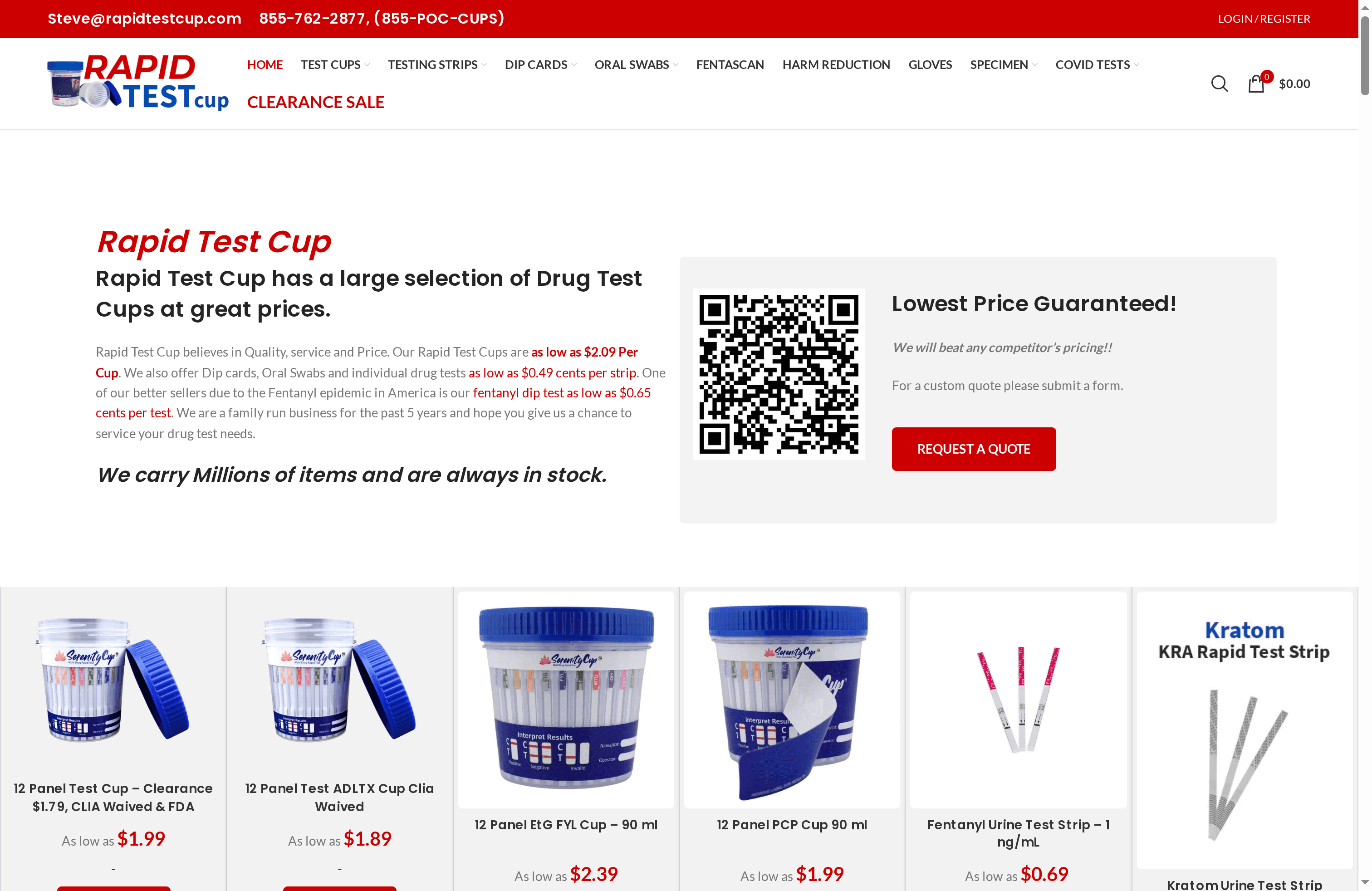
Explore a wide selection of FDA-approved, CLIA-waived drug test cups and dip cards tailored to meet professional, forensic, and clinical needs at RapidTestCup.com. Benefit from affordable pricing, bulk discounts, and quick shipping so you can improve your testing workflow with confidence today. Start your journey to better drug testing by visiting https://rapidtestcup.com now and find the perfect testing kit that aligns with your program’s objectives, sensitivity requirements, and operational demands.
Frequently Asked Questions
What are the main differences between cup and dip card drug tests?
Cup drug tests feature an integrated collection and screening device, while dip card tests require separate specimen collection and a distinct dipping process. This results in varying levels of complexity and efficiency in testing procedures.
How quickly can I expect results from cup and dip card drug tests?
Cup drug tests typically provide immediate visual results in a matter of minutes, whereas dip card tests may involve a slight delay due to the separate handling and dipping process.
Are cup or dip card drug tests more prone to cross-contamination?
Cup drug tests have a lower risk of cross-contamination due to minimal handling of biological specimens, while dip card tests introduce a higher risk because of the additional steps involved in collection and analysis.
What factors should I consider when choosing between cup and dip card tests?
Important factors include your program’s objectives, the required detection sensitivity, available financial resources, regulatory compliance needs, and the efficiency of workflow integration.