Blog
Dip Card Drug Test: Fast, Reliable Results for Labs


Most American laboratories face mounting pressure to deliver fast, reliable drug screening for patient safety and regulatory compliance. With substance use rates climbing, efficient detection has never been more critical for healthcare practitioners. Dip card drug tests offer rapid, multi-panel results using minimal equipment, helping professionals meet strict standards while maintaining workflow. This guide breaks down the essentials of these FDA-approved tools, giving laboratory managers clear answers for effective substance abuse screening and compliance.
Table of Contents
- What Is a Dip Card Drug Test?
- Types of Dip Card Drug Tests Explained
- How Dip Card Drug Testing Works
- FDA Approval and CLIA Waived Standards
- Comparing Dip Cards to Other Drug Screens
Key Takeaways
| Point | Details |
|---|---|
| Dip Card Drug Tests | A fast, portable method for detecting multiple drugs in urine, providing preliminary screening results quickly. |
| Panel Configurations | Tests range from 5-panel to 12-panel, with broader panels detecting more substances for specific professional needs. |
| Regulatory Standards | FDA approval and CLIA waived certification ensure accuracy, reliability, and ease of use in various testing environments. |
| Comparison with Other Methods | Dip card tests offer rapid results and lower costs but may require confirmatory lab tests for definitive proof of drug use. |
What Is a Dip Card Drug Test?
A dip card drug test is a fast, portable screening method used to detect the presence of multiple drugs in human urine. These compact testing devices allow laboratories, healthcare facilities, and workplace administrators to quickly obtain preliminary drug screening results with minimal equipment and training.
The testing process involves a specially designed card containing reactive chemical strips that change color when specific drug metabolites are detected. When a urine specimen is applied to the card, these strips interact with drug compounds, producing visual indicators that signal potential substance presence. Rapid drug screening techniques have become increasingly important in medical, legal, and professional environments where substance verification is critical.
Dip card drug tests typically screen for a range of substances, including amphetamines, marijuana, cocaine, opioids, and other controlled substances. The cards are engineered to provide qualitative results, meaning they indicate whether a drug is present above a predetermined threshold concentration. While these tests offer quick initial screening, positive results often require confirmation through more sophisticated laboratory testing methods like gas chromatography or mass spectrometry.
Pro tip: Always store dip card drug tests in a cool, dry environment and check expiration dates to ensure maximum accuracy and reliability.
Types of Dip Card Drug Tests Explained
Dip card drug tests are categorized primarily by the number of substances they can detect, ranging from single-panel tests to comprehensive multi-panel screening tools. Drug screening techniques have evolved to provide increasingly sophisticated options for laboratories and healthcare professionals seeking precise substance detection.
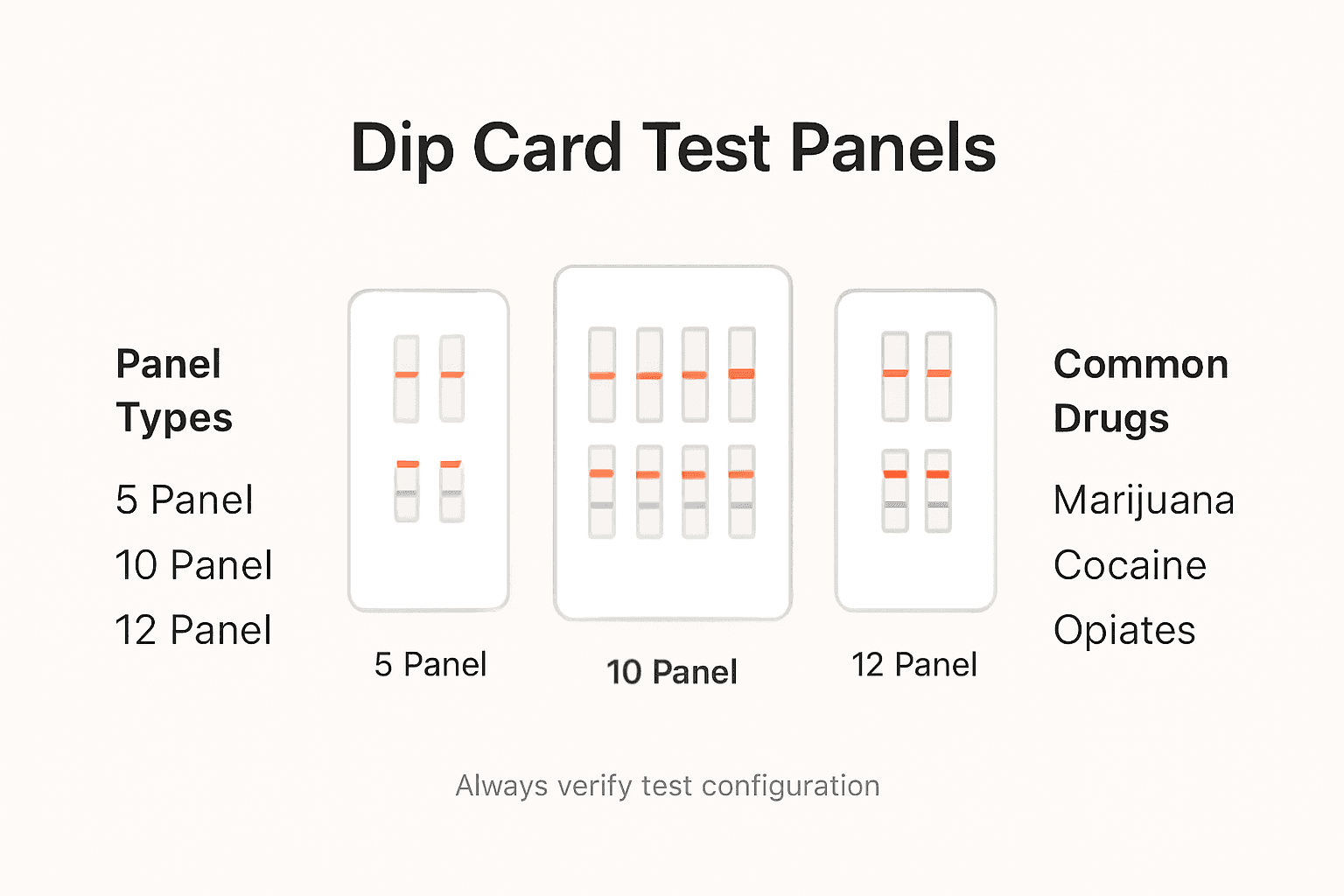
The most common dip card drug test configurations include:
- 5-Panel Tests: Screen for core substances like marijuana, cocaine, amphetamines, opioids, and phencyclidine (PCP)
- 10-Panel Tests: Expand detection to include additional drugs such as barbiturates, benzodiazepines, and methadone
- 12-Panel Tests: Offer the most comprehensive screening, adding synthetic opiates and other specialized substances
Each panel configuration serves distinct professional needs, whether for workplace screening, medical diagnostics, legal compliance, or rehabilitation monitoring. The choice of panel depends on specific requirements, with more panels providing broader substance detection capabilities. Professional organizations typically select test configurations based on their specific screening objectives, regulatory mandates, and the particular population being tested.
Here is a quick reference comparing popular dip card drug test panels:
| Panel Type | Typical Substances Detected | Common Use Cases |
|---|---|---|
| 5-Panel | Marijuana, opioids, cocaine, amphetamines, PCP | Workplace safety programs |
| 10-Panel | 5-panel drugs plus barbiturates, benzodiazepines, methadone, others | Hospitals, legal screening |
| 12-Panel | 10-panel drugs plus synthetic opiates, extended drugs | Drug treatment centers, specialty monitoring |
Pro tip: Always verify the specific drugs included in a multi-panel test to ensure it meets your precise screening requirements.
How Dip Card Drug Testing Works
Dip card drug testing is a sophisticated yet straightforward screening method that relies on precise chemical interactions to detect drug metabolites in urine specimens. Rapid drug screening techniques utilize specialized cards embedded with reactive chemical strips designed to identify specific drug compounds with remarkable accuracy.
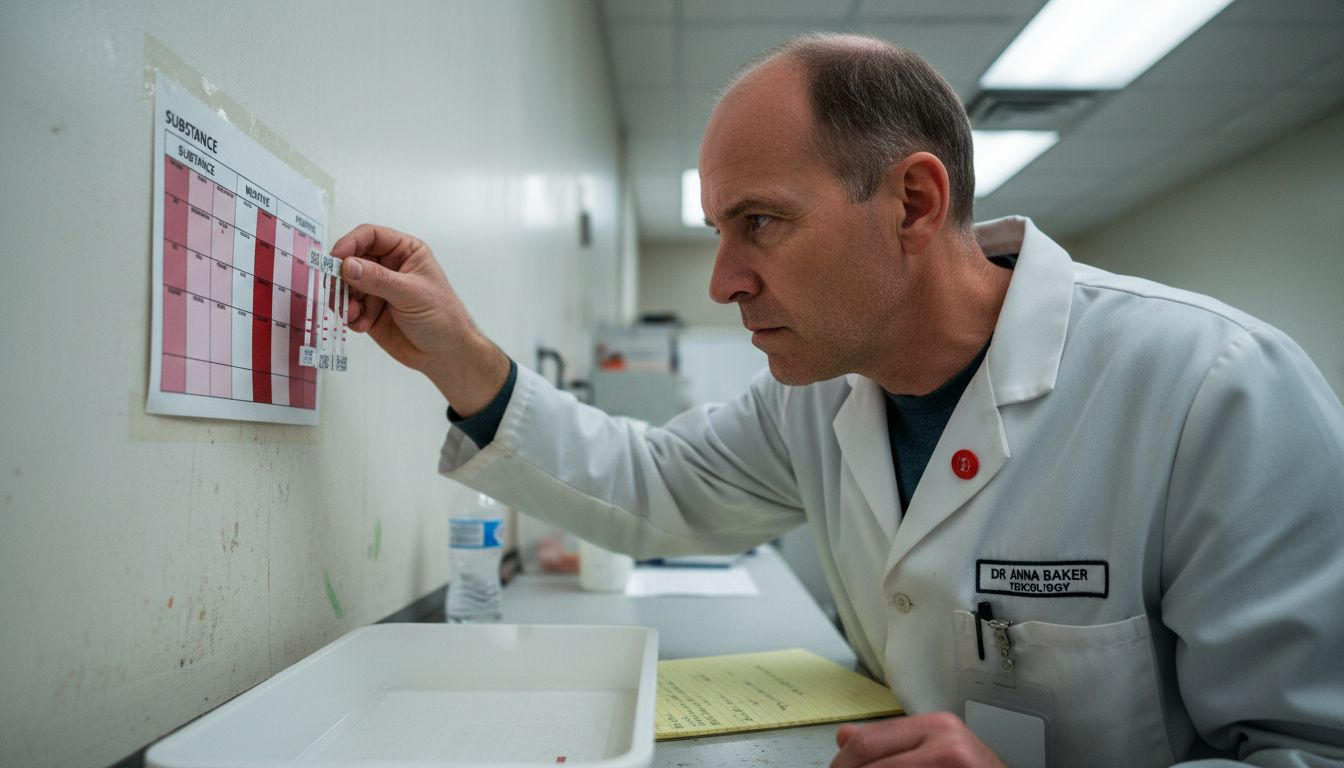
The testing process follows a standardized sequence of steps:
- Specimen Collection: A urine sample is collected in a clean, sterile container
- Card Immersion: The dip card is carefully inserted into the urine sample for a predetermined duration
- Chemical Reaction: Antibodies on the test strips interact with drug molecules
- Visual Interpretation: Color bands or markers indicate the presence or absence of targeted substances
Each dip card contains multiple immunoassay strips calibrated to detect specific drug metabolites at predetermined threshold concentrations. The chemical antibodies on these strips are engineered to recognize unique molecular structures associated with different drugs, triggering a color change when drug molecules are present in the sample. This mechanism allows for rapid, preliminary screening that can identify potential substance use within minutes.
Pro tip: Always follow manufacturer instructions precisely and store dip cards in temperature-controlled environments to maintain their chemical sensitivity and testing accuracy.
FDA Approval and CLIA Waived Standards
The regulatory landscape for dip card drug tests is carefully managed through stringent FDA evaluation and CLIA waived certification processes. Diagnostic test approval standards require comprehensive assessment of each testing device’s design, performance characteristics, and potential clinical applications before granting market authorization.
To receive CLIA waived status, drug test devices must demonstrate several critical attributes:
- Simplicity of Procedure: Easy to perform with minimal training
- Low Error Potential: Consistent and reliable results across different user environments
- Minimal Complex Interpretation: Clear, straightforward result reading
- Standardized Manufacturing: Consistent quality control protocols
The CLIA waived classification allows healthcare providers, addiction treatment centers, and workplace screening programs to conduct drug tests outside traditional laboratory settings. This designation signifies that the test meets rigorous federal standards for accuracy, reliability, and user-friendly implementation. Laboratories and medical professionals can confidently use these tests knowing they have undergone extensive validation processes that ensure precise and dependable screening outcomes.
Pro tip: Always verify a dip card drug test’s current FDA and CLIA waived status before implementation, as regulatory approvals can be periodically updated.
Comparing Dip Cards to Other Drug Screens
Comprehensive drug testing methods vary significantly in their approach, detection capabilities, and practical applications. Dip card drug tests represent a unique screening modality that balances speed, affordability, and broad substance detection with some inherent limitations compared to more advanced testing technologies.
Key differences between dip card tests and alternative screening methods include:
Compare dip card tests to other methods at a glance:
| Method | Speed | Detection Window | Cost |
|---|---|---|---|
| Dip Card | 5-10 minutes | Few days | Low |
| Immunoassay (Lab) | Several hours to days | Few days | Moderate |
| Hair Follicle | Several days | Up to 90 days | High |
-
Urine Dip Cards
- Rapid results (5-10 minutes)
- Low cost
- Multiple substance detection
- Point-of-care convenience
-
Laboratory Immunoassays
- Higher specificity
- More precise quantitative results
- Complex processing
- Longer turnaround times
-
Hair Follicle Tests
- Extended detection window (90 days)
- More challenging sample collection
- Higher cost
- Less immediate results
While dip card tests excel in providing quick, preliminary screenings, they are not definitive proof of drug use. These tests serve as initial indicators that may require subsequent confirmatory testing through more sophisticated laboratory techniques. Medical professionals and workplace administrators often use dip cards as a first-line screening tool, understanding their limitations in absolute substance detection.
Pro tip: Always combine dip card test results with professional judgment and follow up with confirmatory laboratory testing when critical decisions are at stake.
Fast and Reliable Dip Card Drug Testing Solutions for Professional Labs
If your laboratory or healthcare facility relies on quick and accurate dip card drug tests to screen a range of substances with confidence then finding a trusted supplier of FDA-approved and CLIA waived kits is critical. This article highlights the importance of proper storage, clear interpretation, and the value of multipanel dip cards to meet diverse screening needs. At the same time you want affordability and fast shipping to maintain seamless operations without compromising quality.
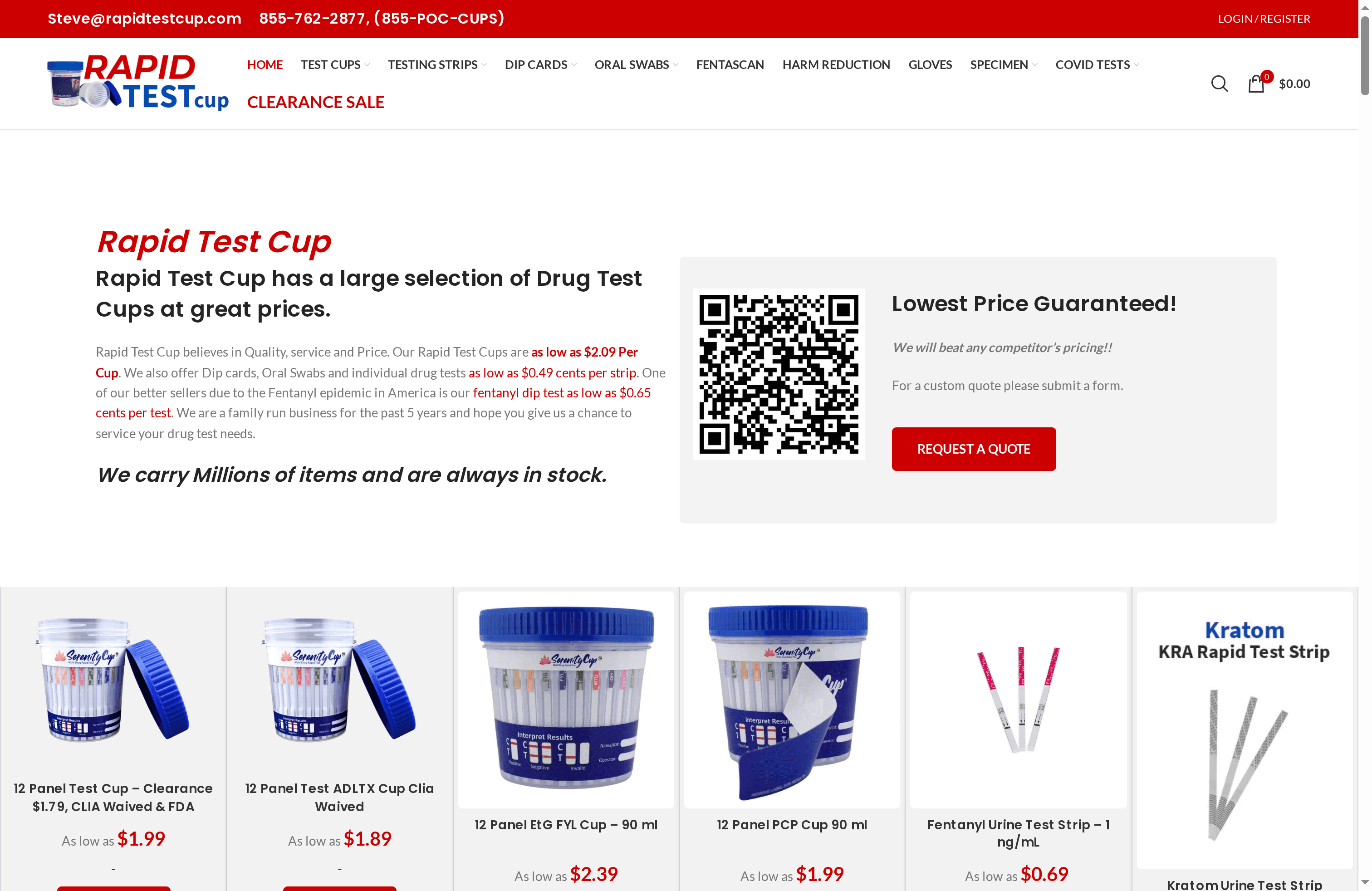
Discover how RapidTestCup offers an extensive selection of dip card drug tests designed for professional, forensic, and clinical use. Whether you need 5-panel, 10-panel, or comprehensive 12-panel test kits each product is detailed with specifications to ensure you get exactly what matches your screening protocols. Take advantage of competitive pricing, bulk discounts, and reliable service to enhance your drug testing program today. Visit RapidTestCup now and secure your trusted source for advanced dip card drug screening supplies.
Frequently Asked Questions
What is a dip card drug test?
A dip card drug test is a portable screening method used to detect multiple drugs in human urine quickly. It provides preliminary drug screening results through color changes in reactive strips found on the card when drug metabolites are present.
How does a dip card drug test work?
The testing process involves collecting a urine specimen and immersing the dip card in it for a set duration. Chemical reactions occur between the drug metabolites and antibodies on the card, resulting in visible indicators that show the presence or absence of specific substances.
What types of substances can be detected with dip card drug tests?
Dip card drug tests can vary in the number of substances they detect, with 5-panel tests typically screening for marijuana, cocaine, amphetamines, opioids, and PCP. More comprehensive 10-panel and 12-panel tests can include additional drugs such as barbiturates, benzodiazepines, and synthetic opiates.
Are dip card drug tests FDA approved?
Yes, dip card drug tests must go through stringent FDA evaluations to receive market authorization. Those that meet specific criteria and demonstrate accuracy can also achieve CLIA waived status, allowing their use in various settings without complex laboratory processes.