Blog
Drug Detection Tips: Practical Guide for 2026

TL;DR:
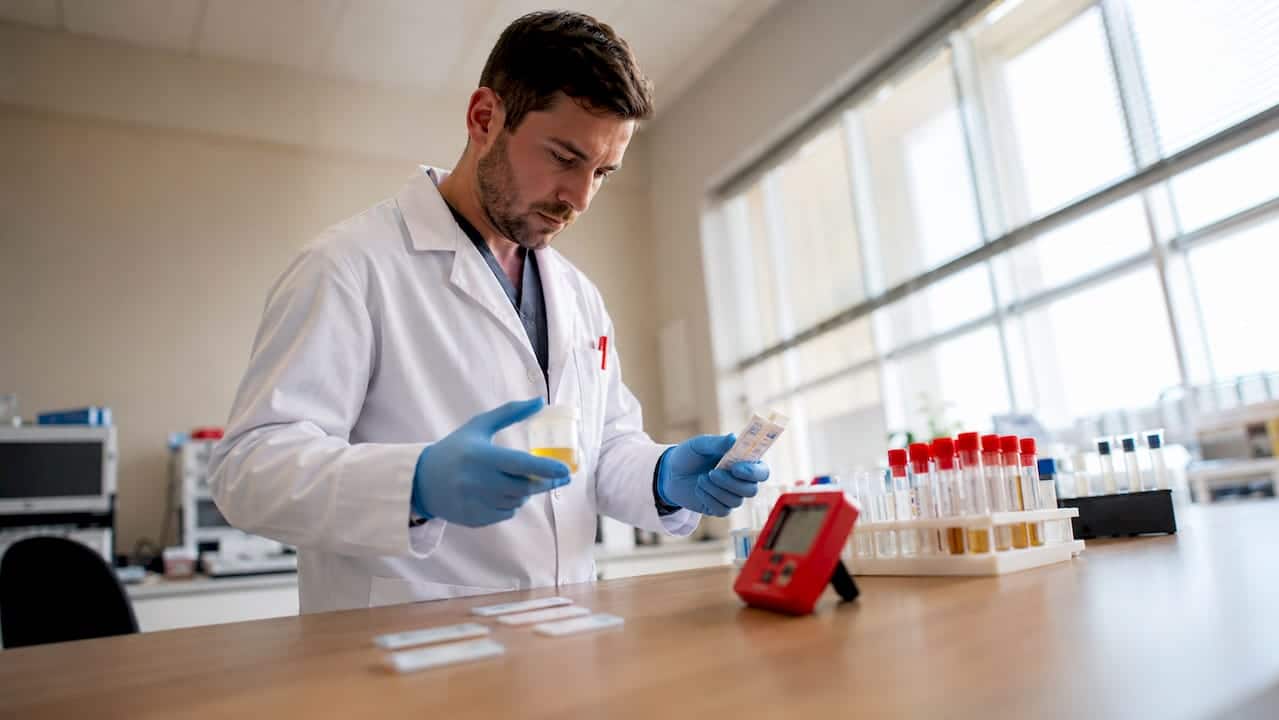
- Effective drug detection involves choosing the appropriate test type for specific purposes, such as urine, hair, saliva, or blood analysis. Fentanyl test strips should be used properly by diluting samples, reading results within the designated time, and testing multiple samples due to uneven contamination. Accurate sample collection and interpretation require proper preparation, awareness of test limitations, and confirmatory laboratory testing for legal or clinical decisions.
Drug detection tips are practical strategies and tools designed to accurately identify drug use across personal, workplace, and legal settings. Whether you are managing workplace compliance, supporting a loved one, or working in a clinical environment, knowing how to detect drugs correctly is the difference between a valid result and a costly mistake. This guide covers the core drug testing methods, fentanyl test strip procedures, sample collection best practices, behavioral signs of use, and the critical difference between home testing and lab confirmation. Every section is grounded in current science and real-world application.
1. What are the main drug detection tips for choosing the right test?
The first and most important drug detection tip is matching your test type to your goal. Urine, hair, saliva, and blood tests each serve different purposes, and using the wrong one produces misleading results.
| Test Type | Detection Window | Best Use Case | Key Limitation |
|---|---|---|---|
| Urine | 1–30 days | Workplace screening, probation | Can be diluted or adulterated |
| Hair | Up to 90 days | Historical use, legal cases | Cannot detect very recent use |
| Saliva | 12–72 hours | Roadside, immediate impairment | Short window misses past use |
| Blood | Hours to 2 days | Clinical, emergency settings | Invasive, requires trained staff |
Urine tests are used in 90% of workplace screening because they balance cost, detection window, and ease of collection. Saliva tests are the go-to for immediate impairment detection, such as post-accident testing or roadside checks. Hair tests are the strongest tool for legal cases where a 90-day history matters. Blood tests belong in clinical or emergency settings where precision outweighs convenience.
Pro Tip: If you need to detect both recent and historical use, combine a saliva test for the past 72 hours with a urine test for the past 30 days. No single test covers everything.
2. How to use fentanyl test strips effectively
Fentanyl test strips are a frontline harm reduction tool, and using them incorrectly produces dangerous false confidence. Fentanyl test strips detect fentanyl at concentrations as low as 20 ng/mL, but they do not detect all synthetic opioids, including xylazine or nitazene analogs.
Follow these steps for accurate results:
- Prepare your sample. Dissolve a small residue of the substance in water. Use a minimum of 5 mL of water, ideally 10 mL, to avoid false positives. This is especially important when testing MDMA, which can trigger false positives without proper dilution.
- Dip the strip. Submerge the wavy end of the strip for 15 seconds. Do not dip past the MAX line.
- Lay it flat and wait. Place the strip on a clean surface and wait the full reading window.
- Read results at 5–10 minutes. Reading outside this window produces unreliable results. One line means fentanyl detected. Two lines means not detected at the test threshold.
- Test multiple samples. Fentanyl contamination is not uniform in a batch. One negative result does not mean the entire supply is clean.
Pro Tip: Even a negative fentanyl strip result is not a green light. Strips cannot detect xylazine, nitazenes, or other emerging adulterants. Always start with a smaller amount and go slow.
Rapidtestcup carries fentanyl test strips at 10 ng/mL sensitivity for harm reduction applications, which offer a lower detection threshold than standard 20 ng/mL strips.
3. Preparation and sample collection tips to avoid false results
Proper sample collection is where most drug tests fail. A technically valid test can still produce an invalid result if the sample is compromised before it reaches the lab.
The most common mistake is overhydration. Excessive fluid intake dilutes urine samples, causing labs to flag them as invalid. Labcorp and other certified labs check creatinine levels and specific gravity to catch diluted samples. A flagged sample often means a retest, which delays results and raises suspicion.
Here are the key preparation rules:
- Stay normally hydrated. Drink water as you normally would. Do not chug fluids in the hours before your test.
- Disclose prescription medications. Tell the Medical Review Officer (MRO) about any prescriptions before testing. Legitimate prescriptions for opioids, benzodiazepines, or amphetamines will trigger a positive without disclosure, and MRO disclosure prevents false positives in workplace testing.
- Collect a midstream sample. The first and last portions of the urine stream carry more contaminants. The midstream portion is the cleanest.
- Do not attempt to adulterate the sample. Labs test for adulterants including bleach, vinegar, and commercial masking agents. A flagged adulteration is treated the same as a positive result.
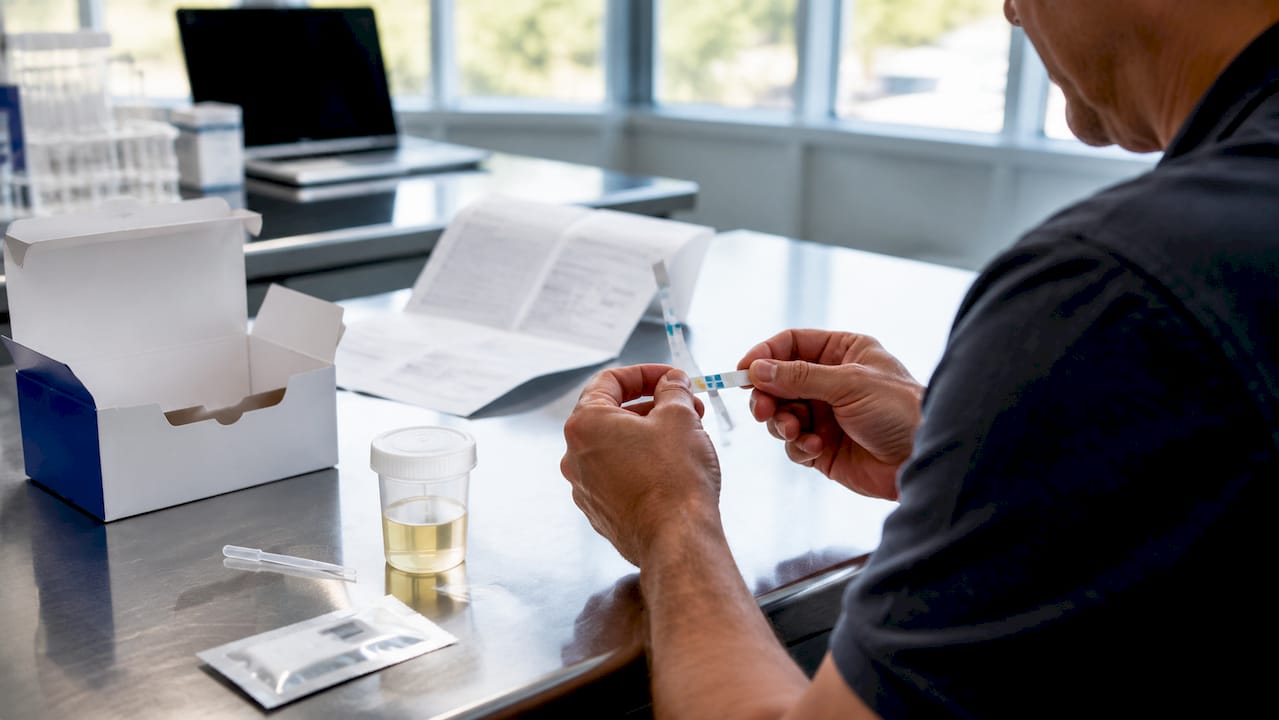
- Use proper collection supplies. Sterile urine specimen cups with temperature strips confirm the sample is fresh and unaltered.
Pro Tip: If you are administering tests at a clinic, review the step-by-step urine collection procedures to standardize your process and reduce chain-of-custody errors.
4. Recognizing behavioral and physical signs of drug use
Observable signs of drug use are a useful first indicator, but they are not a substitute for confirmatory testing. Signs of drug use include mood changes, behavioral shifts, and physical appearance changes, but these signs alone are insufficient for any formal decision.
Behavioral indicators to watch for:
- Sudden mood swings, irritability, or unexplained euphoria
- Increased secrecy, withdrawal from family or coworkers
- Impaired coordination, slurred speech, or slowed reaction time
- Missed deadlines, absenteeism, or declining work performance
- Borrowing money frequently or unexplained financial stress
Physical signs that may indicate use:
- Pupil changes: pinpoint pupils suggest opioids; dilated pupils suggest stimulants or hallucinogens
- Significant weight loss or gain over a short period
- Skin changes including track marks, sores, or pallor
- Bloodshot eyes, runny nose, or persistent cough
- Unusual smells on breath, clothing, or in personal spaces
Contextual clues include finding drug paraphernalia such as pipes, syringes, foil, or small baggies. Changes in routine, new social circles, or sudden interest in privacy can also signal a problem.
The critical limitation here is that none of these signs are definitive. Stress, illness, and medication side effects can mimic many of them. Use behavioral observation to decide whether to test, not to replace testing. When you observe multiple signs together, that is the point to seek professional advice or initiate formal drug screening.
5. At-home drug testing kits vs. professional laboratory testing
The choice between home testing and lab testing depends on your purpose. Home tests are fast and affordable. Lab tests are definitive. Using a home test for a legal or clinical decision is a serious mistake.
At-home drug tests are presumptive, meaning they indicate the probable presence of a substance but do not confirm it. Professional laboratory testing using gas chromatography-mass spectrometry (GC-MS) or liquid chromatography-mass spectrometry (LC-MS) is the gold standard. Multimodal testing combining rapid immunoassays with GC-MS or LC-MS is required for reliable, legally defensible results.
| Attribute | At-Home Test | Professional Lab |
|---|---|---|
| Cost | Low ($1–$10 per test) | Higher ($30–$200+) |
| Speed | 5–10 minutes | 24–72 hours |
| Accuracy | Presumptive only | Quantitative and definitive |
| Legal validity | Not accepted | Accepted in court and HR |
| Tampering detection | Limited | Full adulterant panel |
| Confirmatory method | None | GC-MS or LC-MS |
Professional cannabis screenings use a 50 ng/mL cut-off, while at-home tests vary from 20 to 100 ng/mL. That variance means a home test could flag a result that a certified lab would not, or miss one it would catch. For workplace, legal, or clinical decisions, always escalate a positive home result to a certified lab for confirmation. For personal monitoring or harm reduction, home tests are a practical and cost-effective first step.
Rapidtestcup’s 12-panel ADLTX test cup includes built-in adulterant detection, which closes the gap between home testing and lab-grade specimen validity checks.
Key takeaways
Accurate drug detection requires matching the right test to the right context, collecting samples correctly, and confirming presumptive results through certified laboratory methods.
| Point | Details |
|---|---|
| Match test to context | Use saliva for recent impairment, urine for workplace screening, and hair for legal history. |
| Fentanyl strips have limits | Strips detect fentanyl but miss xylazine and nitazenes; always test multiple samples. |
| Avoid overhydration | Diluted urine samples are flagged as invalid; drink normally before collection. |
| Disclose prescriptions | Tell the MRO about legitimate medications to prevent false positives in workplace tests. |
| Escalate home positives | At-home tests are presumptive; GC-MS or LC-MS confirmation is required for legal or clinical use. |
Drug detection is not just a technical problem
I have spent years working with drug testing products across clinical, forensic, and harm reduction settings, and the biggest mistake I see is treating drug detection as a purely technical exercise. People focus on the test and forget the context.
The most common misconception I encounter is that a negative result means safe. It does not. A negative urine test means the substance was not detected above the cut-off threshold on that day. It does not mean the person is clean, and it definitely does not mean a substance like fentanyl is absent if you used a strip that cannot detect xylazine.
The ethical dimension matters too. In workplace settings, a positive result can end a career. That is why I always recommend professional drug testing best practices over improvised approaches. Transparency about test limitations, proper chain of custody, and MRO review are not bureaucratic formalities. They are the difference between a fair process and a lawsuit.
My honest view is that combining rapid screening with confirmatory testing is the only approach worth trusting for anything consequential. Use home tests for awareness. Use certified labs for decisions.
— Justin
Get reliable drug testing products from Rapidtestcup
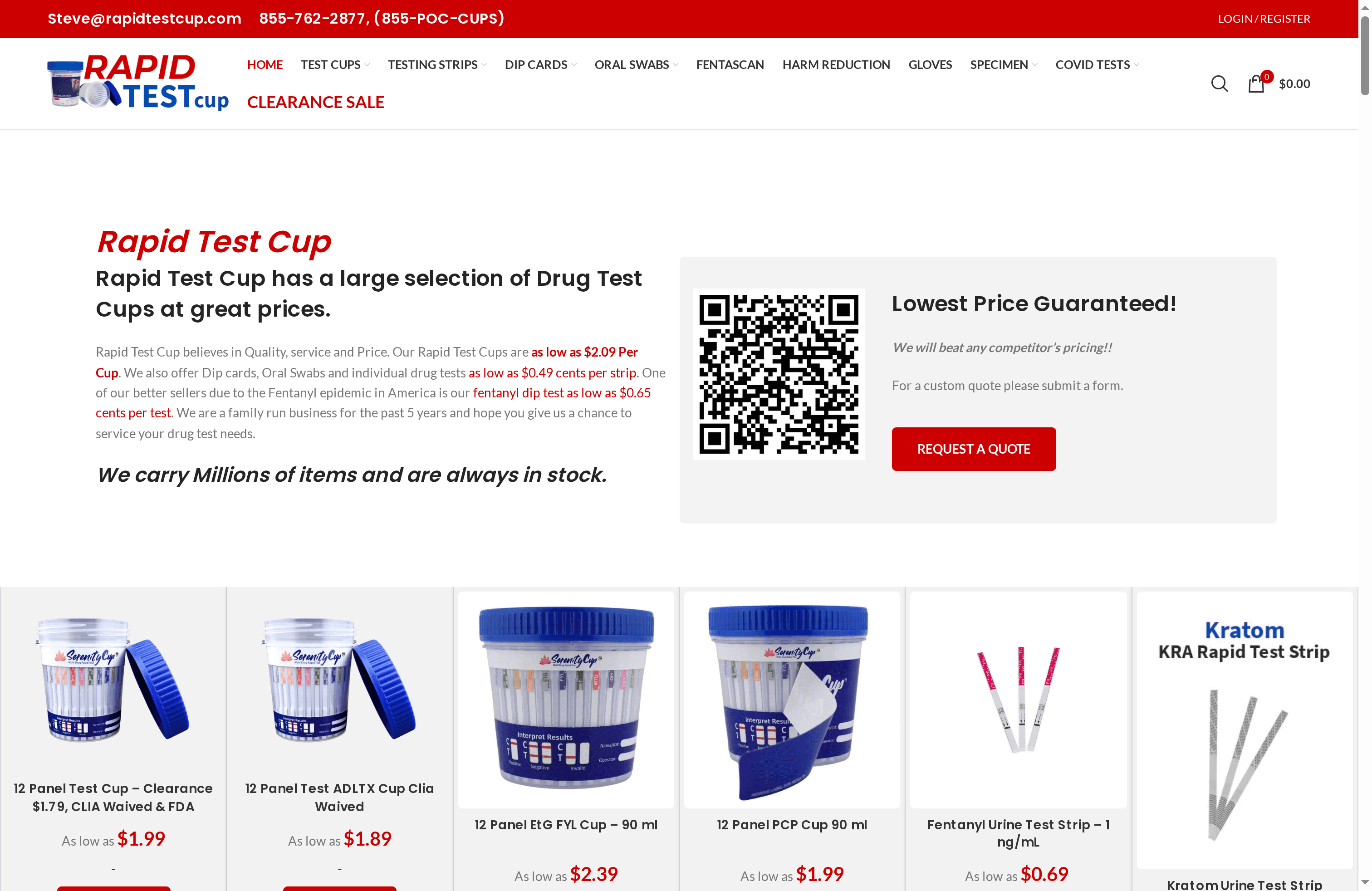
Rapidtestcup carries a full catalog of CLIA waived, FDA-approved testing products built for the scenarios covered in this guide. From multi-panel urine test cups with built-in adulterant detection to fentanyl strips calibrated for harm reduction, every product is designed for accuracy and ease of use. Whether you are running a clinic, managing workplace compliance, or testing for personal safety, Rapidtestcup ships fast and offers bulk pricing for high-volume needs. Explore the top drug testing products for labs to find the right solution for your setting, or browse the full catalog at Rapidtestcup for individual and institutional options.
FAQ
What is the most accurate drug testing method?
Multimodal testing combining immunoassay screening with GC-MS or LC-MS confirmation is the gold standard. No single test method covers all substances definitively.
How long do drugs stay detectable in urine?
Detection windows range from 1 to 30 days depending on the substance, frequency of use, and individual metabolism. Cannabis can remain detectable for up to 30 days in heavy users.
Can you fail a drug test from secondhand exposure?
Secondhand exposure rarely produces a positive result above professional cut-off thresholds. Professional urine screenings use a 50 ng/mL cut-off that passive exposure typically does not reach.
Do fentanyl test strips detect all opioids?
No. Fentanyl test strips detect fentanyl at 20 ng/mL but do not detect xylazine, nitazenes, or other emerging synthetic opioids. Always treat a negative result with caution.
What happens if a urine sample is flagged as diluted?
Labs detect dilution through creatinine and specific gravity measurements. A diluted sample is typically reported as invalid, and the donor is asked to retest under observed conditions.