Blog
Examples of Confirmatory Tests for Lab Professionals


TL;DR:
- Confirmatory tests verify screening results with higher specificity, preventing false positives in clinical and forensic testing.
- Methods like GC/MS, LC-MS/MS, and crystal tests identify substances accurately and are essential before making critical decisions.
- Using confirmatory testing reduces misdiagnoses and legal errors, making it a vital standard in laboratory workflows.
Examples of confirmatory tests are laboratory methods that definitively identify substances or biological materials with specificity beyond initial screening. Where presumptive tests flag a potential positive, confirmatory tests verify it using distinct chemical or analytical principles. The difference matters enormously: a false positive from an immunoassay screen can alter a patient’s treatment plan or destroy a legal case. Methods like gas chromatography/mass spectrometry (GC/MS), LC-MS/MS, and the Takayama crystal test each represent the gold standard in their respective domains. Understanding which confirmatory method applies to which specimen type is a core competency for any lab professional working in clinical or forensic diagnostics.
What are confirmatory tests?
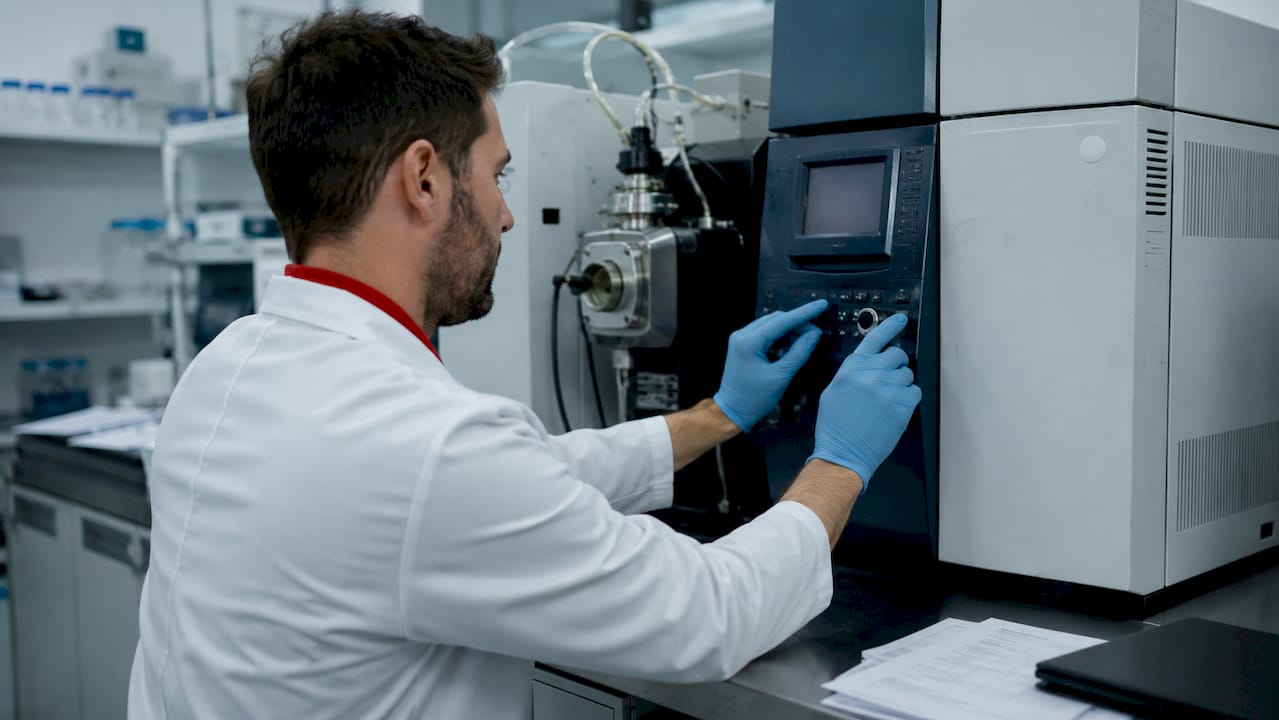
A confirmatory test is a specialized analytical method used to verify a presumptive or screening result with greater specificity and accuracy. Screening tests are designed for speed and high throughput. They cast a wide net and accept some false positives as a trade-off. Confirmatory tests operate on a different chemical principle entirely, which is what makes them reliable for final reporting.
Laboratory scientists view confirmatory tests as the detective phase of the testing process. They rule out interferences that cause false positives and provide a deeper, more accurate analysis than reagent strip screening alone. This two-stage approach is the foundation of reliable clinical and forensic decision-making.
The key principles behind confirmatory testing include:
- Analytical specificity: The test reacts only with the target compound, not structurally similar substances.
- Sensitivity thresholds: Confirmatory methods detect substances at defined concentration cutoffs, filtering out trace or irrelevant exposures.
- Independent methodology: The confirmatory method must differ fundamentally from the screening method to avoid repeating the same error.
- Quantification: Many confirmatory tests report a concentration, not just a positive or negative result.
Pro Tip: When a screening result is positive but the clinical picture does not fit, always request a confirmatory test before adjusting treatment. Immunoassay screens for opioids, for example, are notorious for cross-reacting with unrelated compounds.
Understanding presumptive vs. confirmatory drug testing is the first step toward building a reliable two-stage testing protocol in any lab setting.
9 examples of confirmatory tests used in forensic and clinical settings
The following confirmatory test examples cover drug testing, biological fluid identification, and clinical urinalysis. Each uses a distinct mechanism that separates it from the screening method it follows.
1. Gas chromatography/mass spectrometry (GC/MS)
GC/MS is the FDA-recommended confirmatory method for definitively identifying drugs of abuse after a presumptive positive result. It separates compounds by their physical properties and then identifies each by its unique mass spectrum. No two compounds share an identical mass spectrum, which makes GC/MS the closest thing to a molecular fingerprint. It is the standard for workplace drug testing, forensic toxicology, and legal proceedings.
2. Liquid chromatography-tandem mass spectrometry (LC-MS/MS)
LC-MS/MS increases sensitivity and specificity beyond GC/MS for complex drug panels, particularly for substances that are thermally unstable or present at very low concentrations. It filters background interference through two sequential mass filters, making it ideal for benzodiazepines, synthetic opioids, and fentanyl analogs. Clinicians rely on LC-MS/MS when they need both identification and quantification in a single run.
3. Takayama hemochromogen crystal test
The Takayama test is a confirmatory test for blood. It reacts with hemoglobin to form distinctive salmon-pink feathery crystals called hemochromogen. Confirmatory tests for blood include the Takayama crystal test, which provides more specific identification than presumptive tests like luminol or phenolphthalein. Forensic labs use it to confirm that a stain is human or animal blood before proceeding to DNA analysis.
4. Teichmann hemin crystal test
The Teichmann test is a second confirmatory method for blood. It converts hemoglobin into hemin crystals, which appear as dark brown rhombic shapes under a microscope. Both the Takayama and Teichmann tests are crystal-based confirmatory methods that operate on entirely different chemical reactions from the presumptive tests that precede them. Forensic examiners often run both to strengthen evidentiary conclusions.
5. Microscopic sperm identification
Microscopic identification of spermatozoa is the primary confirmatory test for semen in forensic casework. A trained analyst examines a stained slide for intact sperm heads, tails, and morphology. This method is definitive when sperm are present. It is less reliable in cases involving azoospermic donors, which is why it is paired with a secondary method.
6. PSA/p30 assay
The PSA (prostate-specific antigen) or p30 assay confirms the presence of semen even when no sperm are visible. It detects a protein produced by the prostate gland and secreted in seminal fluid. Confirmatory tests for semen include microscopic sperm identification and PSA/p30 assays, and together they cover both sperm-positive and sperm-negative samples. This combination is standard practice in sexual assault evidence kits.
7. RSID-Saliva immunoassay
Confirmatory saliva testing uses immunoassays like RSID-Saliva, which are specific for human salivary amylase. Presumptive tests for saliva, such as starch-iodine tests, produce frequent false positives from environmental contamination. RSID-Saliva reduces that problem significantly. It is used in forensic investigations where bite marks, envelopes, or other surfaces may carry salivary deposits.
8. SSA test, Acetest, and Ictotest for urinalysis
Confirmatory urinalysis tests such as the SSA test for proteins, Acetest for ketones, and Ictotest for bilirubin provide improved sensitivity and specificity over reagent strip screening. The sulfosalicylic acid (SSA) test detects proteins that reagent strips miss, particularly Bence Jones proteins in multiple myeloma. Acetest uses a nitroprusside tablet to confirm ketones with greater reliability than a strip. Ictotest confirms bilirubin in urine with a color reaction that is far less susceptible to interference from pigmented urine.
Pro Tip: Reagent strips for bilirubin are notoriously sensitive to light exposure and oxidizing agents. Always run an Ictotest when a strip result seems inconsistent with the clinical picture.
9. Crystal methamphetamine and cocaine confirmatory tests
Color-based presumptive tests like Scott reagent (for cocaine) and Simon’s reagent (for methamphetamine) are followed by GC/MS or LC-MS/MS for legal confirmation. Crystal tests such as the Marquis reagent provide a rapid field presumptive result, but the FDA recommends placing a warning label on presumptive drug tests to confirm positives with more specific methods before any legal or clinical action is taken.
How do confirmatory drug tests improve clinical and forensic accuracy?
Immunoassay screening is fast and affordable, but it is not specific. Antibodies used in immunoassay screens cross-react with structurally similar compounds. A patient taking quinolone antibiotics can screen positive for opioids. A person eating poppy seeds can trigger a morphine screen. These are not edge cases. They are documented, recurring problems in clinical labs.
Confirmatory testing is critical for clinical management decisions, preventing misinterpretations that arise from false positives in immunoassay screens. For substances like opioids, benzodiazepines, and amphetamines, the false positive rate on immunoassay screens is high enough that confirmatory tests are essential before any significant clinical decision is made.
Federal regulations set specific reporting thresholds in nanograms per milliliter for substances in confirmatory drug tests. If a confirmatory result falls below those cutoffs, the result is reported negative. This protects individuals from being flagged for passive or environmental exposure. It also means that confirmatory testing is not just a scientific best practice. It is a legal requirement in federally mandated testing programs.
Key clinical scenarios where confirmatory testing resolves ambiguity:
- A patient on buprenorphine screens positive for oxycodone. LC-MS/MS confirms or rules out actual oxycodone use.
- A urine screen is positive for amphetamines. GC/MS distinguishes between prescribed lisdexamfetamine and illicit methamphetamine.
- A reagent strip shows trace protein. SSA testing determines whether it is clinically significant or a strip artifact.
Pro Tip: Targeted confirmatory techniques like GC/MS detect only specified analytes, so communicate clearly with your reference laboratory about every substance of interest before submitting a specimen. Missing a compound at the order stage means missing it in the result.
Understanding false positives in drug tests and how confirmatory methods eliminate them is one of the most practical skills a lab technician can develop.
Comparison of confirmatory test types by specimen and setting
Choosing the right confirmatory method depends on specimen type, the analyte in question, and whether the context is clinical or forensic. The table below summarizes the most common confirmatory testing methods and their ideal applications.
| Confirmatory test | Specimen type | Primary use | Key strength |
|---|---|---|---|
| GC/MS | Urine, blood, hair | Drug identification | Molecular specificity, legal defensibility |
| LC-MS/MS | Urine, blood, oral fluid | Drug quantification | Sensitivity for low-concentration analytes |
| Takayama crystal test | Biological stains | Blood confirmation | Forensic evidence, species differentiation |
| Teichmann crystal test | Biological stains | Blood confirmation | Complements Takayama, different chemistry |
| PSA/p30 assay | Biological stains | Semen confirmation | Works without intact sperm |
| RSID-Saliva immunoassay | Biological stains | Saliva confirmation | Human-specific, low false positive rate |
| SSA test | Urine | Protein confirmation | Detects Bence Jones proteins missed by strips |
| Acetest / Ictotest | Urine | Ketone/bilirubin confirmation | More reliable than reagent strips |
Cost and turnaround time vary significantly across these methods. GC/MS and LC-MS/MS require specialized instrumentation and trained analysts, so most clinical labs send specimens to a reference laboratory. Crystal tests and immunoassays like RSID-Saliva can be performed in a well-equipped forensic lab. Urinalysis confirmatory tests like SSA and Acetest are inexpensive and can be run on-site.
Knowing when to move beyond screening tests to confirmatory methods is a hallmark of skilled laboratory scientists. When results will drive a legal decision, a treatment change, or a forensic conclusion, the confirmatory step is not optional.
Key takeaways
Confirmatory tests are the definitive second stage of laboratory analysis, using distinct chemical principles to verify screening results and eliminate false positives across drug, biological fluid, and clinical urinalysis testing.
| Point | Details |
|---|---|
| GC/MS is the drug testing gold standard | The FDA recommends GC/MS to confirm presumptive positive drug results with molecular specificity. |
| Forensic biological confirmation requires specific methods | Takayama, PSA/p30, and RSID-Saliva each confirm a different body fluid with high specificity. |
| Federal cutoffs protect against false reporting | Confirmatory drug results below regulatory thresholds are reported negative, filtering out trace exposures. |
| Clinical urinalysis needs confirmatory follow-up | SSA, Acetest, and Ictotest outperform reagent strips for proteins, ketones, and bilirubin. |
| Communication with the lab is critical | GC/MS and LC-MS/MS only detect analytes specified at the time of order, so clear requisition matters. |
Why I think labs underestimate the cost of skipping confirmatory testing
Working closely with forensic and clinical lab workflows, I have seen the same mistake repeated: a presumptive positive gets acted on without confirmation because the confirmatory step feels like an extra cost or a delay. That calculation is wrong every time.
The real cost of a false positive is not the price of a GC/MS run. It is the cost of a wrongful termination, a misdiagnosed patient, or a collapsed legal case. I have seen opioid treatment programs adjust a patient’s medication based on an immunoassay screen that LC-MS/MS later contradicted entirely. The confirmatory test cost less than $50. The clinical fallout from not running it was far more significant.
The other thing labs consistently underestimate is the specificity gap between screening and confirmation. Immunoassay screens are built for sensitivity, not specificity. That is by design. But it means you are always working with a probability, not a fact, until confirmation happens. Skilled lab professionals treat every presumptive positive as a hypothesis, not a conclusion.
My advice: build confirmatory testing into your standard workflow for any result that will drive a consequential decision. Train your team to communicate substance-specific requests to reference labs clearly. And treat the two-stage process not as redundancy, but as the actual test.
— Justin
Professional drug testing products for accurate lab workflows
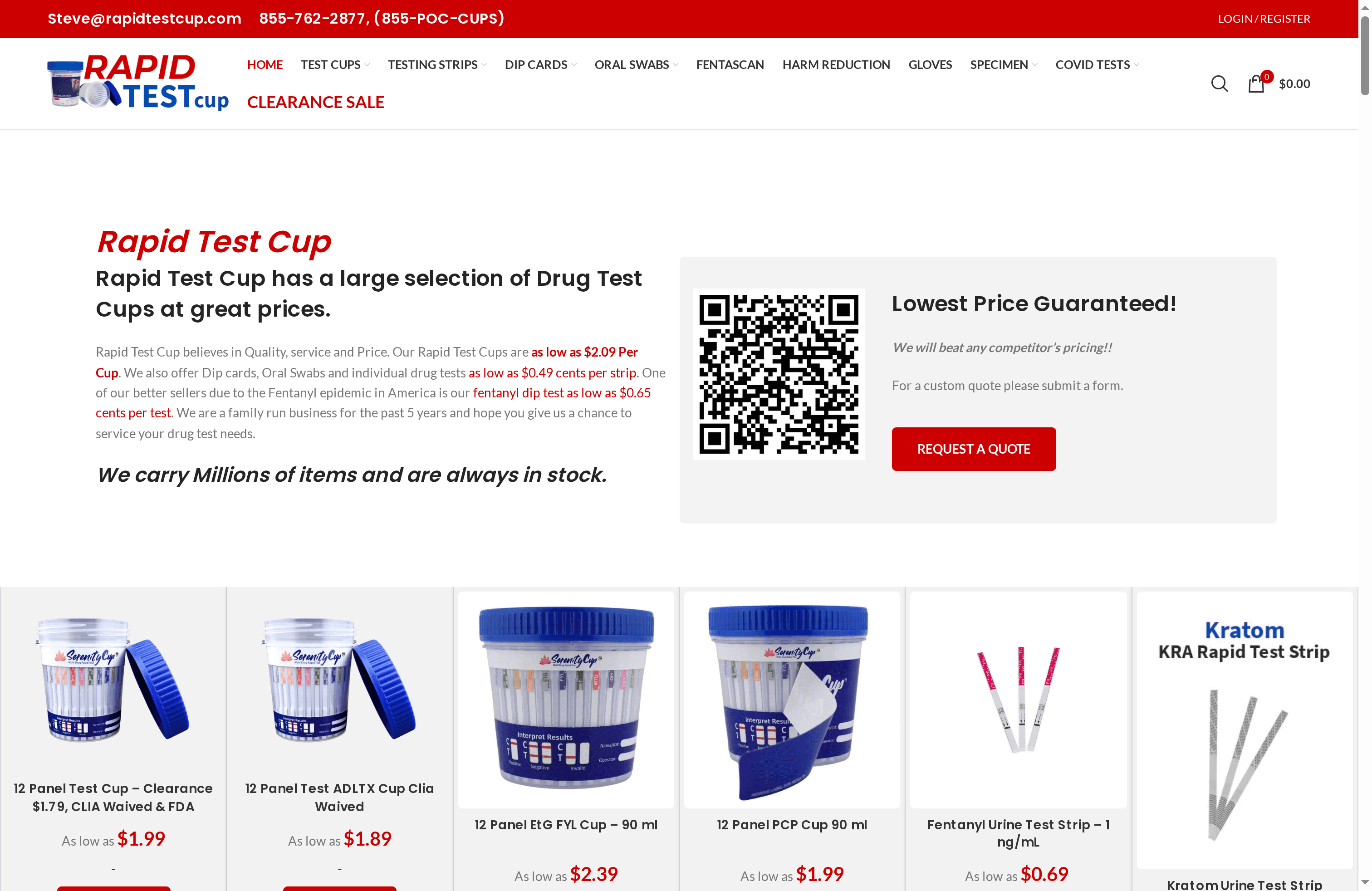
Reliable confirmatory testing starts with a reliable screening stage. Rapidtestcup supplies CLIA waived, FDA-approved drug testing cups, dip cards, and urine test strips designed for professional lab and clinical use. Every screening result that feeds into a confirmatory workflow needs to come from a validated, quality-controlled device. Rapidtestcup’s catalog covers single-panel strips through comprehensive multi-panel lab kits, with bulk pricing for high-volume programs. Whether you run a substance abuse clinic, a forensic lab, or an occupational health program, the right screening tool is the foundation of every accurate confirmatory result.
FAQ
What is a confirmatory test in drug testing?
A confirmatory drug test is a second-stage analytical method, typically GC/MS or LC-MS/MS, that verifies a presumptive positive result using a different chemical principle to eliminate false positives.
Why are confirmatory tests required after screening?
Immunoassay screens cross-react with structurally similar compounds, producing false positives. Confirmatory tests use molecular specificity to distinguish the actual target compound from interfering substances.
What are the most common examples of confirmatory tests?
The most common confirmatory tests include GC/MS and LC-MS/MS for drugs, the Takayama and Teichmann crystal tests for blood, PSA/p30 assays for semen, RSID-Saliva for saliva, and SSA or Ictotest for clinical urinalysis.
When is a confirmatory test legally required?
Federal regulations require confirmatory testing in workplace drug testing programs before a positive result is officially reported. Results must meet defined nanograms-per-milliliter cutoffs to be reported as positive.
Can a confirmatory test come back negative after a positive screen?
Yes. If the confirmatory result falls below the federal reporting threshold, the result is reported negative. This outcome is common when passive exposure or cross-reactive substances triggered the initial screen.