
Blog
Examples of Specimen Collection Methods for Lab Professionals


TL;DR:
- Choosing the correct specimen collection method is vital for accurate laboratory results and patient safety. Proper technique, contamination control, and accurate labeling are essential to maintain sample integrity and reduce errors.
Specimen collection methods are the standardized protocols used to obtain biological samples from patients for laboratory analysis. The method chosen directly determines whether a test result is valid or worthless. Venipuncture, clean-catch urine, and nasopharyngeal swabbing are three of the most common examples of specimen collection methods in clinical practice. Each carries specific procedural requirements, contamination risks, and equipment needs. Getting the method right before the sample reaches the analyzer is the single most controllable variable in diagnostic accuracy.
1. What are the main examples of specimen collection methods?
Specimen collection falls into several major categories based on sample type. Blood, urine, and swabs cover the majority of clinical volume, but sputum, stool, and body fluids each require distinct approaches.
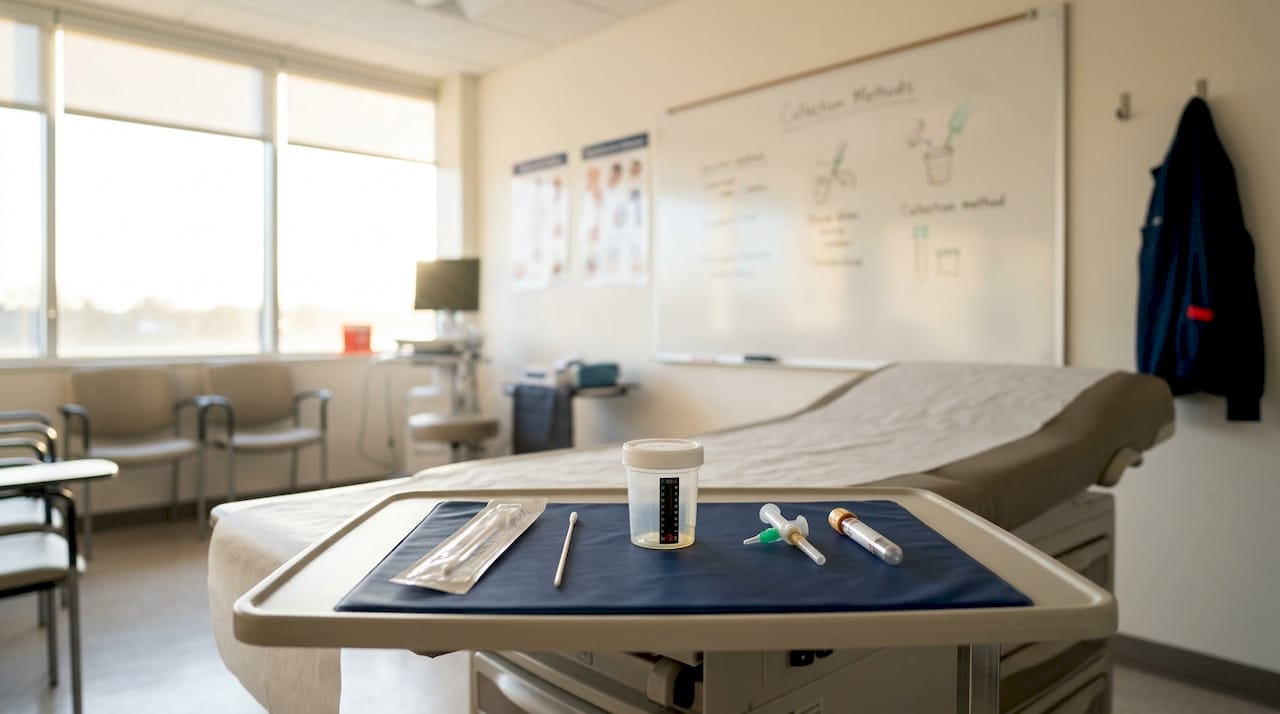
Blood collection via venipuncture is the most widely used method in clinical labs. The collector selects a site, typically the antecubital fossa, applies a tourniquet, and uses a vacuum tube system to draw blood directly into labeled tubes. Disinfection of the venipuncture site with alcohol-based products is mandatory. Skin oils interfere with antiseptics, making thorough cleaning a non-negotiable step before needle insertion.
Urine collection offers several technique options depending on clinical need:
- Clean-catch midstream: The patient cleans the urethral area, voids the first stream, then collects midstream urine into a sterile container. This is the most common method but carries a higher contamination risk from normal flora.
- Catheterization: A sterile catheter is inserted into the bladder to collect urine directly. This reduces contamination but introduces procedural risk.
- Suprapubic aspiration: A needle is inserted through the abdominal wall directly into the bladder. This method produces the most contamination-free sample but is invasive and reserved for specific clinical situations.
Swab collection covers nasal, throat, vaginal, and wound sites. The collector uses a swab to contact the target mucosa, then places it into transport media. Swab material matters significantly for downstream testing.
Sputum collection requires the patient to produce a deep cough specimen, not saliva. Collectors instruct patients to rinse their mouth with water first to reduce oral flora contamination.
Pro Tip: Always follow the order of draw when collecting multiple blood tubes. Additive carryover between tubes is a leading cause of pre-analytical error.
2. How do specific specimen collection methods compare for contamination risk?
Not all collection techniques carry equal contamination risk. Choosing the right method requires weighing diagnostic accuracy against patient safety and procedural complexity.
| Method | Contamination Risk | Invasiveness | Best Use Case |
|---|---|---|---|
| Suprapubic aspiration | Very low | High | Definitive UTI diagnosis in complex cases |
| Urethral catheterization | Low | Moderate | Patients unable to void voluntarily |
| Clean-catch midstream | Moderate to high | None | Routine outpatient UTI screening |
| Venipuncture (blood culture) | Low with proper prep | Low | Bloodstream infection detection |
| Nasopharyngeal swab | Low | Low | Respiratory pathogen detection |
| Flocked swab (molecular) | Very low | Low | PCR and molecular assay testing |
Suprapubic aspiration is the most reliable urine collection method to avoid contamination. Clean-catch samples risk contamination from normal flora, which can produce false-positive culture results and unnecessary antibiotic treatment.
For blood cultures, the CDC recommends collecting 40–60 mL total blood across two sets within 24 hours for adults. That volume threshold exists because low-volume draws significantly reduce the sensitivity for detecting bloodstream infections.
Swab material is a critical variable that many collectors underestimate. Rapid molecular testing protocols require flocked swabs with flexible shafts. Cotton-tipped and wooden-shaft swabs are prohibited because they interfere with PCR assays and reduce nucleic acid yield.
Pro Tip: When in doubt between invasive and non-invasive urine collection, consult the clinical context. A routine outpatient screen rarely justifies catheterization, but a critically ill patient with an ambiguous clean-catch result often does.
3. Best practices for specimen collection to protect sample integrity
Sample integrity depends on what happens before, during, and after collection. The most common failure points are patient identification errors, poor site preparation, and inadequate labeling.
Patient identification and labeling must occur at the bedside, not at the nurses’ station. Full specimen traceability linking collection, labeling, and caregiver identification reduces patient safety risks and labeling errors. Barcode scanning at the point of collection is the current standard for eliminating misidentification.
Follow these steps to maintain collection integrity:
- Verify patient identity using two identifiers (name and date of birth) before any collection begins.
- Prepare the site with the appropriate antiseptic. For venipuncture, use 70% isopropyl alcohol and allow it to dry completely before needle insertion.
- Use the correct collection container for the test ordered. EDTA tubes, serum separator tubes, and blood culture bottles are not interchangeable.
- Never transfer blood between tubes. Transferring blood between collection tubes causes additive contamination that invalidates test results.
- Label immediately after collection, while still at the patient’s side.
- Transport within required timeframes. Some specimens require immediate processing; others tolerate refrigeration for a defined window. Follow manufacturer instructions for each test type.
- Instruct patients clearly for self-collected specimens. Proper patient instruction significantly lowers specimen rejection rates, especially for complex collections like 24-hour urine.
For vaginal swabs, keep the score line visible at the top of the transport tube during transit. This confirms the swab tip is fully immersed in transport media, preserving organism viability.
Pro Tip: Print patient-specific written instructions for 24-hour urine collections. Verbal instructions alone produce significantly higher rejection rates in practice.
4. What situational factors influence the choice of collection method?
The right collection method depends on the patient, the test, and the clinical setting. No single technique works across every scenario.
Patient population adjustments are necessary for pediatric patients and those with communication challenges. Pediatric blood draws often use capillary collection from a heel or fingertip rather than venipuncture. Patients who cannot follow clean-catch instructions reliably require catheterization or suprapubic aspiration for accurate urine culture results.
Diagnostic goal drives method selection. A rapid antigen test for influenza requires a nasopharyngeal swab, not an anterior nasal swab. A PCR-based respiratory panel requires a flocked swab. Using the wrong swab type for a molecular assay produces a technically invalid result, regardless of how well the collection was performed.
The trade-off between contamination risk and patient safety) guides the choice between invasive and non-invasive urine collection. This reflects clinical judgment, not just protocol preference.
Key situational considerations for method selection:
- Rapid molecular testing: Use flocked swabs only. Confirm swab type before collection begins.
- Pediatric patients: Default to the least invasive method that produces a diagnostically valid sample.
- Immunocompromised patients: Prioritize low-contamination methods even when more invasive, because a false-negative from a contaminated sample carries higher clinical risk.
- Outpatient settings: Clean-catch urine and anterior nasal swabs are practical and acceptable for most routine screens.
- Forensic or chain-of-custody testing: Use sealed, tamper-evident containers and document every handoff. For urine vs. saliva drug tests, the collection method affects both detection windows and legal defensibility.
- Facility protocol compliance: Some institutions mandate specific collection kits for accreditation purposes. Verify requirements before substituting materials.
Proper specimen temperature monitoring during transport is a frequently overlooked step that affects result validity, particularly for microbiological cultures and molecular assays.
Key Takeaways
Accurate specimen collection depends on matching the method to the specimen type, patient population, and diagnostic goal while following strict contamination control protocols.
| Point | Details |
|---|---|
| Method selection drives accuracy | Choose venipuncture, clean-catch, or swabbing based on specimen type and diagnostic goal. |
| Contamination risk varies by method | Suprapubic aspiration carries the lowest contamination risk; clean-catch carries the highest among urine methods. |
| Swab material affects molecular results | Flocked swabs are required for PCR assays; cotton and wooden-shaft swabs invalidate molecular tests. |
| Labeling and traceability prevent errors | Barcode scanning at the point of collection eliminates the most common source of specimen misidentification. |
| Patient instruction reduces rejections | Written instructions for complex collections like 24-hour urine lower rejection rates more than verbal guidance alone. |
What I’ve learned from watching collection errors repeat themselves
The most expensive mistake in specimen collection is not a procedural one. It is an instructional one. Collectors who rush patient preparation produce more rejected specimens than collectors who skip a step in their own technique. I have seen well-trained phlebotomists draw perfect blood cultures only to have the result invalidated because the patient was not told to stop drinking water before a timed urine collection.
The second pattern I keep seeing is swab type confusion. Facilities stock multiple swab types for different assays, and collectors grab whatever is closest. A cotton swab used for a PCR respiratory panel does not just produce a weaker result. It produces no result. The assay fails entirely, the patient gets called back, and the facility absorbs the cost of a repeat collection. Labeling swab storage bins by assay type, not just by anatomy, cuts this error significantly.
Training matters, but so does the physical environment. Cluttered collection stations, unlabeled supply bins, and missing reference guides create conditions where errors are predictable. The facilities with the lowest rejection rates I have observed share one trait: their collection stations are organized around the workflow, not around storage convenience.
Emerging point-of-care technologies are changing what counts as a valid collection. Lateral flow assays and CLIA-waived cup tests now accept specimen types and volumes that older platforms could not process. Staying current with clinic drug testing strategies means revisiting your collection protocols at least annually, not just when a new test is added.
— Justin
Specimen collection supplies built for professional accuracy
Accurate collection starts with the right equipment. Rapidtestcup stocks a full range of CLIA-waived, FDA-cleared testing products designed for laboratories, clinics, substance abuse programs, and law enforcement agencies.
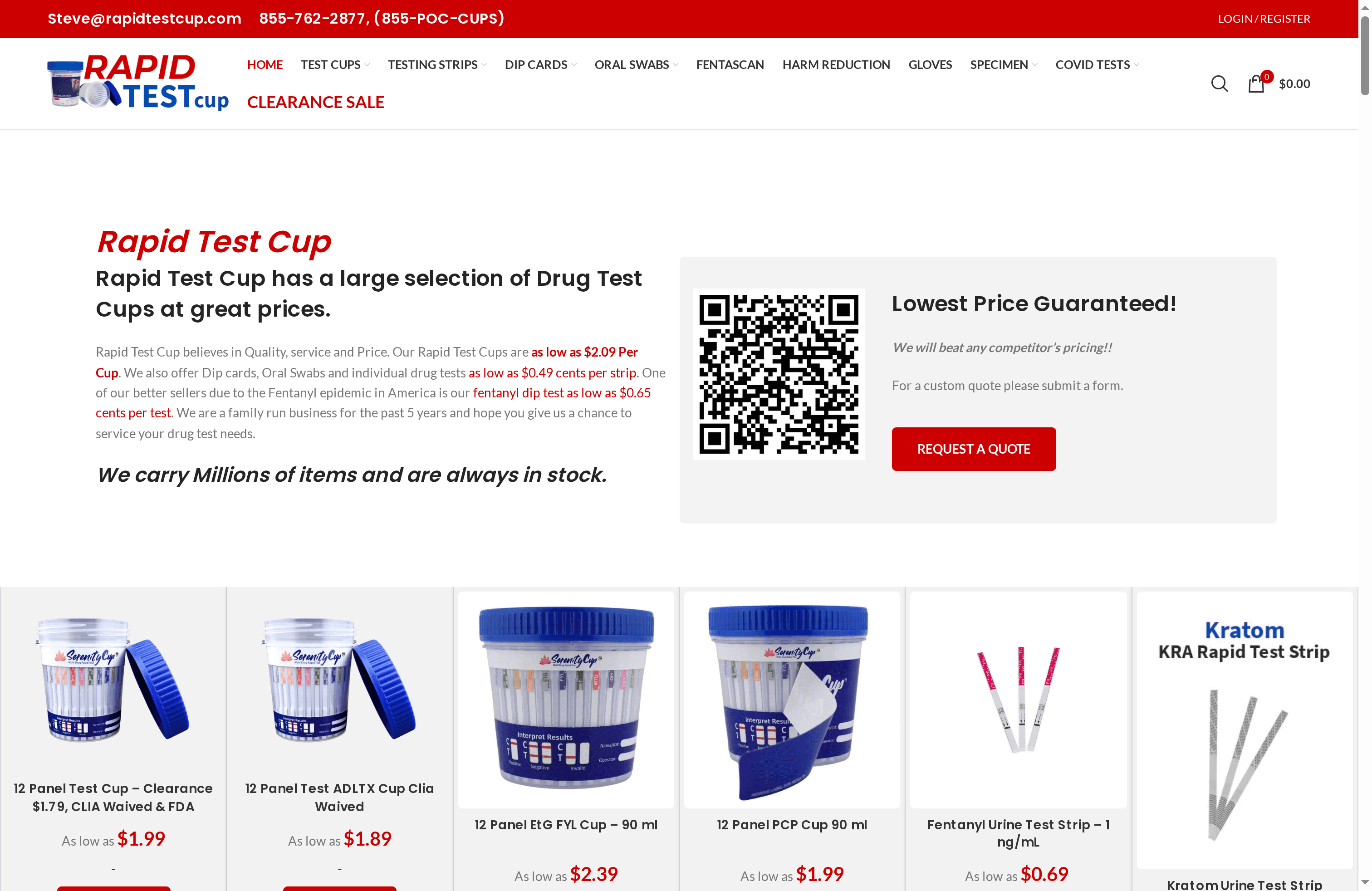
From urine specimen cups with temperature strips to multi-panel drug test cups that screen for adulterants, Rapidtestcup carries the collection supplies that professional workflows require. The top drug testing products for labs include options across 5, 12, 14, and 22 panels, with bulk pricing available for high-volume facilities. Every product ships fast, and the catalog covers both routine screening and forensic-grade chain-of-custody applications.
FAQ
What is the most reliable urine specimen collection method?
Suprapubic aspiration is the most reliable method because it collects urine directly from the bladder, eliminating contamination from urethral or skin flora. Clean-catch midstream is the most common method but carries a higher contamination risk.
Why does swab material matter for molecular testing?
Flocked swabs with flexible shafts are required for PCR and molecular assays. Cotton-tipped and wooden-shaft swabs inhibit nucleic acid extraction and cause assay failure, producing invalid results rather than just weaker ones.
How much blood is needed for adult blood cultures?
The CDC recommends collecting 40–60 mL of total blood across two sets within 24 hours. This volume is the threshold needed to reliably detect low-level bloodstream infections.
What is the most common cause of specimen rejection?
Poor or absent patient instruction is the leading cause of specimen rejection, particularly for complex collections like 24-hour urine. Written instructions at the point of instruction reduce rejection rates more reliably than verbal guidance alone.
How should specimens be labeled to prevent errors?
Label every specimen at the patient’s side immediately after collection using two patient identifiers. Barcode scanning linked to electronic documentation provides full traceability and eliminates the most common misidentification errors in healthcare facilities.