

Blog
How to Interpret Drug Test Results with Confidence


Mistakes in documentation or specimen handling can turn a routine drug test into a legal challenge for even the most experienced forensic laboratory. Accuracy at each step matters not just for compliance, but for the reputation and reliability of every test result you report. This guide highlights the most critical procedures in the drug testing workflow, from securing materials to final documentation, so your laboratory can maintain dependable and legally defensible results worldwide. For every lab manager and quality assurance officer, quality control and proper documentation form the backbone of trustworthy forensic drug analysis.
Table of Contents
- Step 1: Prepare Testing Materials And Documentation
- Step 2: Perform Proper Specimen Handling And Labeling
- Step 3: Execute Testing Procedures According To Protocols
- Step 4: Analyze Result Lines For Positive And Negative Outcomes
- Step 5: Verify And Document Test Findings For Compliance
Quick Summary
| Key Point | Explanation |
|---|---|
| 1. Organize Testing Materials | Gather essential supplies and documentation to ensure accuracy and compliance in drug testing procedures. |
| 2. Maintain Accurate Specimen Handling | Label specimens immediately and follow strict protocols to uphold the integrity of the samples. |
| 3. Execute Testing Precisely | Adhere to strict protocols and document every aspect of the testing process to ensure valid outcomes. |
| 4. Analyze Results Carefully | Interpret test lines accurately to differentiate positive from negative results, considering all visual indicators. |
| 5. Verify Documentation Thoroughly | Ensure all findings are documented clearly, with complete details to maintain legal defensibility and integrity. |
Step 1: Prepare testing materials and documentation
Preparing your testing materials and documentation is the critical first stage in ensuring accurate and legally defensible drug test results. This step involves meticulously organizing your resources and establishing a clear documentation trail that meets forensic and regulatory standards.
To start, gather all necessary testing supplies with precision. Your core materials should include drug test kits, collection containers, labeling materials, and protective personal equipment. Pay special attention to kit expiration dates and storage conditions. Proper sample handling protocols require maintaining consistent environmental conditions to preserve test integrity.
Your documentation process must be systematic and comprehensive. Create a standardized documentation template that captures essential information:
- Date and time of specimen collection
- Unique specimen identification number
- Collector’s name and certification details
- Chain of custody form
- Initial screening and confirmation test results
- Equipment calibration records
Track every step meticulously. Each document should be completed legibly, signed, and maintained according to forensic documentation guidelines, which emphasize the importance of creating an unbroken, verifiable record.
Pro tip: Create digital backups of all physical documentation and implement a redundant storage system to protect against potential loss or damage.
Step 2: Perform proper specimen handling and labeling
Proper specimen handling and labeling represent the critical foundation of accurate drug testing, ensuring the integrity and validity of your forensic analysis. Every step you take during sample collection and identification can directly impact the reliability of your test results.
Rigorous chain-of-custody protocols demand meticulous attention to detail. Start by preparing your labeling materials and documentation forms before specimen collection. Your labeling system should include:
- Unique sequential identification numbers
- Date and time of collection
- Collector’s initials or identification code
- Specimen type and source
- Specific testing requirements
Each specimen container must be labeled immediately upon collection. Use waterproof, permanent markers and ensure all information is legible and accurate. Cross-reference the physical label with your chain of custody documentation to prevent any potential errors or misidentification.

Additionally, follow forensic specimen preservation guidelines to maintain sample integrity. This includes controlling temperature, minimizing contamination risks, and establishing clear storage protocols that protect the evidentiary value of your specimens.
Pro tip: Always create redundant documentation and consider photographing specimen labels as an additional verification method.
Step 3: Execute testing procedures according to protocols
Executing drug testing procedures requires precision, discipline, and strict adherence to established scientific protocols. Your ability to follow standardized methods will determine the reliability and legal defensibility of your test results.
Forensic testing protocols demand meticulous attention to every detail during the analytical process. Begin by carefully reviewing your specific testing methodology and ensuring all equipment is properly calibrated and prepared.
Your testing procedure should include critical steps:
- Verify all reagents and testing materials are within their expiration dates
- Confirm instrument calibration and performance checks
- Follow exact sequence of analytical techniques
- Maintain consistent environmental conditions
- Document each step of the testing process
Each test requires precise instrumental settings and controlled experimental conditions. Pay special attention to variables that could potentially compromise your results, such as temperature fluctuations, reagent quality, and equipment performance.
Consistent methodology is the foundation of trustworthy forensic analysis.
Carefully follow FDA validation guidelines to ensure your testing procedures meet the highest standards of scientific reliability.
Pro tip: Maintain a comprehensive logbook documenting every procedural detail, equipment status, and environmental condition during testing.
Step 4: Analyze result lines for positive and negative outcomes
Analyzing drug test result lines requires a systematic and precise approach to distinguish between positive and negative outcomes. Your ability to accurately interpret these visual indicators can make the difference between a reliable test result and a potentially misleading conclusion.
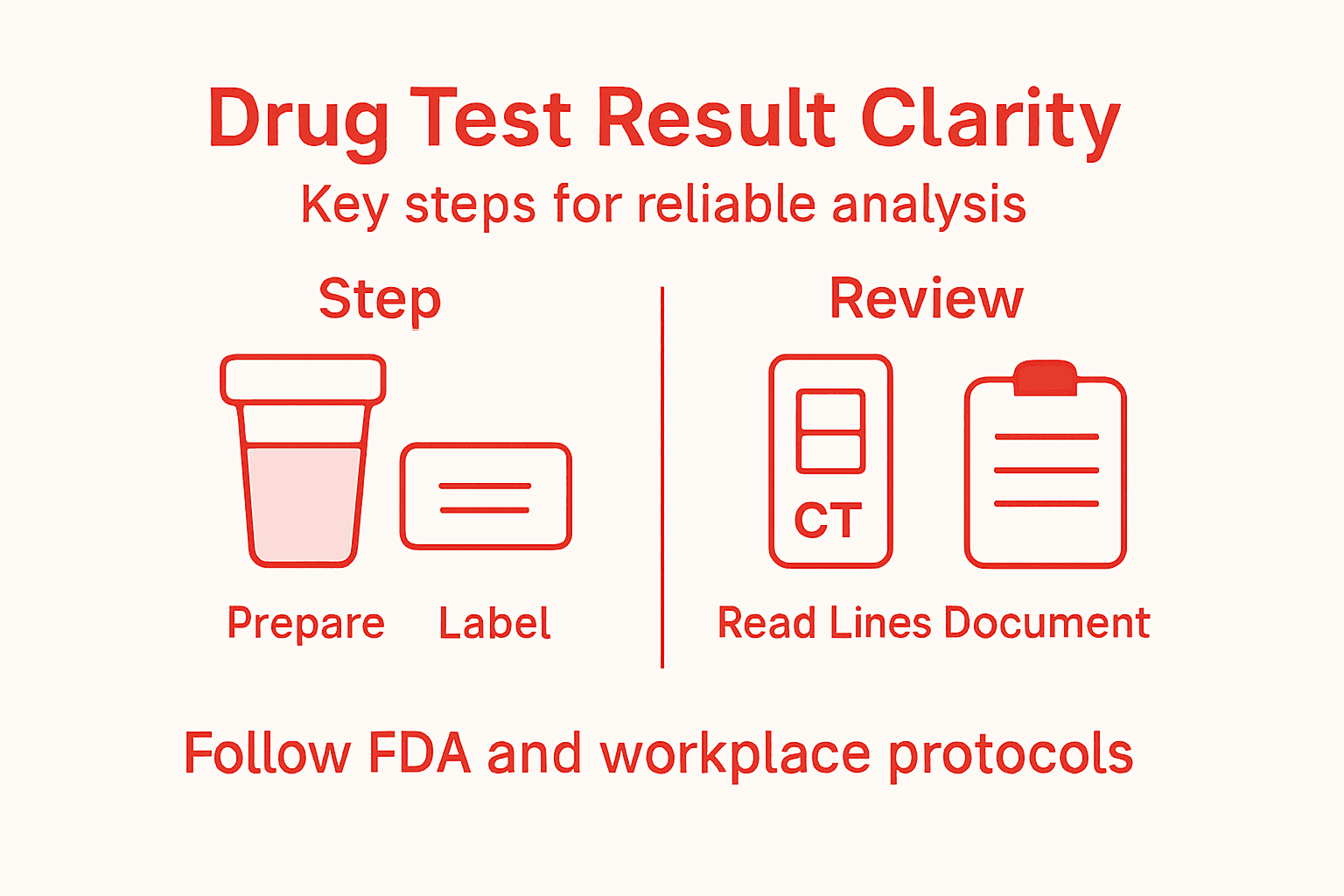
Medical Review Officer guidelines provide critical framework for interpreting test results with scientific rigor. Understanding the nuanced characteristics of test lines is fundamental to accurate drug screening.
Key elements to assess when analyzing result lines include:
- Color intensity of control and test lines
- Position and clarity of line appearance
- Presence or absence of specific line markers
- Consistent line width and definition
- Comparison against standardized reference charts
Understand that line visibility and intensity are crucial indicators. A fully visible control line with no test line suggests a negative result, while the appearance of additional lines indicates potential drug presence.
Precision in line interpretation is the cornerstone of reliable drug screening.
For comprehensive result validation, workplace drug testing resources recommend confirmatory testing when initial screenings show ambiguous results.
Pro tip: Always have a second trained professional independently verify ambiguous or borderline test results to ensure maximum accuracy.
Step 5: Verify and document test findings for compliance
Verifying and documenting drug test findings is a critical process that transforms raw data into legally defensible evidence. Your documentation must be precise, comprehensive, and aligned with regulatory standards to ensure the integrity and reliability of your testing results.
Medical Review Officer protocols mandate a systematic approach to result verification and documentation. This process involves multiple layers of verification to minimize potential errors and maintain legal compliance.
Critical documentation components include:
- Unique test identification number
- Date and time of sample collection
- Specific testing methodology used
- Detailed test results with precise measurements
- Analyst or Medical Review Officer signature
- Confirmation of chain of custody
Ensure that your documentation follows forensic standards and captures every relevant detail. Legibility and accuracy are non-negotiable requirements in this process, as incomplete or unclear records can compromise the entire testing procedure.
Comprehensive documentation transforms test results from mere data points into legally credible evidence.
Additionally, FDA documentation guidelines recommend maintaining a comprehensive audit trail that allows for retrospective review and verification of testing processes.
Pro tip: Create digital backup copies of all physical documentation and implement a secure, multi-layered storage system to protect against potential loss or damage.
The following table summarizes roles and responsibilities during the drug testing workflow:
| Role | Key Responsibility | Critical Documentation |
|---|---|---|
| Collector | Proper sample handling | Chain of custody form |
| Analyst | Perform test protocols | Instrument readings log |
| Medical Review Officer | Final result verification | Confirmatory analysis record |
| Quality Manager | Compliance oversight | Audit trail and reviews |
Here is a comparison of common errors at each drug testing step and their potential consequences:
| Step | Common Error | Possible Consequence |
|---|---|---|
| Preparation | Using expired test kits | Invalid or unreliable results |
| Collection & Labeling | Incomplete labels | Misidentification of sample |
| Testing Procedure | Skipping calibration | False positive/negative findings |
| Result Analysis | Misreading lines | Incorrect test interpretation |
| Verification & Documentation | Missing signatures | Loss of legal defensibility |
Gain Confidence in Drug Test Interpretation with Trusted Supplies
Interpreting drug test results accurately and confidently requires more than just knowledge — it demands reliable tools that meet stringent forensic and regulatory standards. This article highlights key challenges such as maintaining specimen integrity, following meticulous documentation protocols, and correctly analyzing result lines to avoid costly errors that could undermine test reliability or legal defensibility.
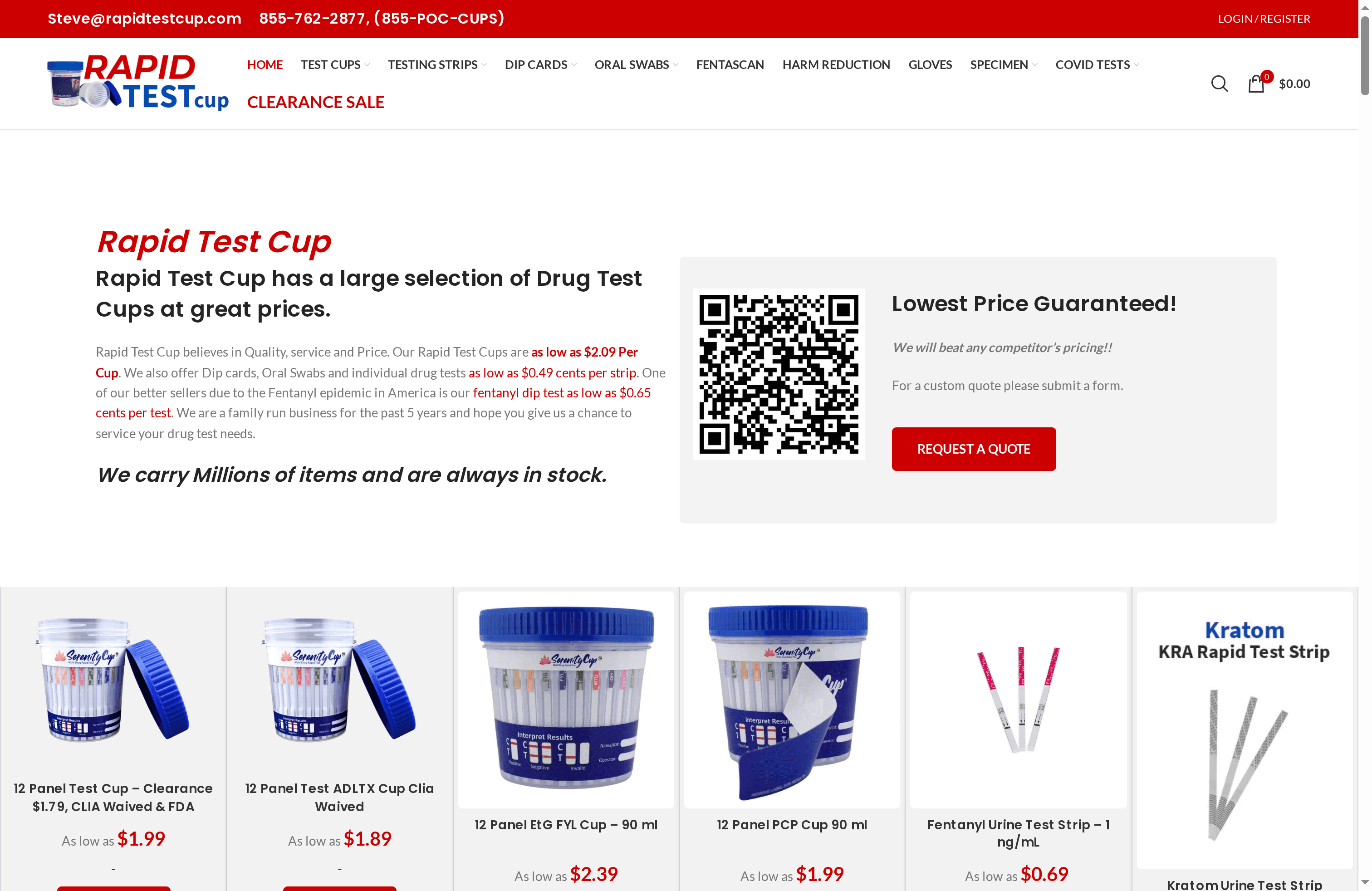
Ensure your testing process is backed by quality you can trust. Explore our extensive collection of FDA-approved drug test cups, urine test strips, and specimen collection supplies designed specifically for professional and forensic use. RapidTestCup.com offers affordability alongside quick shipping and bulk discounts so you can maintain compliance with confidence. Start your journey to accurate drug screening today by visiting RapidTestCup and secure the precision your testing procedures require.
Frequently Asked Questions
How can I determine if a drug test result is positive or negative?
A drug test result is considered negative if the control line appears fully and the test line does not. Check your result lines against standard reference charts to confirm accuracy.
What steps should I take if I receive an ambiguous drug test result?
If you receive an ambiguous result, always conduct a confirmatory test to verify findings. This will help clarify any uncertainties and ensure an accurate interpretation.
How important is documentation in drug testing?
Documentation is vital in maintaining the integrity and legal defensibility of drug test results. Keep comprehensive records at every testing stage, including collection time, specimen identification, and test results.
What should I do to prepare for interpreting drug test results?
To prepare for interpreting drug test results, familiarize yourself with the testing protocols and guidelines. Review the specific indicators that differentiate between positive and negative outcomes before conducting tests.
How can I ensure my test results are legally defensible?
To ensure your test results are legally defensible, meticulously follow testing protocols and maintain accurate documentation throughout the process. Implement an audit trail for all testing activities to support the validity of your results.
What are the common errors when interpreting drug test results?
Common errors include misreading result lines and improper documentation. Pay special attention to line clarity and color intensity to avoid inaccuracies in interpretations.