

Blog
Interpreting Urine Drug Test Results for Accurate Decisions

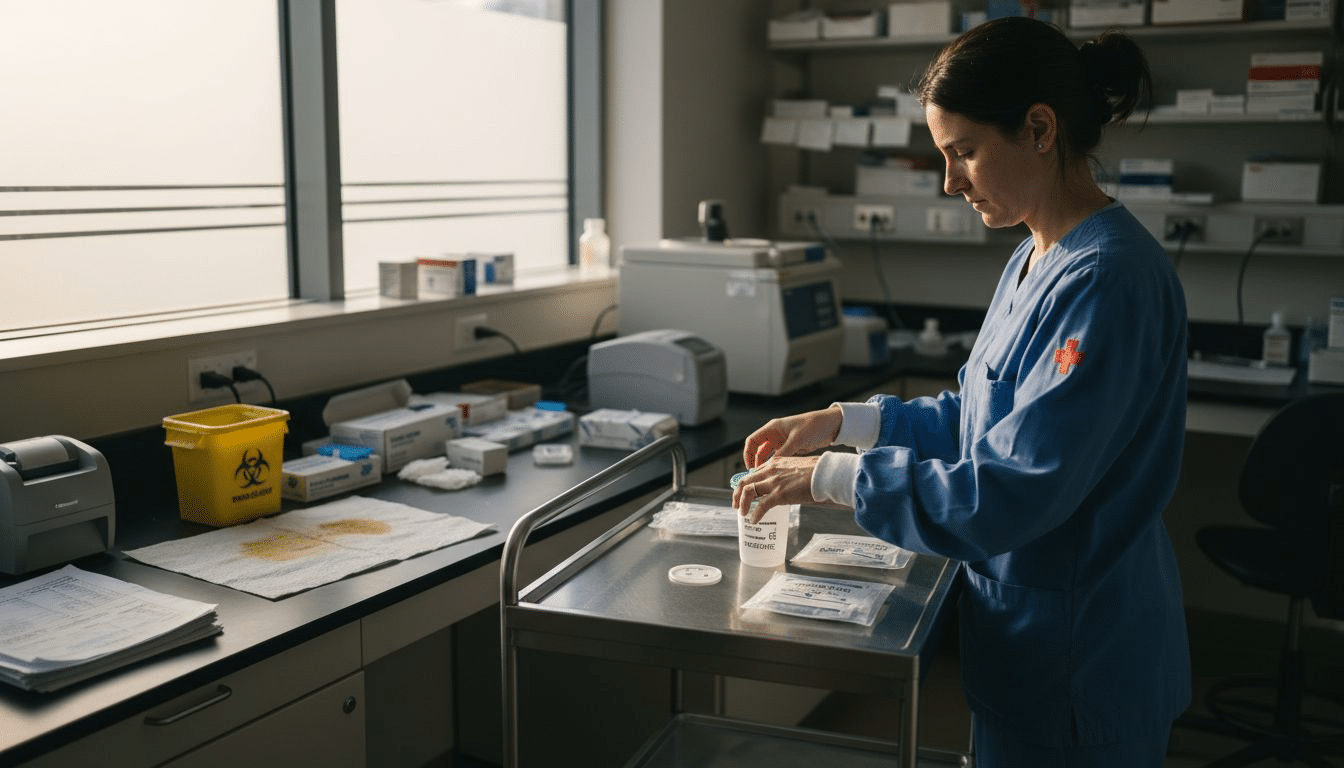
Most American laboratories face intense scrutiny when documenting urine drug test results, especially as compliance standards increase worldwide. Accurate interpretation is crucial for patient monitoring and legal documentation, yet even minor collection errors can invalidate an entire test. This guide outlines each step, offering laboratory technicians and compliance officers practical strategies to improve specimen integrity, spot adulteration, and deliver reliable, defensible reports.
Table of Contents
- Step 1: Prepare Testing Materials And Ensure Proper Specimen Collection
- Step 2: Review Drug Test Panel And Testing Protocols
- Step 3: Read And Interpret Urine Drug Test Results Accurately
- Step 4: Verify Test Findings And Check For Adulteration
- Step 5: Document Results In Compliance With Regulatory Standards
Quick Summary
| Key Insight | Explanation |
|---|---|
| 1. Use Proper Collection Techniques | Follow the clean-catch midstream method for accurate results and avoid contamination. |
| 2. Understand Drug Test Panels | Knowing substances tested and testing methods is crucial for reliable results. |
| 3. Verify Specimen Authenticity | Check for signs of tampering and ensure specimen validity through thorough examination. |
| 4. Document Results Thoroughly | Create detailed, legally defensible records that maintain confidentiality and traceability. |
| 5. Consult Professionals for Interpretation | Always seek expert advice when faced with ambiguous or complex test results. |
Step 1: Prepare testing materials and ensure proper specimen collection
Preparing for a urine drug test requires careful attention to detail and strict adherence to collection protocols. Your goal is to obtain a clean, uncontaminated specimen that provides accurate and reliable results.
Begin by assembling all necessary collection materials, including a clean urine specimen cup with temperature strip. Medical experts recommend using sterile, single-use collection containers to prevent cross-contamination. Next, put on disposable gloves and carefully review the collection instructions provided with your testing kit. The Stanford Medicine guidelines emphasize thorough hand washing before handling any collection materials to maintain specimen integrity.
When collecting the urine sample, follow the clean-catch midstream method. This technique involves first urinating briefly into the toilet, then positioning the collection cup to capture the midstream portion of urine. This approach helps minimize external bacterial contamination and ensures a more accurate test result. Immediately after collection, check the specimen cup’s temperature strip to verify the sample was collected at the appropriate body temperature range, typically between 90 and 100 degrees Fahrenheit.
Pro tip: Always keep the collection area private and follow each step methodically to prevent sample invalidation.
Step 2: Review drug test panel and testing protocols
Reviewing drug test panels and testing protocols is a critical step in ensuring accurate and reliable substance screening results. Your objective is to understand the specific substances being tested and the precise methodology used for detection.
Start by carefully examining the comprehensive drug test panel details to identify which substances will be screened. The American Society of Addiction Medicine guidelines emphasize that no universal standard exists for drug testing, making it crucial to select a panel that matches your specific screening requirements. Consider factors such as the testing environment, potential substances of concern, and the detection window for each drug type.
Next, review the testing protocols meticulously. This involves understanding the specimen collection method, chain of custody procedures, confirmation testing processes, and potential adulterant checks. Pay close attention to the recommended thresholds for each substance and the specific testing methodology used immunoassay screening or gas chromatography mass spectrometry confirmation. Understanding these technical details helps ensure the most accurate and defensible test results possible.
Pro tip: Always verify the accreditation and certification of the testing laboratory to guarantee the highest standards of accuracy and reliability.
Step 3: Read and interpret urine drug test results accurately
Interpreting urine drug test results requires a systematic approach that goes beyond simply reading positive or negative indicators. Your goal is to understand the nuanced details of the test results while recognizing potential limitations and contextual factors.
Carefully examine the comprehensive guide to drug test differences to understand the screening methodology used. The Michigan Open testing guide emphasizes the importance of distinguishing between initial screening results and confirmatory testing. Initial immunoassay tests can produce false positives, so always look for confirmation through more precise techniques like gas chromatography mass spectrometry. Pay attention to the specific cutoff levels for each substance, as these determine whether a result is considered positive.
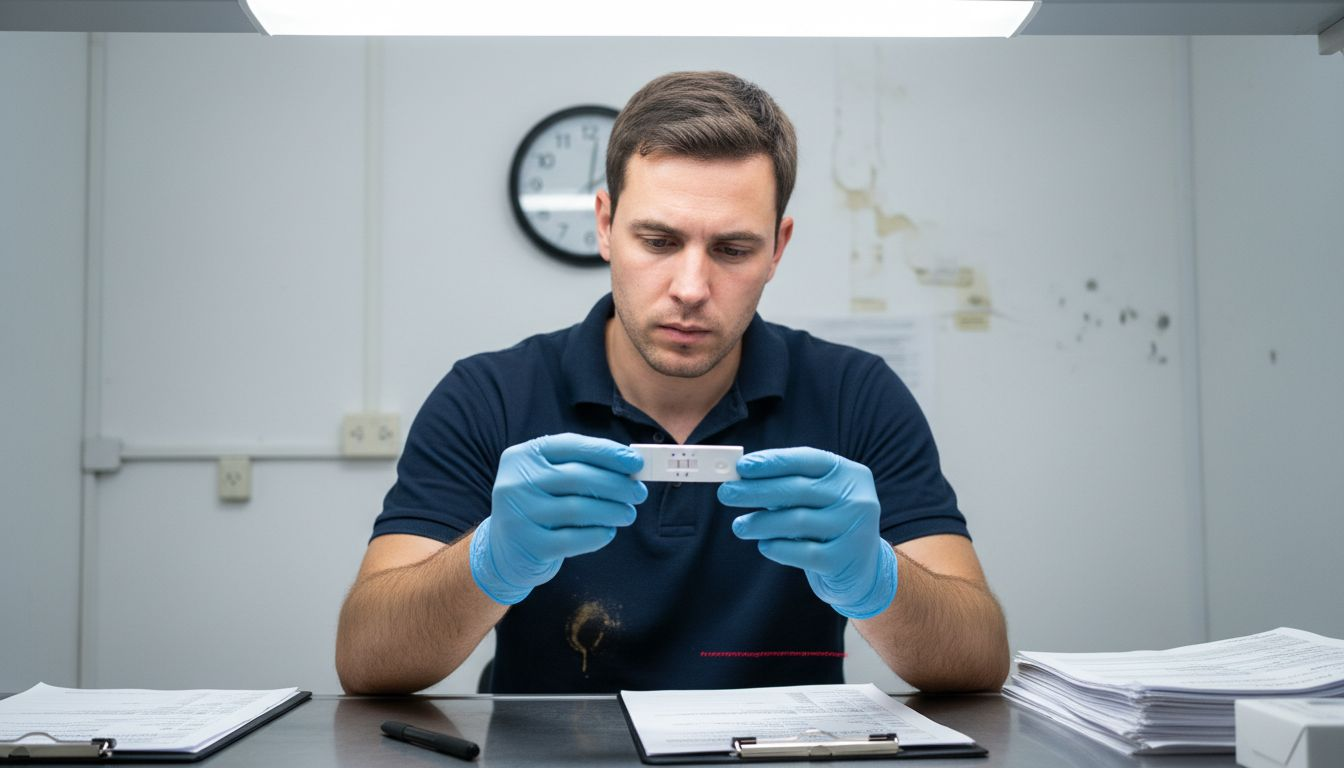
Here’s a quick comparison of urine drug testing methods used for initial screening and confirmation:
| Method | Main Purpose | Accuracy Level | Typical Use Case |
|---|---|---|---|
| Immunoassay | Rapid screening | Moderate, may false | Preliminary test results |
| Gas Chromatography/MS | Confirm test results | High, low false rate | Legal or clinical review |
| Adulterant Detection | Check for tampering | High specificity | Specimen integrity checks |
Analyze the results holistically by considering potential factors that might influence the test outcome. This includes reviewing the patient’s medical history, current medications, recent dietary supplements, and potential specimen collection issues. Look for any signs of specimen adulteration or tampering that could invalidate the results. Understanding the detection windows for different substances and the sensitivity of the specific drug panel is crucial for accurate interpretation.
Pro tip: Always consult with a medical professional or certified laboratory specialist when interpreting complex or ambiguous drug test results.
Step 4: Verify test findings and check for adulteration
Verifying drug test results goes beyond simply reading the initial findings. Your critical mission is to ensure the absolute integrity of the specimen and confirm the authenticity of the testing process by detecting any potential manipulation attempts.
Start by examining the comprehensive 15-panel drug test with adulterant detection to understand the comprehensive screening capabilities. The Forensic Research and Training Institute documentation highlights the sophisticated methods individuals might use to circumvent drug testing, including chemical adulterants, synthetic urine, and dilution techniques. Look for key indicators of specimen tampering such as unusual color, unexpected pH levels, creatinine concentrations, specific gravity, and temperature variations that might suggest external manipulation.
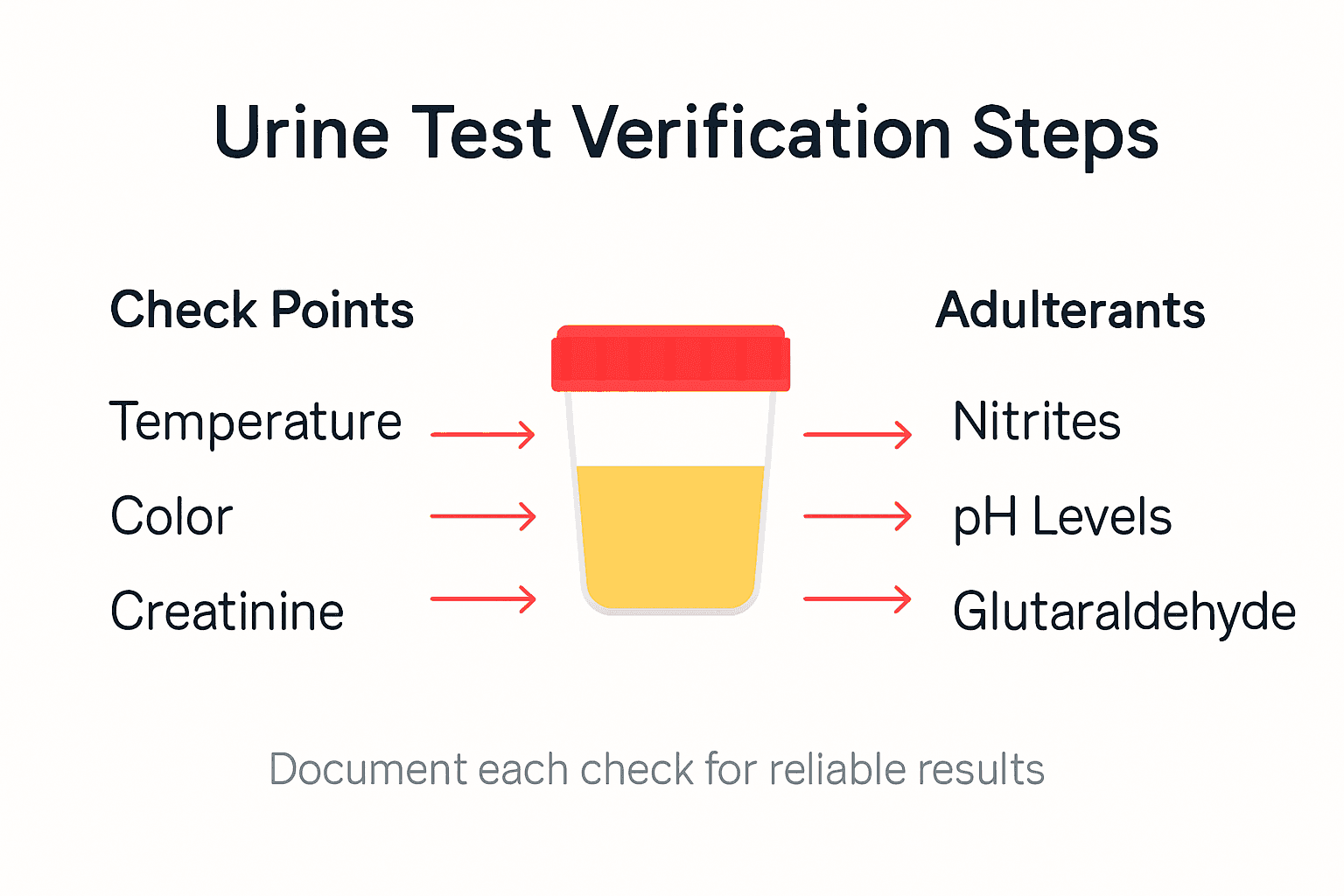
Carefully assess the specimen validity through multiple verification steps. Check for common adulterants like nitrites, bleach, glutaraldehyde, and oxidizing agents that can interfere with test results. Pay special attention to the specimen’s physical characteristics, compare them against established baseline measurements, and cross reference with the laboratory’s standard validation protocols. Understanding these nuanced detection methods will help you distinguish between genuine test results and potentially compromised specimens.
Pro tip: Always maintain a strict chain of custody and document every observation during the verification process to ensure legal and scientific defensibility.
Step 5: Document results in compliance with regulatory standards
Documenting drug test results requires precision and adherence to stringent regulatory protocols. Your primary objective is to create comprehensive, legally defensible documentation that maintains patient confidentiality and professional integrity.
Refer to the comprehensive clinical regulatory documentation guidelines to establish a systematic approach to result recording. The Michigan Open urine testing guide emphasizes using non stigmatizing language and creating documentation that supports treatment decisions without punitive implications. Develop a standardized template that captures essential information including specimen identification numbers, collection timestamps, testing methodologies, initial and confirmatory test results, and any observed anomalies during the testing process.
Ensure your documentation follows Good Clinical Practice (GCP) standards by maintaining detailed chain of custody records, preserving the confidentiality of individual test results, and creating clear audit trails. Include precise measurements, specific testing panel information, confirmation method details, and any relevant contextual notes that might impact result interpretation. Pay special attention to recording specimen validity checks, adulterant screening results, and any potential limitations in the testing process that could affect result reliability.
Use this summary table to help ensure thorough drug test result documentation:
| Documentation Step | Key Details to Capture | Regulatory Benefit |
|---|---|---|
| Chain of custody record | Transfer times, handlers | Legal defensibility |
| Specimen validity checks | Temperature, color, pH | Confirms specimen integrity |
| Panel and confirmation info | Substances, methods used | Supports interpretation |
| Result anomalies | Observed test irregularities | Notes limitations |
Pro tip: Create digital backup copies of all documentation and store them in secure, encrypted systems with strict access controls.
Ensure Accurate Urine Drug Test Interpretation with Reliable Supplies
Interpreting urine drug test results requires careful attention to specimen integrity, proper test panels, and thorough adulteration checks. Without the right materials and testing kits, you risk compromising your results and making inaccurate decisions. Whether you manage a clinic, forensic lab, or substance abuse program, having access to high-quality, FDA-approved drug test cups and collection supplies is essential for accuracy and compliance.
Equip yourself today with premium drug testing products from RapidTestCup. Our wide selection includes urine specimen cups with temperature strip and multi-panel drug tests designed for precise screening and adulteration detection. Don’t leave your testing to chance. Visit RapidTestCup now and take the first step toward confident, compliant drug test result interpretation.
Frequently Asked Questions
How can I accurately interpret my urine drug test results?
Interpreting urine drug test results involves analyzing both initial screening and confirmatory test results. Start by understanding the specific substances tested and their cutoff levels to determine if a result is positive or negative.
What should I look for in my urine drug test screening methodology?
Evaluate the screening methodology used, such as immunoassay for initial results and gas chromatography mass spectrometry for confirmation. Review these methods to ensure they align with your testing goals and provide the most reliable results.
How do I identify any potential issues with my urine specimen?
Examine your urine specimen for indicators of tampering, such as unusual color or temperature variations. If any discrepancies arise, document them and consider additional testing to confirm the integrity of the specimen.
What information is essential when documenting urine drug test results?
Key details include specimen identification numbers, testing methodologies, and observed anomalies. Document these elements thoroughly to maintain legal defensibility and ensure proper interpretation of the results.
How can I ensure the accuracy of my urine drug test documentation?
Follow a standardized format that includes chain of custody records and specimen validity checks. Maintain detailed notes throughout the testing process to support the integrity and accuracy of the documentation.