Blog
What Is a Pre-Employment Drug Test and Why It Matters


More than half of American employers rank workplace drug use as a top safety concern. For HR managers and compliance officers, the pressure to minimize risks while controlling costs is real. Affordable and reliable pre-employment drug testing not only supports compliance with strict Federal and state standards but also protects your organization’s reputation and workforce. Learn how current screening strategies can help American companies strike the right balance between safety, compliance, and efficient hiring.
Table of Contents
- Defining Pre-Employment Drug Testing and Its Purpose
- Common Types of Pre-Employment Drug Tests
- How the Drug Testing Process Works
- Legal Standards and Regulatory Compliance
- Risks, Costs, and Employer Obligations
Key Takeaways
| Point | Details |
|---|---|
| Purpose of Testing | Pre-employment drug testing aims to ensure workplace safety and productivity. |
| Testing Methods | Common drug tests include urine, hair, saliva, and blood, each with unique advantages. |
| Legal Compliance | Employers must adhere to legal regulations while maintaining candidate privacy and fairness. |
| Cost Implications | Ineffective drug screening can lead to increased costs and risks for organizations. |
Defining Pre-Employment Drug Testing and Its Purpose
Pre-employment drug testing is a systematic screening process employers utilize to evaluate job candidates for potential substance use before finalizing hiring decisions. This critical workplace safety protocol helps organizations determine candidate drug use that could potentially compromise workplace performance and safety standards.
The primary purpose of pre-employment drug screening extends beyond simple compliance. It represents a proactive strategy designed to mitigate workplace risks, protect employee safety, and maintain organizational productivity. Employers across various industries, particularly in safety-sensitive sectors like transportation, healthcare, and manufacturing, rely on these screenings to ensure they are building a reliable and responsible workforce.
Typically, pre-employment drug tests analyze biological samples such as urine, hair, or blood to detect the presence of prohibited substances. These tests can identify recent usage of illegal drugs, prescription medication misuse, and potential substance abuse patterns that might impact job performance. Workplace drug testing strategies have evolved significantly, reflecting changing legal landscapes and increasing awareness about workplace safety requirements.
Pro tip: Always review and understand your company’s specific drug testing policies and consent requirements before participating in pre-employment screenings to ensure you are fully informed about the process.
Common Types of Pre-Employment Drug Tests
Pre-employment drug testing encompasses several distinct methodologies, each with unique characteristics and detection capabilities. Drug test screening methods vary in their approach, providing employers with multiple options to assess candidate substance use patterns and workplace readiness.
The most prevalent types of pre-employment drug tests include urine, hair follicle, saliva, and blood screenings. Urine tests remain the most common, offering a cost-effective and straightforward approach to detecting recent drug use. These tests can identify a wide range of substances, including marijuana, cocaine, opiates, amphetamines, and PCP. Hair follicle tests provide a more extensive detection window, revealing substance use patterns spanning up to 90 days, making them particularly valuable for identifying long-term drug use history.
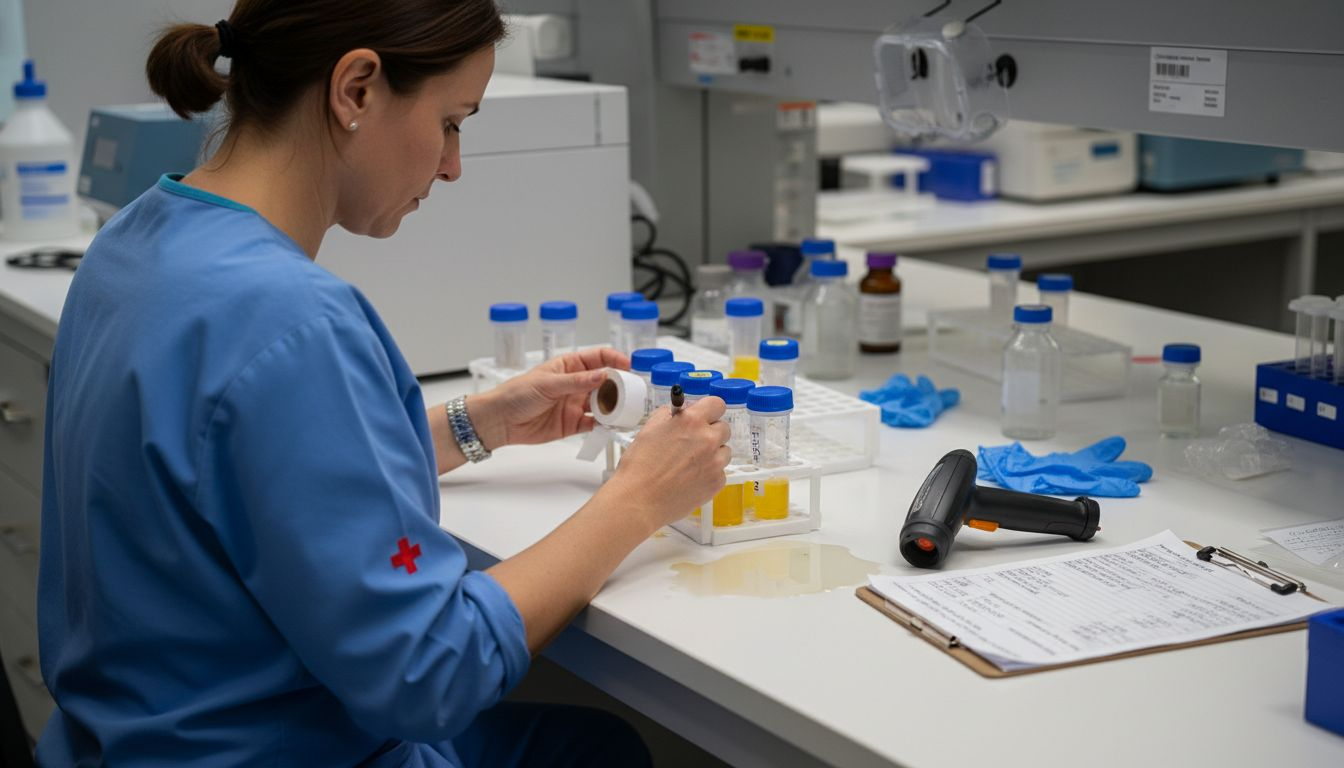
Saliva and blood tests offer complementary screening approaches. Saliva tests are non-invasive and can detect very recent drug use within a 24-48 hour window, while blood tests provide the most precise real-time measurement of substance levels. Drug testing panels typically prioritize urine and hair screenings due to their broader detection capabilities and lower cost compared to blood tests.
Here’s a comparison of common pre-employment drug test types and their unique characteristics:
| Test Type | Detection Window | Advantages | Typical Cost |
|---|---|---|---|
| Urine | 1-7 days | Most common, low cost | Low |
| Hair Follicle | Up to 90 days | Detects long-term use patterns | Moderate |
| Saliva | 24-48 hours | Non-invasive, recent use focus | Low |
| Blood | Hours to 1-2 days | Most precise, real-time results | High |
Pro tip: Understand the specific drug testing requirements for your industry, as different sectors may mandate particular screening methods or have unique detection protocol standards.
How the Drug Testing Process Works
The pre-employment drug testing process follows a structured, systematic approach designed to ensure accuracy, fairness, and workplace safety. Drug screening protocols begin with obtaining explicit candidate consent and providing clear information about the testing requirements and procedures.
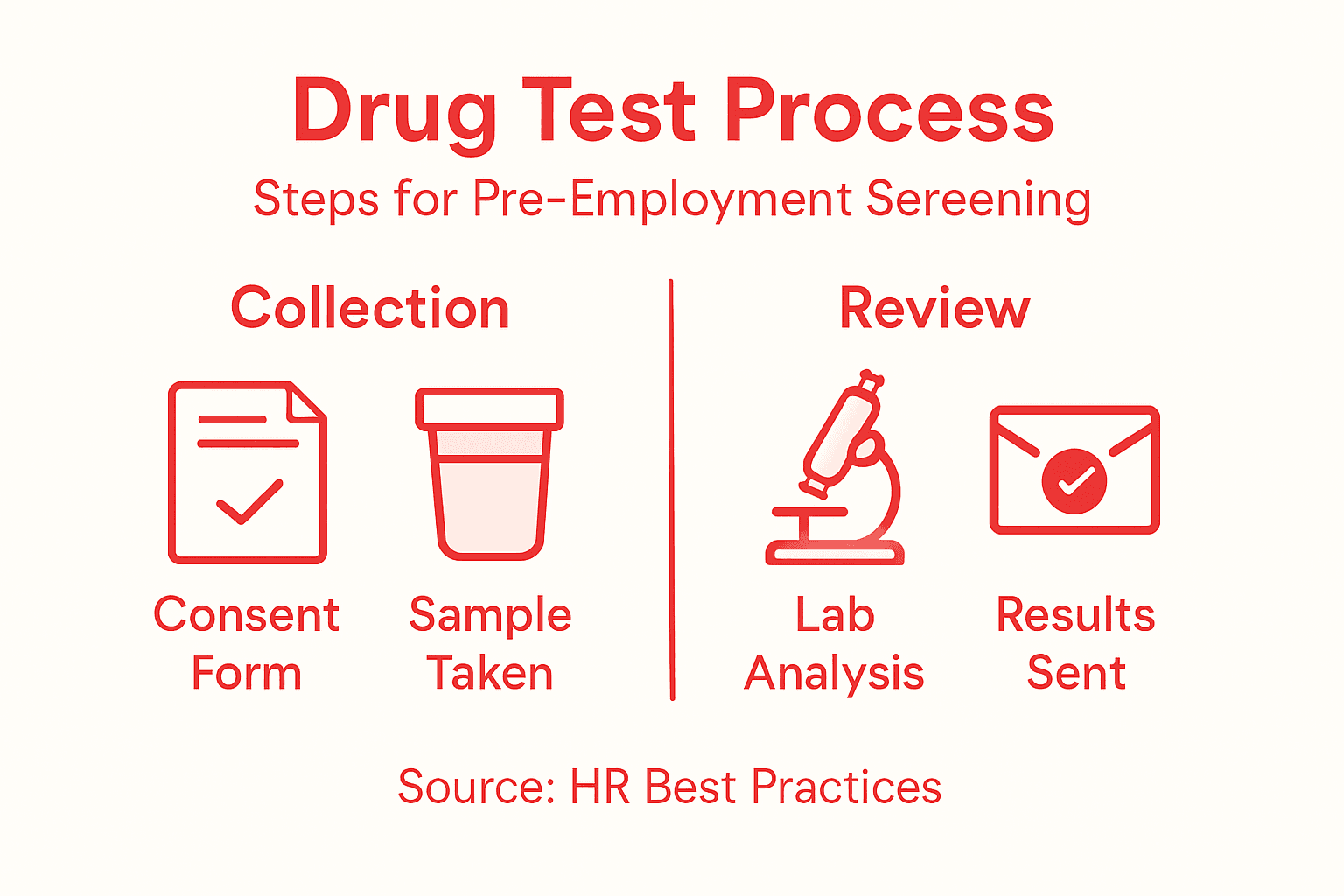
Typically, the process involves several key stages. First, candidates are scheduled for sample collection at designated testing facilities. During this initial phase, biological specimens such as urine, hair, saliva, or blood are collected under strict chain-of-custody guidelines to maintain sample integrity. The collected samples are then sent to certified laboratories for comprehensive screening. Initial screening uses immunoassay techniques to detect the presence of specific drug metabolites, with any positive results subjected to more rigorous confirmation testing using advanced methods like gas chromatography or mass spectrometry.
After laboratory analysis, workplace drug testing workflows involve a medical review process where a qualified Medical Review Officer (MRO) evaluates the results. The MRO examines potential medical explanations for positive results, such as prescribed medications, and determines the final interpretation. Employers receive a confidential report indicating whether the candidate passed or failed the drug screening, which plays a critical role in making informed hiring decisions.
Pro tip: Always maintain transparency with candidates about the drug testing process, explaining each step to reduce anxiety and promote a clear understanding of the screening procedures.
Legal Standards and Regulatory Compliance
Pre-employment drug testing operates within a complex legal framework designed to balance employer safety requirements with employee rights. Federal drug testing regulations establish comprehensive guidelines that govern how organizations can conduct screening procedures while protecting individual privacy and maintaining fair hiring practices.
Key legal standards encompass multiple federal statutes and regulatory requirements. The Americans with Disabilities Act (ADA) provides critical protections for employees using legally prescribed medications, preventing discrimination against individuals with documented medical conditions. The Department of Transportation maintains particularly stringent regulations for safety-sensitive positions, mandating specific drug testing protocols for transportation workers, including truck drivers, airline personnel, and railway employees. These regulations specify detailed testing procedures, acceptable substance panels, and reporting requirements that employers must strictly follow.
Workplace drug screening laws also require employers to maintain consistent, transparent policies that are applied uniformly across all candidate populations. This means developing clear written procedures, obtaining explicit candidate consent, ensuring confidentiality of test results, and implementing standardized screening processes that do not discriminate based on race, gender, age, or other protected characteristics. Employers must also be prepared to handle potential legal challenges by maintaining meticulous documentation and following established medical review procedures.
The table below summarizes key employer obligations related to legal compliance in pre-employment drug testing:
| Obligation | Description | Why It Matters |
|---|---|---|
| Written Policies | Clear, documented test procedures | Ensures consistency and transparency |
| Candidate Consent | Obtain explicit agreement before screening | Protects candidate rights |
| Confidentiality | Maintain privacy of test results | Reduces legal risks |
| Non-discrimination | Apply standards equally to all candidates | Supports fair hiring practices |
Pro tip: Consult with legal counsel to develop comprehensive drug testing policies that comply with federal, state, and local regulations to minimize potential liability and ensure fair hiring practices.
Risks, Costs, and Employer Obligations
Employers face significant financial and legal challenges when navigating pre-employment drug testing, with potential consequences extending far beyond initial screening costs. Workplace drug testing risks reveal that hiring employees who use drugs can substantially increase organizational expenses through elevated workplace accidents, reduced productivity, and higher workers’ compensation claims.
The financial implications of ineffective drug screening are substantial. Organizations may experience increased healthcare costs, higher employee turnover rates, and potential liability for incidents caused by impaired workers. Safety-sensitive industries like transportation, construction, and manufacturing face particularly acute risks, where a single drug-related incident could result in catastrophic financial losses, legal penalties, and reputational damage. Employers must invest in comprehensive drug testing protocols that not only detect substance use but also demonstrate a proactive commitment to workplace safety and employee well-being.
Drug testing program strategies require ongoing refinement to address evolving substance use trends and legal requirements. Employers have critical obligations that extend beyond initial screening, including maintaining confidential testing procedures, ensuring fair and consistent policy implementation, and creating supportive frameworks for employees struggling with substance abuse. This includes developing clear communication channels, offering employee assistance programs, and implementing rehabilitation opportunities where appropriate.
Pro tip: Conduct a comprehensive cost-benefit analysis of your drug testing program annually to ensure your approach remains both legally compliant and financially responsible.
Ensure Workplace Safety with Reliable Pre-Employment Drug Testing Solutions
Understanding the critical role of pre-employment drug testing in maintaining a safe and productive work environment is just the first step. Employers face challenges such as selecting accurate, cost-effective testing methods and complying with complex legal standards. From urine to hair follicle screenings, choosing the right testing kits impacts how well you mitigate risks and uphold workplace safety.
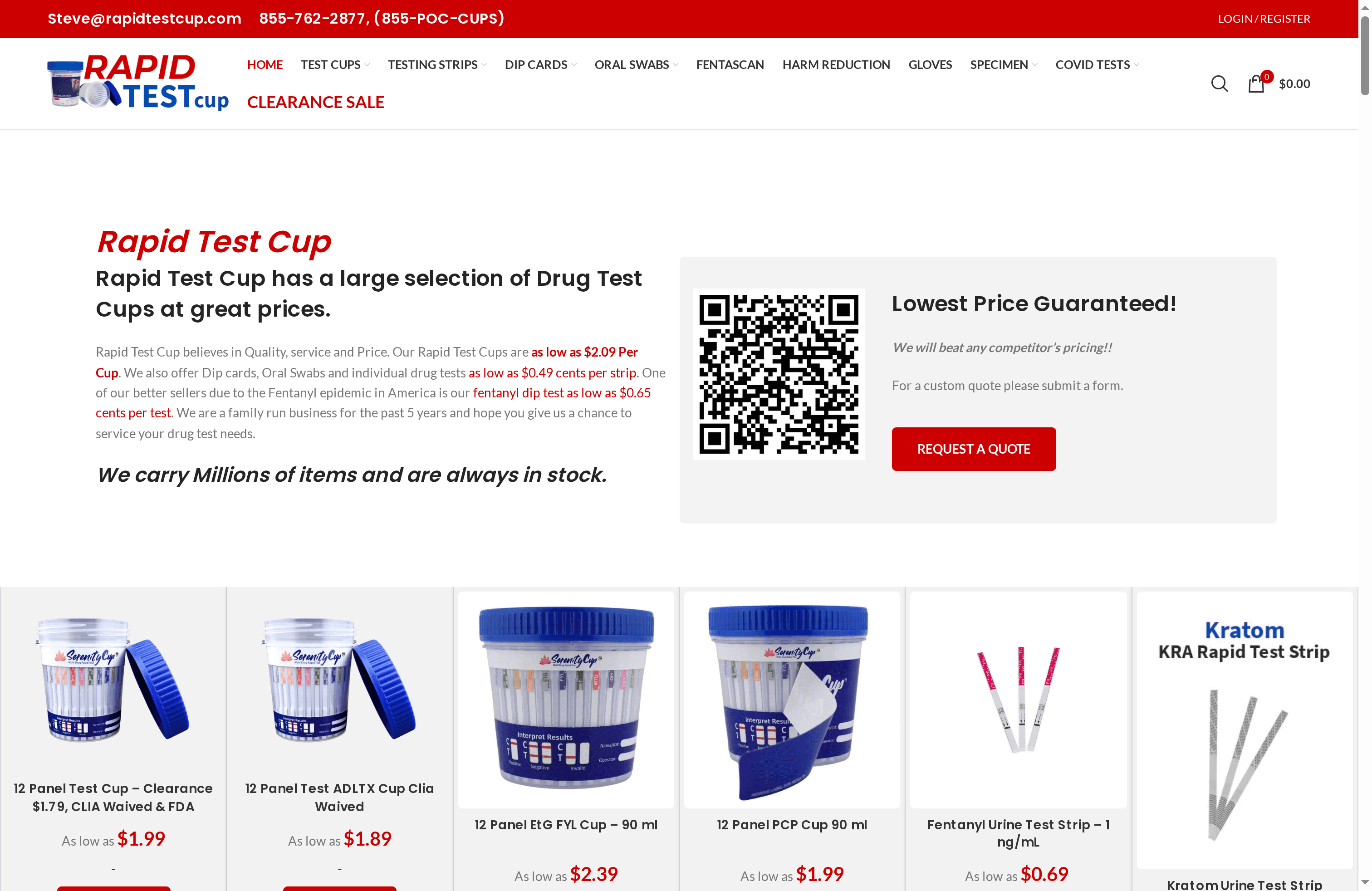
Take control of your drug screening process today by exploring our wide selection of high-quality, FDA-approved drug test cups, dip cards, and specimen collection supplies at RapidTestCup. Our products cater to professional and forensic needs with affordability and fast shipping so you can stay compliant and confident in your hiring decisions. Discover how easy it is to implement rigorous drug testing by visiting RapidTestCup now and equip your team with trusted tools designed for accuracy and legal compliance.
Frequently Asked Questions
What is the purpose of pre-employment drug testing?
Pre-employment drug testing is designed to evaluate job candidates for potential substance use before finalizing hiring decisions. Its primary goal is to mitigate workplace risks, protect employee safety, and maintain organizational productivity.
What types of substances can be detected through pre-employment drug tests?
Pre-employment drug tests can detect a wide range of substances, including illegal drugs like marijuana, cocaine, opiates, amphetamines, and PCP, as well as prescription medication misuse.
How does the pre-employment drug testing process work?
The pre-employment drug testing process typically involves obtaining candidate consent, collecting biological samples (such as urine or hair) at testing facilities, and analyzing these samples in certified laboratories. Positive results are further evaluated by a Medical Review Officer (MRO).
What legal standards must employers follow when conducting drug tests?
Employers must comply with federal regulations and maintain written drug testing policies that protect candidate rights, ensure confidentiality of test results, and apply testing standards uniformly to all applicants.