

Blog
Why Use Home Drug Tests: Ensuring Trust and Safety


Over 40 million American households have purchased home drug tests in recent years, reflecting a growing concern about privacy and personal health. With substance use affecting families and workplaces across the United States, accessible testing options have become a priority. If you are curious about how these tools work or want to better understand their accuracy, benefits, and potential pitfalls, clear advice can help you make informed choices.
Table of Contents
- What Are Home Drug Tests and How They Work
- Common Types and Detection Capabilities Explained
- Applications for Professionals and Families
- Accuracy, Privacy, and Legal Considerations
- Risks, Misuse, and Choosing Reliable Kits
Key Takeaways
| Point | Details |
|---|---|
| Home Drug Tests Offer Convenience | Home drug tests provide rapid, private results for substance screening, mainly through urine samples. |
| Limitations and Confirmation Needed | While useful for preliminary assessments, positive results should always be confirmed with laboratory testing. |
| Multiple Testing Formats Available | Urine, saliva, and hair follicle tests each offer distinct detection windows and suitability for different situations. |
| Potential Risks and Best Practices | Proper kit selection and adherence to administration guidelines are crucial to avoid inaccuracies and misuse. |
What Are Home Drug Tests and How They Work
Home drug tests are convenient screening tools designed to detect the presence of various substances in an individual’s biological sample, most commonly urine. These diagnostic kits provide rapid, confidential results that can help individuals and organizations monitor substance use quickly and efficiently.
Typically, home drug tests function through a straightforward process involving immunoassay technology. When a urine sample is applied to the testing strip or cup, specific antibodies react with drug molecules, producing visible color changes or lines that indicate the presence or absence of targeted substances. These tests can screen for multiple drugs simultaneously, including marijuana, cocaine, opiates, amphetamines, and prescription medications.
The accuracy of home drug tests depends on multiple factors, including proper administration and storage. While these tests offer preliminary screening, they are not definitive proof of drug use. Confirmatory laboratory testing remains the gold standard for comprehensive and legally admissible results. Medical professionals recommend following up any preliminary positive results with professional laboratory analysis to ensure precise identification and quantification of substances.
Key features of home drug tests include:
- Rapid results (typically within 5-10 minutes)
- User-friendly design requiring minimal training
- Ability to detect multiple substances from a single sample
- Convenient and private screening option
- Cost-effective alternative to clinical testing
Common Types and Detection Capabilities Explained
Home drug tests come in multiple formats, each designed to detect different substances and provide unique insights into potential drug use. Urine-based testing remains the most prevalent method, offering a comprehensive screening for a wide range of substances including marijuana, cocaine, opiates, amphetamines, and prescription medications.
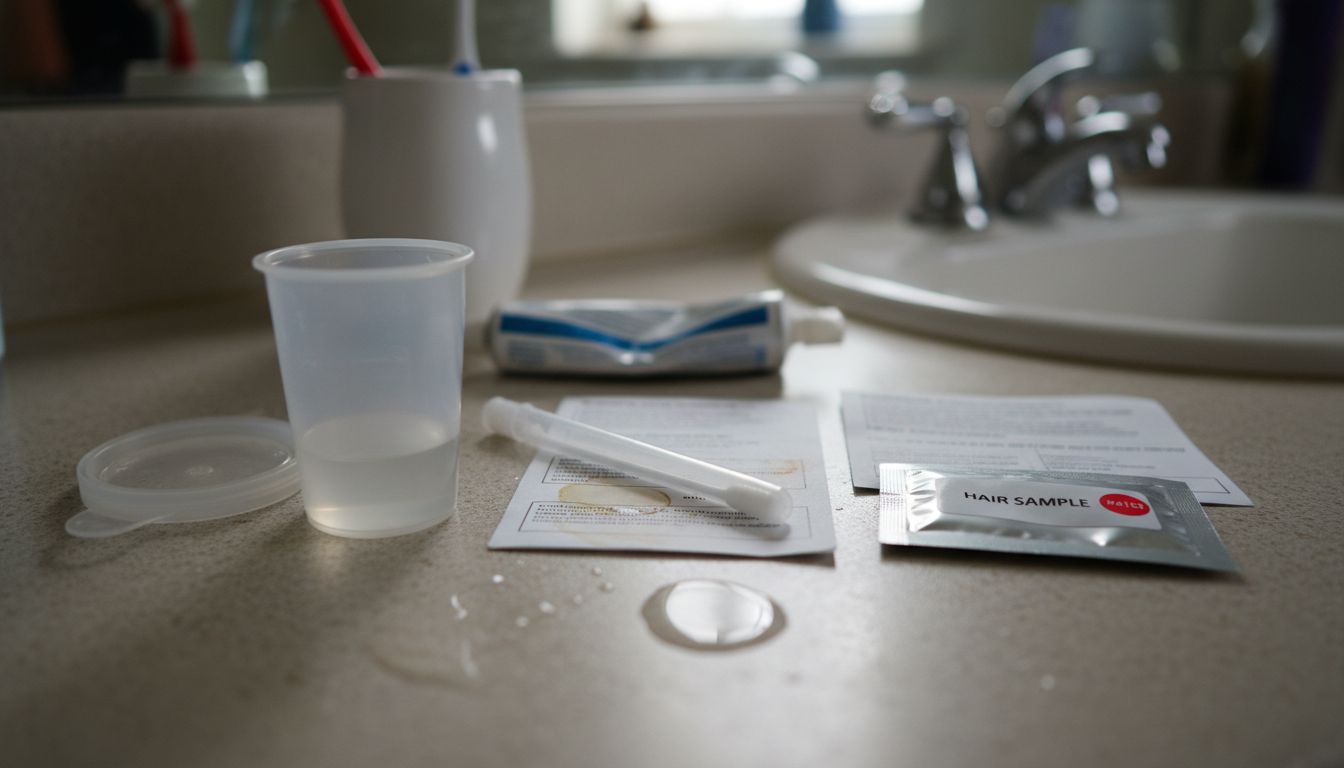
The primary testing methods include urine, saliva, and hair follicle tests, each with distinct detection capabilities and time frames. Saliva tests are particularly useful for identifying recent drug use, typically capturing substances consumed within the past 24-48 hours. These tests provide quick results and are less invasive compared to other screening methods, making them increasingly popular for workplace and personal monitoring.
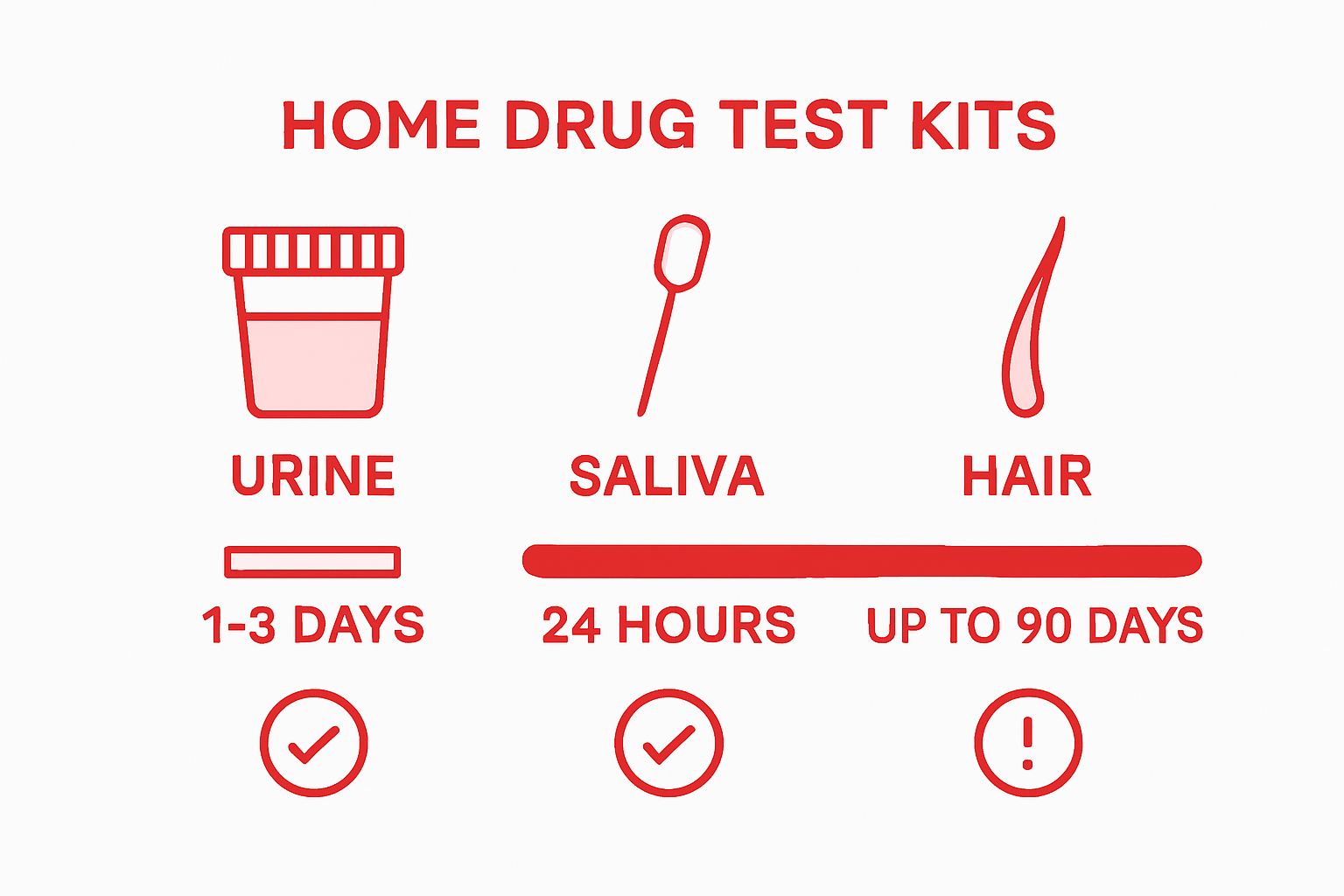
Hair follicle testing offers the most extended detection window, capable of revealing drug use patterns spanning several months. While less common for at-home use, this method can detect trace amounts of substances long after initial consumption. The comprehensive nature of hair testing makes it valuable for thorough background screenings and long-term substance use analysis.
Key detection capabilities across different test types include:
- Urine Tests:
- Detect multiple drugs simultaneously
- Detection window: 2-7 days for most substances
- Most cost-effective option
- Saliva Tests:
- Quick results within minutes
- Ideal for recent drug use detection
- Less invasive collection method
- Hair Follicle Tests:
- Longest detection window (up to 90 days)
- Provides comprehensive historical drug use information
- Requires laboratory processing
Applications for Professionals and Families
Home drug testing serves critical roles across multiple professional and personal environments, offering a proactive approach to substance use monitoring. Workplace screening represents a primary application, with employers utilizing these tests to maintain safety, productivity, and compliance with organizational drug policies across industries ranging from transportation and construction to healthcare and manufacturing.
Families represent another crucial demographic benefiting from home drug testing technologies. Parents concerned about potential teenage substance abuse can discreetly monitor their children’s behaviors, while adult children might screen elderly relatives experiencing potential medication interactions or cognitive health changes. Comprehensive drug testing provides an essential early intervention tool, enabling timely conversations and professional medical consultations when concerning results emerge.
Beyond traditional settings, home drug tests play significant roles in specialized contexts such as addiction recovery programs, legal proceedings, and medical monitoring. Probation officers, rehabilitation centers, and healthcare providers frequently recommend these tests as part of structured treatment and accountability programs. The convenience and non-invasive nature of modern testing methods make them particularly valuable for ongoing substance use tracking and supporting individuals committed to maintaining sobriety.
Key applications across different contexts include:
- Workplace Safety:
- Pre-employment screening
- Random employee testing
- Post-incident investigations
- Family Monitoring:
- Teenage substance abuse prevention
- Elder care health tracking
- Supporting recovery efforts
- Medical and Legal Settings:
- Treatment program compliance
- Court-mandated testing
- Ongoing health assessments
Accuracy, Privacy, and Legal Considerations
Drug testing accuracy represents a critical concern for professionals and individuals utilizing home testing technologies. Precision in testing requires meticulous attention to multiple factors, including proper sample collection, storage conditions, and potential interference from medications or dietary supplements that could generate false positive or negative results.
Privacy emerges as a fundamental advantage of home drug testing, allowing individuals to conduct screenings discreetly without compromising personal dignity or exposing sensitive health information. Confidential testing methods provide a critical mechanism for families, employers, and healthcare providers to address substance use concerns while maintaining individual autonomy and minimizing potential stigmatization.
Legal considerations surrounding home drug tests are complex and vary across different contexts. Workplace testing, court-mandated screenings, and medical monitoring each present unique legal frameworks that require careful navigation. Individuals and organizations must understand that home test results serve as preliminary screening tools and are not typically admissible as standalone evidence in legal proceedings, necessitating confirmatory laboratory testing to establish definitive findings.
Key considerations for responsible drug testing include:
- Accuracy Factors:
- Follow precise collection instructions
- Understand potential interference sources
- Confirm positive results through laboratory testing
- Privacy Protections:
- Maintain strict confidentiality
- Limit access to test results
- Obtain necessary consent
- Legal Compliance:
- Understand jurisdiction-specific regulations
- Respect individual privacy rights
- Use tests as screening tools, not definitive proof
Risks, Misuse, and Choosing Reliable Kits
Home drug testing introduces potential risks when not approached with careful consideration and professional understanding. Comprehensive testing strategies require a nuanced approach that goes beyond simple result interpretation, recognizing the complex factors that can influence drug screening accuracy and reliability.
Misuse of home drug tests frequently stems from inadequate knowledge about test limitations and improper administration techniques. Common errors include incorrect sample collection, mishandling of test strips, failing to follow precise timing instructions, and drawing definitive conclusions without professional confirmation. These mistakes can lead to false positives or negatives, potentially causing unnecessary emotional distress or overlooking critical substance use indicators.
Selecting reliable drug testing kits demands a strategic approach focused on scientific accuracy and regulatory compliance. Individuals and organizations should prioritize FDA-approved tests, carefully examine the specific substances each panel screens, and understand the detection windows for different drug categories. Verification through professional laboratory testing remains the gold standard for confirming initial screening results and mitigating potential testing errors.
Key considerations when selecting and using home drug tests include:
- Kit Selection Criteria:
- FDA approval status
- Comprehensive substance screening
- Clear, detailed instructions
- Administration Best Practices:
- Follow manufacturer guidelines precisely
- Store tests in recommended conditions
- Use within specified expiration dates
- Result Interpretation:
- Understand potential interference factors
- Seek professional confirmatory testing
- Avoid making definitive judgments based on single test
Ensure Trust and Safety with Professional Home Drug Testing Solutions
The article highlights critical challenges such as accuracy, privacy, and legal concerns when using home drug tests. Many individuals and organizations struggle with improper sample collection, false positives, and the need for confirmatory testing to ensure reliable results. These pain points can create emotional strain and uncertainty when monitoring substance use for workplace safety, family care, or legal compliance.
At RapidTestCup, we understand these concerns and offer a wide selection of FDA-approved, CLIA waived drug testing kits designed for precise screening and ease of use. From urine drug test cups to specimen collection supplies and adulteration test kits, our products are crafted to support your goal of accurate, confidential, and responsible drug testing. Explore our range at https://rapidtestcup.com to find the right solutions that match your specific needs.
Take control of your drug testing with confidence and clarity now. Visit RapidTestCup to browse affordable, high-quality home drug test kits with quick shipping. Make sure your screening process is reliable and compliant today.
Frequently Asked Questions
What are home drug tests and how do they work?
Home drug tests are convenient screening tools that detect the presence of various substances in biological samples, primarily urine. They utilize immunoassay technology, where drug molecules react with specific antibodies, resulting in color changes or lines that indicate the presence or absence of drugs.
How accurate are home drug tests?
The accuracy of home drug tests depends on several factors, including proper sample collection and storage, as well as potential interference from medications. While they provide preliminary results, confirmatory laboratory testing is needed for definitive proof of drug use.
What types of substances can home drug tests detect?
Home drug tests can screen for multiple drugs simultaneously, including marijuana, cocaine, opiates, amphetamines, and certain prescription medications. Urine-based tests are the most common, but saliva and hair follicle tests are also available for different detection windows.
Why should I use home drug tests for my family or workplace?
Using home drug tests can help ensure safety and maintain compliance within your family or workplace. They provide a discreet and private way to monitor substance use, allowing for early intervention and support in cases of potential abuse or health issues.