Blog
Privacy in Home Drug Testing: Ensuring Client Confidentiality


More than 90 percent of American substance abuse program coordinators report concerns about maintaining client privacy during home drug testing. Confidentiality is not just a legal requirement, but it is crucial for trust and ethical care in addiction programs across the United States. This overview explains practical steps to protect sensitive health data, ensure compliance with federal regulations, and help program coordinators choose reliable home testing solutions without risking unauthorized disclosure.
Table of Contents
- Understanding Privacy In Home Drug Testing
- Types Of Home Drug Testing Solutions
- How Confidentiality Is Maintained
- Legal Protections And Hipaa Compliance
- Risks Of Disclosure And Common Mistakes
- Best Practices For Confidential Drug Testing
Key Takeaways
| Point | Details |
|---|---|
| Prioritize Client Confidentiality | Substance abuse program coordinators must adhere to privacy regulations to maintain client trust and comply with legal standards. |
| Implement Secure Data Practices | Use encrypted systems and establish strict access controls to safeguard sensitive drug testing information. |
| Obtain Informed Consent | Ensure clients provide explicit consent before sharing test results, clearly outlining who can access the data. |
| Conduct Regular Staff Training | Routine training on privacy protocols is essential to minimize risks of confidentiality breaches and ensure compliance. |
Understanding Privacy in Home Drug Testing
Privacy represents a fundamental human right, especially within sensitive medical contexts like substance use treatment and home drug testing. Substance abuse program coordinators must prioritize client confidentiality to maintain trust, ethical standards, and legal compliance.
Federal regulations provide comprehensive frameworks for protecting personal health information during drug testing processes. Confidentiality principles established by privacy guidelines emphasize individuals’ rights to control their personal data, particularly in health-related assessments. These guidelines mandate secure handling of sensitive information, ensuring that drug testing results remain strictly confidential between authorized personnel and tested individuals.
Key privacy protections for home drug testing include obtaining informed consent, limiting data access, implementing secure storage protocols, and maintaining strict documentation standards. Program administrators must establish clear procedures that comply with regulations like the Mental Health Parity and Addiction Equity Act and 42 CFR Part 2, which govern confidential addiction treatment information.
Specific privacy safeguards involve creating transparent consent forms, restricting test result visibility to essential personnel, utilizing encrypted digital storage systems, and establishing rigorous data destruction protocols for outdated test records. These comprehensive measures protect client dignity and prevent unauthorized information disclosure.
Pro tip: Develop a standardized privacy policy document that clearly outlines your program’s confidentiality procedures, and have all staff members sign confidentiality agreements to reinforce professional standards.
Types of Home Drug Testing Solutions
Home drug testing offers multiple approaches for detecting substance use, with each method presenting unique characteristics and detection capabilities. Different drug testing methods provide varying levels of accuracy and convenience for substance abuse program coordinators and healthcare professionals seeking comprehensive screening solutions.
Urine Tests represent the most common home drug testing method. These tests are rapid, cost-effective, and capable of detecting recent substance use across multiple drug categories. They offer quick results and require minimal technical expertise, making them ideal for initial screening processes. Urine tests typically detect substances within a 2-7 day window, depending on the specific drug and individual metabolic factors.
Saliva Tests provide a less invasive alternative with shorter detection windows. These tests are particularly useful for detecting very recent drug use, typically within 24-48 hours. Saliva testing is convenient, requires minimal training, and offers immediate results, making them attractive for situations requiring quick, non-intrusive screening. However, they may have slightly lower accuracy compared to more comprehensive testing methods.
Hair Follicle Tests offer the longest detection period, potentially identifying drug use up to 90 days prior. These tests are more complex, typically requiring laboratory analysis and demonstrating a comprehensive history of substance use. While more expensive and time-consuming, hair tests provide a more extended overview of an individual’s potential drug use patterns.
Here is a quick comparison of the main home drug testing methods and their ideal use cases:
| Test Type | Detection Window | Best For |
|---|---|---|
| Urine | 2-7 days | Initial screenings |
| Saliva | 24-48 hours | Recent use, non-intrusive |
| Hair Follicle | Up to 90 days | Long-term history assessment |
Pro tip: Select your home drug testing method based on your specific detection needs, considering factors like detection window, cost, and required accuracy level.
How Confidentiality Is Maintained
Confidentiality in home drug testing represents a critical component of ethical and legal healthcare practices, protecting individuals’ sensitive medical information from unauthorized disclosure. Confidentiality procedures are legally mandated through comprehensive healthcare privacy regulations, ensuring that test results remain strictly protected throughout the entire testing process.

Key confidentiality mechanisms involve implementing robust access control systems that limit information visibility to only authorized personnel. These systems typically require multi-level authentication protocols, ensuring that drug test results are accessible only to specific individuals directly involved in the client’s care or treatment plan. Encrypted digital storage solutions provide an additional layer of protection, preventing potential data breaches and maintaining the integrity of sensitive health information.
Written consent represents another fundamental aspect of maintaining confidentiality in home drug testing. Clients must provide explicit, documented permission before any test results can be shared, and this consent must outline precisely who can access the information and under what specific circumstances. Healthcare providers and substance abuse program coordinators must develop comprehensive consent forms that clearly communicate privacy protections, giving clients complete transparency about how their personal health data will be managed.
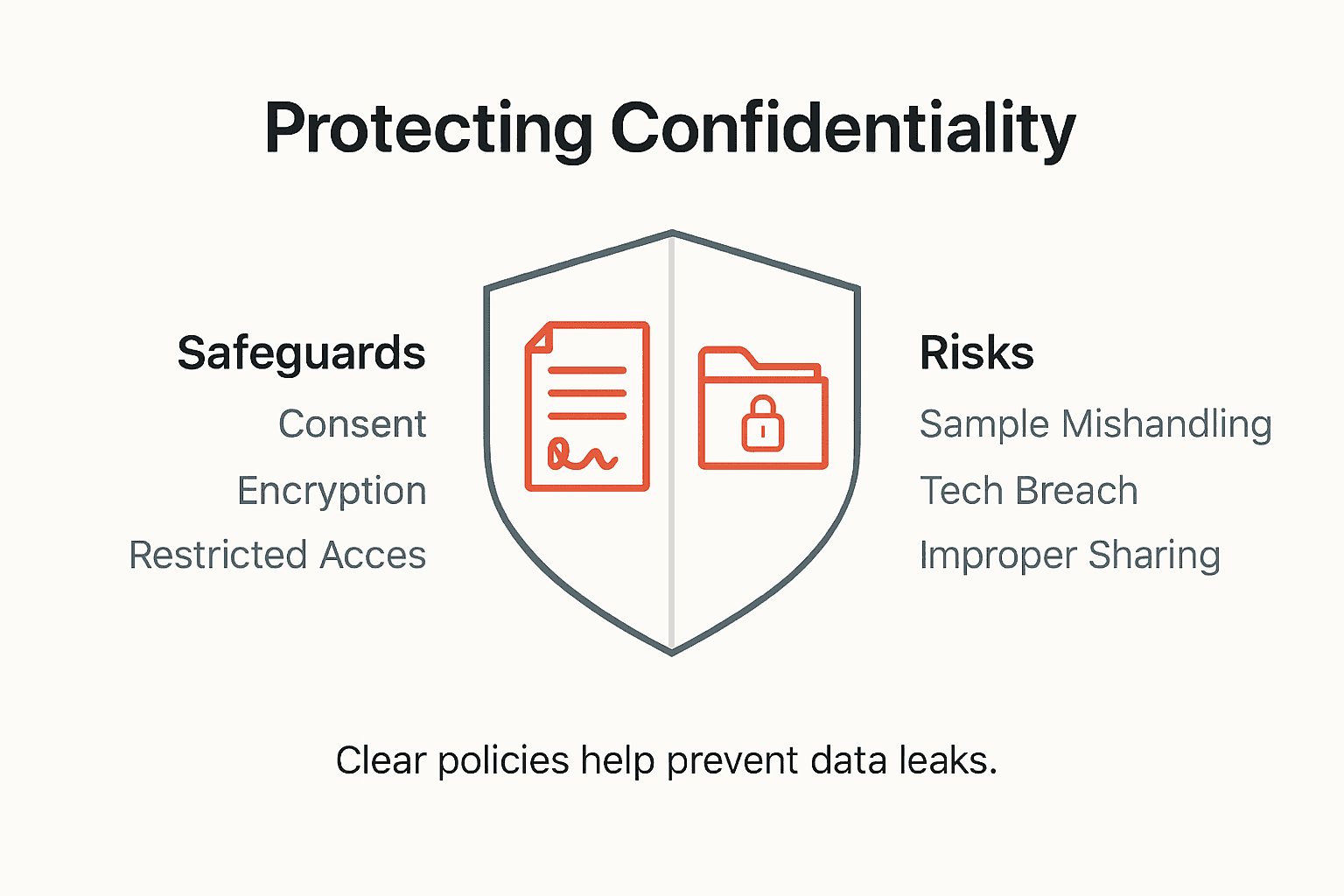
Technological safeguards play a crucial role in protecting confidential information. Advanced encryption technologies, secure digital transmission protocols, and restricted access databases ensure that drug test results remain protected from potential unauthorized viewing or distribution. Regular staff training on privacy standards and potential data protection risks further reinforces the commitment to maintaining client confidentiality.
Pro tip: Develop a comprehensive privacy policy document that clearly outlines your organization’s confidentiality protocols, and conduct regular staff training to ensure consistent implementation of privacy standards.
Legal Protections and HIPAA Compliance
HIPAA establishes comprehensive legal frameworks governing the protection of sensitive medical information, including drug test results. Recent regulatory modifications have significantly enhanced privacy protections for substance use disorder patient records, creating more robust mechanisms for maintaining client confidentiality in home drug testing scenarios.
The legal landscape for drug testing involves complex regulations that differ based on testing context. When conducted by healthcare providers or medical laboratories, drug test results are considered Protected Health Information (PHI) under HIPAA. This classification means strict limitations exist regarding information disclosure, with explicit written consent required from the individual before any test results can be shared with third parties such as employers or treatment programs.
Specific legal protections mandate that healthcare entities and testing providers implement comprehensive safeguards to prevent unauthorized information access. These protections include multi-layered authentication processes, encrypted digital transmission protocols, and rigorous staff training on privacy standards. The regulations require detailed documentation of consent, explicit limitations on information sharing, and clear communication about how personal health data will be managed and protected throughout the testing process.
Employment-related drug testing presents unique legal considerations. While HIPAA provides foundational privacy protections, workplace testing often involves additional consent mechanisms that allow limited result sharing with employers. However, these disclosures must be explicitly authorized by the individual and follow strict guidelines that prevent unnecessary or broad information distribution.
Pro tip: Always maintain updated written consent forms that clearly outline the specific circumstances and parties authorized to receive drug test results, and regularly review these documents to ensure compliance with current legal standards.
Risks of Disclosure and Common Mistakes
Confidentiality breaches in home drug testing can have significant personal and professional consequences for both clients and testing organizations. Common drug testing errors can dramatically increase the risk of unintended information exposure, making it crucial to understand and mitigate potential disclosure risks.
One of the most prevalent risks involves improper sample handling and documentation. Substance abuse program coordinators must be vigilant about maintaining strict chain of custody protocols. This includes preventing sample contamination, ensuring proper labeling, and implementing secure storage procedures. Unauthorized personnel accessing test results or mishandling specimens can lead to significant privacy violations, potentially exposing sensitive medical information and compromising client trust.
Technological vulnerabilities represent another critical risk area for potential information disclosure. Digital systems storing drug test results must employ robust encryption, multi-factor authentication, and regular security audits. Common mistakes include using outdated software, failing to implement comprehensive access controls, and neglecting to train staff on cybersecurity best practices. These oversights can create potential entry points for data breaches, putting client confidentiality at substantial risk.
Legal and procedural mistakes can also compromise confidentiality. Inadequate consent documentation, improper result sharing, or failing to obtain explicit authorization from clients can result in significant regulatory violations. Each disclosure must be carefully documented, with clear evidence of client consent and a demonstrable need for information sharing. Organizations must develop comprehensive policies that clearly outline permissible information transmission protocols and strict guidelines for maintaining client privacy.
The table below summarizes common confidentiality risks in home drug testing and effective prevention strategies:
| Risk Area | Example Issue | Prevention Strategy |
|---|---|---|
| Sample Handling | Mislabeling, contamination | Strict chain of custody protocol |
| Technology Vulnerability | Weak encryption, breaches | Regular security audits, updates |
| Consent Management | Missing documentation | Comprehensive written consents |
Pro tip: Develop a comprehensive internal audit checklist that systematically reviews all aspects of drug testing confidentiality, including technological security, documentation practices, and staff training protocols.
Best Practices for Confidential Drug Testing
Confidential drug testing requires a comprehensive approach that balances rigorous scientific standards with robust privacy protections. Implementing strategic compliance measures ensures the integrity of drug testing processes while maintaining client trust, creating a framework that prioritizes both accuracy and individual dignity.
Key best practices involve establishing clear, transparent policies that outline every aspect of the drug testing procedure. This includes developing detailed consent forms, creating strict access control protocols, and implementing secure documentation systems. Substance abuse program coordinators must design workflows that limit information visibility to only essential personnel, using multi-layered authentication processes to prevent unauthorized data access.
Technological infrastructure plays a critical role in maintaining confidentiality. Organizations should invest in advanced encryption technologies, secure digital transmission protocols, and comprehensive data management systems. These technological safeguards must be complemented by regular staff training programs that emphasize privacy standards, legal requirements, and ethical considerations in handling sensitive medical information.
SAMHSA certification and adherence to recognized industry standards provide an additional layer of credibility and reliability. By selecting certified laboratories, implementing standardized testing procedures, and maintaining meticulous documentation, organizations can demonstrate their commitment to professional excellence and client confidentiality. This approach not only protects individual privacy but also establishes a foundation of trust in substance abuse treatment and monitoring programs.
Pro tip: Develop a comprehensive confidentiality training module that includes real-world scenarios and interactive learning experiences to help staff deeply understand privacy protection protocols.
Secure Your Home Drug Testing With Trusted, Confidential Solutions
Ensuring privacy and confidentiality in home drug testing is essential to protecting your clients’ dignity and maintaining trust throughout the testing process. This article highlights critical challenges like secure data handling, informed consent, and avoiding unauthorized disclosures that can jeopardize sensitive information. If you need reliable, FDA-approved home drug testing kits that support strict confidentiality practices while delivering accurate results, RapidTestCup provides an extensive collection tailored to professional, forensic, and personal needs.
Choose from a wide selection of drug test cups, urine test strips, and forensic-grade supplies all designed to streamline your testing workflow while meeting privacy standards. Act now to equip your substance abuse program or personal testing with trusted products that help safeguard client information and ensure compliance. Visit RapidTestCup, explore the full range of confidential testing solutions, and take the next step toward accurate and secure home drug testing today.
Frequently Asked Questions
What are the main privacy protections in home drug testing?
Key privacy protections include obtaining informed consent, limiting data access, implementing secure storage protocols, and maintaining strict documentation standards to ensure confidentiality of test results.
How does HIPAA affect confidentiality in home drug testing?
HIPAA mandates that drug test results be treated as Protected Health Information (PHI), requiring explicit written consent from individuals before their results can be shared, and enforcing strict safeguards to prevent unauthorized access.
What types of home drug testing methods are available, and how do they differ?
The main types of home drug testing methods include urine tests (2-7 day detection), saliva tests (24-48 hours), and hair follicle tests (up to 90 days), each with varying levels of accuracy, detection windows, and complexities in administration.
What are common risks of confidentiality breaches in drug testing?
Common risks include improper sample handling, technological vulnerabilities, and legal procedural mistakes, such as inadequate consent documentation or unauthorized sharing of test results.