Blog
Test Panel Options: Choosing Accurate, Compliant Screening


Choosing the right drug test panel can seem complex when regulatory expectations shift from California to Singapore. The variety of test panels—each built to detect specific substances in biological samples—demands careful selection, especially with compliance and accuracy front of mind. As authorized panels and cutoff levels are updated annually by Health and Human Services, laboratories must stay current to maintain reliable results. This overview highlights the key decisions that impact your facility’s drug screening, from regulatory alignment to operational efficiency.
Table of Contents
- What Are Test Panels In Drug Screening
- Panel Types And Substance Coverage Explained
- Compliance, Certifications, And Legal Standards
- Selecting The Right Panel For Your Lab
- Pitfalls To Avoid In Panel Selection
Key Takeaways
| Point | Details |
|---|---|
| Understanding Test Panels | Test panels are predefined collections of drug analytes that allow for simultaneous detection of multiple substances in a single specimen. |
| Regulatory Compliance is Essential | Selecting the appropriate test panel must align with federal and state requirements to ensure legal validity and adherence to standards. |
| Choose Based on Facility Needs | The decision on which panel to use should be dictated by the specific needs of the facility, including industry standards and risk assessment. |
| Documentation Protects Your Facility | Maintaining proper documentation for panel selection and testing protocols is crucial for compliance and legal defensibility during audits. |
What Are Test Panels in Drug Screening
A test panel is a predefined collection of drug analytes designed to detect specific substances in biological samples. These panels are the backbone of standardized drug screening, allowing laboratories to test for multiple drugs simultaneously using a single specimen. Think of a panel as a curated checklist—instead of testing for individual drugs one by one, you’re running a coordinated battery of tests.
Test panels serve a critical function in maintaining consistent screening standards. Federal workplace programs use authorized testing panels that specify exactly which Schedule I and II substances must be tested, along with precise cutoff levels for both initial and confirmatory testing. This standardization ensures that whether a test occurs in California or Connecticut, the results are comparable and defensible.
Panels vary based on how many substance categories they cover. A 5-panel test screens for the most common workplace drugs. A 10-panel adds prescription medications and other controlled substances. Larger panels extend coverage to synthetic drugs, designer compounds, and adulterants. The panel you select depends entirely on your facility’s needs, regulatory requirements, and risk profile.
Why Panels Matter for Your Facility
Your choice of panel directly impacts:
- Accuracy: Panels are optimized for specific substance detection with established cutoff thresholds
- Compliance: Federal and state regulations often mandate specific panels for certain programs
- Efficiency: Testing multiple drugs in one run reduces specimen handling time and costs
- Chain of custody: Standardized panels simplify documentation and lab workflows
- Defensibility: Pre-approved panels withstand legal scrutiny and regulatory audits
Panels aren’t one-size-fits-all—your industry, jurisdiction, and operational context determine which panel protects your facility best.
Different organizations require different coverage. Hospitals might prioritize screening for pain medications and sedatives. Law enforcement focuses on drugs of abuse. Transportation companies follow Federal Motor Carrier Safety Administration guidelines with their own authorized panels. Substance abuse treatment programs design panels around patient monitoring and recovery verification.
The specimen type matters too. Urine panels dominate workplace screening due to cost and detection windows. Oral fluid panels offer shorter windows and workplace convenience. Hair panels detect historical use. Each specimen type has approved panels with different sensitivities and cutoff levels.
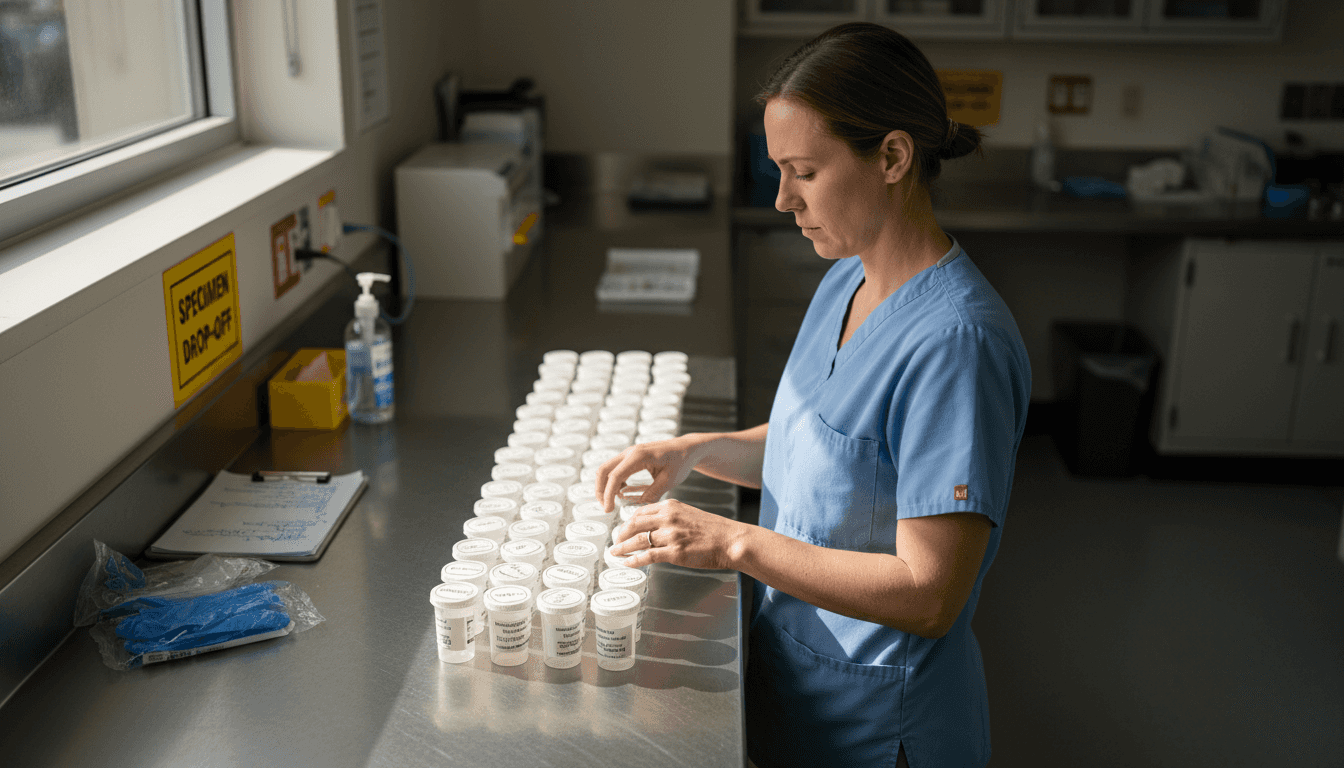
Your facility’s certification status affects panel availability. CLIA-waived tests offer simpler procedures but narrower panel options. Non-waived labs access broader, more complex panels requiring advanced equipment. Both pathways support compliant screening—the choice reflects your operational capacity.
Pro tip: Review your regulatory requirements first, then match panels to those mandates rather than selecting panels and hoping they align with rules later.
Panel Types and Substance Coverage Explained
Drug test panels come in different sizes, each designed for specific screening needs. The most common configurations range from 5-panel to 12-panel tests, with specialized panels extending even further. Your choice depends on what substances matter most in your setting and what regulatory standards apply.
The 5-panel test screens for the five most commonly abused drugs: amphetamines, cocaine, marijuana, opiates, and phencyclidine (PCP). This foundational panel covers roughly 90 percent of workplace drug-of-abuse testing. It’s cost-effective, quick, and meets federal transportation requirements. Most employment screening starts here.
A 10-panel expands coverage by adding benzodiazepines, barbiturates, methadone, and propoxyphene. This panel catches prescription drug misuse alongside illicit substances. Healthcare facilities and substance abuse treatment programs frequently use 10-panel tests to monitor both therapeutic medication compliance and unauthorized drug use.
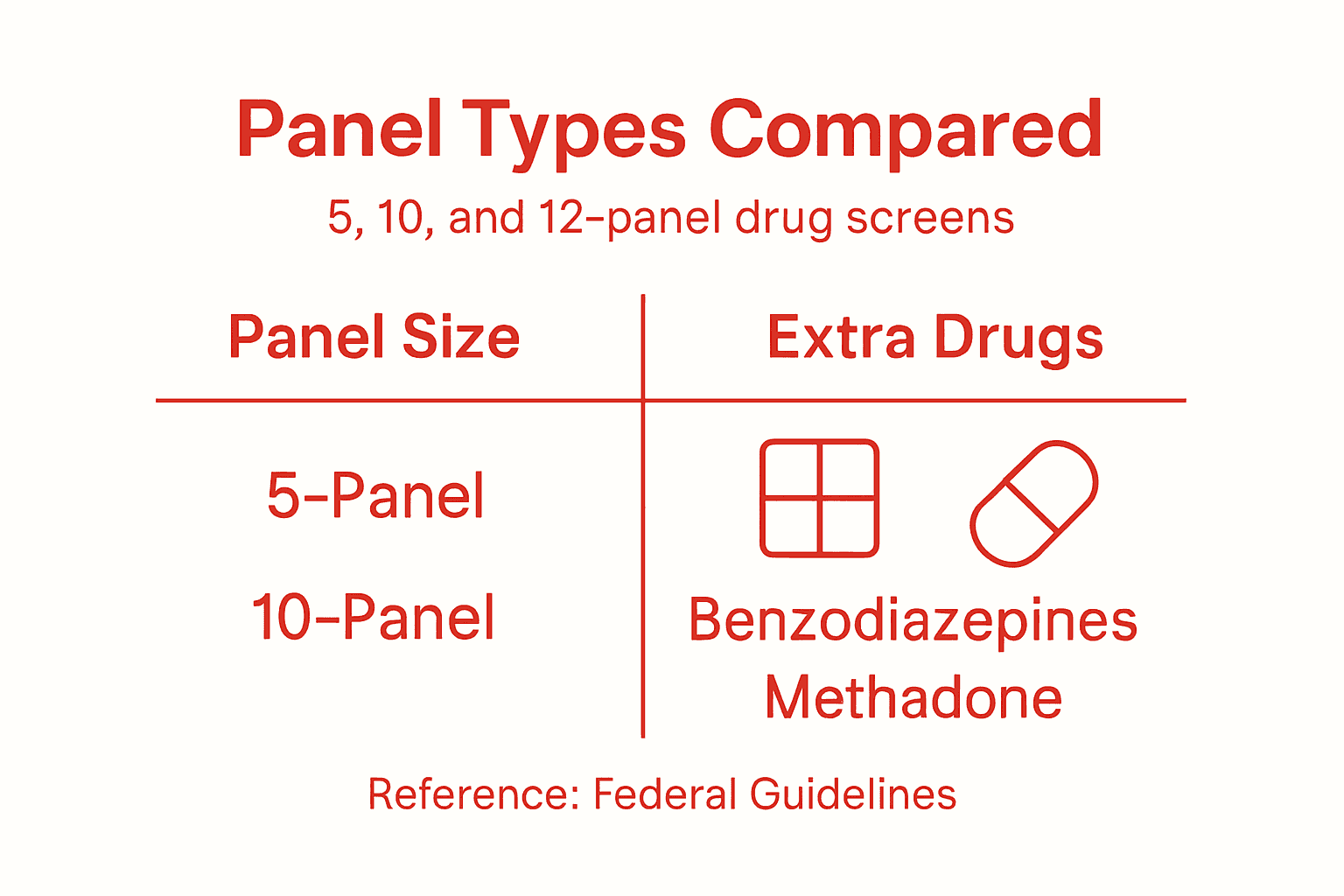
Here’s how common drug test panels compare by coverage and typical use:
| Panel Size | Substances Detected | Typical Industry Usage |
|---|---|---|
| 5-panel | Amphetamines, cocaine, marijuana, opiates, PCP | General workplace, transportation |
| 10-panel | 5-panel plus benzodiazepines, barbiturates, methadone, propoxyphene | Healthcare, treatment centers |
| 12-panel | 10-panel plus synthetic cannabinoids, MDMA, fentanyl | Law enforcement, forensic labs |
| 14-panel | 12-panel plus expanded synthetic drugs, adulterants | Comprehensive occupational programs |
Coverage Across Substance Categories
Federal workplace programs use federally authorized testing panels that specify exact analytes and cutoff levels. Beyond the basic panels, expanded versions add:
- Synthetic cannabinoids: Designer marijuana alternatives like K2 and Spice
- Fentanyl and analogs: Increasingly critical for overdose risk assessment
- MDMA/Ecstasy: Clubdrug and party-drug detection
- Tramadol and oxycodone: Prescription opioid tracking
- Adulterants: Creatinine, specific gravity, and oxidants that signal specimen tampering
The larger your panel, the broader your coverage—but also the higher your costs and the longer your processing time. Balance thoroughness with operational reality.
12-panel and 14-panel tests cover nearly everything, including synthetic drugs and emerging substances. These suit law enforcement, forensic labs, and comprehensive occupational health programs. The tradeoff: longer turnaround times and higher expense per specimen.
Panel composition matters for legal defensibility. A test that exceeds regulatory requirements can create unnecessary litigation exposure. Conversely, panels that fall short of mandated coverage leave compliance gaps. Your panel must align precisely with your jurisdiction’s rules.
Specimen type influences panel options too. Urine panels dominate because detection windows span days to weeks. Oral fluid panels offer shorter windows but growing regulatory acceptance. Hair panels extend detection to 90 days but require different cutoff standards.
Below is a quick reference guide for specimen types and their drug detection windows:
| Specimen Type | Detection Window | Most Suitable Use |
|---|---|---|
| Urine | Days to weeks | Employment, regulatory screening |
| Oral fluid | Hours to 2 days | Immediate use detection, workplace convenience |
| Hair | Up to 90 days | Historical abuse monitoring, forensic analysis |
Your facility should document why you selected your specific panel configuration. This documentation protects you during audits, disputes, and legal proceedings. Document the substances your industry requires, your regulatory obligations, and your operational risk assessment.
Pro tip: Select a panel that slightly exceeds your minimum requirements rather than matching them exactly—this buffer protects against regulatory changes and provides competitive differentiation.
Compliance, Certifications, and Legal Standards
Compliance isn’t optional in drug testing—it’s the foundation of your entire operation. Courts, employers, and regulators scrutinize testing results for legal validity. A single procedural misstep can invalidate results, expose your facility to liability, and damage your reputation.
Federal drug testing operates under HHS Mandatory Guidelines, which establish laboratory certifications, testing methodologies, and result reporting standards. These guidelines aren’t suggestions—they’re mandatory for any facility testing federal employees or participating in federally regulated industries. The rules cover specimen handling, testing procedures, documentation, and chain of custody protocols.
HHS certification is the gold standard for federal workplace testing. Only laboratories holding this certification can process tests for federal employees, Department of Transportation workers, and Nuclear Regulatory Commission positions. This certification demands rigorous audits, quality control, and personnel training.
CLIA certification operates at a different tier. CLIA-waived tests offer simplicity and lower overhead but cover only basic screening panels. Non-waived CLIA labs access broader testing capabilities but require more sophisticated equipment and expertise.
What Compliance Really Means
Compliance requirements include:
- Specimen integrity: Documented chain of custody from collection through testing and storage
- Testing accuracy: Confirmatory testing for all positive initial screening results
- Personnel qualifications: Technicians must meet specific education and certification standards
- Quality control: Daily equipment calibration, positive and negative controls, proficiency testing
- Documentation: Complete records maintained for minimum five years, often longer
- Result interpretation: Proper MRO (Medical Review Officer) review before reporting results
Non-compliance creates legal exposure that extends far beyond fines—failed audits can result in loss of certification, client contracts, and litigation.
Your jurisdiction adds layers of regulation. State laws often exceed federal minimums. Some states require specific panels, others mandate particular testing methodologies. Transportation industry testing follows Federal Motor Carrier Safety Administration rules. Healthcare settings must comply with Clinical Laboratory Improvement Amendments plus state boards of nursing or pharmacy.
Legal defensibility depends on documentation. Your facility must prove every step followed protocol. This means written procedures, training records, equipment maintenance logs, and quality control data. If challenged in court, these documents either support your results or undermine them completely.
Test panel selection connects directly to compliance. Using unauthorized panels violates regulatory standards. Conversely, panels exceeding your regulatory requirements create unnecessary exposure. Your panel must match your jurisdiction’s mandates precisely.
Regular audits catch compliance gaps before they become crises. Internal audits identify procedure violations, training deficiencies, and documentation gaps. External audits from certification bodies validate your systems. Schedule audits annually at minimum, more frequently during expansion or high-volume periods.
Pro tip: Create a compliance calendar tracking certification renewal dates, proficiency testing deadlines, and annual guideline updates—missed deadlines create immediate violations.
Selecting the Right Panel for Your Lab
Choosing the right panel isn’t about picking the biggest one—it’s about matching your specific operational needs, regulatory environment, and risk profile. Wrong panel selection creates compliance gaps, wastes resources, or leaves you exposed to liability.
Start with regulatory requirements. Your industry, jurisdiction, and client base determine mandatory panels. Federal transportation requires specific HHS-authorized panels. Healthcare facilities must comply with state and Clinical Laboratory Improvement Amendments standards. Substance abuse treatment programs follow Substance Abuse and Mental Health Services Administration guidelines. Law enforcement has its own specifications. Document what your regulations actually demand, not what you think they demand.
Consider your target population and substances of concern. Workplaces screening general employees often use 5-panel tests. Healthcare settings catching prescription medication misuse need 10-panel coverage. Forensic labs investigating criminal cases require expanded panels including synthetic drugs and designer compounds. Treatment facilities monitoring recovery may need specialized panels tracking specific opioids or benzodiazepines.
Detection windows across specimen types directly influence panel effectiveness. Urine tests detect drug use over days to weeks. Oral fluid captures recent use within hours. Hair panels extend detection to 90 days but require different cutoff standards. Your operational timeline shapes specimen choice, which shapes panel selection.
Decision-Making Framework
Evaluate these factors systematically:
- Regulatory mandates: Which panels does your jurisdiction require?
- Client expectations: What do your contracts specify?
- Substance priorities: What drugs matter most in your setting?
- Detection window: How recent must drug use be to matter?
- Cost tolerance: Does budget allow expanded panels?
- Processing capacity: Can your equipment handle larger panels?
- Turnaround requirements: Do tight timelines favor simpler panels?
Selecting a panel that exceeds requirements sounds safer but creates complexity, cost, and processing delays that undermine your operation.
Equipment capabilities matter enormously. CLIA-waived devices support 5-panel and basic 10-panel testing. Non-waived labs with gas chromatography-mass spectrometry can process virtually any panel. Upgrading equipment to access broader panels requires significant capital investment and staff retraining.
Staff expertise influences panel selection too. Technicians comfortable with 5-panel screening may need training for adulterant detection or synthetic drug confirmation. Larger panels demand more sophisticated interpretation skills. Budget for training when expanding panel offerings.
Build a documented decision rationale. Record why you selected your specific panels, what regulations drove the choice, and what substances you’re screening. This documentation protects you during audits and disputes. It also guides future decisions if regulations change.
Review your panel selection annually. Regulatory updates, emerging drugs, and client feedback may necessitate changes. New synthetic drugs or prescription medication patterns in your community could require panel expansion. Regular review ensures your panels remain current and appropriate.
Pro tip: Start with the minimum compliant panel, then expand only if client feedback, incident analysis, or regulatory changes justify the added cost and complexity.
Pitfalls to Avoid in Panel Selection
Panel selection mistakes compound over time. A poor decision made today creates liability, compliance exposure, and operational friction for years. The worst part? Many pitfalls seem harmless until they create a crisis.
The biggest mistake is selecting panels based on what competitors use rather than what your specific situation demands. Your facility operates under different regulations, serves different clients, and faces different risk profiles. Copying another lab’s panel configuration often leads to overspending on unnecessary coverage or underspending on critical substances.
Another critical error is ignoring cross-reactivity and false positives. Test sensitivity, cross-reactivity, and drug metabolism create situations where screening tests flag substances that confirmatory tests prove absent. An initial positive for amphetamines might reflect over-the-counter decongestants. Benzodiazepine panels can cross-react with legal medications. Without understanding these limitations, you report false positives that damage your credibility and harm individuals.
Failing to distinguish between screening and confirmatory tests is equally dangerous. Screening panels are preliminary filters—they cast a wide net to identify potential positives. Confirmatory tests use different methodologies to verify results definitively. Reporting screening results as definitive findings violates proper protocol and creates legal liability.
Common Selection Mistakes
These errors derail labs regularly:
- Selecting without regulatory review: Assuming what panels you need rather than verifying actual requirements
- Ignoring specimen type implications: Choosing panels designed for urine when oral fluid better serves your timeline
- Underestimating confirmation burden: Not accounting for the cost and complexity of confirming positive results
- Assuming bigger panels equal better coverage: Adding substances you’ll never need while missing critical drugs
- Neglecting staff training requirements: Expanding panels without training technicians on interpretation
- Forgetting about adulterant testing: Missing tampering that invalidates results and undermines your entire operation
- Changing panels without documentation: Switching to new panels without recording why, creating audit nightmares
False positives destroy lives and lawsuits. A single misreported result can cost your facility hundreds of thousands in litigation.
Cutoff levels create another pitfall. Federal panels specify precise cutoff thresholds for initial and confirmatory testing. Using non-standard cutoffs—either too sensitive or too lenient—violates compliance standards. Your equipment must verify it can achieve the exact cutoffs your panel requires.
Timing creates hidden problems too. If your clients need results within 24 hours, expanded panels requiring confirmatory testing may exceed your turnaround capability. A panel that takes 48 hours to confirm doesn’t serve clients expecting next-day results. Match panel complexity to your processing capacity and client expectations.
Equipment limitations sabotage panel selection constantly. You select a 12-panel option only to discover your mass spectrometry calibration can’t reliably detect certain analytes at required cutoff levels. Before committing to any panel, verify your equipment actually supports it.
Staff turnover creates compliance gaps when technicians trained on specific panels leave. New staff may not understand result interpretation nuances, leading to reporting errors. Document your panel protocols thoroughly so departures don’t compromise accuracy.
Pro tip: Before adopting any new panel, run parallel testing comparing your results to a reference laboratory—this catches equipment limitations and calibration issues before they affect client results.
Choose the Right Drug Test Panels with Confidence
Selecting accurate and compliant drug test panels can feel overwhelming given all the regulatory requirements, specimen types, and panel sizes discussed. The challenge is to find high-quality, CLIA waived and FDA-approved testing kits that fit your specific screening needs without risking compliance gaps or unnecessary costs. Whether you need a basic 5-panel for workplace screening or an expanded 12 or 14-panel for forensic or healthcare applications, having reliable supplies and clear product information is essential.
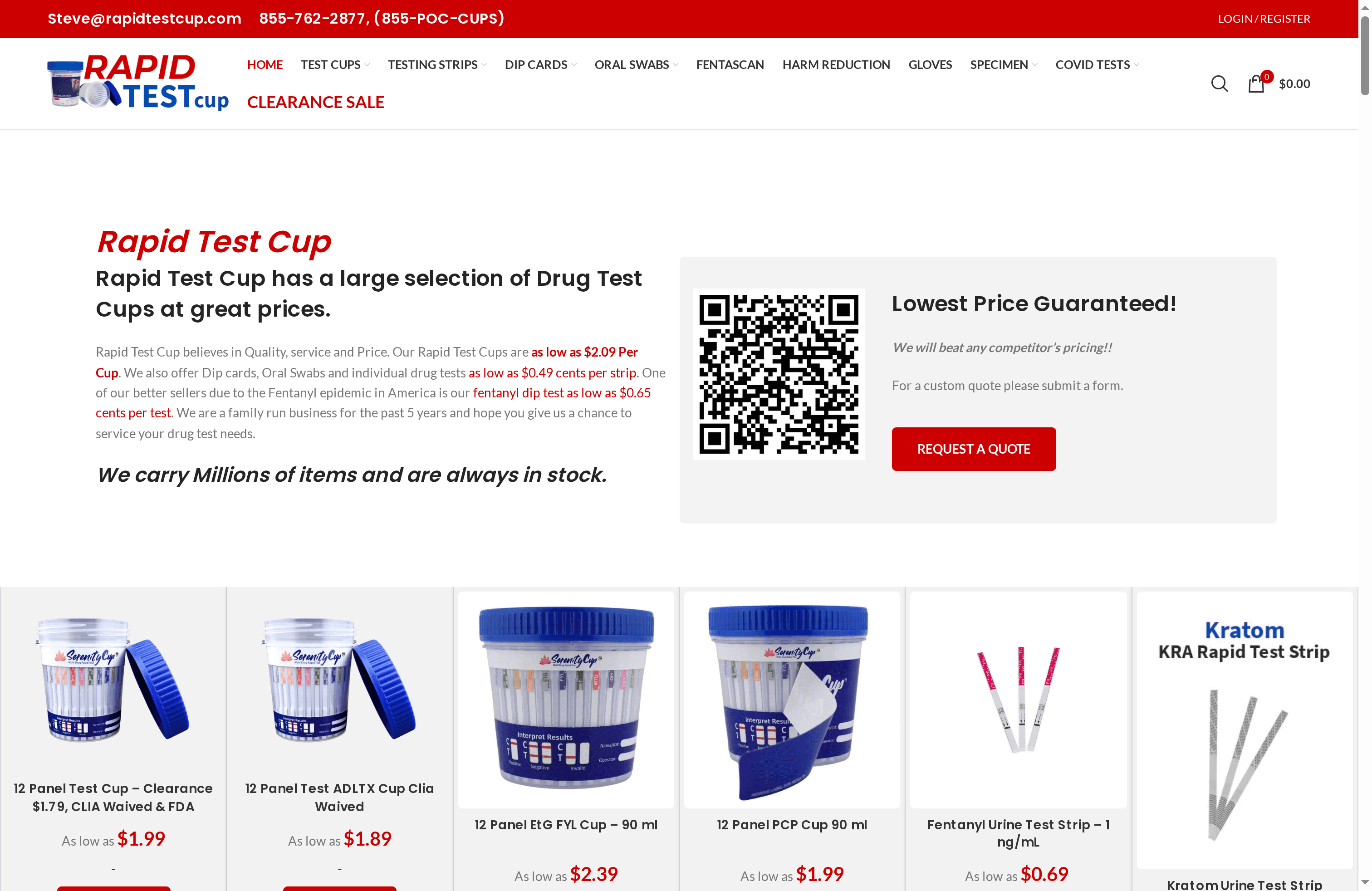
Explore the extensive selection of drug test cups, dip cards, and urine test strips at rapidtestcup.com to streamline your panel choices. Benefit from affordable prices, quick shipping, and expert support designed to help laboratories, clinics, and law enforcement meet their drug screening goals. Don’t wait until regulatory audits or legal challenges arise. Visit rapidtestcup.com now to order compliant panels that support your mission for accurate, defensible drug testing.
Frequently Asked Questions
What is a test panel in drug screening?
A test panel is a predefined collection of drug analytes used to detect specific substances in biological samples. It allows laboratories to test for multiple drugs simultaneously using a single specimen.
How do I choose the right drug test panel for my facility?
Choosing the right panel involves considering regulatory requirements, the substances that matter most in your setting, detection windows, processing capacity, and client expectations. Start with your mandatory regulations and adjust based on your operational needs.
What are the differences between 5-panel, 10-panel, and larger drug test panels?
A 5-panel test screens for the most commonly abused drugs: amphetamines, cocaine, marijuana, opiates, and PCP. A 10-panel includes additional prescription medications like benzodiazepines and barbiturates. Larger panels, such as 12-panel and 14-panel tests, include synthetic drugs and adulterants, providing broader coverage for specific industries or needs.
Why is compliance important in drug testing?
Compliance is crucial because testing results must withstand scrutiny from courts, employers, and regulators. Proper adherence to guidelines protects your facility from liability, ensures the legality of results, and maintains the integrity of your testing methods.