

Blog
Why Choose Multi Panel Drug Tests: Accuracy and Efficiency


Every American laboratory manager faces growing pressure to deliver faster, more accurate drug screening for patient monitoring and compliance. With over 60 percent of American healthcare professionals now relying on multi panel drug tests, the need for precise, efficient solutions is clear. Choosing the best testing protocols can mean the difference between costly errors and confident clinical decisions. This guide sheds light on multi panel test benefits, demystifies common misconceptions, and spotlights practical options for improving laboratory workflow.
Table of Contents
- Multi Panel Drug Tests Explained and Debunked
- Types of Multi Panel Tests and Key Differences
- How Multi Panel Testing Improves Accuracy
- Compliance and Regulatory Requirements for Testing
- Comparing Multi Panel Tests to Single Panel Options
- Cost Analysis and Operational Considerations
Key Takeaways
| Point | Details |
|---|---|
| Multi Panel Drug Tests Enhance Screening | These tests allow for simultaneous detection of multiple substances, improving efficiency and accuracy compared to single-panel tests. |
| Accuracy is Crucial | Implement advanced validation methods to minimize false positives and ensure reliable results for better diagnostic decisions. |
| Cost Efficiency | Multi panel tests reduce overall testing expenses by eliminating the need for multiple individual tests, optimizing laboratory resources. |
| Regulatory Compliance is Essential | Adhere to strict guidelines and maintain quality assurance programs to ensure compliance with drug testing regulations. |
Multi Panel Drug Tests Explained and Debunked
Multi panel drug tests represent a sophisticated screening method allowing healthcare professionals and laboratory managers to simultaneously detect multiple drug compounds from a single specimen. These comprehensive testing solutions go beyond traditional single drug screenings by providing rapid, efficient analysis across several substance categories. Comprehensive drug screening techniques have revolutionized toxicology assessments, enabling more nuanced and accurate substance detection protocols.
The fundamental mechanics of multi panel drug tests involve strategically designed test strips or cups containing specific antibody reagents calibrated to recognize distinct drug molecular structures. When a urine sample contacts these reactive elements, immunoassay mechanisms trigger color-coded or electronic indicators signaling the presence or absence of targeted substances. Detection panels can range from basic 5-drug screenings to advanced 12-drug comprehensive examinations, covering substances like marijuana, cocaine, amphetamines, opioids, and prescription medications.
Accuracy remains paramount in these testing approaches. Professional laboratories must consider critical factors such as cross-reactivity, sensitivity thresholds, and potential interference from metabolic variations. Advanced multi panel tests incorporate sophisticated validation mechanisms to minimize false positives and ensure reliable results. By integrating multiple detection capabilities into a single test, healthcare providers can streamline screening processes, reduce overall testing costs, and obtain faster, more comprehensive substance use insights.
Pro Tip for Laboratory Professionals: Cross-validate initial multi panel drug test results with confirmatory gas chromatography or mass spectrometry techniques to ensure absolute diagnostic accuracy and meet stringent forensic testing standards.
Types of Multi Panel Tests and Key Differences
Multi panel drug tests encompass diverse screening configurations designed to meet specific laboratory and clinical requirements. Comparative drug testing methodologies reveal significant variations in detection capabilities, sensitivity levels, and substance range. Healthcare professionals can select from several standard multi panel test configurations, each tailored to unique diagnostic needs.
Test Panel Categories typically include:
The following table summarizes how different multi panel drug test configurations address laboratory needs:
| Test Panel Size | Substances Detected | Typical Use Case |
|---|---|---|
| 5-panel | Core drugs only | Basic workplace and DOT screening |
| 10-panel | Core + prescription meds | Broader clinical or employer testing |
| 12-panel | Most common drugs + extended | Forensic, hospital, or specialized compliance checks |
- 5-panel tests: Screening for core substances like marijuana, cocaine, amphetamines, opioids, and phencyclidine
- 10-panel tests: Expanding detection to include prescription medications and additional controlled substances
- 12-panel tests: Comprehensive screenings covering an extensive range of pharmaceutical and illicit compounds
Key differences between these panels emerge from their molecular detection mechanisms, antibody specificity, and threshold sensitivity. Advanced multi panel tests integrate sophisticated immunoassay technologies that enable simultaneous detection of multiple drug classes with remarkable precision. Professional laboratories must carefully evaluate detection windows, cross-reactivity potential, and metabolite identification capabilities when selecting appropriate testing configurations.
Pro Tip for Laboratory Selection: Prioritize multi panel drug tests with validated cutoff concentrations and robust quality control mechanisms to ensure consistent, reliable screening results across diverse substance detection requirements.
How Multi Panel Testing Improves Accuracy
Accuracy represents the cornerstone of effective drug screening, and multi panel testing provides unprecedented diagnostic precision. Comprehensive drug screening research demonstrates that simultaneous multiple substance detection significantly reduces the potential for false negatives and enhances overall testing reliability. By integrating advanced immunoassay technologies, these comprehensive tests capture a more nuanced picture of potential substance use across diverse drug categories.
The key accuracy improvements stem from several critical mechanisms:
- Simultaneous screening of multiple drug classes
- Enhanced sensitivity to trace metabolites
- Reduced human error through standardized testing protocols
- Broader detection windows for various substances
- Minimized potential for sample manipulation or misinterpretation
Professional laboratories leverage multi panel testing’s sophisticated molecular recognition capabilities to create more robust screening environments. Advanced antibody configurations allow for precise identification of specific drug metabolites, dramatically improving the differentiation between transient exposure and consistent substance use. This granular approach enables healthcare professionals to make more informed diagnostic decisions, reducing the likelihood of overlooking critical substance use indicators.

Pro Tip for Maximizing Test Accuracy: Implement rigorous quality control protocols and regularly calibrate multi panel drug testing equipment to maintain consistent detection thresholds and minimize potential variations in screening results.
Compliance and Regulatory Requirements for Testing
Drug testing compliance represents a complex landscape of regulatory standards that laboratories must navigate carefully. Multi-panel drug testing regulatory considerations emphasize the critical importance of adhering to established guidelines that ensure accurate, legally defensible screening protocols. Federal and state regulations mandate specific requirements for substance screening across various professional sectors, including healthcare, transportation, and workplace safety.
Key regulatory compliance requirements include:
- Maintaining strict chain of custody documentation
- Implementing standardized cutoff concentration levels
- Ensuring laboratory certification and accreditation
- Conducting confirmatory testing for initial positive results
- Protecting individual privacy and confidentiality
- Following Department of Health and Human Services (HHS) guidelines
- Complying with Substance Abuse and Mental Health Services Administration (SAMHSA) standards
Professional laboratories must develop comprehensive quality assurance programs that address both technical and procedural aspects of drug testing. This involves continuous staff training, equipment calibration, and rigorous documentation practices. Molecular detection technologies must meet precise performance standards, with each testing panel subject to extensive validation to ensure reproducibility, sensitivity, and specificity of results. Laboratories operating in regulated environments must maintain meticulous records and demonstrate ongoing compliance through regular internal and external audits.
Pro Tip for Regulatory Compliance: Develop a robust quality management system that includes periodic staff training, equipment validation, and comprehensive documentation to maintain consistent adherence to evolving drug testing regulatory standards.
Comparing Multi Panel Tests to Single Panel Options
The landscape of drug testing has transformed dramatically with the emergence of multi panel testing technologies. Comprehensive drug screening comparisons reveal substantial advantages over traditional single panel approaches, fundamentally reshaping how laboratories conduct substance detection protocols. Single panel tests, while once standard, now appear limited and inefficient when compared to the sophisticated multi panel methodologies.
Key differences between multi panel and single panel drug tests include:
- Detection Scope
- Single Panel: Screens for one specific substance
- Multi Panel: Simultaneously screens multiple drug classes
- Cost Efficiency
- Single Panel: Requires multiple individual tests
- Multi Panel: Reduces overall testing expenses
- Time Management
- Single Panel: Sequential testing process
- Multi Panel: Concurrent substance screening
- Diagnostic Precision
- Single Panel: Narrow diagnostic window
- Multi Panel: Comprehensive substance exposure insights
Professional laboratories increasingly recognize multi panel tests as the superior screening methodology. These advanced tests provide a more holistic approach to substance detection, enabling healthcare professionals to identify complex substance interactions that single panel tests would potentially miss. The ability to detect multiple compounds simultaneously represents a significant technological advancement, offering unprecedented insights into patient or employee substance use patterns.
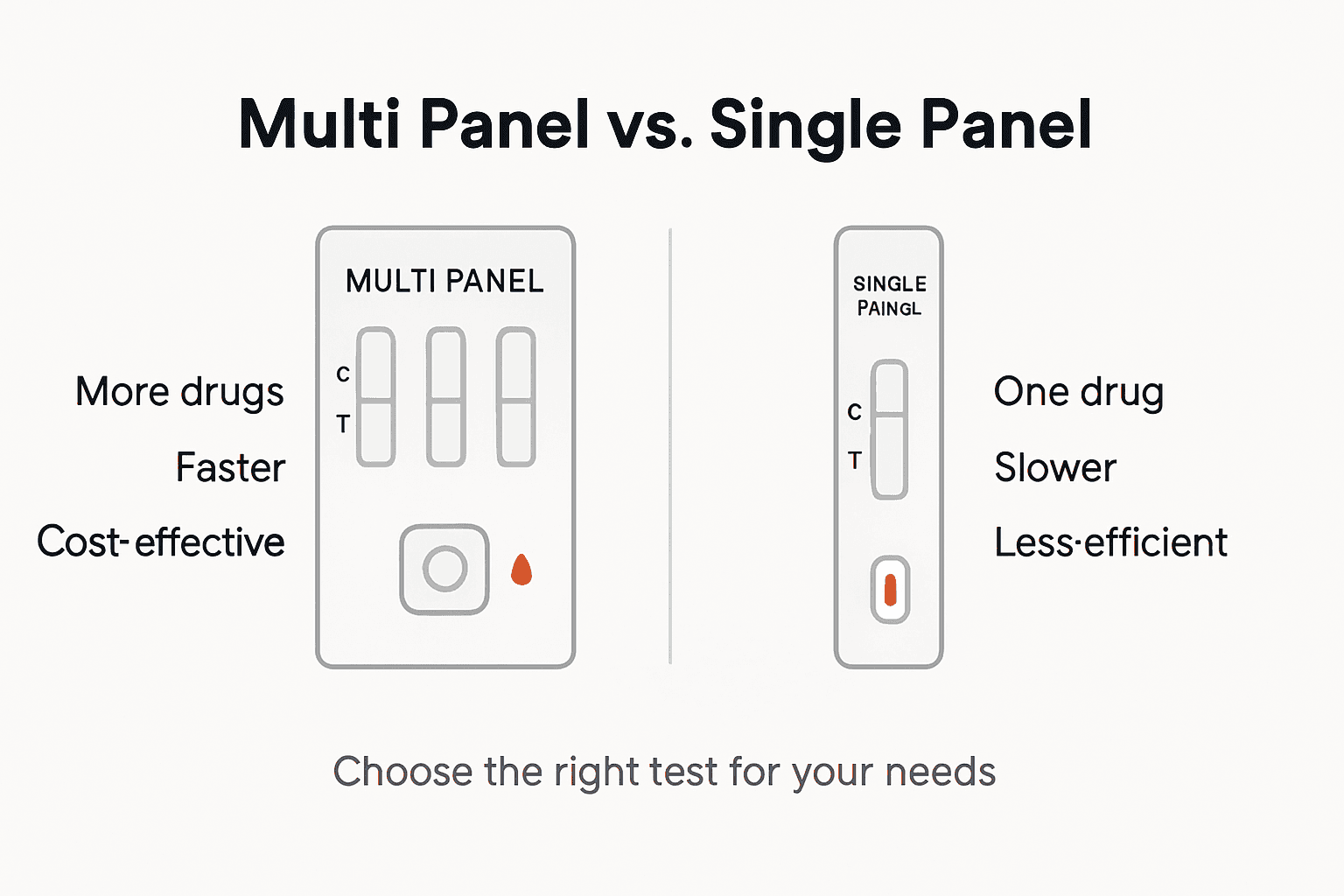
This comparison table highlights operational and diagnostic benefits of multi panel versus single panel tests:
| Aspect | Multi Panel Test | Single Panel Test |
|---|---|---|
| Sample Handling | One specimen, broad results | Multiple specimens often needed |
| Laboratory Workflow | Streamlined, parallel processing | Sequential, slower |
| Insight Depth | Multidrug exposure overview | Individual substance only |
| Total Test Turnaround | Typically under 30 minutes | 1+ hours per battery |
Pro Tip for Test Selection: Evaluate your specific screening requirements by considering the breadth of substances relevant to your professional context, and choose multi panel tests that offer the most comprehensive detection capabilities within your budgetary constraints.
Cost Analysis and Operational Considerations
Operational efficiency represents a critical factor in drug testing strategies, with multi panel tests offering substantial economic advantages for professional laboratories. Advanced drug testing workflow analysis reveals significant cost savings and operational improvements when implementing comprehensive screening methodologies. Traditional single substance testing approaches require substantial time, resources, and repeated testing procedures that dramatically increase overall expenses.
Key economic considerations for multi panel drug testing include:
- Direct Cost Savings
- Reduced per-test processing expenses
- Elimination of multiple individual test purchases
- Lower labor costs through streamlined testing protocols
- Indirect Cost Reductions
- Decreased administrative overhead
- Minimized specimen collection and handling expenses
- Faster turnaround times reducing operational bottlenecks
- Resource Optimization
- Single testing session for multiple substance screens
- Reduced laboratory equipment utilization
- More efficient personnel allocation
Professional laboratories must conduct comprehensive cost-benefit analyses that extend beyond immediate financial considerations. Multi panel testing technologies offer nuanced operational advantages, including enhanced diagnostic capabilities, reduced human error, and improved workflow efficiency. The ability to simultaneously screen multiple substances not only reduces direct testing expenses but also provides more comprehensive insights into substance use patterns, ultimately delivering greater value across healthcare, forensic, and workplace screening environments.
Pro Tip for Financial Planning: Calculate total testing expenses using a holistic approach that considers direct test costs, labor expenses, equipment utilization, and potential downstream savings from more accurate, comprehensive screening methodologies.
Elevate Your Drug Testing Accuracy and Efficiency Today
Multi panel drug tests offer unparalleled accuracy and streamlined workflows, but sourcing reliable, professional-grade testing kits can be challenging. If you seek CLIA waived, FDA-approved products that deliver precise results for workplace, forensic, or clinical environments, finding a trusted supplier is essential. Challenges such as ensuring consistent detection thresholds and minimizing false positives require quality test cups, dip cards, and specimen collection supplies designed for advanced multi panel applications.
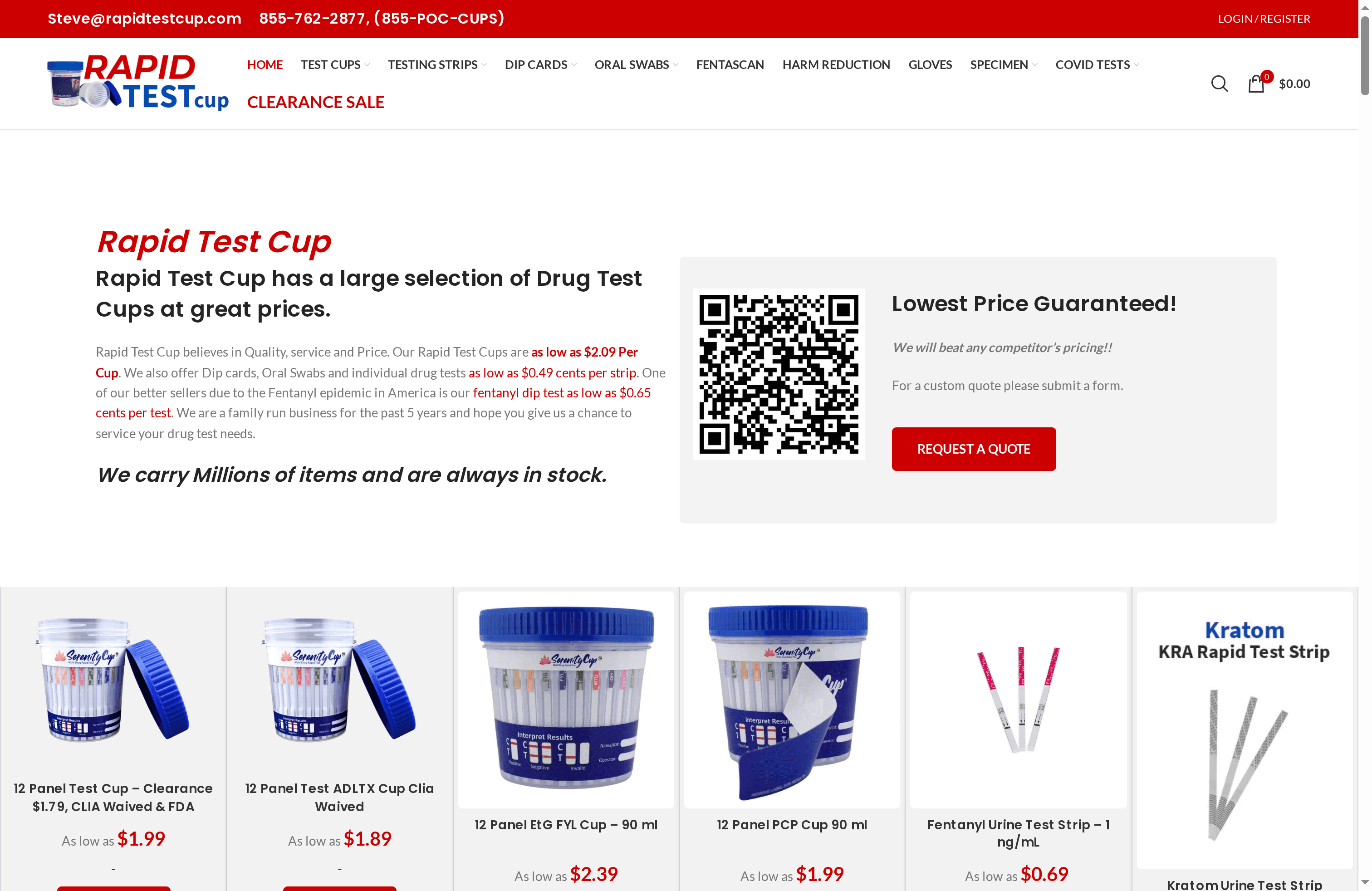
Discover how RapidTestCup empowers laboratories and healthcare providers with a vast catalog of affordable, high-quality multi panel drug tests and accessories. With bulk discounts, quick shipping, and clear product details, RapidTestCup makes it easy to stay compliant while achieving faster, more reliable screening outcomes. Explore their extensive selection and request a custom quote to optimize your drug testing protocols now.
Take the next step toward enhanced screening accuracy by visiting RapidTestCup today and upgrade your testing solutions with confidence.
Frequently Asked Questions
What are multi panel drug tests, and how do they work?
Multi panel drug tests are comprehensive screening methods that allow healthcare professionals to simultaneously detect multiple drug compounds from a single specimen, typically urine. They work using test strips or cups containing specific antibody reagents designed to recognize distinct drug molecular structures, indicating the presence or absence of targeted substances.
How do multi panel drug tests improve accuracy compared to single panel tests?
Multi panel drug tests enhance accuracy by allowing simultaneous screening of multiple drug classes, which reduces the risk of false negatives. They utilize advanced immunoassay technologies to provide a broader detection window and minimize human error associated with sequential testing processes.
What are the different types of multi panel drug tests available?
Multi panel drug tests come in various configurations, typically classified by the number of substances they can detect. Common types include 5-panel tests for core drugs, 10-panel tests that also screen for prescription medications, and 12-panel tests encompassing a broader range of illicit and pharmaceutical drugs.
Why should laboratories choose multi panel tests over single panel options?
Laboratories should choose multi panel tests because they offer improved efficiency, cost savings, and a more holistic understanding of substance use patterns. With multi panel testing, one specimen can yield results for multiple substances, streamlining the testing process while providing comprehensive diagnostic insights.