Blog
How to Select Drug Test Panels for Accurate Results


Over 55 percent of American employers rely on some form of drug testing to promote a safer workplace and meet regulatory demands. The need for accurate and compliant testing methods is more urgent than ever as rules shift and risks evolve across industries. Understanding each step in choosing a drug test panel gives you a clear advantage whether you are an employer, healthcare provider, or individual focused on personal safety and compliance.
Table of Contents
- Step 1: Define Your Drug Testing Purpose And Target Substances
- Step 2: Evaluate Panel Options Based On Regulatory And Organizational Needs
- Step 3: Compare Product Reliability, Certification, And Cost
- Step 4: Verify Compatibility With Specimen Collection Methods
- Step 5: Confirm Panel Selection Meets Compliance And Quality Standards
Quick Summary
| Key Takeaway | Explanation |
|---|---|
| 1. Define your testing purpose clearly | Understand whether you’re testing for employment, healthcare, or personal insight to choose the right panel. |
| 2. Assess regulatory and organizational needs | Ensure your selected drug test meets compliance with relevant regulations and organizational requirements. |
| 3. Evaluate product reliability and costs | Verify certifications and consider total costs beyond initial kit prices to ensure long-term reliability. |
| 4. Verify specimen collection compatibility | Match your drug testing panel with the specimen type to maximize accuracy and reliability of results. |
| 5. Confirm compliance with quality standards | Choose panels with robust validation data and certifications to minimize legal risks and ensure test accuracy. |
Step 1: Define your drug testing purpose and target substances
Selecting the appropriate drug test panel begins with understanding your specific testing objectives. Whether you are an employer conducting workplace screenings, a healthcare professional monitoring patient treatment, or an individual seeking personal health insights, clearly defining your purpose will guide your panel selection strategy.
The testing landscape involves numerous scenarios where precise substance detection becomes critical. Drug testing objectives vary widely depending on context. A workplace might need a comprehensive panel screening for safety-sensitive positions, while addiction treatment centers require more specialized testing to track specific substance use patterns. Medical professionals often need targeted panels to monitor prescription medication compliance or detect potential drug interactions.
When determining your target substances, consider the specific compounds most relevant to your situation. Common drug panels typically screen for marijuana, cocaine, amphetamines, opiates, and phencyclidine (PCP). More advanced panels can include synthetic opioids, benzodiazepines, barbiturates, and emerging designer drugs. Your selection should balance comprehensiveness with practical constraints like budget, testing frequency, and the specific risks or behaviors you aim to understand.
Pro tip: Always consult with a medical or testing professional to ensure your selected drug test panel aligns precisely with your intended screening objectives and provides the most accurate, actionable results.
Step 2: Evaluate panel options based on regulatory and organizational needs
Selecting the right drug testing panel requires careful consideration of both regulatory standards and specific organizational requirements. Understanding the complex landscape of drug testing involves navigating multiple compliance considerations and strategic objectives.
Regulatory frameworks significantly influence drug testing panel selection, with different industries and sectors maintaining unique guidelines. Healthcare organizations, transportation companies, government agencies, and private employers each have distinct mandates that shape their testing protocols. For instance, Department of Transportation regulations mandate specific testing panels for safety-sensitive positions, while workplace screening programs might require more comprehensive substance detection approaches.
When evaluating panel options, focus on several critical factors. First, assess the specific substances most relevant to your organizational context. The MSD Manual Professional Edition highlights key substances typically included in comprehensive panels, such as alcohol, amphetamines, cocaine, marijuana, opioids, and benzodiazepines. Consider your industry risk profile, workforce demographics, and potential substance abuse patterns. Some organizations might need extended panels that detect synthetic opioids or emerging designer drugs, while others require more targeted screening.
Pro tip: Consult legal counsel and industry compliance experts to ensure your selected drug testing panel meets all regulatory requirements and protects both organizational interests and individual privacy rights.
Step 3: Compare product reliability, certification, and cost
Evaluating drug testing products requires a comprehensive approach that balances accuracy, regulatory compliance, and financial considerations. Your goal is to select a testing solution that provides reliable results while meeting both scientific standards and budgetary constraints.
Laboratories play a critical role in determining appropriate testing methodologies that ensure accurate substance detection. When comparing drug test products, focus on several key evaluation criteria. Certification is paramount verification of product quality look for Clinical Laboratory Improvement Amendments (CLIA) certification FDA approval and relevant accreditation from recognized professional organizations. Reliability metrics include detection sensitivity specificity and the ability to minimize false positive or false negative results.

Cost considerations extend beyond the immediate price of test kits. Employer drug testing programs require strategic financial planning that accounts for total implementation expenses. This includes not just the per test cost but also training expenses laboratory processing fees potential legal compliance requirements and ongoing maintenance of testing protocols. Advanced panels with broader substance detection capabilities might have higher upfront costs but can provide more comprehensive insights potentially reducing long term organizational risks.
Pro tip: Request comprehensive validation data and sample testing from manufacturers before making a final purchase to ensure the drug testing products truly meet your specific organizational requirements and performance standards.
Step 4: Verify compatibility with specimen collection methods
Navigating specimen collection methods requires careful consideration of your specific drug testing objectives and the biological samples available for analysis. Understanding the nuanced relationship between testing panels and collection techniques is critical for obtaining accurate and reliable results.
Drug testing relies on multiple biological specimen types including urine, blood, saliva, sweat, and hair. Each sample type offers unique advantages and limitations. Urine remains the most common specimen for workplace and clinical screenings due to its ease of collection and comprehensive detection window. However, your chosen drug testing panel must align precisely with the specimen collection method to ensure maximum accuracy and reliability.
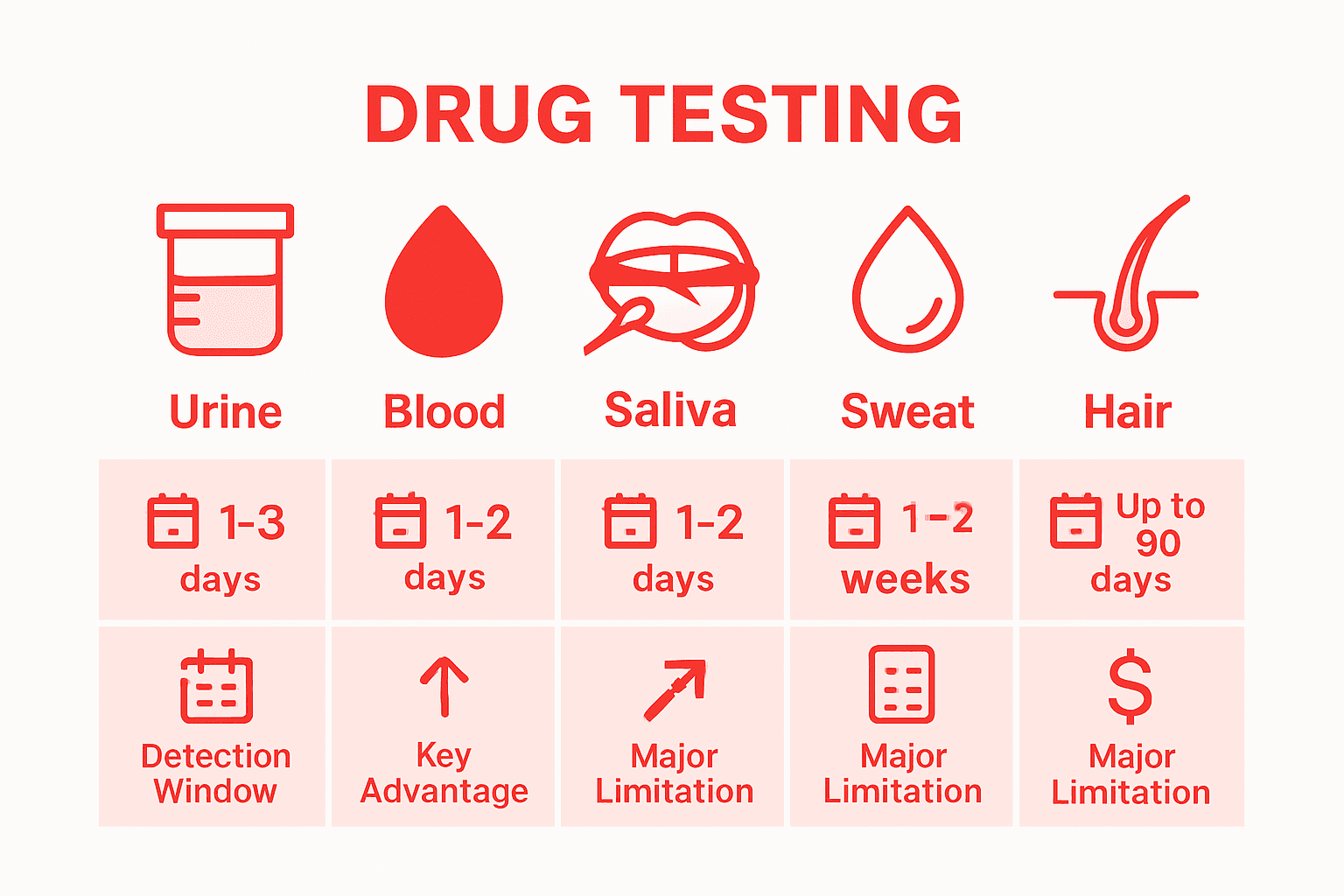
When verifying compatibility, evaluate several key factors. Consider the detection sensitivity of your chosen panel relative to the specific biological sample. Different substances metabolize and remain detectable for varying time periods across specimen types. Some advanced panels require precise collection protocols specialized containers and immediate processing to maintain sample integrity. Factors like temperature preservation methods specimen volume and potential contamination risks must be meticulously evaluated to guarantee the most reliable testing outcomes.
Pro tip: Always validate your specimen collection protocols with the testing laboratory to confirm exact compatibility requirements and minimize potential errors in sample handling and analysis.
Here’s a comparison of common drug testing specimen types and their unique characteristics:
| Specimen Type | Detection Window | Key Advantages | Main Limitations |
|---|---|---|---|
| Urine | 1-3 days (typical) | Non-invasive, widely accepted | Limited for very recent use |
| Blood | Hours to 2 days | Highly accurate, detects recent use | Invasive, shorter detection window |
| Saliva | 1-2 days | Easy collection, detects recent use | Limited detection span |
| Hair | Up to 90 days | Long-term usage detection | Requires more processing, privacy concerns |
| Sweat | 1-2 weeks | Continuous monitoring possible | Specialized patch required, less common |
Step 5: Confirm panel selection meets compliance and quality standards
Ensuring your drug testing panel adheres to rigorous compliance and quality standards is a critical final step in the selection process. This verification protects your organization from potential legal risks and guarantees the most accurate testing outcomes.
Clinical drug testing requires meticulous attention to quality control protocols that go far beyond simple substance detection. Quality standards involve multiple layers of verification including test sensitivity specificity and confirmatory testing procedures. Look for panels that provide comprehensive documentation demonstrating their compliance with recognized national and international regulatory frameworks. Key indicators of high quality include Clinical Laboratory Improvement Amendments (CLIA) certification FDA approval and adherence to professional guidelines from organizations like the Substance Abuse and Mental Health Services Administration.
When evaluating compliance, examine detailed performance metrics of your selected drug testing panel. This includes understanding cutoff levels detection windows potential cross reactivity and the panel ability to minimize false positive or false negative results. Advanced panels should offer transparent validation data demonstrating their accuracy across different population groups and testing scenarios. Consider requesting independent third party verification reports that substantiate the manufacturer performance claims and regulatory compliance.
Pro tip: Request a comprehensive compliance certification package from your drug testing panel manufacturer that explicitly outlines all regulatory approvals quality control processes and scientific validation methodologies.
Below is a summary of critical factors for reliable and compliant drug test panel selection:
| Factor | Why It Matters | What to Check |
|---|---|---|
| Certification | Ensures regulatory adherence | CLIA, FDA, professional bodies |
| Accuracy Metrics | Minimizes false results | Published sensitivity, specificity |
| Total Cost | Affects long-term planning | Kits, training, processing fees |
| Validation Data | Confirms product performance | Independent studies, real-world results |
| Compliance Records | Reduces legal risks | Complete documentation, third-party reports |
Find the Perfect Drug Test Panel with Confidence at RapidTestCup
Selecting the right drug test panel to meet your specific needs can be challenging. The article “How to Select Drug Test Panels for Accurate Results” highlights the importance of understanding your testing goals, ensuring compliance with quality standards, and verifying specimen compatibility. If you aim to avoid costly errors, reduce legal risks, and obtain reliable results, securing high-quality, certified drug testing supplies is essential.
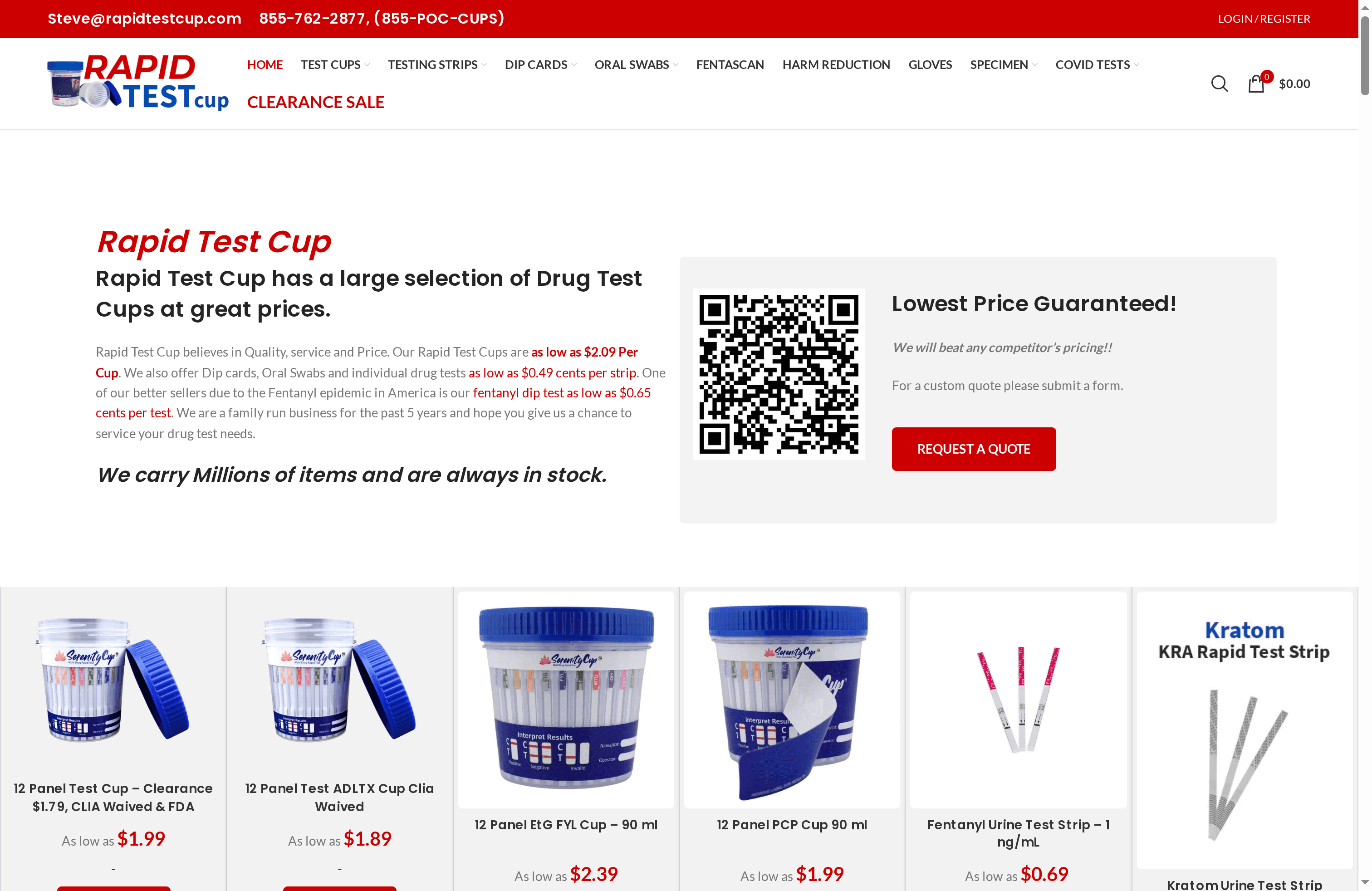
Explore a wide range of FDA approved and CLIA waived drug test panels, testing cups, and specimen collection supplies at RapidTestCup. Whether you need products for professional use, forensic applications, or personal screening, our site provides detailed product specifications, bulk purchasing options, and fast shipping to support your organizational or individual testing programs right away. Visit RapidTestCup now to make your selection and gain peace of mind with trusted drug testing solutions.
Frequently Asked Questions
How do I define the purpose of my drug testing?
To define your drug testing purpose, clarify whether you are screening employees, monitoring patients, or seeking personal health insights. Create a list of specific objectives to guide your selection of the appropriate drug test panel.
What factors should I consider when evaluating drug testing panels?
Consider regulatory compliance, the substances relevant to your organization, and the specific needs of your industry. Review the types of panels available, ensuring they meet your unique objectives and legal requirements.
How can I ensure the reliability of a drug testing panel?
To ensure reliability, verify that the panel has certifications like Clinical Laboratory Improvement Amendments (CLIA) and FDA approval. Confirm the panel’s accuracy metrics, such as sensitivity and specificity, to minimize the likelihood of false results.
What are the different specimen collection methods for drug testing?
Common specimen collection methods include urine, blood, saliva, hair, and sweat. Each method has its unique advantages and limitations, so assess which one best aligns with your testing objectives and the substances being screened.
How can I confirm that my selected drug testing panel meets compliance standards?
Request comprehensive documentation demonstrating your panel’s compliance with industry regulations and quality control protocols. Look for evidence of independent third-party validation to assure its performance and adherence to standards.
What should I include in my budget for drug testing?
Your budget should account for the cost of test kits, training for staff, laboratory processing fees, and any compliance requirements. Plan for total expenses to ensure a successful and sustainable drug testing program.