

Blog
7 Key Steps for a Complete Drug Screening Checklist


Drug screening programs face a complex web of legal regulations and clinical standards in every country, from American clinics to European treatment centers. With clinical errors and noncompliance accounting for nearly 30 percent of disputed drug test results worldwide, laboratory managers and medical professionals need clarity and confidence. Whether you operate in a busy Canadian hospital or a dedicated British clinic, this comprehensive checklist delivers step-by-step guidance to help you comply with strict protocols and safeguard every testing outcome.
Table of Contents
- 1. Verify Testing Policies And Legal Requirements
- 2. Select Appropriate Drug Test Panels And Supplies
- 3. Prepare Collection Sites For Accuracy And Safety
- 4. Train Staff On Proper Specimen Collection
- 5. Establish Chain Of Custody Procedures
- 6. Implement Adulteration And Validity Checks
- 7. Document Results And Maintain Confidential Records
Quick Summary
| Key Message | Explanation |
|---|---|
| 1. Understand Legal Regulations | Investigate local laws and regulations for drug testing to ensure compliance and protect individual rights. |
| 2. Choose Appropriate Test Panels | Select drug testing panels that align with the specific substances relevant to the population you are testing. |
| 3. Maintain Collection Site Integrity | Prepare collection sites meticulously to ensure both accuracy of samples and safety for personnel and participants. |
| 4. Implement Chain of Custody Protocols | Develop rigorous documentation to track the handling of specimens from collection to analysis, ensuring legal defensibility. |
| 5. Ensure Confidential Record Management | Securely manage drug screening results while complying with confidentiality regulations to protect individual privacy. |
1. Verify Testing Policies and Legal Requirements
Navigating drug screening protocols requires a comprehensive understanding of legal and regulatory frameworks. Before launching any drug testing program, you must thoroughly investigate and confirm the specific policies governing your jurisdiction.
Drug testing regulations vary significantly across different states and contexts. California Assembly Bill 2136 demonstrates how specific legislation can impact drug checking equipment and activities, providing critical insights into legal protections and requirements.
When establishing a drug screening program, organizations must carefully examine several key legal considerations. Compliance requires addressing multiple regulatory dimensions, including workplace safety standards, medical privacy laws, and state specific drug testing statutes. Your screening process must align with federal guidelines while respecting individual rights and maintaining legal integrity.
Specifically, drug and alcohol testing programs need to confirm policies for conducting tests to ensure validity and legal standing. This involves understanding requirements such as:
• Obtaining necessary consent from participants
• Maintaining strict confidentiality protocols
• Following standardized collection procedures
• Documenting testing methodologies
• Establishing clear communication about testing purposes
Failure to meet these legal requirements can result in significant legal challenges, potential lawsuits, and compromised testing validity. Organizations must invest time in thoroughly researching applicable regulations specific to their industry, location, and testing context.
Pro tip: Consult with a local legal professional specializing in employment and healthcare regulations to create a comprehensive and legally sound drug screening framework.
2. Select Appropriate Drug Test Panels and Supplies
Selecting the right drug test panels and supplies is a critical decision that directly impacts the accuracy and effectiveness of screening programs. Your choice of testing equipment can make the difference between comprehensive insights and potentially misleading results.
Comprehensive drug testing panels must cover all relevant unauthorized substances likely used by the population being tested. This requires a strategic approach that goes beyond simple substance detection.
Key Considerations for Panel Selection:
• Understand the specific population being tested
• Evaluate potential substance abuse patterns
• Consider testing windows and detection capabilities
• Assess the reliability of testing supplies
• Match panel complexity to program objectives
The American Society of Addiction Medicine (ASAM) emphasizes that no universal standard exists for drug testing. Your panel selection must be tailored to unique clinical needs, patient risk profiles, and specific testing goals.
When choosing drug test supplies, prioritize validated specimen collection kits that ensure accurate chain of custody and maintain rigorous testing standards. Look for supplies that offer:
• Precise detection mechanisms
• Multiple substance screening capabilities
• Documented accuracy rates
• Compliance with regulatory standards
• Clear and consistent reporting protocols
Pro tip: Regularly review and update your drug test panels to stay current with emerging substance trends and evolving testing technologies.
3. Prepare Collection Sites for Accuracy and Safety
Ensuring a properly prepared collection site is fundamental to maintaining the integrity of drug screening processes. Every detail matters when it comes to specimen collection accuracy and personnel safety.
Developing an Individualized Quality Control Plan (IQCP) helps laboratories assess risks and implement critical controls for maintaining screening precision. This systematic approach transforms collection sites from simple testing locations into controlled environments of scientific reliability.
Essential Collection Site Preparation Strategies:
• Create a clean controlled environment
• Establish clear patient identification protocols
• Train personnel in universal safety precautions
• Organize necessary testing supplies
• Implement strict contamination prevention measures
Site Safety Requirements:
Specimen collection involves multiple critical components. Specimen sites must have well defined protocols for patient identification and safety procedures that protect both staff and participants.
Key Safety Considerations:
• Proper personal protective equipment
• Clearly marked collection areas
• Secure storage for specimens
• Defined chain of custody procedures
• Sanitization between collections
Effective collection sites prioritize both scientific accuracy and human safety. This requires meticulous planning, ongoing staff training, and consistent implementation of best practices.
Pro tip: Create a standardized checklist for collection site setup that can be quickly reviewed before each testing session to ensure comprehensive preparedness.
4. Train Staff on Proper Specimen Collection
Properly trained staff are the cornerstone of accurate and reliable drug screening processes. Comprehensive training transforms potential sources of error into precision instruments of scientific reliability.
Training programs must emphasize correct specimen collection techniques to reduce pre analytic errors and improve overall testing accuracy. This goes far beyond simple procedural instruction.
Critical Training Components:
• Infection control protocols
• Proper specimen handling techniques
• Documentation and chain of custody procedures
• Safety equipment usage
• Contamination prevention strategies
Staff involved in specimen collection require detailed certification in study specific procedures, including handling hazardous materials and maintaining rigorous documentation standards.
Key Training Objectives:
• Understand specimen integrity requirements
• Master precise collection methodologies
• Recognize potential sources of sample contamination
• Develop consistent documentation practices
• Implement strict safety protocols
Successful training programs create a culture of precision. Each team member becomes a critical guardian of testing accuracy, ensuring that every specimen meets the highest scientific standards.
Pro tip: Implement quarterly refresher training sessions and maintain detailed skills assessment records to continuously validate staff competency in specimen collection techniques.
5. Establish Chain of Custody Procedures
Chain of custody represents the comprehensive documentation and tracking system that ensures the integrity and legal defensibility of drug screening specimens. It transforms a simple sample into a legally verifiable piece of evidence.
Chain of custody procedures meticulously document the transfer and custody of drug test samples from initial collection through final laboratory analysis. This process creates an unbroken record of every interaction with the specimen.
Essential Chain of Custody Elements:
• Detailed documentation of sample transfers
• Secure tracking mechanisms
• Strict personnel accountability
• Time stamped custody logs
• Verifiable sample identification
Effective tracking requires standardized electronic communication and comprehensive documentation of all custody events. Modern systems leverage technology to enhance traceability and reduce human error.
Critical Documentation Requirements:
• Record each personnel interaction
• Timestamp all sample movements
• Use serialized identification codes
• Implement secure transfer protocols
• Maintain comprehensive written logs
Successful chain of custody procedures protect both the testing organization and the individuals being tested. They create a transparent system that withstands potential legal scrutiny and maintains the highest standards of scientific integrity.
Pro tip: Develop a standardized chain of custody form that can be digitally and physically tracked, ensuring multiple layers of verification and accountability.
6. Implement Adulteration and Validity Checks
Adulteration represents a sophisticated attempt to manipulate drug screening results, transforming a simple test into a complex battle of scientific detection. Understanding and preventing specimen tampering is crucial for maintaining testing integrity.
Adulteration involves multiple tactics such as dilution, substitution, or adding chemical substances to defeat drug testing mechanisms. These strategies range from subtle chemical modifications to complete specimen replacement.
Common Adulteration Techniques:
• Diluting specimens with water
• Substituting clean urine samples
• Adding masking chemicals
• Using commercially available detox products
• Manipulating specimen temperature
Specimen validity testing methods are essential for identifying tampering through comprehensive screening techniques. Advanced laboratories employ multiple verification strategies.
Critical Validity Checking Parameters:
• Measure creatinine levels
• Check urine pH
• Assess specific gravity
• Screen for oxidizing agents
• Test for nitrite presence
• Evaluate specimen temperature
Successful adulteration detection requires a multilayered approach that combines scientific precision with technological innovation. Each check serves as a defense against potential manipulation attempts.
Pro tip: Regularly update your adulteration detection protocols to stay ahead of emerging tampering techniques and maintain the highest standards of testing accuracy.
7. Document Results and Maintain Confidential Records
Documenting drug screening results requires a delicate balance between comprehensive record keeping and stringent privacy protection. Your approach to managing sensitive information can make the difference between compliance and potential legal vulnerability.
Confidentiality regulations such as 42 CFR Part 2 provide strict guidelines for handling substance use disorder records. These frameworks demand meticulous attention to detail and unwavering commitment to patient privacy.
Key Documentation Principles:
• Obtain appropriate consent for data sharing
• Implement restricted access protocols
• Create comprehensive audit trails
• Secure both electronic and paper records
• Establish clear documentation standards
FDA guidance mandates robust management of laboratory records to maintain accuracy and confidentiality. This involves more than simple file storage strategies.
Critical Record Management Requirements:
• Use encrypted digital storage systems
• Limit access to authorized personnel
• Develop clear record retention policies
• Implement multilayered authentication
• Create systematic archiving procedures
• Ensure secure destruction of outdated records
Effective documentation is not just about preserving information but protecting individual privacy while maintaining the highest standards of professional integrity.
Pro tip: Develop a comprehensive record management policy that includes both digital and physical security protocols, and conduct regular compliance audits to ensure ongoing protection.
Below is a comprehensive table summarizing the key steps and best practices for implementing effective and compliant drug screening programs as discussed throughout the article.
| Aspect | Details | Key Actions |
|---|---|---|
| Legal Requirements | Understand regulations specific to jurisdiction and industry. | Consult legal professionals and thoroughly research local laws. |
| Test Panels and Supplies | Select panels that reflect the substances relevant to the purpose of testing and population characteristics. | Regularly evaluate and update panel inclusions for relevance and efficacy. |
| Collection Site Preparation | Prepare a safe and controlled environment for specimen collection. | Train staff, maintain cleanliness, and use proper protective equipment. |
| Staff Training | Provide comprehensive training on specimen handling, documentation, and contamination avoidance. | Conduct regular refresher training sessions and maintain competency records. |
| Chain of Custody | Ensure thorough documentation and secure handling procedures for each specimen. | Use serialized tracking systems and timestamp log entries. |
| Specimen Validity | Implement checks to ensure integrity of specimens and identify tampering. | Test for parameters like pH, creatinine levels, and presence of adulterants. |
| Documentation and Confidentiality | Maintain secure and private handling of all testing records and results. | Use encrypted systems, limit access, and adhere to strict data-sharing policies. |
This table encapsulates the critical operational and legal considerations for maintaining the integrity and reliability of drug screening programs.
Streamline Your Drug Screening Process with Trusted Testing Supplies
Implementing the 7 key steps for a complete drug screening checklist requires reliable tools that ensure accuracy, legal compliance, and specimen integrity. Whether you need verified drug test cups, adulteration detection products, or specimen collection supplies, having the right equipment is critical to overcome challenges like maintaining chain of custody and detecting tampering attempts.
Visit RapidTestCup for a wide selection of FDA-approved, CLIA waived drug testing kits designed for professional use. Our offerings support every step in your screening program from sample collection to validity checks. By choosing high-quality supplies, you protect your program against common pitfalls such as specimen contamination and legal vulnerabilities.
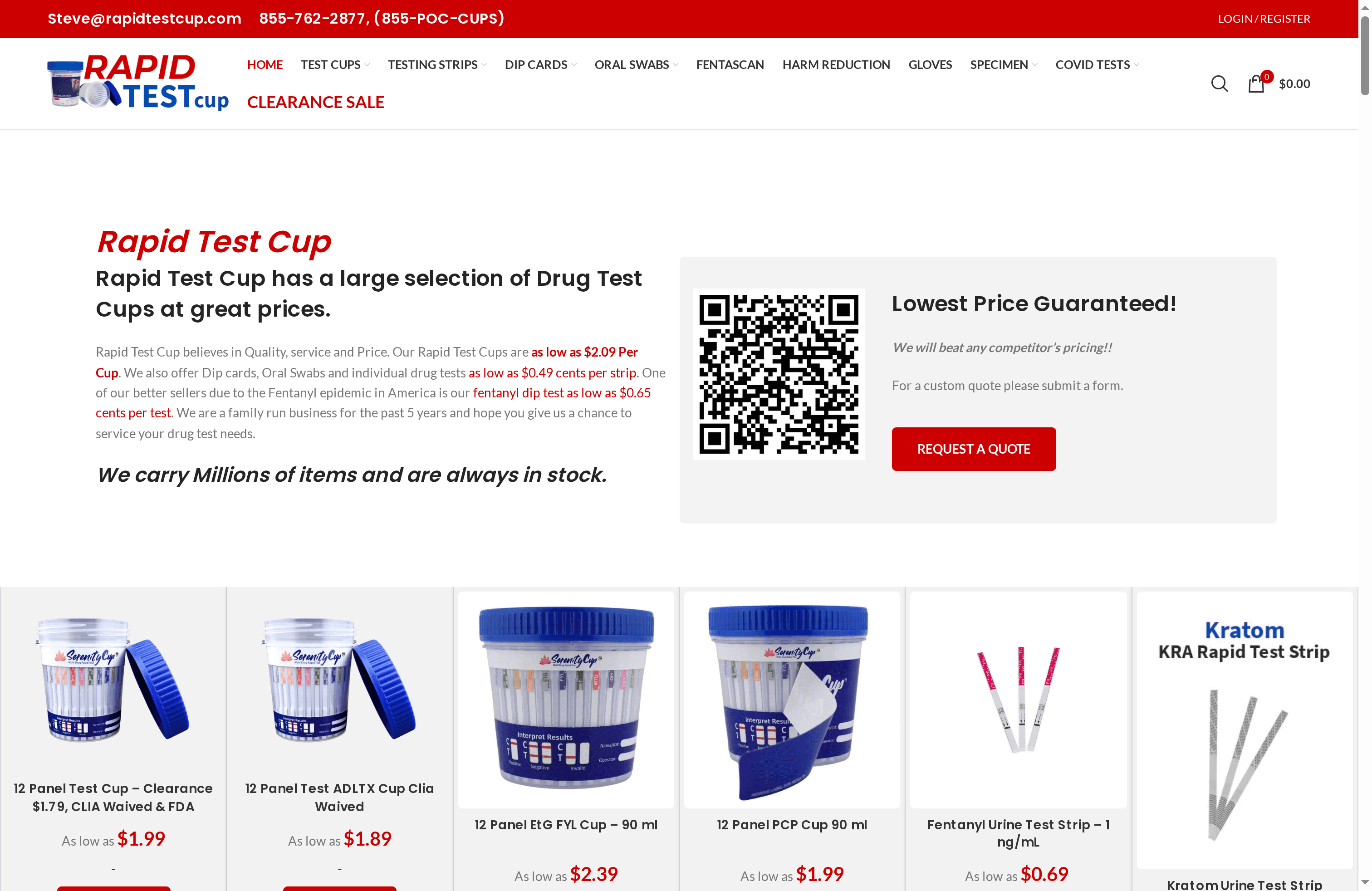
Ready to enhance your drug screening accuracy and compliance now Visit RapidTestCup and access affordable, bulk options with fast shipping. Start building a trustworthy and efficient testing process today that meets all your procedural and regulatory needs.
Frequently Asked Questions
What are the key legal requirements I need to verify before starting a drug screening program?
Before launching a drug screening program, thoroughly research and confirm the specific legal and regulatory requirements in your jurisdiction. Ensure compliance with workplace safety standards, medical privacy laws, and state-specific drug testing statutes by consulting with a legal professional specializing in employment regulations.
How do I select the appropriate drug test panels for my program?
Select drug test panels by understanding the specific population being tested and their potential substance abuse patterns. Evaluate testing windows and detection capabilities to ensure your panel aligns with your testing objectives and accurately captures relevant unauthorized substances.
What should I include in my preparation for drug specimen collection sites?
Prepare drug specimen collection sites by creating a clean environment, establishing clear patient identification protocols, and organizing necessary testing supplies. Implement strict contamination prevention measures to maintain specimen integrity and ensure accuracy in the drug screening process.
How can I train my staff on proper specimen collection techniques?
Train your staff by focusing on infection control protocols, proper specimen handling techniques, and documenting chain of custody procedures. Ensure that training sessions cover potential sources of contamination and the use of safety equipment to maintain high standards of testing reliability.
What steps should I take to establish effective chain of custody procedures for drug test samples?
Establish chain of custody procedures by meticulously documenting sample transfers and implementing secure tracking mechanisms. Utilize time-stamped custody logs and ensure personnel accountability to maintain a transparent system that supports the integrity of drug screening results.
How can I document drug screening results while maintaining confidentiality?
Document drug screening results by obtaining appropriate consent and implementing restricted access protocols for sensitive information. Create comprehensive audit trails for records management while ensuring secure storage and systematic archiving to protect individual privacy and comply with regulations.