Blog
7 Key Examples of Drug Testing Panels Explained


Over 80 percent of American organizations use drug testing panels to safeguard their workplaces and meet legal standards. As substance use trends evolve rapidly, understanding the basics of these tests becomes crucial for employers, healthcare providers, and families nationwide. This guide breaks down how different panel types work, revealing exactly what each screening detects and why these choices matter for anyone responsible for safety, medical care, or compliance.
Table of Contents
- 1. Understanding What A Drug Testing Panel Is
- 2. The Standard 5-Panel Drug Test: Common Substances Detected
- 3. Expanded 7-Panel Drug Test: Additional Substance Coverage
- 4. Comprehensive 10-Panel Drug Test: Wider Screening Options
- 5. Advanced 12-Panel Drug Test: Detecting Prescription And Illicit Drugs
- 6. The Role of Custom Multi-Panel Drug Tests For Unique Needs
- 7. Choosing The Right Drug Testing Panel For Your Situation
Quick Summary
| Key Insight | Clear Explanation |
|---|---|
| 1. Drug testing panels identify multiple substances. | These panels screen biological samples for various drugs, aiding informed decision-making for employers, healthcare, and legal entities. |
| 2. The 5-panel test detects five key drugs. | Commonly used, it identifies Marijuana, Cocaine, Opiates, Amphetamines, and PCP quickly in various professional settings. |
| 3. Expanded panels provide broader substance coverage. | 7-panel and 10-panel tests include additional substances, enhancing detection capabilities for workplace safety and medical insights. |
| 4. Custom tests are tailored for specific needs. | Organizations can design tests targeting particular substances relevant to their industry or regional drug use patterns. |
| 5. Selecting the right panel is crucial. | Organizations should consider goals, regulations, and substance risks to choose the appropriate testing panel for effective monitoring. |
1. Understanding What a Drug Testing Panel Is
A drug testing panel is a comprehensive screening method designed to detect multiple substances in a single biological sample. These systematic examinations allow medical professionals, employers, and legal entities to identify the presence of various drugs efficiently and accurately.
At its core, a drug testing panel functions as a strategic diagnostic tool that examines biological specimens such as urine, blood, hair, or saliva for traces of specific controlled substances. The National Center for Biotechnology Information provides detailed insights into the intricate design of these panels, which are carefully constructed to identify a predetermined set of drugs.
Key Components of Drug Testing Panels:
- Standardized detection of multiple substances simultaneously
- Precise screening protocols
- Specific substance identification thresholds
- Comprehensive reporting mechanisms
Understanding drug testing panels is crucial for numerous professionals across different sectors. Laboratories, healthcare providers, workplace safety managers, and legal professionals rely on these panels to make informed decisions about an individual’s substance use history. The panels range from basic 5 drug screenings to more extensive 10 or 12 drug comprehensive tests, depending on specific screening requirements.
Practically speaking, drug testing panels serve multiple critical functions. They help organizations maintain safety standards, support rehabilitation efforts, ensure workplace productivity, and provide valuable medical insights. By detecting drug presence quickly and systematically, these panels offer a powerful tool for proactive substance monitoring and intervention strategies.
2. The Standard 5-Panel Drug Test: Common Substances Detected
The standard 5-panel drug test represents the most common screening method used across numerous professional and legal settings to identify the presence of five primary controlled substances. These comprehensive tests offer a quick and efficient way to detect potentially dangerous drug use in various environments.
Detailed pharmacological research from the National Center for Biotechnology Information highlights the critical importance of understanding these standard drug screening protocols.
Five Primary Substances Detected:
- Marijuana (THC)
- Cocaine
- Opiates
- Amphetamines
- Phencyclidine (PCP)
Detection Specifics:
Marijuana screening identifies tetrahydrocannabinol (THC) metabolites, which can remain detectable for several weeks depending on usage frequency. Cocaine tests look for benzoylecgonine, the primary metabolite indicating recent cocaine consumption. Opiate panels typically screen for heroin, morphine, and codeine derivatives.
Amphetamine detection covers methamphetamine and related stimulants, while PCP testing identifies both recent and historical use of this hallucinogenic substance. The standard 5-panel test provides organizations with a robust method to assess potential substance abuse risks quickly and accurately.
Professional settings such as workplaces, transportation industries, healthcare facilities, and legal systems frequently utilize these drug panels. By offering a comprehensive overview of an individual’s potential drug use, these tests help maintain safety standards, support rehabilitation efforts, and ensure compliance with regulatory requirements.
3. Expanded 7-Panel Drug Test: Additional Substance Coverage
The 7-panel drug test represents a more comprehensive screening approach that extends beyond the standard 5-panel test, providing organizations and healthcare professionals with a broader understanding of potential substance use. Extensive research from the National Center for Biotechnology Information reveals the nuanced detection capabilities of expanded drug testing protocols.
Seven Substances Typically Detected:
- Marijuana (THC)
- Cocaine
- Opiates
- Amphetamines
- Phencyclidine (PCP)
- Benzodiazepines
- Methadone
Beyond the standard 5-panel test, this expanded screening adds critical substances like benzodiazepines and methadone. Benzodiazepines include prescription medications such as Valium, Xanax, and Ativan, which can be misused or pose workplace safety risks. Methadone detection is particularly important for monitoring addiction treatment programs and ensuring compliance with rehabilitation protocols.
Key Advantages of 7-Panel Testing:
- More comprehensive substance detection
- Enhanced workplace safety monitoring
- Improved medical screening capabilities
- Better insights for rehabilitation professionals
Professional settings like healthcare facilities, addiction treatment centers, transportation industries, and legal systems frequently utilize 7-panel drug tests. These expanded screenings provide a more nuanced view of an individual’s potential substance use, enabling more informed decision making and targeted intervention strategies.
The additional substances in the 7-panel test offer critical information that can help identify potential prescription drug misuse, track addiction treatment progress, and support comprehensive health and safety assessments across various professional environments.
4. Comprehensive 10-Panel Drug Test: Wider Screening Options
The 10-panel drug test represents the gold standard for comprehensive substance screening, offering an extensive look into potential drug use that goes far beyond basic testing protocols. Advanced pharmacological research from the National Center for Biotechnology Information provides critical insights into the nuanced detection capabilities of these expanded screening methods.
Ten Substances Typically Detected:
- Marijuana (THC)
- Cocaine
- Opiates
- Amphetamines
- Phencyclidine (PCP)
- Benzodiazepines
- Methadone
- Barbiturates
- Methaqualone
- Propoxyphene
Key Screening Advantages:
- Comprehensive substance detection
- Enhanced workplace safety monitoring
- Deeper insights for medical professionals
- Advanced rehabilitation support
This expanded panel adds critical substances like barbiturates (sedative medications), methaqualone (a defunct prescription sedative), and propoxyphene (a pain medication discontinued in the United States). These additional screenings provide a more nuanced understanding of potential prescription drug misuse and historical substance abuse patterns.
Professional environments such as healthcare facilities, addiction treatment centers, legal systems, and high security industries rely on 10-panel drug tests. The broader screening allows for more accurate risk assessments, comprehensive medical evaluations, and targeted intervention strategies. By detecting a wider range of substances, these tests offer unprecedented depth in understanding an individual’s potential substance use history.
5. Advanced 12-Panel Drug Test: Detecting Prescription and Illicit Drugs
The 12-panel drug test represents the most sophisticated screening approach for identifying both prescription medications and illicit substances, offering unprecedented depth in substance detection. Comprehensive pharmacological research from the National Center for Biotechnology Information highlights the complex methodologies behind these advanced testing protocols.
Twelve Substances Typically Detected:
- Marijuana (THC)
- Cocaine
- Opiates
- Amphetamines
- Phencyclidine (PCP)
- Benzodiazepines
- Methadone
- Barbiturates
- Methaqualone
- Propoxyphene
- Ecstasy (MDMA)
- Oxycodone
Critical Detection Capabilities:
- Extended prescription medication screening
- Advanced illicit drug identification
- Enhanced workplace safety monitoring
- Comprehensive medical assessment support
This expanded panel uniquely captures both commonly misused prescription medications like oxycodone and synthetic substances such as ecstasy. The inclusion of these additional substances provides medical professionals, employers, and legal entities with a more comprehensive understanding of an individual’s potential substance use patterns.
Professional environments ranging from healthcare facilities and addiction treatment centers to high security industries increasingly rely on 12-panel drug tests. By detecting a broader spectrum of substances, these tests offer unparalleled insights into potential pharmaceutical abuse, recreational drug use, and complex substance interaction risks.
6. The Role of Custom Multi-Panel Drug Tests for Unique Needs
Custom multi-panel drug tests represent a sophisticated approach to substance screening that allows organizations to tailor testing protocols precisely to their specific requirements. Comprehensive research from the National Center for Biotechnology Information underscores the strategic importance of developing targeted drug testing methodologies.
Key Advantages of Custom Multi-Panel Testing:
- Precise substance detection
- Targeted screening capabilities
- Flexible configuration options
- Specialized organizational needs
Custom drug panels enable healthcare providers, law enforcement agencies, rehabilitation centers, and workplace safety managers to design screening protocols that address their unique contextual challenges. These specialized tests can include substances specific to regional drug trends, emerging synthetic compounds, or particular workplace safety concerns.
Scenarios Requiring Custom Multi-Panel Tests:
- Specialized addiction treatment programs
- Forensic investigations with specific substance profiles
- Industry specific workplace safety monitoring
- Regional substance abuse prevention initiatives
- Targeted rehabilitation tracking
Professional environments increasingly recognize that standardized testing cannot address every complex screening scenario. By developing custom multi-panel drug tests, organizations can create more precise, effective substance monitoring strategies that align exactly with their specific operational requirements and safety protocols.
7. Choosing the Right Drug Testing Panel for Your Situation
Selecting the appropriate drug testing panel is a critical decision that requires careful consideration of your specific organizational needs, legal requirements, and screening objectives. Comprehensive research from the National Center for Biotechnology Information provides essential guidance for navigating these complex screening strategies.
Critical Factors in Panel Selection:
- Specific screening objectives
- Regulatory compliance requirements
- Budget constraints
- Intended testing population
- Substance prevalence in your environment
Recommended Selection Process:
- Identify Primary Testing Goals
- Assess Substance Risks
- Review Legal Requirements
- Evaluate Budget Limitations
- Select Appropriate Panel Complexity
Different professional environments require unique approaches. Healthcare facilities might prioritize prescription medication screening, while transportation industries focus on safety critical substances. Workplace testing often demands a balance between comprehensive detection and cost effectiveness.
Employers and organizations should conduct thorough risk assessments before determining their ideal drug testing panel. A 5-panel test might suffice for basic screening, while more complex environments may require 10 or 12-panel tests to ensure comprehensive substance monitoring and workplace safety.
Below is a comprehensive table summarizing the key aspects of drug testing panels discussed throughout the article.
| Test Panel | Substances Detected | Advantages |
|---|---|---|
| 5-Panel | Marijuana, Cocaine, Opiates, Amphetamines, PCP | Quick detection, used in professional settings for standard testing. |
| 7-Panel | 5-Panel substances + Benzodiazepines, Methadone | Broader safety monitoring, better rehabilitation insights. |
| 10-Panel | 7-Panel substances + Barbiturates, Methaqualone, Propoxyphene | Comprehensive detection, deeper safety assessments. |
| 12-Panel | 10-Panel substances + Ecstasy, Oxycodone | Most extensive screening, identifies prescription and illicit drugs. |
| Custom Panels | Varies based on needs | Tailored and precise, addresses unique organizational requirements. |
| Selection Factors | Screening objectives, compliance, budget | Ensures alignment with organizational needs and risks. |
Find the Perfect Drug Testing Panel with RapidTestCup
Understanding the varying scopes of drug testing panels is essential for accurate and efficient substance screening. Whether you require a standard 5-panel test or a comprehensive 12-panel solution, the challenge lies in selecting the right test to meet your specific goals like workplace safety, medical compliance, or rehabilitation monitoring. At RapidTestCup we offer a wide selection of FDA-approved and CLIA waived drug test cups and kits designed to fit every screening need discussed in the article including customizable options.
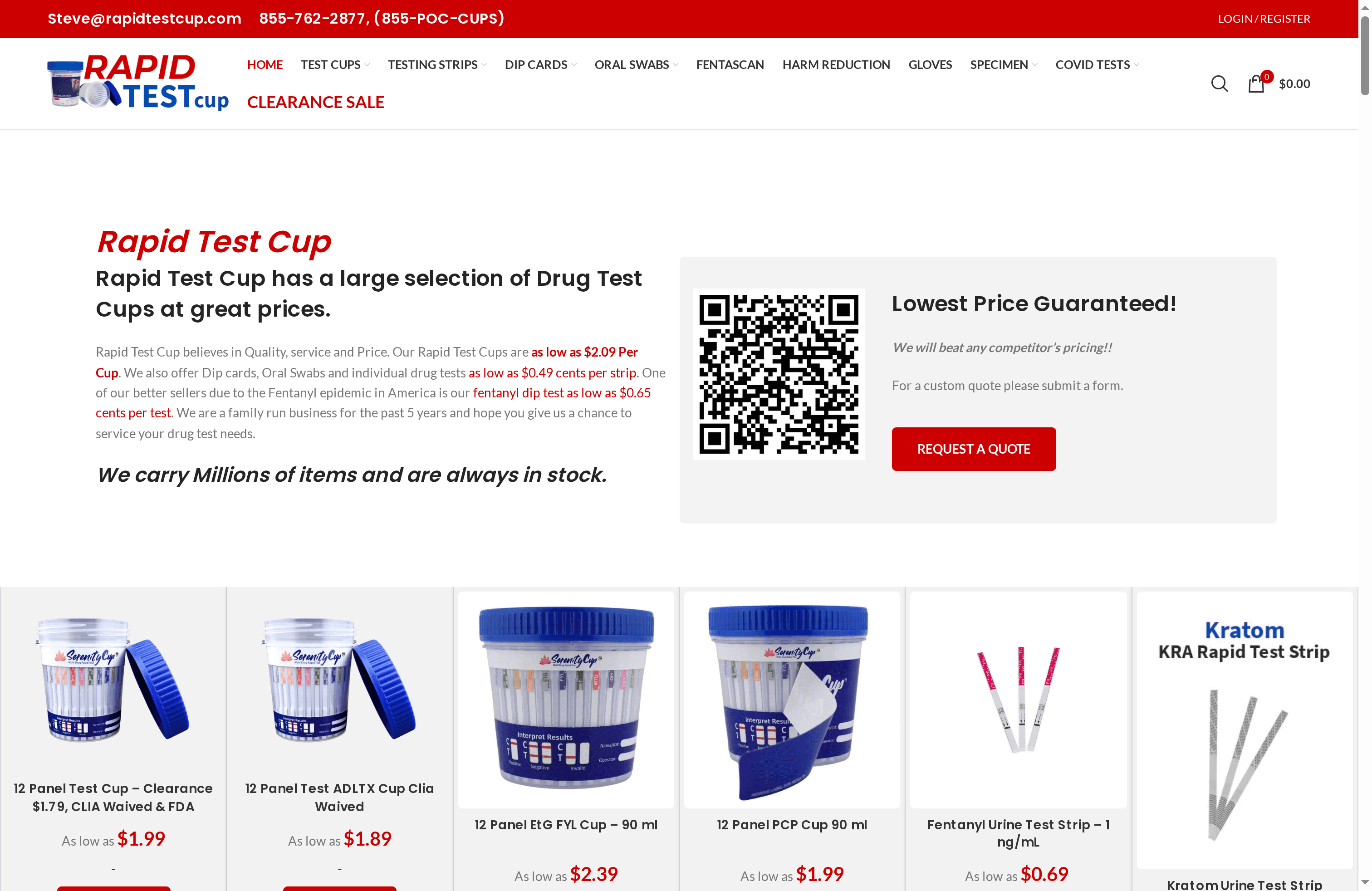
Take control of your substance screening today by exploring our extensive inventory. Discover detailed product information and enjoy bulk discounts on professional-grade testing supplies, ideal for clinics, labs, and safety programs. Visit RapidTestCup now to get the right drug test panel that ensures reliable results and compliance. Make your purchase with confidence and secure quick shipping to stay ahead of potential challenges in drug detection.
Frequently Asked Questions
What is a drug testing panel?
A drug testing panel is a method used to screen biological samples for the presence of multiple controlled substances at once. To understand which substances are detected, review the specific panel being utilized, such as the standard 5-panel or more comprehensive options.
How do I choose the right drug testing panel for my organization?
Choosing the right drug testing panel involves assessing your specific testing goals, regulatory requirements, and budget constraints. Start by identifying the primary substances of concern and then evaluate the complexity of the panel that meets your needs, such as opting for a 10-panel test if you’re worried about additional prescription medications.
What substances are detected in a 5-panel drug test?
A 5-panel drug test typically detects five primary substances: Marijuana (THC), Cocaine, Opiates, Amphetamines, and Phencyclidine (PCP). Ensure you understand the implications of these substances in your environment before selecting a testing protocol.
Why would I consider a 12-panel drug test instead of a 5-panel test?
A 12-panel drug test provides a more comprehensive screening that includes additional substances like Benzodiazepines and Ecstasy (MDMA) alongside those detected in a 5-panel test. If your organization has concerns about prescription drug misuse or illicit substance use, opting for a 12-panel test can offer deeper insights and inform better intervention strategies.
What are custom multi-panel drug tests, and why might I need one?
Custom multi-panel drug tests are tailored screenings designed to meet specific organizational needs, allowing for the detection of substances relevant to particular environmental concerns. Consider developing a custom panel if your organization faces unique substance abuse trends or specific safety requirements that standard panels do not cover.
How often should drug testing be conducted in the workplace?
The frequency of drug testing in the workplace should align with your organization’s safety policies, regulatory requirements, and risk assessments. Many organizations conduct testing at least annually, but increasing this to quarterly or even monthly can enhance overall workplace safety standards.