

Blog
7 Essential Drug Panel Testing Tips for Accurate Results


Over 14 million American drug tests are conducted every year, yet many people overlook how complex the process really is. Choosing the right test type, understanding panel variations, and following precise collection procedures can all impact screening accuracy. For anyone responsible for American workplace, medical, or legal testing, knowing these details means the difference between reliable results and costly mistakes.
Table of Contents
- Understand The Different Types Of Drug Panels
- Choose The Right Testing Supplies For Your Needs
- Follow Proper Specimen Collection Procedures
- Store And Handle Samples Correctly
- Interpret Panel Results With Confidence
- Implement Quality Control Measures
- Stay Updated On Testing Regulations And Best Practices
Quick Summary
| Takeaway | Explanation |
|---|---|
| 1. Select the Right Drug Panel | Different panels test for various substances; choose based on the context of testing. |
| 2. Use Proper Testing Supplies | High-quality supplies ensure accurate results and maintain the integrity of the testing process. |
| 3. Follow Collection Protocols | Strict specimen collection procedures prevent contamination and ensure reliability of results. |
| 4. Interpret Results Thoroughly | Understand nuances between initial screenings and confirmatory tests to avoid false positives. |
| 5. Stay Informed on Regulations | Regularly update knowledge on evolving drug testing laws and best practices to ensure compliance. |
1. Understand the Different Types of Drug Panels
Drug panel testing is more complex than most people realize. Different panels detect varying combinations of substances, which means selecting the right test is critical for accurate results. Types of drug test panels range from basic screenings to comprehensive multi substance assessments.
Most drug panels are categorized by the number of substances they screen for, typically ranging from 5 to 12 different drugs. The standard panels include:
5Panel Drug Test:
- Marijuana
- Cocaine
- Amphetamines
- Opiates
- Phencyclidine (PCP)
10Panel Drug Test:
- Includes 5 panel substances
- Additionally screens for:
- Barbiturates
- Benzodiazepines
- Methadone
- Methaqualone
- Propoxyphene
The U.S. Department of Transportation guidelines recommend specific panel configurations for workplace and transportation sector testing, highlighting the importance of understanding these variations.
When selecting a drug panel, consider the specific context of testing. Workplace screenings might require different configurations compared to clinical assessments or legal proceedings. Factors like detection window, specific substances of concern, and testing environment all influence panel selection.
Pro tip: Always confirm the exact substances included in your selected drug panel, as terminology and included substances can vary between testing providers and jurisdictions.
2. Choose the Right Testing Supplies for Your Needs
Selecting appropriate testing supplies is more than just picking a random kit off the shelf. The right equipment ensures reliable, accurate results and maintains the integrity of your drug screening process. Comprehensive urine drug test panels require specific collection and testing materials designed for precision.
Essential Testing Supplies Include:
- Urine collection cups
- Tamper evident seals
- Testing strips or panels
- Temperature strip indicators
- Chain of custody forms
- Gloves and protective equipment
- Bluing agents
The U.S. Department of Transportation guidelines mandate specific requirements for specimen collection, emphasizing the importance of high quality testing supplies. These guidelines ensure that every step of the testing process maintains scientific accuracy and legal defensibility.
When selecting testing supplies, consider factors like detection sensitivity, substances screened, collection method, and certification standards. Laboratory certified supplies provide more reliable results compared to generic over the counter testing kits.
Understand that different testing environments medical clinics, workplace screenings, legal proceedings require specialized supply configurations. Always verify that your chosen supplies meet the specific regulatory requirements for your intended use.
Pro tip: Always purchase testing supplies from vendors who provide comprehensive documentation and certification confirming their compliance with federal testing standards.
3. Follow Proper Specimen Collection Procedures
Specimen collection represents the critical first step in drug panel testing that can make or break your entire screening process. Urine specimen cups with temperature strips play a pivotal role in maintaining testing accuracy and integrity.
Key Specimen Collection Protocols:
- Verify donor identification
- Use tamper evident collection containers
- Monitor specimen temperature immediately after collection
- Maintain strict chain of custody documentation
- Prevent potential specimen adulteration
The U.S. Department of Transportation guidelines mandate comprehensive procedures designed to ensure testing reliability. These protocols address multiple potential points of contamination or manipulation that could compromise screening results.
When collecting specimens, privacy matters. Establish clear procedures that protect donor dignity while preventing potential specimen substitution. This means creating controlled collection environments with limited access and strict monitoring protocols.
Specimen temperature verification occurs within minutes of collection and represents a critical quality control checkpoint. Normal human urine temperature ranges between 90 and 100 degrees Fahrenheit. Any specimen outside this range might indicate potential tampering or sample substitution.
Pro tip: Always train collection personnel thoroughly on proper handling procedures and create standardized workflows that minimize human error during specimen management.
4. Store and Handle Samples Correctly
Proper sample storage and handling are critical for maintaining drug testing accuracy and preventing potential contamination or degradation. Specimen handling regulations provide strict guidelines to ensure sample integrity throughout the testing process.
Critical Sample Handling Requirements:
- Maintain consistent temperature control
- Use sealed sterile containers
- Prevent direct light exposure
- Limit handling time
- Document chain of custody
- Store at recommended refrigeration temperatures
- Protect from potential cross contamination
The University of Colorado Hospital guidelines recommend specific storage protocols that help preserve sample chemical composition. Most urine specimens require refrigeration between 2 and 8 degrees Celsius to prevent bacterial growth and minimize chemical alterations.
Most drug testing laboratories recommend processing samples within 24 to 48 hours of collection. Longer storage periods can potentially compromise test accuracy due to natural biological and chemical changes in the specimen.
When transporting samples, use approved containers with secure seals that prevent leakage and maintain temperature integrity. Always label specimens clearly with unique identifiers and collection timestamps to track their entire lifecycle.
Pro tip: Invest in high quality refrigeration units with temperature monitoring capabilities to ensure consistent storage conditions and minimize potential sample degradation.
5. Interpret Panel Results with Confidence
Understanding drug panel test results requires more than simply reading a positive or negative outcome. Different drug test types reveal nuanced information that demands careful interpretation.
Key Result Interpretation Elements:
- Recognize initial screening versus confirmatory test differences
- Understand cutoff concentration levels
- Distinguish between presumptive and definitive results
- Consider potential false positive scenarios
- Validate results through secondary testing
- Review chain of custody documentation
- Assess potential medical explanations
Initial screening tests typically use immunoassay methods which provide quick preliminary results. These screenings have specific threshold concentrations for different substances. A positive screening result does not automatically confirm drug presence but indicates the potential need for additional confirmatory testing.
Confirmatory tests like gas chromatography mass spectrometry provide more precise measurements. These advanced techniques can definitively identify specific substances and their exact concentration levels, eliminating potential false positive outcomes from initial screenings.
Medical professionals and testing administrators must consider multiple factors when interpreting results. Prescription medications, dietary supplements, and individual metabolic variations can potentially influence test outcomes. Always recommend comprehensive medical review for any non negative screening results.
Pro tip: Always cross reference initial screening results with confirmatory tests and maintain comprehensive documentation to support accurate result interpretation.
6. Implement Quality Control Measures
Quality control represents the backbone of reliable drug testing processes that protect both testing administrators and individuals being screened. Urine specimen collection guidelines provide comprehensive frameworks for maintaining testing integrity.
Essential Quality Control Strategies:
- Conduct regular equipment calibration
- Perform periodic blind sample testing
- Maintain detailed documentation
- Establish clear testing protocols
- Train personnel consistently
- Implement random audits
- Use certified testing materials
Blind sample testing involves introducing predetermined samples with known substance concentrations into the regular testing workflow. This method allows laboratories to verify testing equipment accuracy and personnel performance without prior notification.
Consistent personnel training ensures that every team member understands precise testing procedures. This includes recognizing potential sample contamination, understanding equipment operation, and following strict chain of custody protocols.
Regulatory compliance demands meticulous documentation. Every test result should include comprehensive tracking information including collection timestamp, technician identification, testing methodology, and equipment serial numbers.
Pro tip: Develop a quarterly internal audit schedule that systematically reviews testing procedures, equipment performance, and personnel competency to maintain the highest standards of testing accuracy.
7. Stay Updated on Testing Regulations and Best Practices
The landscape of drug testing regulations evolves rapidly, making continuous education critical for maintaining compliance and accuracy. Workplace drug testing workflows require professionals to stay informed about the latest regulatory changes.
Key Strategies for Regulatory Awareness:
- Subscribe to official regulatory newsletters
- Attend professional development seminars
- Review federal agency updates quarterly
- Network with industry professionals
- Participate in continuing education programs
- Monitor legislative changes
- Join professional associations
The U.S. Department of Transportation’s Office of Drug and Alcohol Policy and Compliance provides comprehensive resources for staying current with federal testing standards. Their guidelines represent the gold standard for drug testing protocols across multiple industries.
Regulatory awareness goes beyond simply reading documents. Professionals must understand the nuanced implications of new regulations, including potential impacts on testing procedures, technological requirements, and legal compliance.
Medical and forensic testing environments experience frequent regulatory updates. Changes can involve detection thresholds, approved testing methodologies, specimen handling protocols, and documentation requirements.
Pro tip: Create a dedicated compliance calendar that tracks key regulatory review dates and sets automated reminders for reviewing the latest industry standards and federal guidelines.
Below is a comprehensive table summarizing the key aspects of drug panel testing as discussed in the article.
| Topic | Description | Key Considerations |
|---|---|---|
| Types of Drug Panels | Panels range from 5 to 12 substances, with 5 panel testing for Marijuana, Cocaine, Amphetamines, Opiates, and PCP. 10 panel includes additional substances like Barbiturates and Benzodiazepines. | Consider the context of testing and confirm the substances included as they vary by provider. |
| Testing Supplies | Essential supplies include collection cups, tamper-evident seals, and temperature strips. High-quality supplies ensure accurate results. | Choose supplies that meet regulatory requirements and consider detection sensitivity. |
| Specimen Collection | Proper collection requires tamper-evident containers and strict chain of custody. Temperature verification is crucial. | Train personnel thoroughly and establish procedures that ensure privacy and integrity. |
| Sample Storage | Maintain temperature control and avoid light to prevent sample degradation. Use documented chain of custody protocols. | Store samples between 2-8°C and process within 24-48 hours. Employ high-quality refrigeration. |
| Interpreting Results | Distinguish between initial screening and confirmatory tests. Consider potential false positives. | Cross-reference screening results with confirmatory ones and review medical explanations. |
| Quality Control | Includes equipment calibration and blind sample testing to ensure accuracy. | Maintain thorough documentation and conduct random audits. Develop internal audit schedules. |
| Regulatory Awareness | Stay updated with regulations by subscribing to newsletters and attending seminars. | Create a compliance calendar for tracking review dates and legislative changes. |
Ensure Accurate Drug Panel Testing Results with Professional Supplies
Accurate drug panel testing starts with choosing the right testing supplies designed to meet rigorous standards and regulatory requirements. This article highlights critical points like selecting specific drug panels, following proper specimen collection procedures, and implementing effective quality control measures. Avoid costly errors and lost time by equipping your clinic, laboratory, or workplace with trusted supplies that guarantee integrity every step of the way.
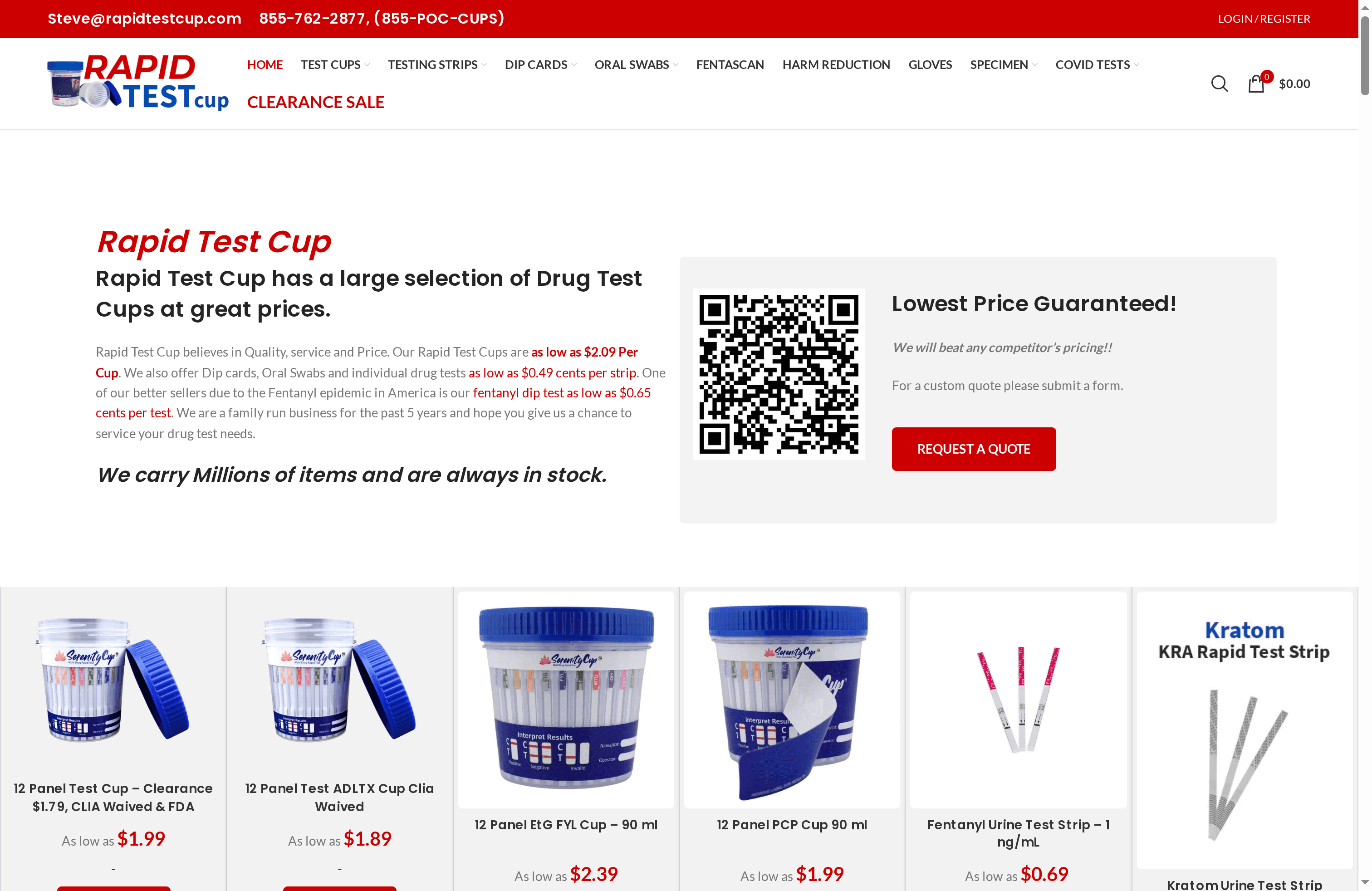
Discover a vast selection of CLIA waived and FDA approved drug testing kits, specimen collection cups with temperature strips, tamper evident seals, and more at rapidtestcup.com. Take control of your testing processes now by visiting our site to explore detailed product info, affordable pricing, and bulk order options. Act today to elevate testing accuracy and compliance with dependable products tailored for professional use.
Explore our full range of drug test cups and panels to find solutions that match your exact needs and ensure confident interpretation of results every time.
Frequently Asked Questions
What are the different types of drug panels?
Different drug panels screen for various combinations of substances. Common panels include the 5Panel Drug Test, which checks for Marijuana, Cocaine, Amphetamines, Opiates, and PCP, and the 10Panel Drug Test, which adds additional substances like Barbiturates and Benzodiazepines. Determine your testing needs based on the specific substances of concern.
How do I choose the right testing supplies for drug panel testing?
Select testing supplies specifically designed for drug screenings to ensure reliable results. Essential supplies include urine collection cups, tamper evident seals, and temperature indicators. Always verify that your chosen supplies meet compliance standards for accuracy and safety.
What procedures should I follow when collecting urine specimens?
Follow strict procedures to ensure accurate urine specimen collection. Verify donor identification, maintain temperature measurements immediately after collection, and document the chain of custody. Train collection personnel thoroughly to minimize handling errors.
How should I store and handle urine samples after collection?
Store urine samples in sealed sterile containers and maintain a consistent temperature between 2 and 8 degrees Celsius. Limit handling time and document each step in the chain of custody to preserve sample integrity. Follow recommended storage protocols to prevent contamination and ensure accuracy.
How can I interpret drug panel results accurately?
Interpreting drug panel test results involves understanding the differences between initial screenings and confirmatory tests. Recognize cutoff concentration levels and possible false positive scenarios. Always validate any non-negative results with a secondary testing method for further accuracy.
What quality control measures should I implement for drug testing?
Implement essential quality control strategies like regular equipment calibration and blind sample testing to maintain reliability. Establish clear testing protocols and document all testing processes thoroughly. Conduct random audits to ensure compliance with testing standards and improve accuracy.