Blog
What Is Rapid Drug Testing: Key Uses and Impacts


More than 40 percent of American employers now use rapid drug testing to maintain workplace safety and compliance. With the rising need for instant and accurate results, these screening methods have become a cornerstone in sectors where every minute counts. Whether for healthcare, law enforcement, or transportation, understanding how rapid tests work—and where their strengths or limitations lie—can make a critical difference when precision and speed are on the line.
Table of Contents
- Defining Rapid Drug Testing Methods
- Comparing Urine, Oral, And Saliva Tests
- How Rapid Drug Testing Works
- Who Uses Rapid Drug Tests And Why
- Accuracy, Legal Issues, And Limitations
Key Takeaways
| Point | Details |
|---|---|
| Rapid Drug Testing Efficiency | Rapid drug testing methods provide quick and reliable results, often within 5-15 minutes, enhancing substance monitoring across various sectors. |
| Specimen Collection Options | The choice between urine, oral, and saliva tests depends on detection objectives, with urine tests providing longer detection windows and oral tests better suited for recent use. |
| Technological Integration | Advanced techniques like mass spectrometry and Raman spectroscopy are being integrated to improve accuracy and court admissibility of test results. |
| Legal Considerations | Accuracy in rapid drug testing is crucial due to legal implications; ensuring reliable protocols and secondary testing for confirmation is essential. |
Defining Rapid Drug Testing Methods
Rapid drug testing represents a critical technological advancement in quickly identifying the presence of illicit substances across multiple professional settings. These screening methods provide fast, reliable results through sophisticated detection techniques that analyze biological specimens like urine, saliva, hair, or blood within minutes. The United Nations Office on Drugs and Crime documentation highlights the complexity and precision underlying these testing protocols.
Modern rapid drug testing encompasses several core methodological approaches. Immunoassay techniques remain the most common, utilizing antibody interactions to detect specific drug metabolites quickly and cost-effectively. These screening methods typically involve lateral flow technology, which allows for point-of-care testing in settings ranging from workplace screenings to clinical environments. Portable drug test platforms can now combine multiple detection technologies, dramatically improving accuracy and detection windows.
Advanced rapid testing methods increasingly integrate sophisticated analytical techniques like mass spectrometry and Raman spectroscopy. The National Institute of Justice research demonstrates emerging technologies that provide court-admissible results with unprecedented speed and precision. These cutting-edge approaches offer significant improvements over traditional testing methods:
- Faster result generation (typically 5-15 minutes)
- Higher sensitivity to multiple substance classes
- Reduced likelihood of false positive outcomes
- Capability for on-site and immediate screening
- Adaptable to various biological specimen types
Professional sectors increasingly rely on these rapid drug testing technologies to maintain safety, compliance, and operational integrity across diverse environments including healthcare, transportation, athletics, law enforcement, and workplace settings.
Comparing Urine, Oral, and Saliva Tests
Rapid drug testing offers multiple specimen collection methods, each with unique characteristics and detection capabilities. Urine tests remain the most traditional and widely used approach, providing comprehensive insights into an individual’s substance use history. Research comparing drug testing methods indicates that urine specimens offer the broadest window of detection for various illicit substances, making them particularly effective in workplace screening environments.
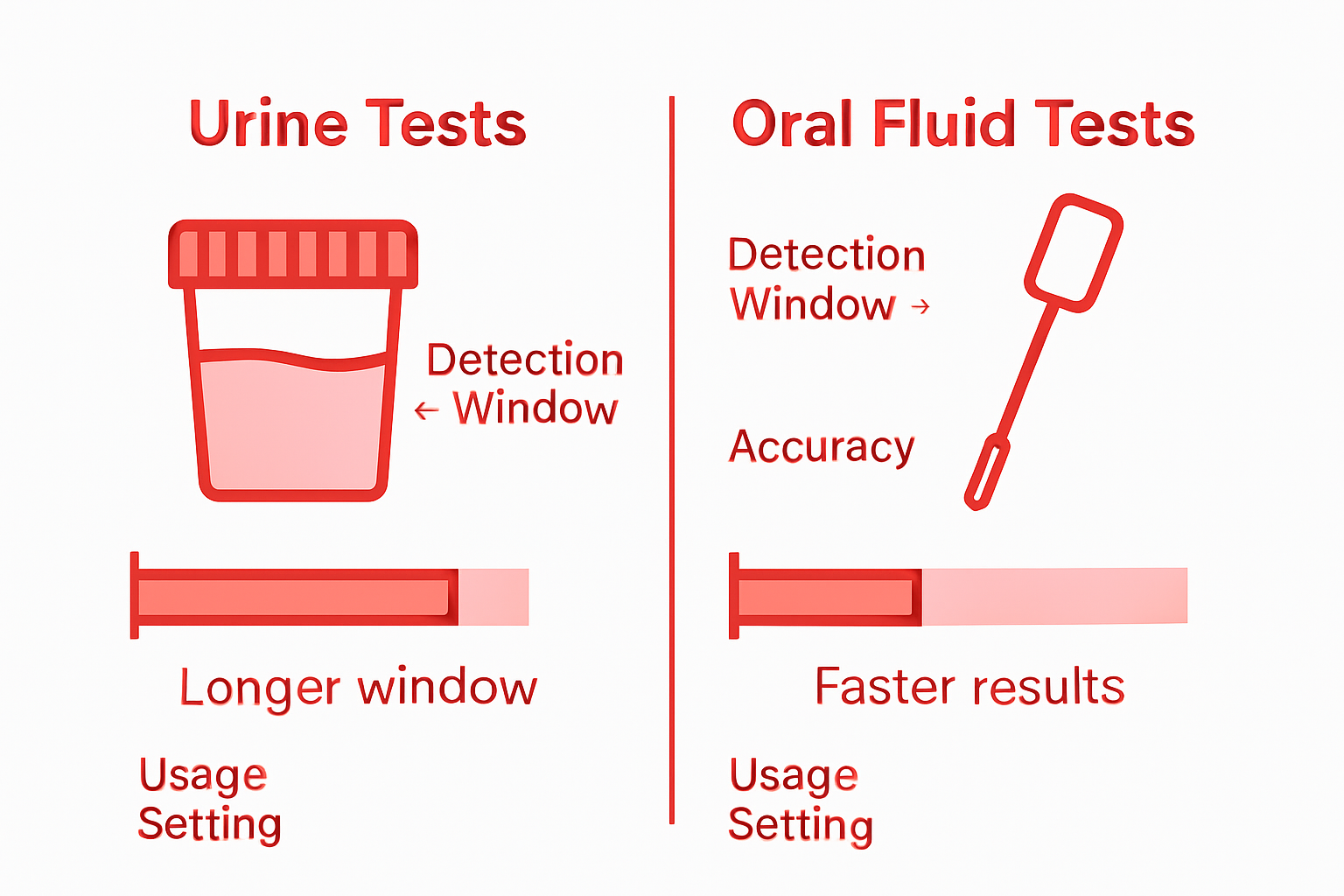
Oral fluid and saliva tests represent increasingly popular alternatives with distinct advantages. These methods provide more immediate detection of recent substance use, especially for marijuana and other substances. Systematic review findings highlight oral fluid testing’s unique capability to capture recent drug consumption more accurately than traditional urine screening. The 12 panel mouth swab drug test exemplifies how advanced oral fluid testing can detect multiple substances simultaneously.
A comprehensive comparison of these testing methods reveals critical differences in detection windows, accuracy, and practical applications:
Urine Tests:
- Longest detection window (3-30 days depending on substance)
- Most comprehensive substance screening
- Higher likelihood of detecting historical drug use
- Slightly more invasive collection method
Oral Fluid/Saliva Tests:
- Short detection window (24-48 hours)
- Immediate detection of recent substance use
- Less invasive collection procedure
- Higher accuracy for recent marijuana consumption
- Reduced potential for sample tampering
Professional sectors like transportation, healthcare, athletics, and workplace safety increasingly utilize these varied testing approaches to maintain rigorous substance monitoring protocols. The choice between urine, oral, and saliva tests depends on specific organizational requirements, detection objectives, and legal compliance standards.
How Rapid Drug Testing Works
Rapid drug testing operates through sophisticated biochemical screening techniques that rapidly detect the presence of illicit substances in biological specimens. Operational principles outlined by the United Nations Office on Drugs and Crime reveal multiple complex methodological approaches designed to provide quick and accurate substance identification. These methods primarily utilize immunoassay technologies that leverage specific antibody interactions to recognize drug metabolites with remarkable precision.
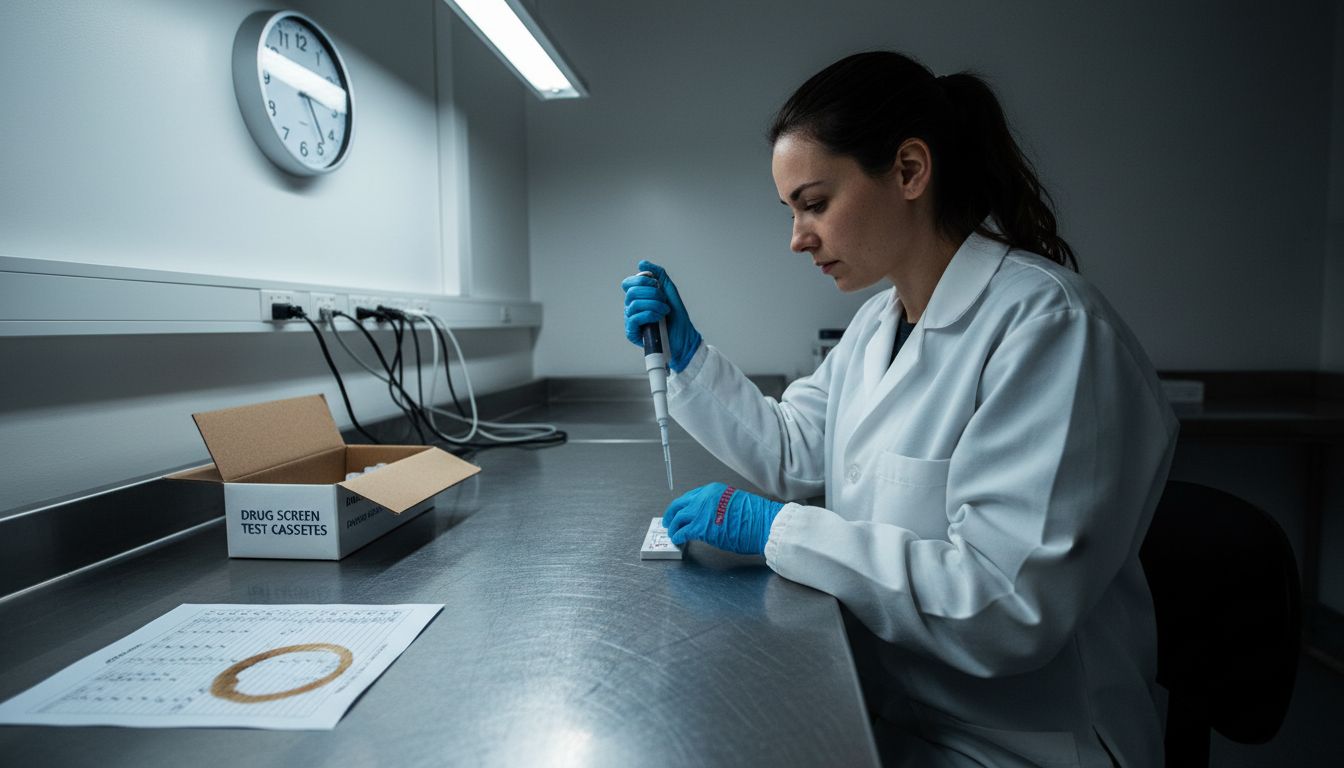
The primary mechanism involves targeted chemical reactions that produce measurable signals indicating substance presence. Immunochromatographic assays function by allowing biological samples to migrate through specialized test strips or cassettes containing antibodies engineered to detect specific drug molecules. When a particular substance is present, these antibodies generate visible color changes or fluorescent markers, enabling immediate visual interpretation of test results. Advanced testing prototypes now integrate multiple detection technologies like mass spectrometry and Raman spectroscopy to enhance accuracy and reliability.
Modern rapid drug testing processes typically follow these core steps:
- Sample Collection
- Obtain biological specimen (urine, saliva, blood)
- Ensure proper collection protocol
- Maintain chain of custody
- Initial Screening
- Apply sample to test device
- Trigger immunoassay chemical reactions
- Observe initial color/marker responses
- Confirmation Testing
- Conduct secondary verification tests
- Use advanced chromatographic techniques
- Eliminate potential false positive results
Key technological features of contemporary rapid drug testing include:
- Extremely short detection timeframes (5-15 minutes)
- Multiple substance panel capabilities
- High sensitivity and specificity
- Portable and user friendly design
- Minimal technical training requirements
Professional sectors ranging from healthcare and workplace safety to law enforcement increasingly rely on these advanced screening technologies to maintain rigorous substance monitoring protocols with unprecedented speed and accuracy.
Who Uses Rapid Drug Tests and Why
Rapid drug testing serves critical functions across multiple professional and personal sectors, addressing safety, compliance, and health monitoring needs. Law enforcement agencies increasingly rely on advanced drug testing technologies to expedite criminal investigations and provide court-admissible evidence with unprecedented speed and accuracy. These rapid screening methods enable immediate identification of substance use, supporting legal proceedings and public safety objectives.
Professional environments represent primary users of rapid drug testing technologies. Workplace safety programs, transportation industries, healthcare systems, and athletic organizations implement comprehensive screening protocols to mitigate risks associated with substance abuse. Home drug testing solutions have also emerged, allowing individuals and families to conduct confidential screenings and support personal health monitoring.
Key user groups and their specific motivations include:
Workplace Administrators:
- Ensure employee safety
- Maintain productivity
- Reduce workplace accidents
- Comply with industry regulations
- Minimize legal liability
Law Enforcement Professionals:
- Expedite criminal investigations
- Collect forensic evidence
- Support judicial proceedings
- Monitor probation requirements
- Conduct roadside substance screenings
Healthcare Providers:
- Track patient substance use
- Support addiction treatment programs
- Monitor medication interactions
- Conduct pre employment screenings
- Manage chronic pain management protocols
Educational Institutions:
- Maintain campus safety standards
- Support student wellness programs
- Enforce institutional substance policies
- Identify students requiring intervention
- Promote healthy academic environments
Rapid drug testing technologies continue evolving, providing increasingly sophisticated tools for professionals and individuals committed to maintaining safe, healthy, and productive environments across diverse societal domains.
Accuracy, Legal Issues, and Limitations
Rapid drug testing technologies face complex challenges regarding accuracy, legal admissibility, and potential methodological limitations. Research evaluating drug testing methods demonstrates significant variations in detection capabilities across different testing specimens, highlighting the critical need for understanding inherent screening constraints. Urine tests, while comprehensive, may miss recent substance use, creating potential gaps in comprehensive substance screening protocols.
Legal considerations play a pivotal role in drug testing accuracy and implementation. National Institute of Justice research emphasizes the paramount importance of generating court-admissible results that can withstand rigorous judicial scrutiny. False positive and negative outcomes can have profound consequences, potentially impacting employment, legal proceedings, and personal reputation.
Key accuracy and limitation factors include:
Detection Window Limitations:
- Varying substance detection timeframes
- Metabolic differences among individuals
- Inconsistent screening sensitivity
- Potential for inconclusive results
- Specimen type performance variations
Legal Compliance Challenges:
- Strict chain of custody requirements
- Potential privacy regulation conflicts
- Workplace testing legal restrictions
- Scientific validation standards
- Consent and notification protocols
Technical Accuracy Constraints:
- Potential cross-reactivity issues
- Sensitivity level variations
- Interference from prescription medications
- Environmental contamination risks
- Calibration and maintenance requirements
Professional organizations must implement comprehensive verification protocols, including secondary confirmation testing, to mitigate potential screening inaccuracies and maintain the highest standards of reliability and legal defensibility.
Ensure Fast and Reliable Substance Screening with Quality Drug Testing Solutions
Rapid drug testing is essential for safety and compliance in workplaces, law enforcement, healthcare, and personal monitoring. This article highlights the challenges of balancing quick, accurate results with legal and procedural requirements. Whether you need to detect recent or historical drug use, avoid false positives, or maintain strict chain of custody protocols, having access to high-quality, FDA-approved testing kits is crucial.
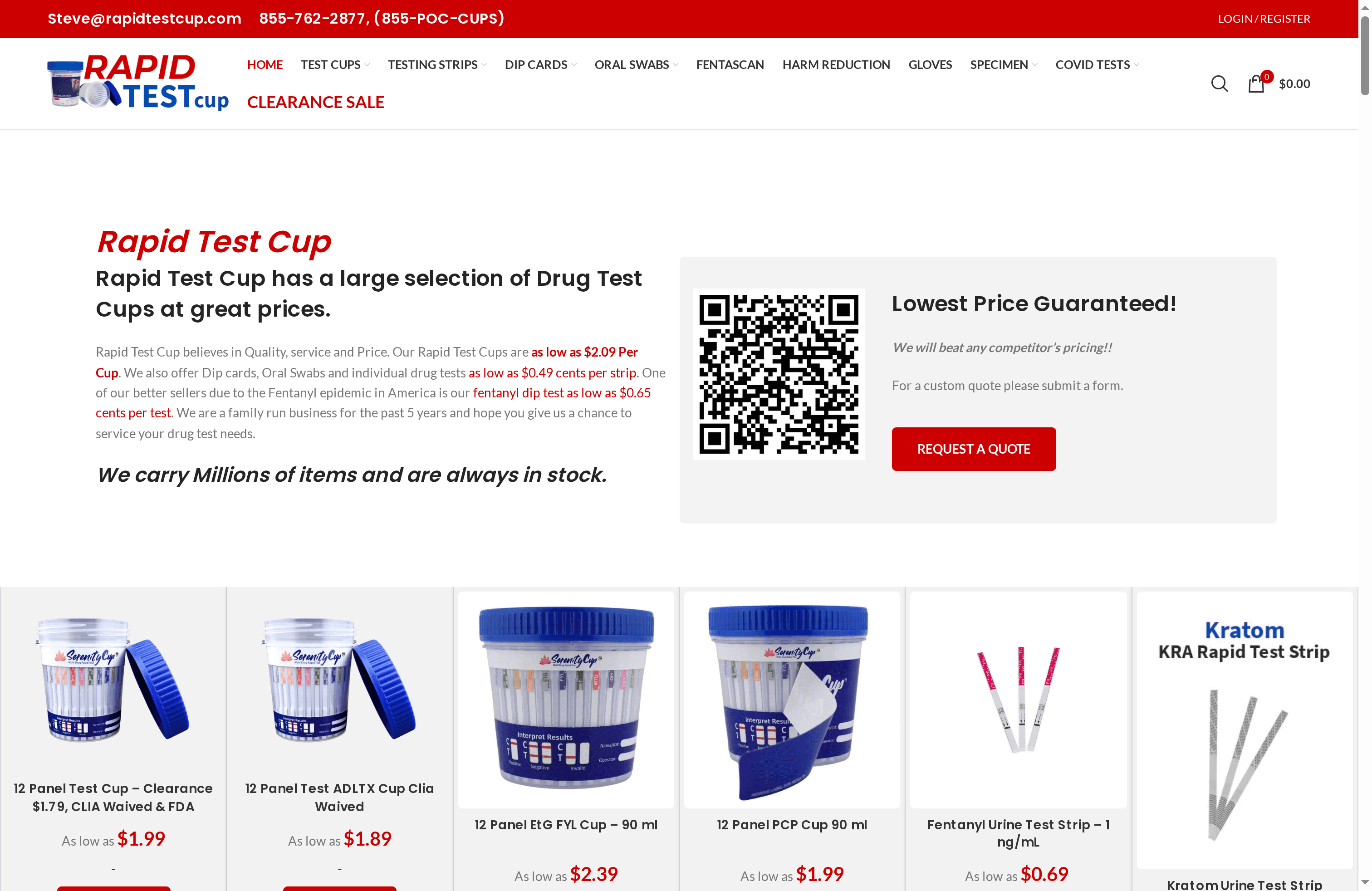
Take your rapid drug testing to the next level by choosing trusted products from RapidTestCup. Our extensive selection of drug test cups, urine test strips, and oral swab panels is designed to meet professional standards and individual needs alike. Start browsing our range today to find affordable, CLIA waived solutions with fast shipping that align perfectly with your screening goals. Act now and benefit from reliable drug testing products that support your safety and compliance efforts.
Explore our full product catalog at RapidTestCup and discover how easy it can be to maintain rigorous substance monitoring. For customized testing solutions and bulk pricing, visit our homepage and get started immediately.
Frequently Asked Questions
What are the main methods used in rapid drug testing?
Rapid drug testing primarily utilizes immunoassay techniques, which are based on antibody interactions to quickly and accurately detect drug metabolites in biological specimens. These methods include urine, saliva, and advanced approaches like mass spectrometry and Raman spectroscopy.
What are the differences between urine and oral fluid drug tests?
Urine tests provide longer detection windows (3-30 days) and can detect a broader range of substances, making them effective for historical drug use detection. Oral fluid tests offer a shorter detection window (24-48 hours) but more accurately identify recent substance use, especially for drugs like marijuana.
How quickly can rapid drug tests provide results?
Most rapid drug tests generate results within 5-15 minutes, allowing for immediate decision-making in various settings such as workplaces, healthcare, and law enforcement.
What are the key user groups for rapid drug testing?
Key users of rapid drug testing include workplace administrators for safety and compliance, law enforcement for swift investigations, healthcare providers for monitoring substance use, and educational institutions for maintaining student wellness and safety.