Blog
Bulk Urine Drug Tests Explained: Compliance, Cost, and Use


Over 85 percent of American employers rely on urine drug testing as a primary tool for workplace safety and compliance. The widespread use of bulk urine drug testing not only streamlines large-scale screening but also raises important questions about accuracy, privacy, and regulatory standards. For organizations, understanding how these tests work and what safeguards are essential can mean the difference between reliable results and costly complications.
Table of Contents
- Bulk Urine Drug Testing Defined and Debunked
- Major Test Formats and Drug Panels Compared
- How Bulk Testing Works: Procedures and Logistics
- Legal Requirements and Regulatory Standards
- Risks, Costs, and Common Pitfalls for Buyers
Key Takeaways
| Point | Details |
|---|---|
| Bulk Urine Drug Testing | This method allows the simultaneous screening of multiple urine specimens for controlled substances, enhancing efficiency for organizations. |
| Testing Protocols | Adherence to chain of custody protocols and advanced testing methods like GC-MS is essential for accurate results and legal defensibility. |
| Legal and Ethical Considerations | Organizations must balance compliance with legal requirements while respecting individual privacy rights in drug testing initiatives. |
| Cost and Challenges | Implementing bulk drug testing involves significant costs and potential risks like false positives, necessitating careful planning and evaluation of resources. |
Bulk Urine Drug Testing Defined and Debunked
Urine drug testing represents a sophisticated screening method used across multiple professional and institutional settings to detect the presence of controlled substances. Drug testing procedures in workplace environments have evolved significantly, transitioning from simple screening processes to comprehensive, multi-panel testing protocols that provide nuanced insights into potential substance use.
Bulk urine drug testing involves collecting and analyzing multiple urine specimens simultaneously, allowing organizations to efficiently screen large groups of individuals for various controlled substances. This approach is particularly valuable for employers, treatment centers, and legal institutions requiring standardized substance screening. The core mechanism involves collecting urine samples, applying specific chemical reagents, and analyzing the specimens for traces of drugs like marijuana, cocaine, opiates, amphetamines, and other controlled substances.
The testing process incorporates several critical components to ensure accuracy and reliability. Chain of custody protocols are paramount, tracking each specimen from collection through analysis to prevent tampering or contamination. Laboratories utilize advanced immunoassay techniques and confirmatory tests like gas chromatography-mass spectrometry (GC-MS) to validate initial screening results. Workplace drug testing fundamentals emphasize the importance of maintaining rigorous scientific standards to produce legally defensible and medically accurate outcomes.
Key considerations for implementing bulk urine drug testing include understanding different testing panels, recognizing potential limitations in detection windows, and maintaining strict confidentiality protocols. Organizations must balance comprehensive screening with individual privacy rights, selecting testing methodologies that provide meaningful insights while respecting legal and ethical boundaries.
Major Test Formats and Drug Panels Compared
Drug testing panels represent sophisticated screening methodologies designed to detect multiple substances simultaneously. Diagnostic approaches in medical screening have evolved to provide comprehensive insights into potential substance use across various professional and clinical settings. These panels range from basic single-substance screenings to extensive multi-drug assessments that can identify up to 18 different controlled substances.
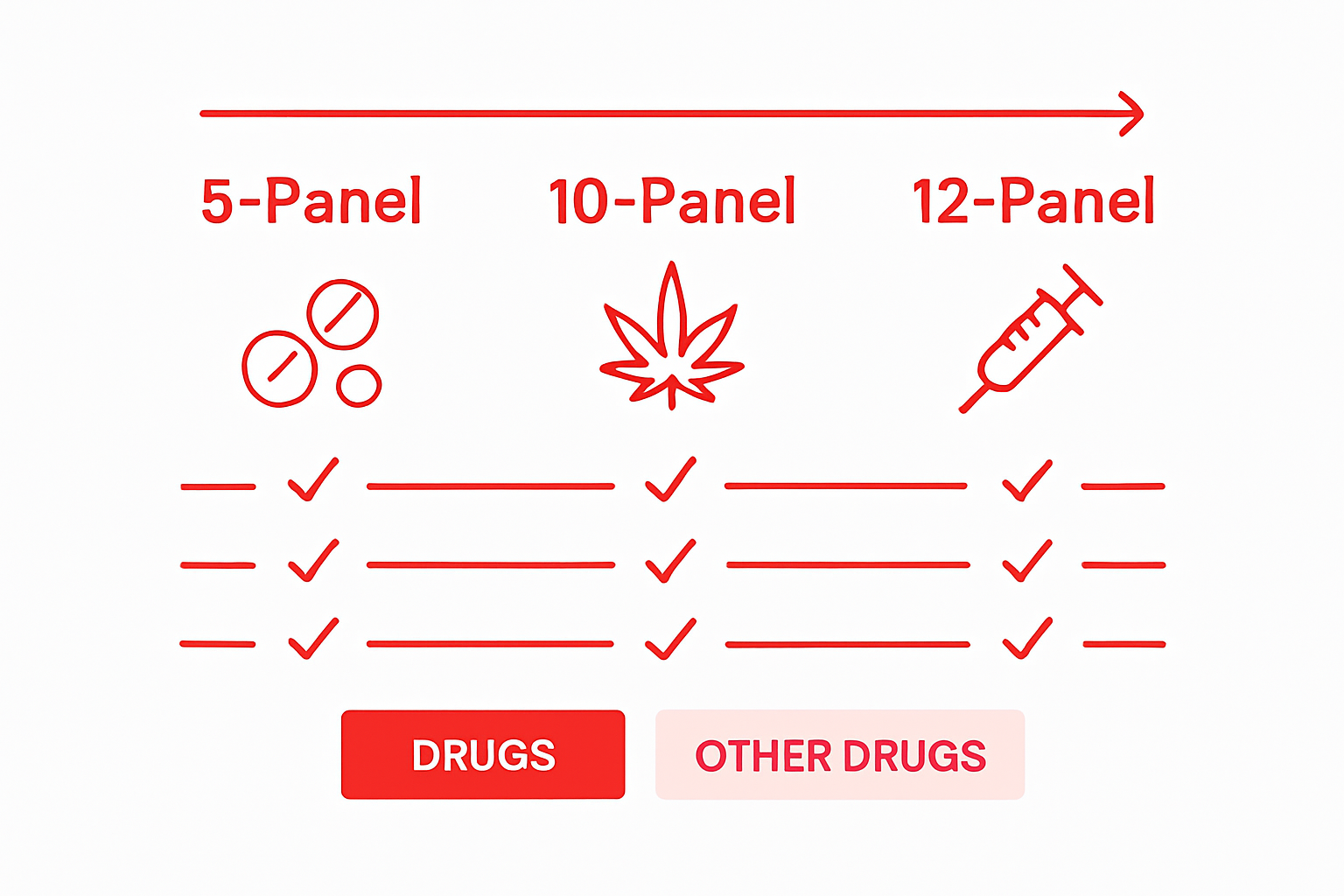
The standard drug test panels are typically categorized by the number of substances they can detect, with common configurations including 5-panel, 10-panel, and 12-panel tests. Types of drug test panels reveal the nuanced differences in screening capabilities. A 5-panel test traditionally covers the most common illicit substances: marijuana, cocaine, amphetamines, opiates, and phencyclidine (PCP). More comprehensive 10-panel and 12-panel tests expand this range to include additional substances like benzodiazepines, barbiturates, methadone, and prescription medications.
Each drug testing format offers unique advantages depending on the specific screening requirements. Immunoassay tests provide rapid initial screening, while gas chromatography-mass spectrometry (GC-MS) serves as the gold standard for confirmatory testing. Detection windows vary significantly between substances, with some drugs remaining detectable for hours, while others can be traced weeks after use. Factors like metabolic rate, hydration, frequency of use, and individual physiological differences dramatically impact the accuracy and reliability of drug screening results.
Organizations must carefully select drug panels that balance comprehensive screening with practical considerations. Factors such as cost, detection sensitivity, potential for false positives, and legal compliance play critical roles in determining the most appropriate testing strategy. Employers, healthcare providers, and legal institutions must navigate these complexities to implement drug testing protocols that are both scientifically rigorous and ethically responsible.
How Bulk Testing Works: Procedures and Logistics
Bulk urine drug testing involves a sophisticated, multi-stage process designed to ensure comprehensive and accurate substance screening. Comprehensive urine specimen collection procedures require meticulous attention to detail, beginning with proper sample acquisition and maintaining strict documentation protocols. Organizations implementing bulk testing must establish standardized workflows that address identification verification, sample collection, transportation, and analytical procedures.
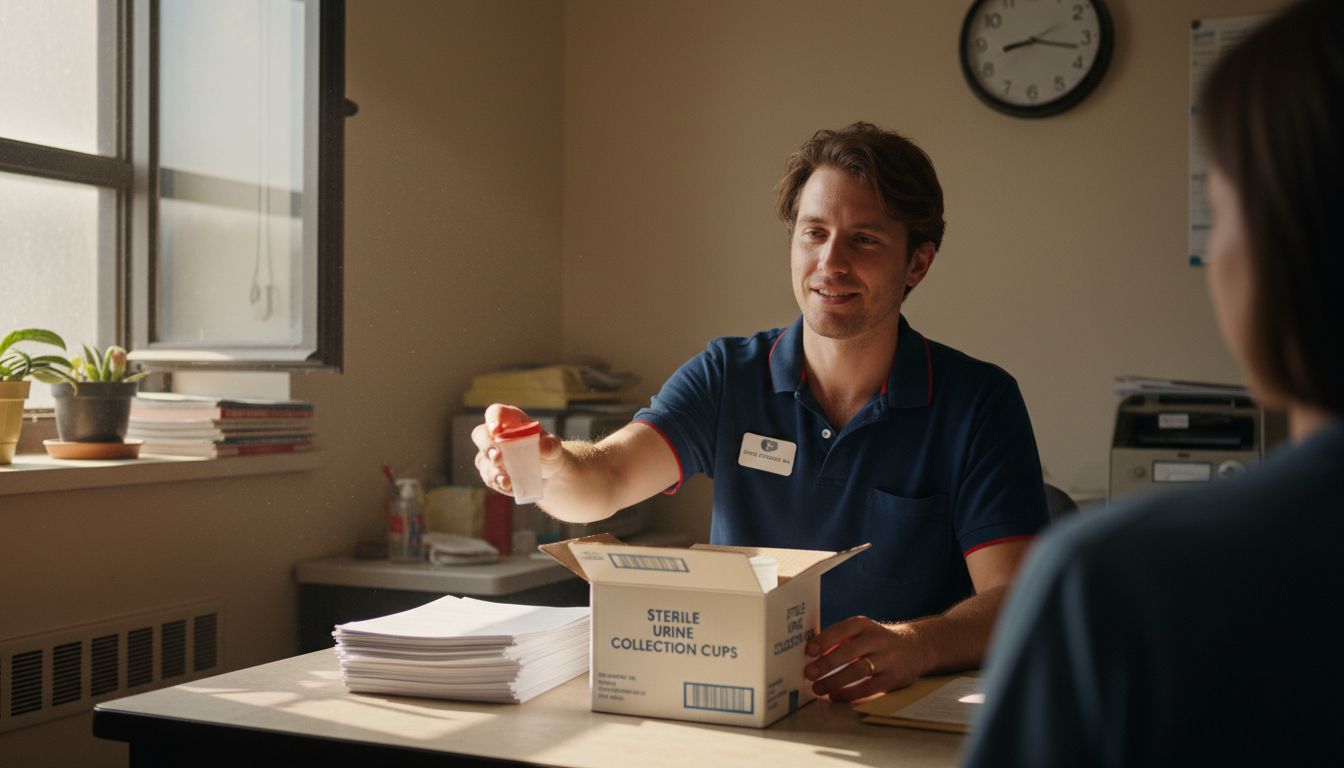
The core logistics of bulk testing revolve around several critical components. Initial specimen collection involves trained personnel collecting urine samples in controlled environments, ensuring donor privacy and preventing potential tampering. Chain of custody documentation tracks each specimen from collection through laboratory analysis, creating an unbroken record of sample handling. Specimen validity testing becomes crucial in detecting potential sample adulteration or manipulation, with laboratories employing advanced techniques to verify sample integrity.
Typical bulk testing workflows incorporate multiple screening stages. Initial immunoassay screening provides rapid results, identifying potential positive samples. Confirmatory testing using gas chromatography-mass spectrometry (GC-MS) follows for samples flagged during initial screening, offering definitive chemical identification. This multi-stage approach minimizes false positive rates and provides scientifically robust results that can withstand legal and professional scrutiny.
Successful bulk testing requires sophisticated infrastructure and carefully designed protocols. Laboratories must invest in advanced testing equipment, maintain rigorous quality control standards, and continuously train personnel in evolving testing methodologies. Organizations must balance technical capabilities with privacy considerations, ensuring that comprehensive screening meets legal and ethical standards while providing accurate substance use information.
Legal Requirements and Regulatory Standards
Drug testing programs must navigate a complex landscape of legal and regulatory requirements that vary across different institutional contexts. Comprehensive workplace drug testing guidelines establish critical frameworks for organizations implementing substance screening protocols. These standards address fundamental concerns such as employee privacy, consent, testing methodologies, and the admissibility of test results in professional and legal settings.
The legal environment surrounding drug testing is characterized by multiple layers of regulatory oversight. Evidentiary standards demand rigorous documentation and scientifically validated testing procedures. Technical aspects of employee drug testing emphasize the critical importance of maintaining an unbroken chain of custody, ensuring that test results can withstand potential legal challenges. Federal regulations like the Department of Transportation (DOT) guidelines and Substance Abuse and Mental Health Services Administration (SAMHSA) protocols provide detailed requirements for specimen collection, handling, and analysis.
Organizations must carefully balance legal compliance with individual privacy rights. Different sectors have unique regulatory requirements: healthcare institutions follow medical privacy laws, transportation industries adhere to DOT regulations, and government agencies implement strict federal testing standards. Emerging legal considerations include protections for medical marijuana users, accommodations for individuals with disabilities, and restrictions on discriminatory testing practices. Successful drug testing programs must remain adaptable, continuously updating protocols to align with evolving legal landscapes.
Key legal considerations extend beyond procedural compliance to encompass broader ethical and operational implications. Employers must develop transparent testing policies that clearly communicate expectations, provide opportunities for explanation or challenge, and ensure consistent application across all personnel. Laboratories and testing facilities must maintain accreditation, implement quality control measures, and demonstrate ongoing commitment to scientific accuracy and legal defensibility.
Risks, Costs, and Common Pitfalls for Buyers
Bulk urine drug testing represents a significant investment with numerous potential challenges that organizations must carefully navigate. Scientific challenges in drug testing reveal complex issues that can compromise testing accuracy and reliability. Buyers must understand the multifaceted risks associated with implementing comprehensive drug screening programs, including potential false positives, sample manipulation, and substantial financial investments.
The financial landscape of bulk drug testing involves several critical cost considerations. Initial expenses include purchasing testing equipment, acquiring appropriate screening panels, and training personnel in proper collection and analysis protocols. Hidden costs frequently emerge through ongoing quality control, equipment maintenance, laboratory certification, and potential legal challenges. Organizations might spend between $30 to $75 per individual test, with comprehensive multi-panel screenings potentially increasing expenses dramatically. Smaller organizations may find these costs prohibitively expensive, necessitating careful budget planning and strategic implementation.
Technical and procedural pitfalls represent significant risks in drug testing programs. Common challenges include inadequate staff training, improper sample collection techniques, and insufficient understanding of testing panel limitations. Sophisticated individuals may attempt to circumvent testing through sample adulteration or substitution techniques, requiring laboratories to implement advanced validity testing mechanisms. False positive results can lead to unnecessary disciplinary actions, while false negatives might create significant workplace safety risks, highlighting the critical importance of selecting high-quality, scientifically validated testing methodologies.
Successful drug testing programs require a holistic approach that balances scientific accuracy, legal compliance, and organizational objectives. Buyers must conduct thorough due diligence, carefully evaluating testing providers, understanding technological capabilities, and developing comprehensive policies that protect both organizational interests and individual privacy rights. Implementing robust quality control measures, maintaining transparent communication, and staying current with evolving regulatory standards can help mitigate potential risks and maximize the effectiveness of bulk drug testing initiatives.
Streamline Your Bulk Urine Drug Testing with Reliable, Compliant Supplies
Navigating the complexities of bulk urine drug testing demands not only scientific accuracy but also dependable, legally compliant testing products. From managing chain of custody protocols to selecting multi-panel test cups that minimize false positives and ensure valid specimens, the process can be overwhelming. At RapidTestCup, we understand the critical challenges you face, including the need to balance thorough screening with cost efficiency and regulatory compliance.
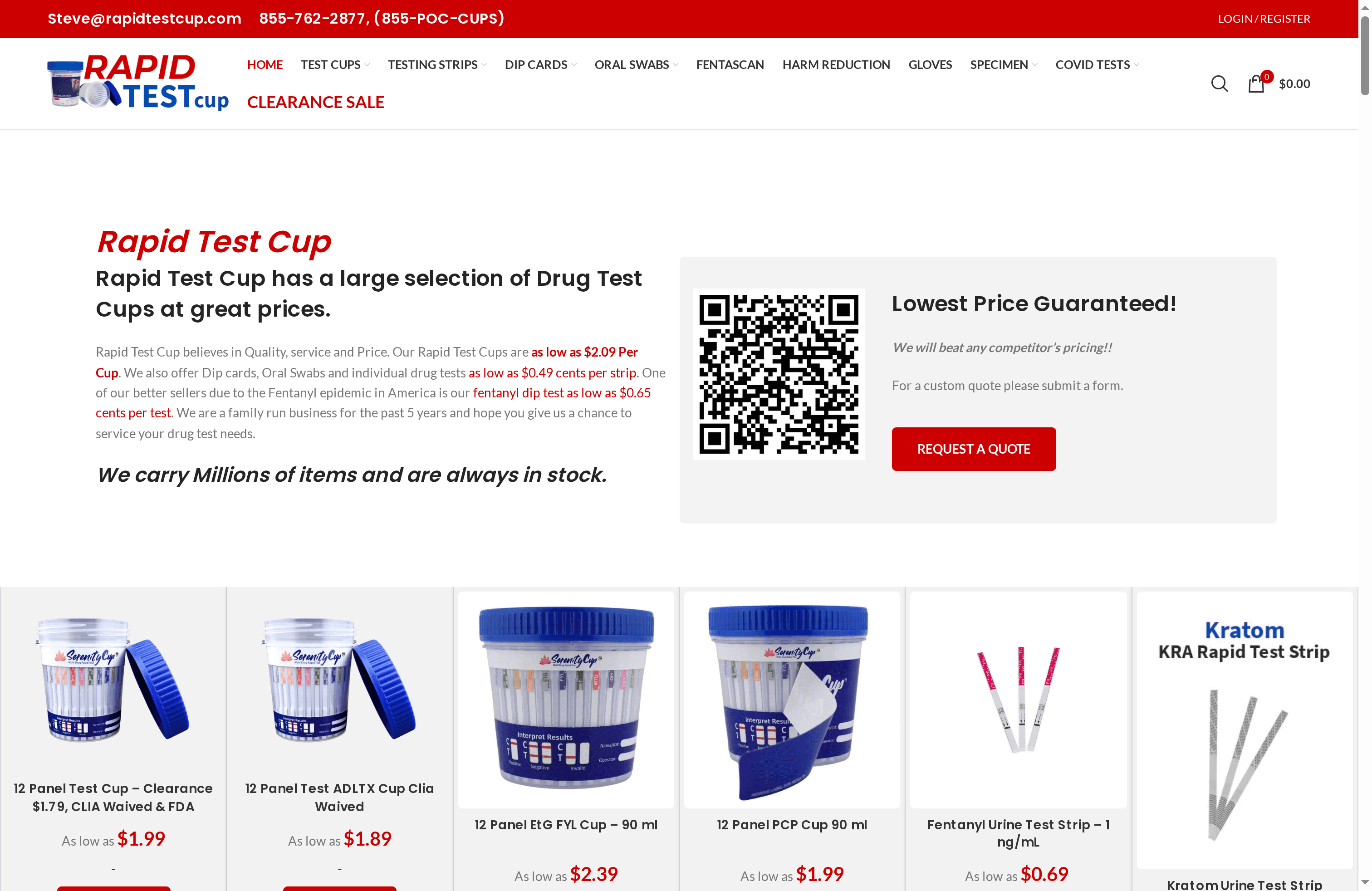
Discover our wide selection of FDA-approved, CLIA-waived drug test cups, urine test strips, and collection accessories designed specifically for professional, forensic, and workplace environments. Act now to equip your organization with quality testing solutions that maintain scientific rigor and reduce the risks outlined in your bulk testing program. Visit RapidTestCup today and get started with a trusted partner who supports your compliance goals and budget needs.
Frequently Asked Questions
What is bulk urine drug testing?
Bulk urine drug testing is a method used to collect and analyze multiple urine specimens at once, enabling organizations to screen large groups for various controlled substances efficiently.
How does the bulk urine drug testing process work?
The process involves properly collecting urine samples under controlled conditions, maintaining chain of custody documentation, performing initial immunoassay screening, and confirming results through advanced techniques like gas chromatography-mass spectrometry (GC-MS).
What are the major considerations for implementing bulk urine drug testing?
Key considerations include understanding different drug test panels, detection windows for various substances, maintaining confidentiality protocols, and balancing comprehensive screening with individual privacy rights.
What costs are associated with bulk urine drug testing?
Costs can range from $30 to $75 per individual test, depending on the complexity of the drug panels, as well as additional expenses related to training personnel, equipment maintenance, and quality control measures.