

Blog
Types of Drug Test Panels: What Labs Need to Know

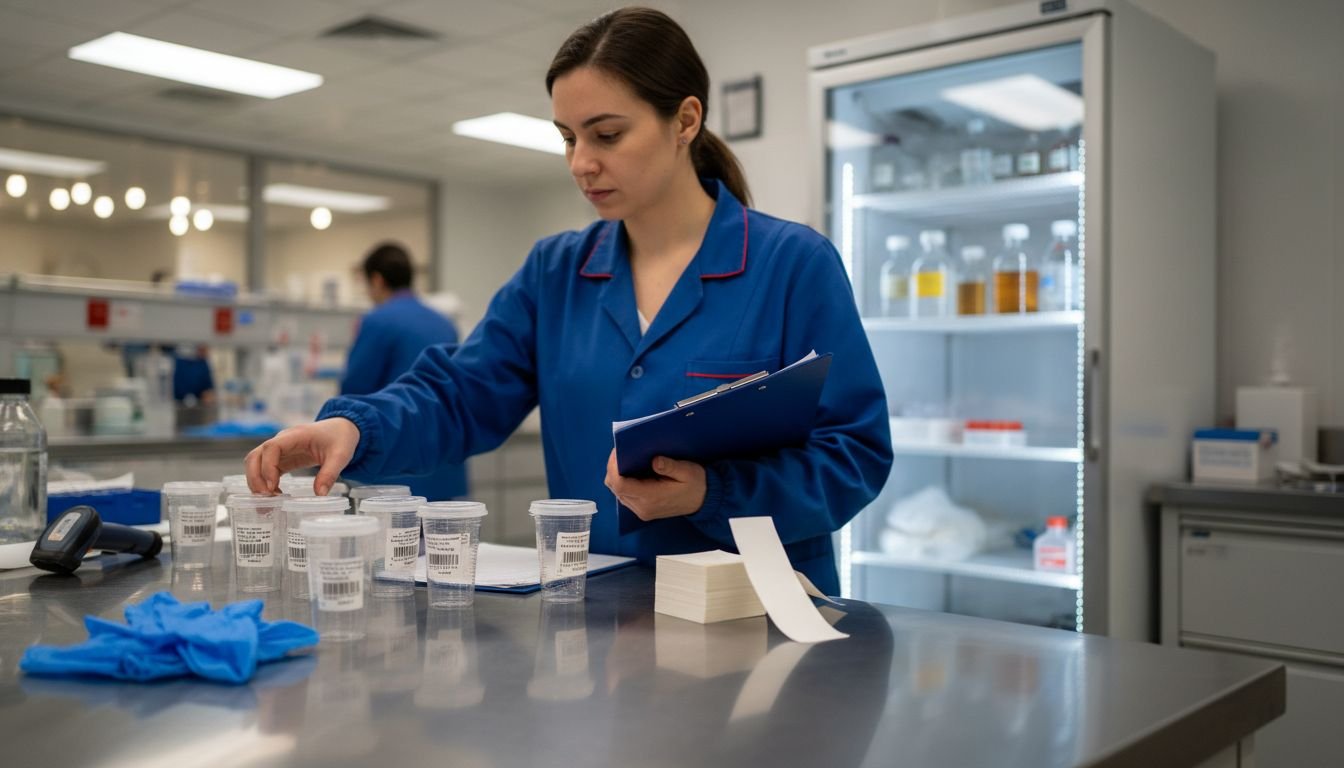
More than fifty percent of American companies rely on drug test panels to help ensure safety and compliance across their workplaces. With so many types of screening available, understanding what these panels actually detect—and what myths persist—makes a real difference for employers, healthcare providers, and anyone concerned about accuracy. From basic five-panel tests to advanced multi-substance screens, this guide breaks down the facts and misconceptions surrounding modern drug testing.
Table of Contents
- Drug Test Panels Defined And Debunked
- Most Common Drug Test Panels Explained
- How Drug Panels Work And What They Detect
- Real-World Uses: Labs, Clinics, Workplaces
- Risks, Limitations, And Compliance Issues
Key Takeaways
| Point | Details |
|---|---|
| Drug Test Panel Types | Various configurations such as 5, 10, 12, and 15-panel tests cater to diverse screening needs. Each panel offers different substance detection capabilities, influencing choice based on specific requirements. |
| Testing Methodologies | Drug testing employs sophisticated techniques like immunoassays and confirmatory tests to ensure accurate detection of substances. These methodologies enhance reliability and precision in results. |
| Compliance Considerations | Adhering to regulations and maintaining privacy are critical in drug testing processes. Organizations must navigate legal requirements while ensuring ethical practices in testing. |
| Potential Risks | False positives and negatives pose significant risks in drug panel testing, necessitating robust protocols to mitigate errors and enhance accuracy in results. |
Drug Test Panels Defined and Debunked
Drug test panels represent standardized screening protocols designed to detect the presence of multiple substances within a single biological sample. These comprehensive testing frameworks allow laboratories, medical clinics, and employers to efficiently assess an individual’s potential drug use through strategically selected substance markers. Comprehensive drug testing methods have evolved significantly, providing increasingly sophisticated approaches to substance screening.
Traditionally, drug test panels follow specific configurations that determine which substances will be analyzed. The most common standard is the SAMHSA-5 panel, which originally focused on detecting five primary substances: marijuana, cocaine, amphetamines, opiates, and phencyclidine (PCP). However, modern drug test panels have expanded dramatically to address emerging synthetic drugs, designer substances, and more complex chemical compounds.
The complexity of contemporary drug test panels reflects the dynamic landscape of substance use. While basic panels remain valuable, advanced configurations now include 10, 12, 15, and even 28-panel tests that can screen for an extensive range of substances. Key considerations in selecting an appropriate drug test panel include:
- Specific workplace or clinical testing requirements
- Comprehensive substance detection needs
- Budget and resource constraints
- Regulatory compliance standards
Laboratories and medical professionals must carefully evaluate their testing objectives to choose panels that provide accurate, reliable results while maintaining cost-effectiveness and legal compliance. The goal is not just detection, but creating comprehensive screening mechanisms that support individual and public health initiatives.
Most Common Drug Test Panels Explained
Drug test panels have become increasingly sophisticated, with various configurations designed to meet specific screening requirements across different professional and clinical settings. Comprehensive drug screening methods range from basic to highly advanced panels that detect multiple substance categories simultaneously. Understanding these panels is crucial for laboratories, employers, and healthcare providers seeking accurate and reliable drug testing solutions.
Standard drug test panels typically follow established configurations that determine the number and types of substances detected. Workplace drug screening protocols commonly utilize the following panel configurations:
-
5-Panel Drug Test
- Marijuana
- Cocaine
- Amphetamines
- Opiates
- Phencyclidine (PCP)
-
10-Panel Drug Test
- Includes all 5-panel substances
- Additional substances:
- Barbiturates
- Benzodiazepines
- Methadone
- Methaqualone
- Propoxyphene
-
12-Panel Drug Test
- Covers 10-panel substances
- Additional detection:
- Ecstasy/MDMA
- Oxycodone
-
15-Panel Drug Test
- Extended detection including synthetic opioids
- Additional screening for designer drugs
Each panel configuration offers progressively more comprehensive substance detection, allowing organizations to select testing approaches that align with their specific screening requirements. The choice depends on factors such as workplace regulations, industry standards, and specific detection needs.
How Drug Panels Work and What They Detect
Drug testing is a complex scientific process that involves detecting the presence of specific substances and their metabolites in biological samples. Advanced drug screening techniques utilize sophisticated methodologies to identify trace amounts of drugs with remarkable precision. Clinical drug detection mechanisms typically involve analyzing biological specimens such as urine, blood, hair, or saliva to determine the presence of various controlled substances.
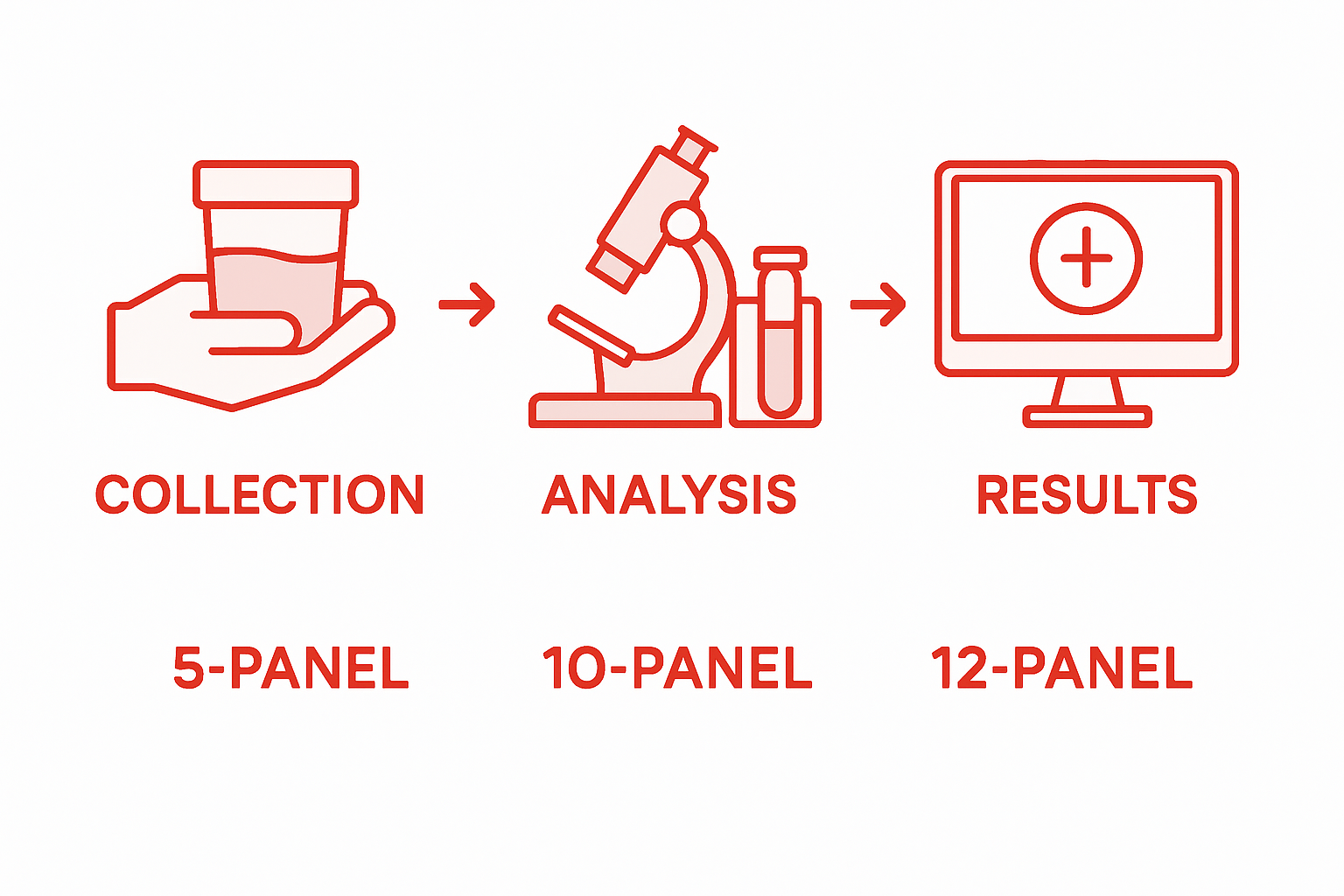
The detection process relies on multiple scientific principles, including immunoassay screening and confirmatory testing. Initial screening methods use antibody-based tests that react to specific drug molecules, providing quick preliminary results. When a screening test returns a positive result, laboratories conduct more precise confirmatory tests like gas chromatography or mass spectrometry to validate the initial findings. These advanced techniques can detect even minute quantities of drugs and their metabolic byproducts.
Detection windows vary significantly depending on multiple factors:
-
Urine Tests: Typically detect recent drug use
- Marijuana: 3-30 days
- Cocaine: 2-10 days
- Amphetamines: 2-5 days
- Opioids: 2-4 days
-
Blood Tests: Provide most accurate recent usage information
- Shorter detection windows
- Precise measurement of active drug compounds
-
Hair Follicle Tests: Longest detection period
- Can reveal drug use up to 90 days prior
- Less effective for detecting very recent use
The complexity of drug panel testing reflects the ongoing challenge of accurately identifying substance use while maintaining scientific integrity and individual privacy. Laboratories must continuously adapt their methodologies to address emerging drugs and more sophisticated detection techniques.
Real-World Uses: Labs, Clinics, Workplaces
Comprehensive drug testing protocols play critical roles across multiple professional environments, serving essential functions in maintaining safety, health, and operational integrity. Each sector implements drug panels strategically, addressing unique organizational needs while balancing individual privacy with collective well-being. Understanding these nuanced applications helps laboratories and institutions design more effective screening approaches.
In medical environments, drug testing serves multiple critical purposes:
-
Treatment Monitoring
- Tracking patient medication compliance
- Identifying potential substance abuse disorders
- Guiding rehabilitation and intervention strategies
-
Clinical Research
- Screening participants for clinical trials
- Ensuring study integrity
- Documenting baseline health conditions
Workplace Drug Testing focuses on different objectives:
- Preventing workplace accidents
- Maintaining employee productivity
- Ensuring safety in high-risk industries
- Complying with legal and regulatory requirements
Law enforcement and forensic settings utilize drug panels for investigation, legal proceedings, and probation monitoring. Comprehensive workplace drug testing protocols require careful implementation, balancing scientific accuracy with ethical considerations and legal constraints. The goal remains consistent: protecting individual and collective safety through responsible, systematic substance screening.
Risks, Limitations, and Compliance Issues
Drug testing accuracy and reliability present complex challenges that laboratories and organizations must carefully navigate. The inherent limitations of current screening methodologies create significant potential for misinterpretation, requiring sophisticated approaches to minimize errors and ensure legal compliance.
Primary Risks in Drug Panel Testing include:
-
False Positive Results
- Medications causing unexpected chemical interactions
- Cross-reactivity with similar molecular structures
- Potential legal and professional consequences
-
False Negative Results
- Insufficient detection of low-concentration substances
- Emerging synthetic drugs bypassing standard panels
- Potential safety risks in high-stakes environments
Compliance Challenges demand rigorous protocols:
- Maintaining strict chain of custody documentation
- Protecting individual privacy rights
- Adhering to federal and state regulatory guidelines
- Implementing consistent testing standards
Comprehensive drug screening protocols require ongoing adaptation to address technological limitations and emerging substance variations. Laboratories must balance scientific precision with ethical considerations, recognizing that no testing method provides absolute certainty. Continuous refinement of detection techniques and comprehensive confirmatory testing remain critical in mitigating potential risks and ensuring reliable results.
Unlock Accurate Drug Testing with Panels Tailored for Your Needs
Understanding the complexities behind different drug test panels is essential for labs and clinics striving for precise, reliable results. The article highlights common challenges like selecting the right panel size—whether 5, 10, or 15 substances—and managing risks such as false positives or negatives. If you need dependable, FDA-approved testing kits that meet regulatory standards and cover diverse substances, explore solutions designed to fit your exact screening goals.
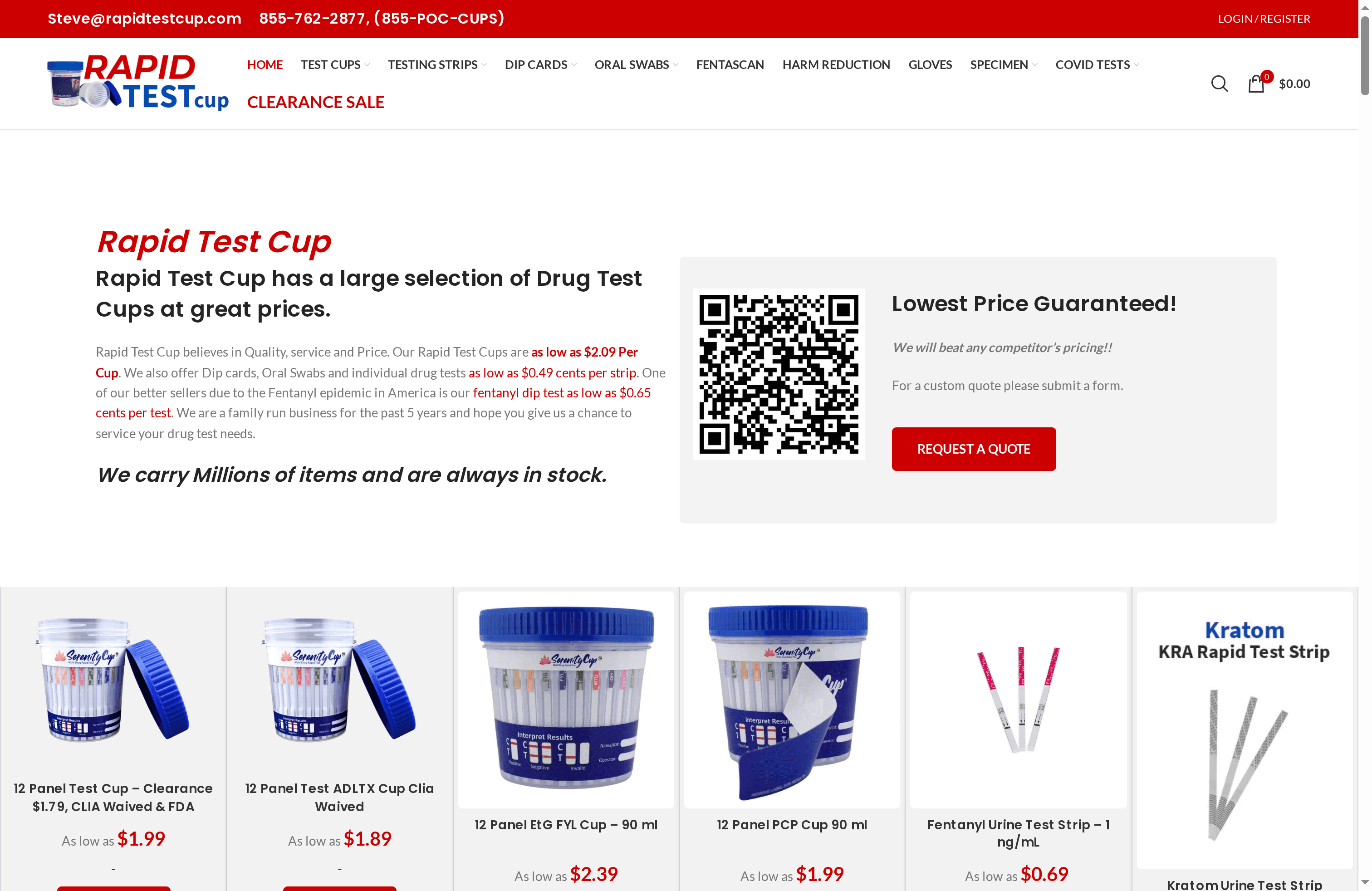
Choose from our extensive catalog of drug test cups, dip cards, and collection supplies at rapidtestcup.com. Start improving your lab’s accuracy and compliance now with affordable, high-quality products that make managing complex drug panels easier. Discover our full range of comprehensive drug screening methods today and equip your facility to stay ahead with confidence.
Frequently Asked Questions
What are drug test panels?
Drug test panels are standardized screening protocols designed to detect multiple substances within a single biological sample, helping laboratories, employers, and medical professionals assess potential drug use effectively.
What substances are typically included in standard drug test panels?
The most common standard drug test panels include the SAMHSA-5 panel, which tests for marijuana, cocaine, amphetamines, opiates, and phencyclidine (PCP). More advanced panels can detect additional substances like barbiturates, benzodiazepines, and synthetic opioids.
How do drug test panels work?
Drug test panels work by analyzing biological samples like urine, blood, hair, or saliva. Initial screening uses immunoassay tests for quick results, followed by confirmatory testing to validate any positive results with more precise methods such as gas chromatography or mass spectrometry.
What are the potential risks and limitations of drug test panels?
The primary risks include false positive and false negative results due to medication interactions or low substance concentrations. Compliance challenges also exist, necessitating strict chain of custody documentation and adherence to federal and state guidelines.