Blog
Drug Test Cups Explained: Complete Guide for 2024


More than 55 percent of American employers rely on urine-based drug test cups to safeguard their workplaces. With rising demands for safety and compliance, these diagnostic tools are no longer limited to hospitals or laboratories. Understanding how drug test cups work and why they matter helps professionals make smarter choices about health, safety, and legal standards. This guide uncovers the core roles of drug test cups and explains their growing importance in American organizations today.
Table of Contents
- Core Purpose Of Drug Test Cups
- Types Of Drug Test Cups And Their Uses
- How Drug Test Cups Work In Practice
- Key Users: Laboratories, Clinics, And Employers
- Accuracy, Limitations, And Adulteration Risks
- Legal Compliance And Cost Considerations
Key Takeaways
| Point | Details |
|---|---|
| Purpose of Drug Test Cups | Drug test cups provide rapid, accurate detection of various substances in urine, serving critical functions in workplace safety, medical diagnostics, and legal compliance. |
| Types of Test Cups | Different configurations like single, 5-panel, and 13-panel cups cater to specific testing needs, from basic screenings to comprehensive analyses. |
| Operational Workflow | The testing process involves sample collection, immunoassay reactions, visual result interpretation, and validation for accuracy. |
| Legal and Financial Implications | Organizations must ensure compliance with regulations and protect employee privacy while implementing cost-effective drug testing solutions. |
Core Purpose of Drug Test Cups
Drug test cups are precision diagnostic tools designed to detect the presence of multiple substances within a single urine sample. Comprehensive drug testing methods have evolved to provide rapid, accurate screening across various professional and personal contexts.
These specialized containers serve critical functions in multiple settings, including workplace safety, medical diagnostics, legal compliance, and personal health monitoring. Workplace drug testing programs rely on these cups to ensure employee safety, productivity, and regulatory adherence by quickly identifying controlled substances and potential impairment risks.
The core purposes of drug test cups can be systematically broken down into several key objectives:
- Rapid Screening: Providing fast, on-site detection of multiple drug categories
- Comprehensive Analysis: Identifying presence of legal and illegal substances
- Standardized Testing: Offering consistent, reproducible results across different testing environments
- Early Intervention: Enabling timely identification of potential substance abuse issues
Medical and professional organizations utilize these diagnostic tools to maintain safety standards, with urine-based testing representing the most common and efficient screening method. By combining advanced detection technology with user-friendly design, drug test cups have become an essential tool in maintaining health, safety, and regulatory compliance across numerous professional domains.
Types of Drug Test Cups and Their Uses
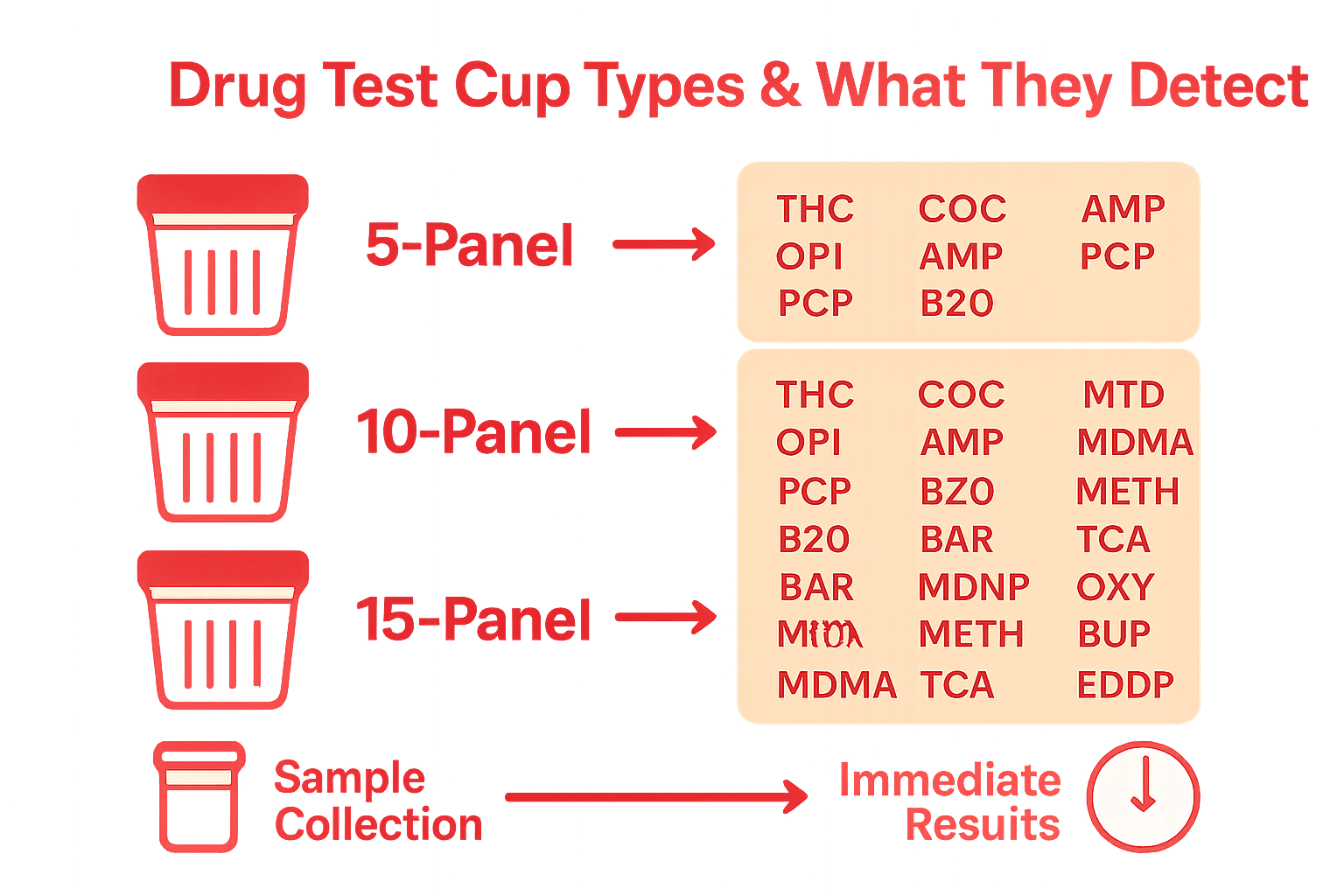
Drug test cups come in various configurations designed to detect different substance categories, with panels ranging from single to comprehensive multi-drug screenings. Rapid immunoassay technologies enable these diagnostic tools to provide quick, preliminary screening across multiple drug classes.
The most common drug test cup configurations include:
- Single Panel Cups: Designed to detect one specific substance
- 5 Panel Cups: Standard workplace screening identifying core illicit substances
- 8 Panel Cups: Expanded detection for comprehensive substance screening
- 10 Panel Cups: Advanced testing for broader range of drugs
- 12 Panel Cups: Extensive screening for multiple prescription and recreational substances
- 13 Panel Cups: Maximum coverage including adulterant detection
Each panel configuration serves specific testing requirements, from basic pre-employment screenings to complex medical and forensic applications. The number of panels directly correlates with the breadth of substances detected, allowing organizations to customize testing protocols based on their precise needs.
Professional sectors like healthcare, transportation, law enforcement, and corporate environments utilize these specialized drug test cups to maintain safety standards, ensure regulatory compliance, and proactively address potential substance abuse risks. By offering rapid, accurate results, these diagnostic tools provide an essential mechanism for monitoring individual and workplace health and safety.
How Drug Test Cups Work in Practice
Immunochromatographic technologies enable drug test cups to provide rapid, accurate substance screening through sophisticated detection mechanisms. These specialized diagnostic tools utilize advanced reagents that interact directly with urine samples to identify the presence of specific drug metabolites.
The practical workflow of drug test cups typically involves several critical stages:
- Sample Collection: Obtaining a clean urine specimen in the provided collection cup
- Immunoassay Reaction: Chemical reagents interact with drug molecules
- Visual Result Interpretation: Color-coded indicators reveal substance presence
- Result Validation: Confirmatory testing for complex or ambiguous findings
Point-of-collection testing devices allow for immediate results, enabling healthcare providers and organizations to make swift, informed decisions. These 10 panel instant drug test cups provide comprehensive screening with minimal processing time, making them invaluable in professional settings requiring rapid substance verification.

The precision of drug test cups relies on carefully calibrated immunoassay strips that detect specific drug metabolites at predetermined threshold concentrations. By combining scientific accuracy with user-friendly design, these diagnostic tools transform complex biochemical analysis into straightforward, actionable information for medical professionals, employers, and treatment specialists.
Key Users: Laboratories, Clinics, and Employers
Drug test cups serve critical functions across multiple professional sectors, each with unique testing requirements and objectives. Employers implement comprehensive drug testing programs to maintain workplace safety, reduce liability risks, and ensure optimal organizational performance.
The primary user categories for drug test cups include:
- Laboratories: Conducting systematic substance screening and forensic analysis
- Medical Clinics: Monitoring patient health and treatment compliance
- Corporate HR Departments: Screening potential and current employees
- Substance Abuse Treatment Centers: Tracking patient recovery progress
- Law Enforcement: Conducting forensic investigations and legal screenings
- Occupational Health Providers: Ensuring workplace safety standards
Each professional group utilizes drug testing workflows tailored to their specific operational needs. Laboratories require high-precision multi-panel cups for comprehensive screening, while clinical settings prioritize rapid, actionable results that support immediate medical decision making.
Corporate environments leverage drug test cups as a critical component of risk management strategies, implementing systematic screening protocols that protect organizational integrity and employee wellbeing. By combining advanced diagnostic technologies with standardized testing procedures, these professional users transform drug testing from a mere compliance requirement into a proactive health and safety management tool.
Accuracy, Limitations, and Adulteration Risks
Drug test cups provide reliable preliminary screening, but understanding their inherent accuracy limitations is crucial for responsible interpretation. Urine specimen storage conditions can significantly impact test result concentrations, introducing potential variability in drug detection accuracy.
Key accuracy and limitation considerations include:
- False Positive Risks: Potential for incorrect substance detection
- Cross-Reactivity: Interactions between similar molecular structures
- Detection Window Variations: Inconsistent substance retention periods
- Metabolic Differences: Individual biological variations affecting results
To mitigate potential risks, advanced 15-panel drug tests with comprehensive adulterant detection offer enhanced screening capabilities. These sophisticated testing methods incorporate multiple verification mechanisms to reduce false positive rates and identify potential sample tampering.
Professional users must recognize that drug test cups provide preliminary screening results requiring confirmatory laboratory testing for definitive conclusions. By understanding these limitations and implementing rigorous testing protocols, organizations can maintain the highest standards of accuracy and reliability in substance screening processes.
Legal Compliance and Cost Considerations
Workplace drug testing programs must navigate complex legal landscapes that vary significantly across different jurisdictions, requiring meticulous attention to local, state, and federal regulatory requirements. Organizations must balance legal compliance with practical screening needs, ensuring both employee privacy and organizational safety.
Key legal and financial considerations include:
- Regulatory Compliance: Adhering to federal and state drug testing laws
- Employee Privacy Rights: Protecting individual confidentiality
- Documentation Requirements: Maintaining proper testing records
- Testing Frequency Regulations: Following industry-specific guidelines
- Reasonable Suspicion Standards: Establishing legally defensible testing protocols
Commercially available urine drug test cups offer cost-effective screening solutions that provide real-time results comparable to more expensive laboratory testing. These diagnostic tools enable organizations to implement comprehensive substance screening programs without incurring substantial financial burdens.
Successful implementation requires a strategic approach that integrates legal compliance, financial considerations, and technological capabilities. Organizations must carefully select drug testing methodologies that not only meet regulatory requirements but also provide accurate, timely results while managing overall program expenses.
Ensure Accuracy and Compliance with Trusted Drug Test Cup Solutions
The detailed guide on drug test cups highlights the challenges of achieving rapid, reliable, and legally compliant substance screening across workplaces and clinical settings. If you are facing concerns about test accuracy, adulteration risks, or the need for comprehensive multi-panel detection, these issues require solutions that deliver precision and ease of use. Key goals include minimizing false positives, staying within regulatory frameworks, and obtaining quick results for informed decisions.
Explore our extensive range of high-quality, FDA-approved drug test cups designed for professionals and organizations who demand trustworthy testing tools. Whether you need 5-panel cups for standard employment screens or advanced 13-panel and 15-panel versions with adulterant detection, rapidtestcup.com offers affordable, CLIA-waived kits that empower you to uphold safety and compliance confidently.
Discover how our products meet the core purposes of rapid screening, standardized testing, and early intervention. With straightforward ordering and fast shipping, you can enhance your drug testing program today and reduce the risks highlighted in the article.
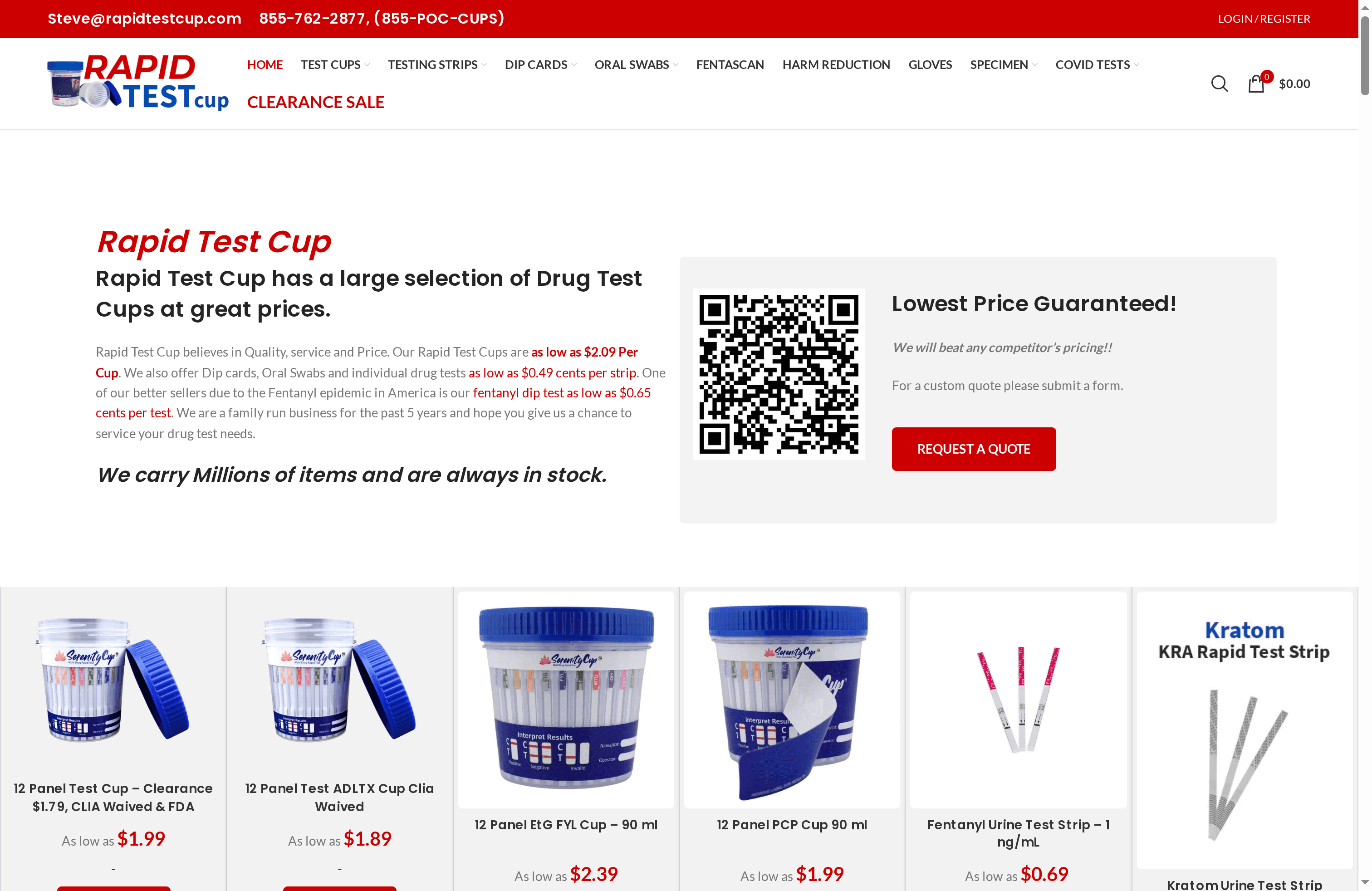
Ready to upgrade your drug screening capabilities and safeguard your operations against the challenges of inaccurate or incomplete testing? Visit rapidtestcup.com now to browse our full selection. Learn more about 8 panel cups for expanded substance detection and explore our 13 panel adulterant detection cups to defend against sample tampering. Act now to ensure your testing process matches the comprehensive standards outlined in the latest drug testing guide.
Frequently Asked Questions
What are drug test cups and how do they work?
Drug test cups are diagnostic tools designed to detect various substances in urine samples. They use immunochromatographic technologies that allow for rapid screening through chemical reactions with drug metabolites, providing quick results.
What types of drugs can be tested using drug test cups?
Drug test cups come in various configurations, including single panel, 5-panel, 8-panel, 10-panel, 12-panel, and 13-panel options. Each configuration is designed to detect specific drugs, ranging from core illicit substances to a broad spectrum of prescription and recreational drugs.
How accurate are drug test cups, and what limitations should I be aware of?
While drug test cups provide reliable preliminary results, they have limitations, such as false positives, cross-reactivity, and variations in detection windows. It’s essential to use confirmatory laboratory testing for definitive results.
What are the key users of drug test cups?
Key users of drug test cups include laboratories for forensic analysis, medical clinics for patient monitoring, corporate HR departments for employee screenings, substance abuse treatment centers, law enforcement, and occupational health providers. Each group uses these cups for specific testing needs tailored to their operational requirements.