

Blog
Bulk Drug Testing Explained: Streamlining Compliance

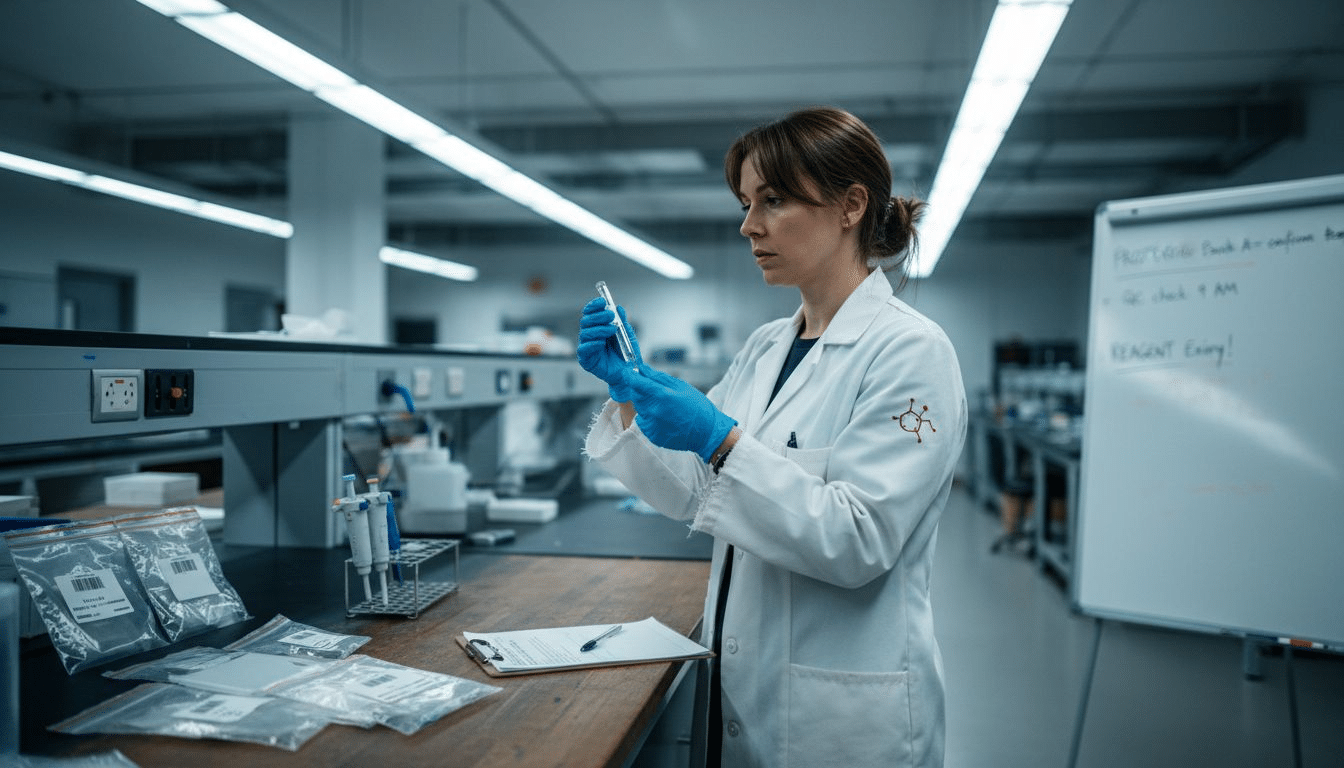
Workplaces, clinics, and judicial systems across American and European regions now rely on bulk drug testing to handle rising substance abuse cases. Over 85 percent of major organizations require rapid, large-scale screening for compliance and safety. Laboratory managers and forensic specialists face increasing pressure to deliver accurate results and maintain strict legal standards. This overview highlights the essential concepts, technologies, and procedures that support efficient bulk drug testing for modern forensic and laboratory environments.
Table of Contents
- What Is Bulk Drug Testing? Key Concepts
- Major Test Types and Panel Variations
- Standard Procedures and Chain of Custody
- Regulatory Standards and Legal Compliance
- Risks, Pitfalls, and Quality Assurance Practices
Key Takeaways
| Point | Details |
|---|---|
| Comprehensive Screening Method | Bulk drug testing is essential for tracking substance use trends across various environments, ensuring compliance and public health support. |
| Panel Configurations | Organizations should choose appropriate testing panels based on their specific needs, considering various biological specimens for accuracy. |
| Chain of Custody | Maintaining rigorous chain of custody procedures is critical for the legal and scientific integrity of drug testing samples. |
| Quality Assurance Practices | Implementing robust quality assurance protocols can mitigate risks and ensure the reliability of drug testing results. |
What Is Bulk Drug Testing? Key Concepts
Bulk drug testing represents a comprehensive screening methodology designed to identify and analyze controlled substances across large sample populations. Large-scale substance monitoring enables organizations to systematically track and understand drug usage patterns within specific environments like workplaces, treatment programs, and judicial systems.
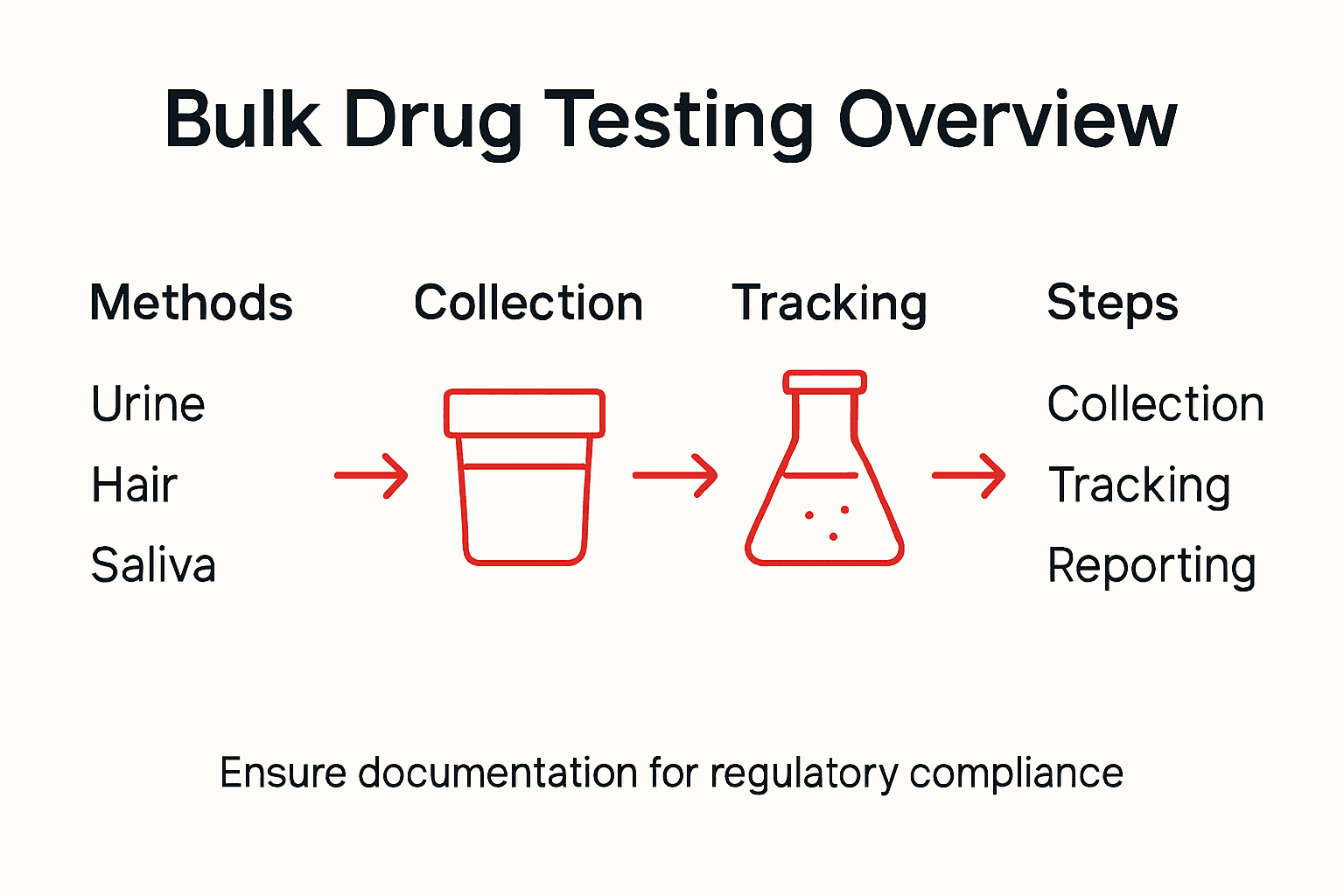
At its core, bulk drug testing involves collecting and examining biological specimens such as urine, blood, or hair to detect the presence of controlled substances or their metabolic byproducts. Systematic screening processes allow healthcare professionals, law enforcement, and organizational administrators to gather critical data about substance use trends, ensuring compliance with established protocols and supporting public health initiatives.
Key characteristics of effective bulk drug testing include:
- Representative sampling techniques
- Standardized collection protocols
- Transparent reporting mechanisms
- Rapid response capabilities
- Specialized interpretation by trained professionals
Modern bulk drug testing goes beyond simple detection, providing nuanced insights into substance prevalence, potential risks, and broader societal trends. The methodology requires sophisticated analytical equipment, rigorous scientific standards, and a comprehensive understanding of pharmacological detection methods.
Pro tip: When implementing bulk drug testing, prioritize standardized collection procedures and invest in certified laboratory analysis to ensure maximum accuracy and reliability.
Major Test Types and Panel Variations
Bulk drug testing encompasses multiple panel configurations that enable comprehensive substance screening across different biological specimens. Panel drug tests range from basic four-substance screens to sophisticated multi-substance detection systems, allowing organizations to customize their testing approach based on specific requirements.
The primary testing methods include urine, hair, saliva, blood, and sweat screenings, each offering unique advantages for substance detection. Urine drug tests remain the most prevalent in bulk testing scenarios due to their cost-effectiveness, ease of collection, and ability to detect recent substance usage. Comprehensive panel variations typically analyze multiple substance categories simultaneously, including:

Here’s how common drug testing methods compare in key areas:
| Testing Method | Detection Window | Preferred Use Case |
|---|---|---|
| Urine | 1-7 days | Workplace, clinical screening |
| Hair | Up to 90 days | Long-term pattern detection |
| Saliva | 1-48 hours | Roadside, recent use checks |
| Blood | Hours to 2 days | Impairment, legal cases |
| Sweat | 1-14 days | Continuous monitoring |
- Amphetamines
- Cocaine
- Marijuana
- Opioids
- Benzodiazepines
- Barbiturates
Advanced testing panels now incorporate increasingly sophisticated detection technologies, enabling more precise identification of substances and their metabolites. Modern screening methods can differentiate between prescription medications and illicit substances, providing nuanced insights that support medical, legal, and organizational decision-making processes.
The complexity of drug testing panels continues to evolve, reflecting changing substance abuse patterns and emerging detection technologies. Laboratories and testing facilities must remain adaptable, continuously updating their screening protocols to address new synthetic compounds and innovative drug formulations.
Pro tip: Select drug testing panels that align with your specific organizational needs and regularly update your screening protocols to maintain comprehensive substance detection capabilities.
Standard Procedures and Chain of Custody
Chain of custody procedures represent the comprehensive documentation and tracking system essential for maintaining the legal and scientific integrity of drug testing specimens. These systematic protocols ensure every biological sample is meticulously tracked from initial collection through final analysis, creating an unbroken record of handling and transportation.
Intake protocols involve multiple critical stages of specimen management. Standard procedures mandate detailed documentation, secure collection techniques, and comprehensive rights advisement to protect both the testing organization and the individual being tested. Key components of these protocols include:
- Precise specimen labeling
- Secure storage conditions
- Documented personnel transfers
- Timestamp tracking
- Rigorous identification verification
The chain of custody documentation serves as a legal safeguard, preventing potential sample contamination, tampering, or misidentification. Each transfer of the specimen requires explicit logging, with authorized personnel recording their interactions, ensuring a transparent and defensible process that can withstand potential legal scrutiny.
Modern bulk drug testing facilities increasingly utilize digital tracking systems and electronic custody forms to enhance accuracy and reduce human error. These technological innovations provide real-time monitoring, immediate documentation, and seamless integration of sample tracking across multiple testing stages.
Pro tip: Implement a comprehensive digital tracking system that allows instant verification of sample movement and maintains an immutable record of all specimen handling procedures.
Regulatory Standards and Legal Compliance
International guidelines for drug testing establish comprehensive frameworks that govern the entire substance screening ecosystem. These regulatory standards create a structured approach to ensuring accuracy, reliability, and legal defensibility across different testing environments, from workplace screenings to forensic investigations.
Regulatory compliance involves multiple critical dimensions that organizations must navigate carefully. Key regulatory requirements typically include:
- Strict protocol documentation
- Scientifically validated testing methodologies
- Consistent quality control measures
- Transparent reporting mechanisms
- Protection of individual privacy rights
- Adherence to federal and state legal standards
The legal landscape surrounding drug testing continues to evolve, with increasing emphasis on balancing organizational safety needs against individual privacy protections. Different sectors such as healthcare, transportation, and law enforcement maintain specialized regulatory frameworks that dictate specific testing protocols, acceptable detection thresholds, and procedural safeguards.
Modern regulatory standards demand not just accurate testing, but comprehensive documentation demonstrating the scientific validity and legal integrity of each screening process. This requires ongoing training, regular audits, and continuous adaptation to emerging legal and technological developments in substance detection methodologies.
This table summarizes how regulatory focus affects different sectors:
| Sector | Primary Regulatory Focus | Common Requirement |
|---|---|---|
| Healthcare | Patient privacy, accuracy | HIPAA compliance, result reporting |
| Transportation | Public safety, legal thresholds | DOT standards, chain of custody |
| Law Enforcement | Evidence admissibility, specimen integrity | Forensic protocols, tamper evidence |
Pro tip: Develop a comprehensive compliance manual that integrates current regulatory requirements and provides clear guidance for all stages of drug testing procedures.
Risks, Pitfalls, and Quality Assurance Practices
Quality assurance protocols represent critical safeguards against systematic errors in drug testing processes, ensuring the reliability and legal defensibility of screening results. These comprehensive mechanisms address potential vulnerabilities that could compromise testing accuracy, sample integrity, and overall scientific validity.
Common risks in bulk drug testing encompass multiple potential failure points:
- Sample contamination
- Improper specimen handling
- Equipment calibration errors
- Human error during processing
- Cross-contamination between samples
- Inconsistent testing methodologies
- Inadequate staff training
Quality assurance demands meticulous attention to procedural details, requiring robust internal controls and systematic verification processes. Advanced laboratories implement multi-stage validation protocols that include regular equipment maintenance, periodic staff retraining, and comprehensive documentation of every testing stage to minimize potential errors and ensure reproducible results.
Technological advancements have introduced sophisticated risk mitigation strategies, including automated tracking systems, digital chain of custody documentation, and real-time error detection mechanisms. These innovations provide layers of protection against traditional testing vulnerabilities, enabling more precise and reliable substance screening across various organizational contexts.
Pro tip: Implement a continuous improvement framework that includes quarterly risk assessments, staff retraining programs, and systematic review of testing protocols to proactively identify and address potential quality assurance vulnerabilities.
Simplify Compliance With Expert Bulk Drug Testing Supplies
Managing bulk drug testing involves key challenges like maintaining stringent chain of custody, ensuring regulatory compliance, and selecting reliable testing panels. These critical pain points can overwhelm organizations aiming for accurate and defensible results. At rapidtestcup.com, we understand these hurdles and provide a wide range of CLIA waived, FDA-approved drug test cups, dip cards, and specimen collection supplies designed to support your compliance needs with ease and confidence.
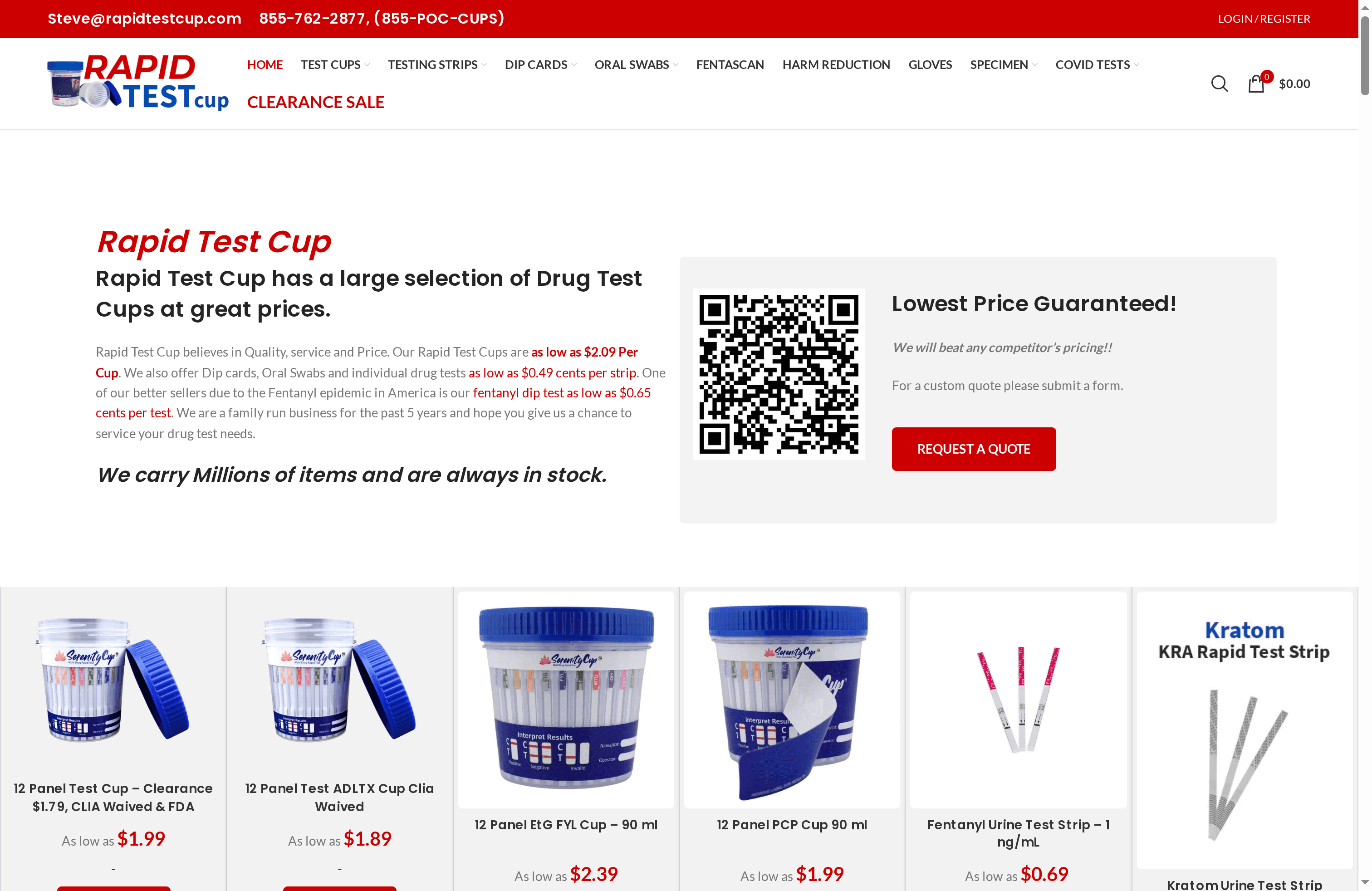
Discover how our affordable, high-quality products help streamline your testing protocols while protecting sample integrity through secure and standardized collection tools. Whether you need basic multi-substance panels or specialized forensic kits, our selection is crafted to meet professional standards and reduce common risks like contamination or testing errors. Don’t wait to enhance your bulk drug testing process with trusted supplies from rapidtestcup.com. Visit our site now to explore our full catalog and request a custom quote for bulk orders today.
Frequently Asked Questions
What is bulk drug testing?
Bulk drug testing is a comprehensive screening method used to identify and analyze controlled substances across large populations, utilizing biological specimens such as urine, blood, or hair to detect substance presence.
How do different drug testing methods compare in terms of detection windows?
Urine tests typically detect substances for 1-7 days, hair tests up to 90 days, saliva tests for 1-48 hours, blood tests for hours to 2 days, and sweat tests for 1-14 days, each suited for various usage scenarios.
What is chain of custody in bulk drug testing?
Chain of custody refers to the systematic documentation and tracking procedures that ensure the integrity of drug testing specimens from collection to analysis, preventing contamination or misidentification.
Why is regulatory compliance important in bulk drug testing?
Regulatory compliance ensures that drug testing processes meet established standards for accuracy, privacy, and legal defensibility, which is crucial for maintaining trust and clarity in various sectors such as healthcare and law enforcement.