

Blog
Why Test for Prescription Drugs: Ensuring Safe Care

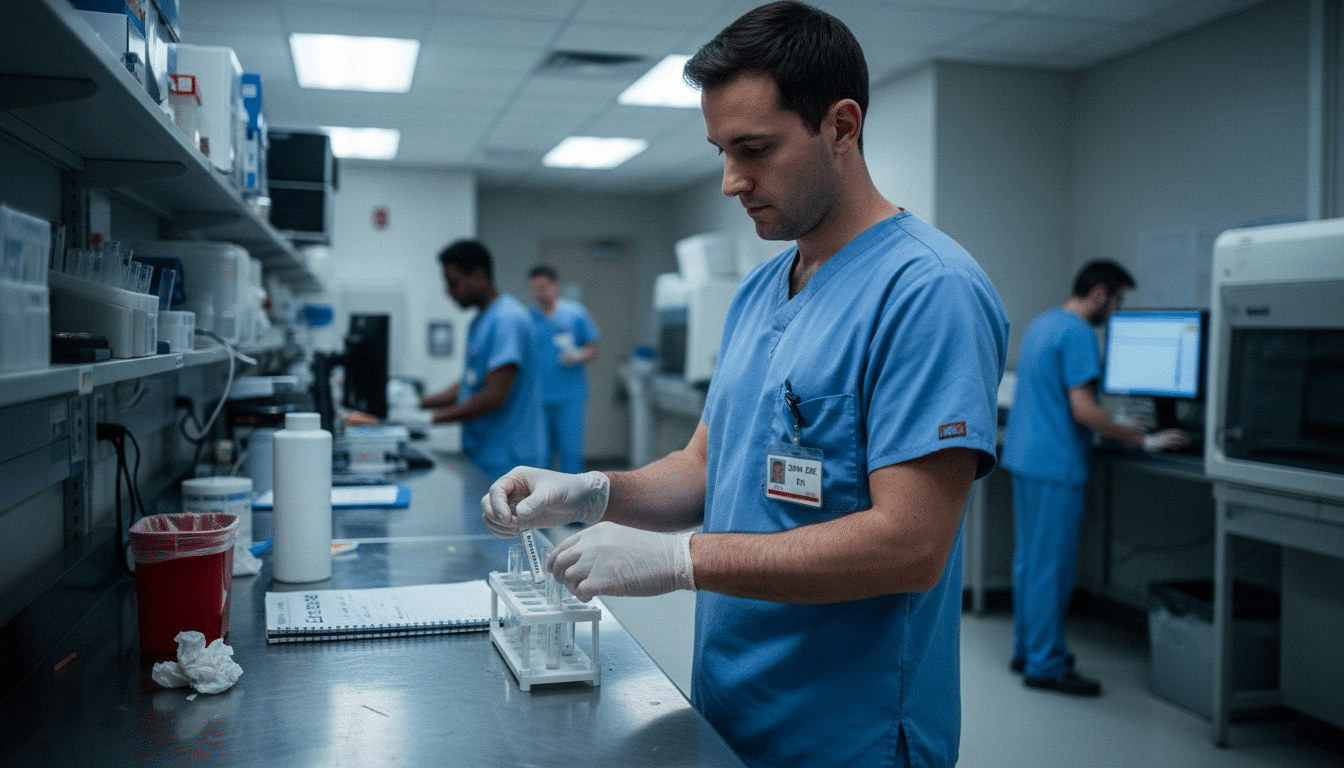
Over 50 percent of American patients taking prescription medications face challenges with adherence, leading to critical treatment setbacks and safety concerns. For healthcare professionals and administrators working in substance abuse treatment centers, ensuring accurate drug monitoring is essential to successful patient outcomes. If you want practical guidance and up-to-date comparisons on prescription drug testing methods that support compliance and risk reduction, this resource provides clear answers backed by expert insight.
Table of Contents
- What Prescription Drug Testing Involves
- Types of Prescription Drug Tests Available
- Clinical and Legal Reasons for Testing
- Ensuring Patient Safety and Compliance
- Risks of Skipped or Improper Testing
Key Takeaways
| Point | Details |
|---|---|
| Prescription Drug Testing is Comprehensive | It involves sophisticated methods to detect medications in biological samples, ensuring accurate monitoring of patient use and compliance. |
| Testing Types Vary | Common methods include urine, blood, hair, and saliva tests, each selected based on detection needs and clinical context. |
| Importance in Clinical Settings | Regular drug testing helps manage patient care, track adherence, and mitigate risks of misuse and harmful interactions. |
| Risks of Inadequate Testing | Improper testing can lead to serious health risks and legal issues, underscoring the need for accurate, standardized methodologies. |
What Prescription Drug Testing Involves
Prescription drug testing represents a sophisticated medical screening process designed to detect and analyze the presence of specific medications within an individual’s biological samples. Comprehensive drug testing methods typically involve collecting urine, blood, or hair specimens to determine medication usage, compliance, and potential misuse.
The testing procedure follows a strategic two-step approach. First, a screening test rapidly identifies potential drug presence, using immunoassay techniques that provide quick preliminary results. These initial screenings detect broad drug categories with high sensitivity. Following the initial screening, a confirmatory test using gas chromatography or mass spectrometry validates the initial findings with exceptional precision. This secondary confirmation ensures absolute accuracy and eliminates potential false-positive results.
Healthcare professionals utilize prescription drug testing across multiple critical scenarios: monitoring patient medication adherence, assessing potential substance abuse risks, managing chronic pain treatments, and supporting addiction recovery programs. The testing methodology allows clinicians to understand a patient’s exact medication profile, identifying potential drug interactions, therapeutic compliance issues, and unauthorized substance consumption. Clinical addiction medicine guidelines emphasize the importance of integrating drug testing as a comprehensive patient care strategy.
Pro tip: Always discuss prescription drug testing procedures and potential implications thoroughly with your healthcare provider to understand the specific testing protocol and expected outcomes.
Types of Prescription Drug Tests Available
Prescription drug testing encompasses several sophisticated methodologies, each designed to detect medication usage through different biological samples. Comprehensive drug testing methods range from urine and blood screenings to advanced techniques involving hair, saliva, and oral fluid analysis. The selection of a specific testing approach depends on multiple factors including detection window, sensitivity requirements, and the particular clinical or forensic context.
Urine drug testing remains the most prevalent screening method due to its cost-effectiveness and ease of sample collection. This approach allows for rapid detection of a wide range of prescription medications and controlled substances. Blood tests offer a more precise measurement of current medication levels, providing real-time insights into drug concentration. Hair follicle testing presents a unique advantage by enabling detection of drug use over extended periods, potentially revealing medication patterns spanning several months. Specialized drug testing techniques also include saliva and oral fluid screenings, which can provide immediate and minimally invasive detection of recent drug consumption.
Healthcare professionals and clinical laboratories carefully select testing methods based on specific diagnostic needs. Some tests focus on broad-spectrum screening, while others target precise medication verification. Factors such as detection sensitivity, potential for false positives, sample collection ease, and cost effectiveness play crucial roles in determining the most appropriate testing approach. Advanced confirmatory techniques like gas chromatography and mass spectrometry ensure maximum accuracy by providing definitive chemical analysis of detected substances.
Pro tip: Consult with healthcare providers to understand which specific drug testing method best suits your individual medical monitoring requirements and clinical objectives.
Here is a comparison of common prescription drug testing methods and their unique characteristics:
| Test Type | Detection Window | Sample Collection | Typical Use Case |
|---|---|---|---|
| Urine | Hours to days | Simple, noninvasive | Routine screening |
| Blood | Minutes to hours | Invasive, requires needle | Confirming current intoxication |
| Hair | Weeks to months | Requires small hair sample | Long-term monitoring |
| Saliva | Minutes to hours | Quick, minimally invasive | Detecting recent use |
Clinical and Legal Reasons for Testing
Clinical drug screening protocols serve multiple critical purposes across healthcare, legal, and professional environments. These comprehensive testing approaches address both medical treatment needs and broader societal safety concerns, providing essential insights into medication use, potential substance abuse, and individual compliance with prescribed treatment plans.
In clinical settings, prescription drug testing plays a fundamental role in diagnosing and managing substance use disorders. Healthcare providers utilize these tests to monitor patient medication adherence, assess treatment effectiveness, and identify potential risk factors for drug misuse or addiction. The testing process allows medical professionals to make informed decisions about patient care, adjusting treatment strategies based on objective chemical evidence. Beyond individual patient management, these screenings help prevent potential medical complications arising from inappropriate medication use or dangerous drug interactions.

Legal and professional environments rely on drug testing to ensure public safety and regulatory compliance. Workplace screening programs help prevent accidents, protect employee health, and maintain productivity standards. Court systems use drug testing for probation monitoring, child custody evaluations, and criminal investigations. Comprehensive screening protocols support rehabilitation efforts, provide accountability, and help individuals demonstrate commitment to treatment and recovery. These testing mechanisms serve as critical tools for maintaining personal and public safety across various institutional contexts.
Pro tip: Always maintain transparent communication with healthcare providers and understand the specific purposes and potential implications of prescribed drug testing.
Ensuring Patient Safety and Compliance
Urine drug testing protocols play a critical role in maintaining patient safety and treatment effectiveness across various medical disciplines. These systematic screening approaches help healthcare providers monitor medication adherence, detect potential substance misuse, and proactively manage patient health risks. By implementing comprehensive testing strategies, medical professionals can identify early warning signs of non-compliance or developing health complications.
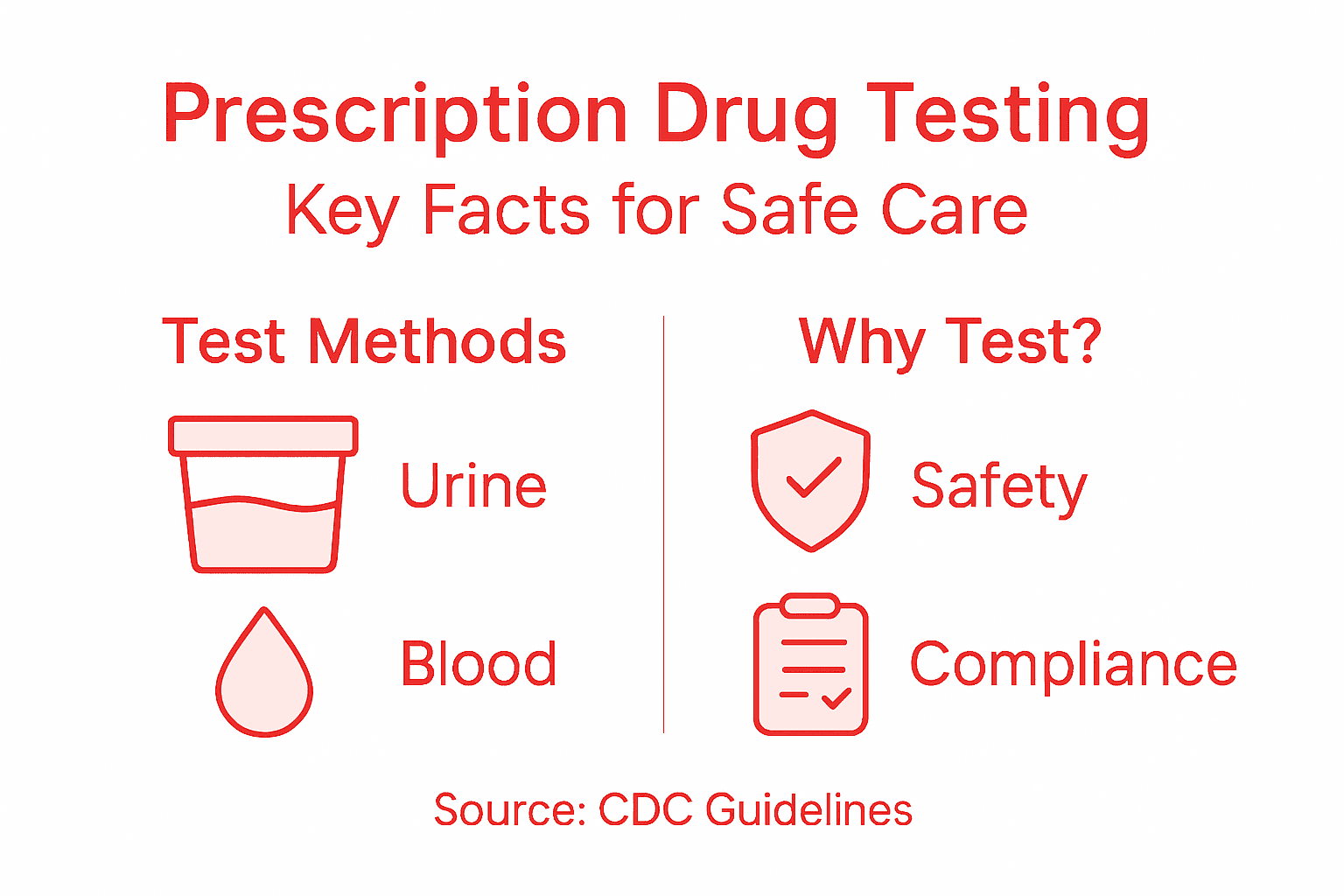
In addiction medicine and pain management, regular drug testing serves as a fundamental mechanism for tracking patient progress and preventing potential medication misuse. Healthcare providers use these screening methods to verify that patients are following prescribed treatment plans, consuming medications as directed, and avoiding unauthorized substances. The testing process allows clinicians to make informed decisions about treatment adjustments, ensuring that patients receive appropriate care while minimizing risks associated with drug interactions or inappropriate medication use.
Comprehensive addiction medicine guidelines emphasize the importance of building trust and transparency between healthcare providers and patients through systematic drug testing. These protocols not only protect patient safety but also create opportunities for open communication about treatment challenges, potential relapse risks, and individual health management strategies. By integrating drug testing as a collaborative tool, medical professionals can support patients in maintaining their recovery, addressing potential substance abuse issues, and developing more effective long-term treatment approaches.
Pro tip: Maintain open and honest communication with your healthcare provider about medication use, potential challenges, and any concerns regarding prescribed treatments.
Risks of Skipped or Improper Testing
Drug testing accuracy is paramount in preventing significant medical and legal complications arising from inadequate screening protocols. Skipping or improperly conducting prescription drug tests can create substantial risks that extend far beyond simple diagnostic oversights. These potential dangers encompass patient health, treatment effectiveness, legal compliance, and overall healthcare system integrity.
In medical settings, improper testing can lead to catastrophic patient care consequences. False negative results may mask ongoing substance abuse, enabling dangerous medication interactions or potential overdose scenarios. Clinicians might inadvertently prescribe medications that interact harmfully with undiscovered substances, potentially creating life-threatening medical emergencies. Conversely, false positive results can equally damage patient trust, leading to unnecessary treatment modifications, potential legal complications, and psychological stress for individuals seeking legitimate medical care.
Forensic drug analysis protocols highlight the critical importance of comprehensive and standardized testing methodologies. Insufficient testing can produce erroneous clinical assessments that impact legal proceedings, workplace screenings, and rehabilitation programs. These inaccuracies can result in wrongful legal judgments, inappropriate medical interventions, and compromised safety protocols across multiple institutional contexts. The potential consequences range from individual patient risks to broader systemic failures in healthcare and legal accountability.
Pro tip: Always request comprehensive testing procedures and understand the specific methodology used in your drug screening to ensure maximum accuracy and reliability.
The following table summarizes risks associated with inadequate or inaccurate prescription drug testing:
| Risk Type | Description | Impact on Patient Care |
|---|---|---|
| False Negative | Missed detection of substance use | Unsafe medication interactions |
| False Positive | Incorrect drug use reporting | Unnecessary treatment changes |
| Mismanagement | Poor test protocol or interpretation | Delayed or inappropriate therapy |
| Legal Consequences | Errors affecting legal outcomes | Wrongful penalties or judgments |
Ensure Accurate Prescription Drug Testing with Trusted Supplies
Prescription drug testing demands precision and reliability to prevent risks such as false negatives, false positives, and treatment mismanagement. If you are a healthcare provider, forensic specialist, or addiction professional seeking high-quality, FDA-approved testing kits that support clinical accuracy and patient safety, rapidtestcup.com offers a comprehensive selection of drug test cups, urine strips, and specimen collection supplies designed for professional use.
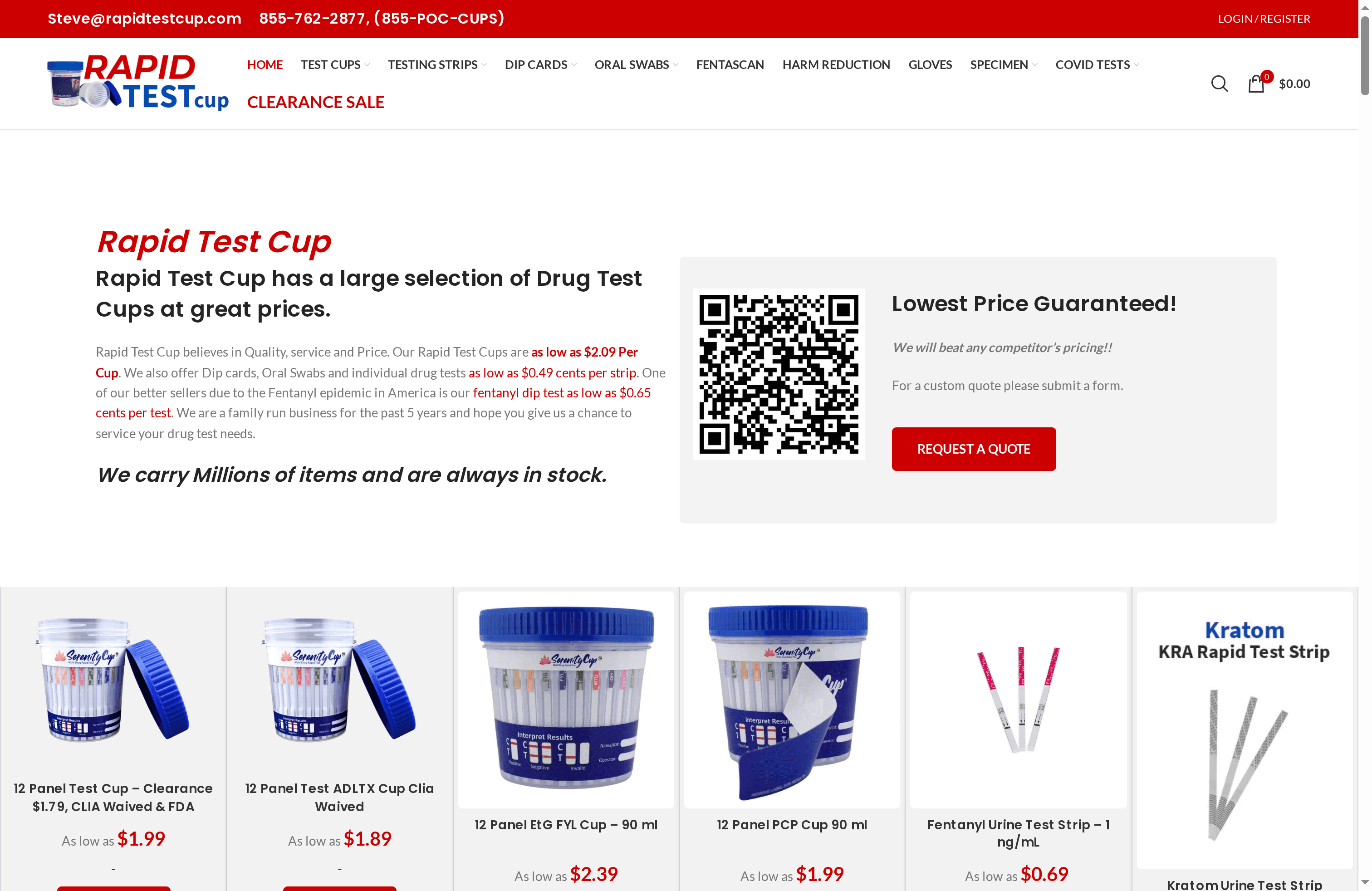
Take control of your medication monitoring protocols today by choosing from a wide range of CLIA waived and affordable testing solutions that guarantee faster results and secure handling from sample collection to analysis. Visit rapidtestcup.com to explore products tailored for clinical adherence monitoring, forensic reliability, and substance abuse programs. Equip yourself with the right tools now to uphold patient safety, ensure compliance, and reduce the risk of costly errors.
Frequently Asked Questions
What is prescription drug testing?
Prescription drug testing is a medical screening process that detects and analyzes specific medications in biological samples, like urine or blood, to monitor usage, compliance, and potential misuse.
Why is prescription drug testing important for patient care?
Prescription drug testing helps healthcare providers ensure patient safety by monitoring medication adherence, detecting substance misuse, and managing treatment effectiveness, ultimately supporting better patient outcomes.
What types of methods are used for prescription drug testing?
Common methods include urine, blood, hair, and saliva testing. Each method has unique characteristics, such as detection windows and invasive levels, and is chosen based on specific diagnostic needs.
What are the risks of skipping or improperly conducting prescription drug tests?
Inadequate testing can lead to false negatives or positives, potentially resulting in unsafe medication interactions, unnecessary treatment changes, and legal consequences for patients and healthcare providers.