
Blog
Role of Dip Card Tests in Reliable Drug Screening


Most American laboratories demand fast, affordable solutions for substance screening. With more than 80 percent of initial drug testing relying on rapid urine analysis, dip card tests provide clinical technicians with reliable results that help drive decisions in substance abuse programs. Understanding what makes these FDA-approved tests both effective and misunderstood is vital for professionals seeking accuracy and cost efficiency in daily screening procedures.
Table of Contents
- Dip Card Tests—Definition And Misconceptions
- Panel Types And Detection Limits Explained
- How Dip Cards Deliver Rapid, Accurate Results
- Regulatory Standards And Forensic Applications
- Risks Of Inaccurate Results And Key Safeguards
- Dip Card Tests Versus Alternative Screening Methods
Key Takeaways
| Point | Details |
|---|---|
| Dip Card Tests Are Initial Screenings | Dip card tests provide rapid preliminary results but must be confirmed with laboratory testing to ensure accuracy. |
| Understanding Panel Configurations Is Essential | Drug test panels vary in the number of substances detected and should be selected based on specific testing needs. |
| Regulatory Compliance Is Critical | Forensic applications demand adherence to strict regulatory standards to maintain the reliability of test results. |
| Risks of Inaccurate Results Must Be Managed | Implementing quality control protocols and confirmatory testing can mitigate the risks of false positives and negatives in drug screening. |
Dip card tests—definition and misconceptions
A dip card test represents a fast, portable method for detecting multiple drug substances through a single screening process. These immunoassay screening tools allow clinical technicians to rapidly analyze urine specimens by immersing a specially designed test strip into the sample and evaluating color changes that indicate the presence of specific drug metabolites.
Contrary to common misconceptions, dip card drug tests are not simple pass/fail instruments but sophisticated screening technologies with nuanced detection capabilities. Each test card typically includes multiple panels designed to identify different drug classes simultaneously, such as opioids, amphetamines, cocaine, marijuana, and benzodiazepines. The complexity of these tests requires trained professionals who understand how to interpret subtle color variations and recognize potential interference factors that might compromise result accuracy.
Understanding the technical limitations is crucial for reliable drug screening. Dip card tests function as initial screenings, providing rapid preliminary results that require confirmatory laboratory testing for definitive conclusions. False positives can occur due to cross-reactivity with prescription medications, dietary supplements, or individual metabolic variations. Professional technicians must consider these potential variables when interpreting test results, recognizing that these screening tools offer valuable initial insights but are not infallible diagnostic instruments.
Pro tip: Always cross-verify dip card test results with more comprehensive gas chromatography mass spectrometry (GCMS) confirmatory testing to ensure maximum screening reliability.
Panel types and detection limits explained
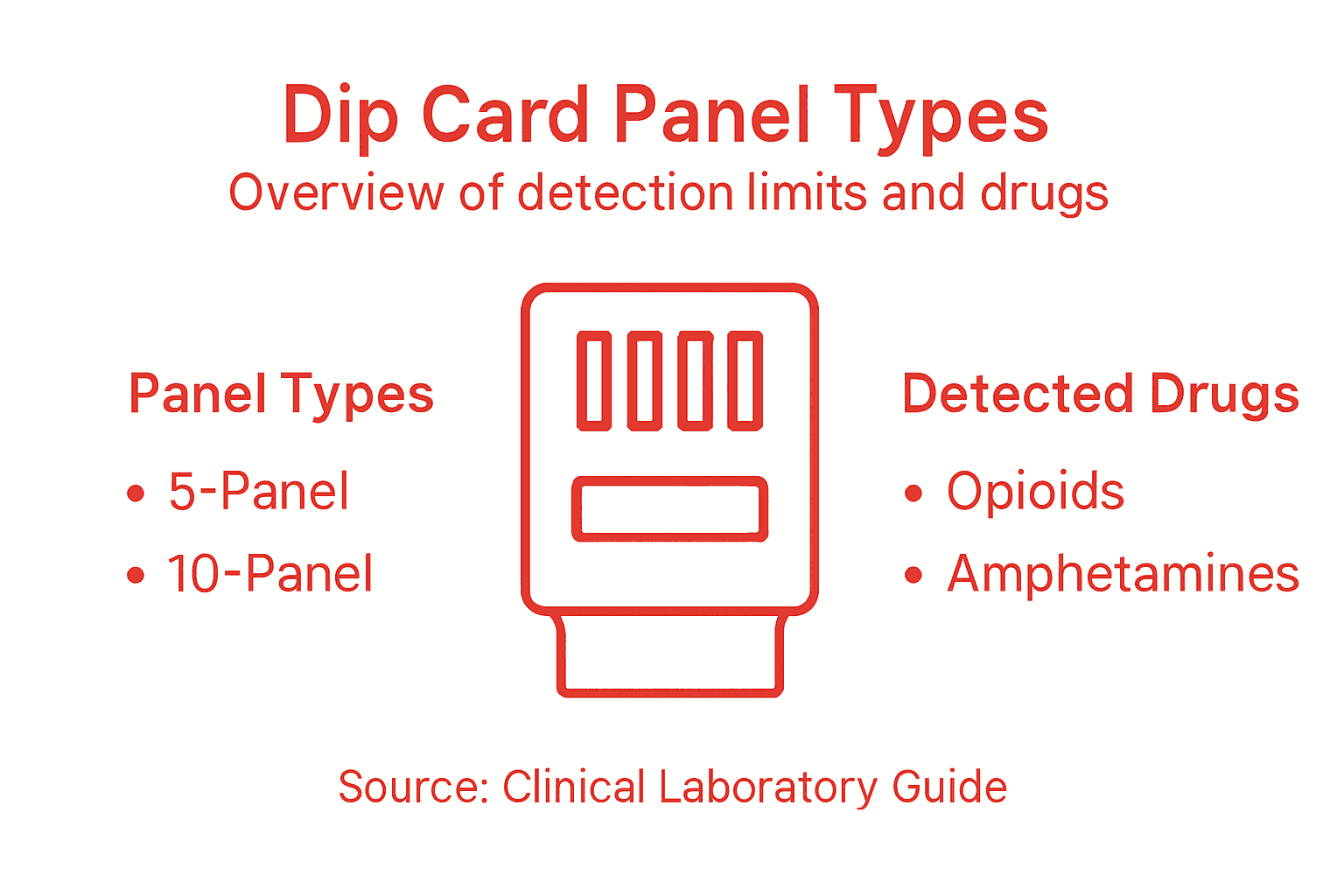
Drug screening panels represent sophisticated diagnostic tools with varying configurations designed to meet specific testing requirements. Types of drug test panels range from single-substance screenings to comprehensive multi-drug assessments, each tailored to different clinical and forensic needs. Typically, these panels are classified by the number of substances they can simultaneously detect, with common configurations including 5-panel, 10-panel, and extended 12-panel drug tests.
Each panel type incorporates precise detection limits and cut-off concentrations that determine whether a substance is identified as present. The 5-panel test typically screens for fundamental drugs like marijuana, cocaine, amphetamines, opioids, and phencyclidine. More extensive 10-panel tests expand this range to include additional substances such as benzodiazepines, barbiturates, and methadone. These cut-off levels are scientifically calibrated to minimize false positives while maintaining high sensitivity for accurate substance detection.
The detection window for different drugs varies significantly based on metabolic factors, usage frequency, and individual physiological characteristics. For instance, marijuana might be detectable for weeks in heavy users, while cocaine typically remains traceable for 2-3 days. Professionals must understand these nuanced detection parameters to interpret test results accurately and make informed decisions about substance screening protocols.
Here’s a concise overview of common drug test panel types and their detection focuses:
| Panel Type | Number of Drugs Detected | Typical Substances Included | Typical Use Case |
|---|---|---|---|
| 5-panel | 5 | Marijuana, cocaine, opioids, amphetamines, PCP | Workplace, basic clinical screening |
| 10-panel | 10 | Adds benzodiazepines, barbiturates, methadone, more | More comprehensive pre-employment, forensic |
| 12-panel | 12+ | Includes additional prescription & illicit drugs | Legal, medical, court-ordered testing |
Pro tip: Always verify the specific drug panel configuration and corresponding detection limits before implementing a screening program to ensure comprehensive and precise substance identification.
How dip cards deliver rapid, accurate results
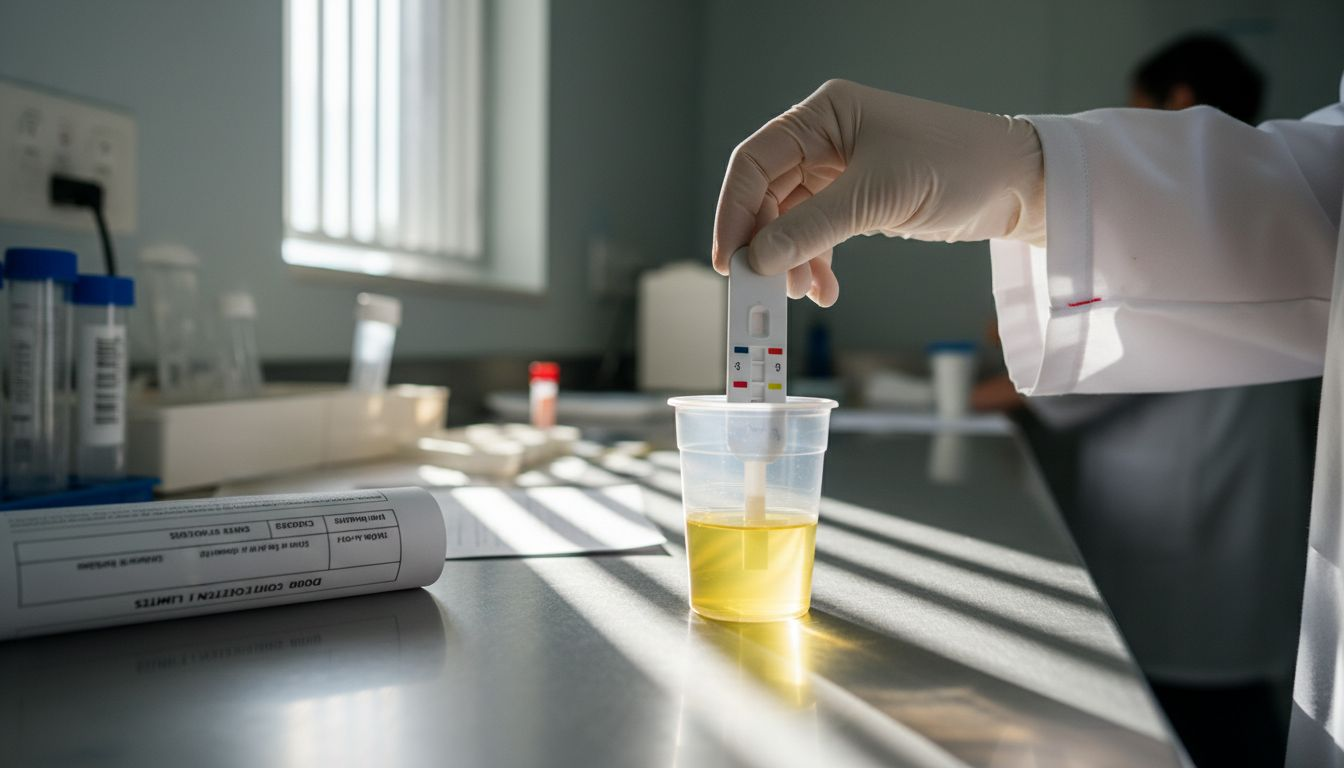
Dip card tests represent a breakthrough in rapid substance screening technology, enabling clinicians and technicians to obtain precise drug detection results within minutes. Dip card drug tests leverage advanced immunoassay principles to analyze urine samples through sophisticated antibody-coated reactive strips. These innovative devices allow for immediate, on-site testing without complex laboratory equipment, dramatically reducing the time required for substance screening.
The mechanism behind dip card accuracy involves intricate chemical interactions between drug metabolites and specifically designed antibodies. When a urine sample contacts the test strip, unique reactive zones generate color-coded signals indicating the presence or absence of targeted substances. Each strip contains multiple detection zones calibrated to recognize specific drug concentrations, ensuring high sensitivity and minimal false-positive results. Professional technicians can interpret these visual indicators quickly, providing instant insights into potential substance use.
Technological advancements have significantly enhanced dip card reliability through improved antibody specificity and refined detection thresholds. Modern dip cards can simultaneously screen for multiple drug classes, including marijuana, cocaine, opioids, amphetamines, and benzodiazepines, with detection windows varying from hours to several days depending on the specific substance and individual metabolic factors. This comprehensive approach allows for thorough, efficient screening in clinical, workplace, and forensic settings.
Pro tip: Store dip card tests in controlled environments with stable temperature and humidity to maintain optimal reagent sensitivity and ensure consistently accurate screening results.
Regulatory standards and forensic applications
Forensic drug testing demands rigorous adherence to strict regulatory frameworks that ensure the reliability and admissibility of screening results. Bulk drug testing protocols require comprehensive compliance with federal guidelines, including meticulous documentation and validation processes. The Clinical Laboratory Improvement Amendments (CLIA) and Food and Drug Administration (FDA) establish stringent standards that govern every aspect of drug screening, from sample collection to result interpretation.
In legal and forensic contexts, dip card tests serve as critical initial screening tools, but they cannot standalone as definitive evidence. Professional forensic laboratories must follow a two-step verification process: preliminary screening using immunoassay dip cards, followed by confirmatory testing through more sophisticated techniques like gas chromatography-mass spectrometry (GC-MS). This multi-stage approach ensures scientific accuracy and maintains the legal integrity of drug testing results, protecting both institutional interests and individual rights.
Regulatory compliance extends beyond technical specifications to include comprehensive quality control measures. Laboratories must maintain detailed documentation of testing procedures, demonstrate consistent test performance, and participate in proficiency testing programs. These requirements guarantee that dip card tests meet the highest standards of sensitivity, specificity, and reproducibility. Forensic professionals rely on these standardized protocols to generate reliable evidence that can withstand scrutiny in legal proceedings, workplace investigations, and clinical assessments.
Pro tip: Maintain meticulous records of calibration, quality control checks, and staff training to ensure ongoing compliance with forensic drug testing regulatory standards.
Risks of inaccurate results and key safeguards
Drug screening accuracy represents a critical challenge in forensic and clinical settings, where false results can have profound consequences. Accuracy in drug test results demands rigorous attention to multiple potential sources of error, including sample contamination, improper handling, and complex biochemical interactions. False positives and false negatives can emerge from numerous technical and environmental factors that compromise the integrity of dip card screening processes.
The primary risks of inaccurate drug testing include cross-reactivity with prescription medications, dietary supplements, and individual metabolic variations. Certain antibiotics, antidepressants, and over-the-counter medications can trigger false positive results, potentially leading to incorrect medical or legal interpretations. Environmental contaminants, inadequate storage conditions, and expired test strips can further introduce significant variability in test outcomes, undermining the reliability of initial screening procedures.
To mitigate these risks, laboratories must implement comprehensive quality control protocols. These include regular calibration of testing equipment, strict chain of custody documentation, staff training programs, and mandatory confirmatory testing using more advanced analytical techniques. Professionals must understand the limitations of initial screening methods and approach dip card tests as preliminary indicators rather than definitive diagnostic tools. Implementing multi-step verification processes, maintaining precise temperature and humidity controls, and using only CLIA-waived and FDA-approved testing materials can significantly reduce the potential for erroneous results.
Pro tip: Develop a standardized protocol for handling, storing, and interpreting dip card test results that includes mandatory secondary confirmation and comprehensive documentation.
Dip card tests versus alternative screening methods
Dip card tests represent a unique approach to substance screening, offering distinct advantages and limitations compared to alternative methodologies. 12 Panel Drug Test Dip Cards demonstrate the versatility of immunoassay screening technologies, providing rapid, on-site detection capabilities that differentiate them from more complex laboratory-based techniques. While traditional screening methods like gas chromatography and mass spectrometry remain gold standards for confirmatory testing, dip card tests excel in providing immediate, preliminary insights.
Alternative screening methods vary significantly in complexity, cost, and detection capabilities. Breath alcohol tests, hair follicle screenings, and blood tests each offer unique advantages and drawbacks. Breath tests provide instantaneous results but limited substance detection, while hair follicle tests can reveal long-term substance use patterns spanning months. Blood tests offer the most comprehensive chemical analysis but require professional medical intervention, making them more invasive and expensive compared to straightforward urine-based dip card screenings.
The primary distinguishing factors among screening methods include detection windows, sensitivity, specificity, and logistical complexity. Dip card tests strike a critical balance by offering rapid, multi-panel screening with minimal technical expertise required. They provide a cost-effective initial screening tool that can be easily administered in various settings, from workplace environments to clinical facilities. However, professionals must recognize these tests as preliminary screening instruments, always recommending confirmatory testing for definitive results in high-stakes scenarios.
The following table compares urine dip card tests with other common drug screening methods:
| Method | Turnaround Time | Detection Window | Key Advantages |
|---|---|---|---|
| Dip card (urine) | Minutes | Hours to days | On-site, cost-effective |
| Hair follicle test | Several days | Weeks to months | Long-term use detection |
| Blood test | Hours to a day | Hours to days | High accuracy, invasive |
| Breath alcohol test | Immediate | Within hours | Instant alcohol status |
Pro tip: Select drug screening methods based on specific context requirements, understanding the unique strengths and limitations of each testing approach.
Enhance Your Drug Screening Accuracy with Trusted Dip Card Tests
The challenge of obtaining fast, reliable, and accurate drug screening results is critical for professionals in clinical, forensic, and workplace environments. When interpreting complex dip card test panels, understanding detection limits and avoiding false positives are essential to maintain confidence in your screening program. At rapidtestcup.com, we specialize in providing high-quality, FDA-approved dip card drug tests and specimen collection supplies designed to meet these demanding standards.
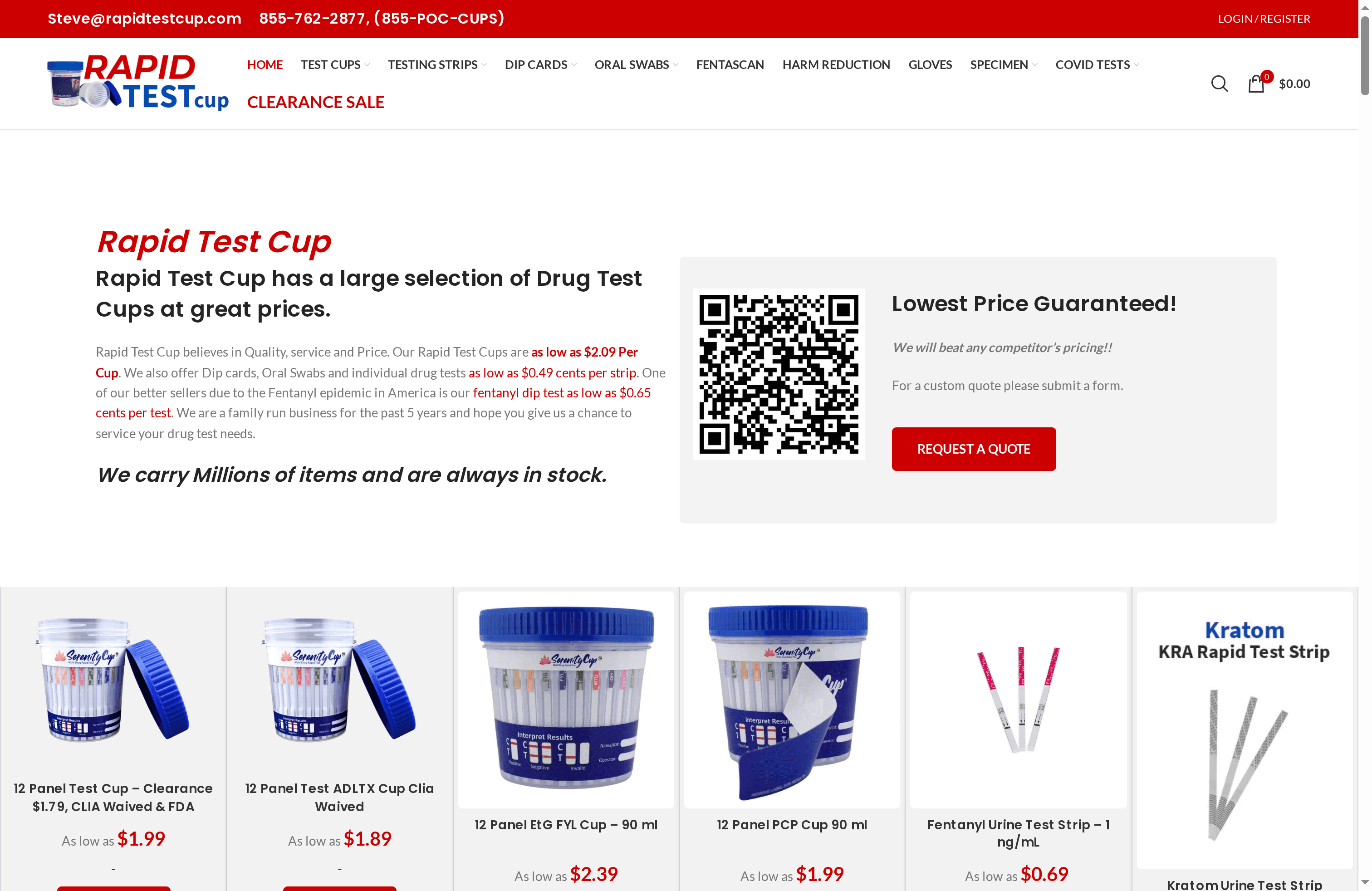
Discover how our comprehensive selection of dip card tests and multi-panel screening options can empower your operations with precise immunoassay technology. Take control of your drug testing protocols today by choosing affordable kits that comply with regulatory requirements and come with quick shipping. Visit rapidtestcup.com now to find the perfect solution tailored to your professional or personal needs and ensure every test you perform delivers trustworthy results.
Frequently Asked Questions
What is a dip card test?
A dip card test is a rapid and portable method for detecting multiple drug substances using urine samples. It employs specially designed test strips that provide color changes to indicate the presence of specific drug metabolites.
How accurate are dip card tests?
Dip card tests can provide quick preliminary results, but they are not infallible. False positives may occur due to cross-reactivity with medications or supplements. Confirmatory testing is recommended for accurate results.
What types of substances can dip card tests detect?
Dip card tests can detect various drug classes, including opioids, amphetamines, cocaine, marijuana, and benzodiazepines, depending on the panel configuration used.
Why is confirmatory testing necessary after a dip card test?
Confirmatory testing is necessary because dip card tests serve only as initial screenings. Laboratory methods like gas chromatography-mass spectrometry (GC-MS) provide definitive results and help rule out false positives.