Blog
Legal Considerations for Drug Testing at Work


Legal compliance around workplace drug testing can feel overwhelming for American and Canadian HR managers trying to protect their organizations from liability risks. Every company must balance safety, productivity, and employee privacy while following strict federal, state, and local regulations. This guide highlights workplace drug testing policy essentials and explains key testing types, privacy rules, and legal requirements to help you build policies that withstand scrutiny and minimize risk.
Table of Contents
- Defining Workplace Drug Testing Policies
- Types of Drug Tests and Methods Used
- Federal and State Drug Testing Laws
- Employee Privacy and Consent Requirements
- Employer Liabilities and Compliance Risks
Key Takeaways
| Point | Details |
|---|---|
| Workplace Drug Testing Policies | Establish clear expectations and protocols for safe and productive environments while ensuring legal compliance. |
| Key Testing Scenarios | Include pre-employment, reasonable suspicion, random, and post-incident testing to address various substance use concerns. |
| Legal Considerations | Employers must navigate federal and state regulations, balancing safety with individual privacy rights when developing drug testing policies. |
| Employee Privacy Protections | Implement written consent and confidentiality measures to respect employee rights and minimize legal risks associated with drug testing. |
Defining Workplace Drug Testing Policies
Workplace drug testing policies are comprehensive frameworks designed to maintain safety, productivity, and legal compliance in professional environments. These structured guidelines establish clear expectations and protocols for detecting substance use among job applicants and employees. Workplace drug testing programs aim to create a drug-free environment that protects both organizational interests and worker well-being.
Effective drug testing policies typically encompass several key testing scenarios:
- Pre-employment testing: Screening job candidates before formal hiring
- Reasonable suspicion testing: Evaluating employees showing potential signs of substance impairment
- Random testing: Conducting unannounced screenings to deter ongoing substance abuse
- Post-incident testing: Investigating potential substance involvement after workplace accidents
Legal considerations are paramount when developing these policies. Employers must balance safety concerns with individual privacy rights and adhere to federal, state, and local regulations. Comprehensive drug testing policies should clearly outline testing procedures, consequences of positive results, and employee rights.
Key Policy Components:
- Explicit statement of organizational substance abuse stance
- Clear testing methodology and frequency
- Consequences for policy violations
- Employee support and rehabilitation options
- Confidentiality protections
Pro tip: Consult legal counsel to ensure your drug testing policy meets all current regulatory requirements and protects both organizational and employee interests.
Types of Drug Tests and Methods Used
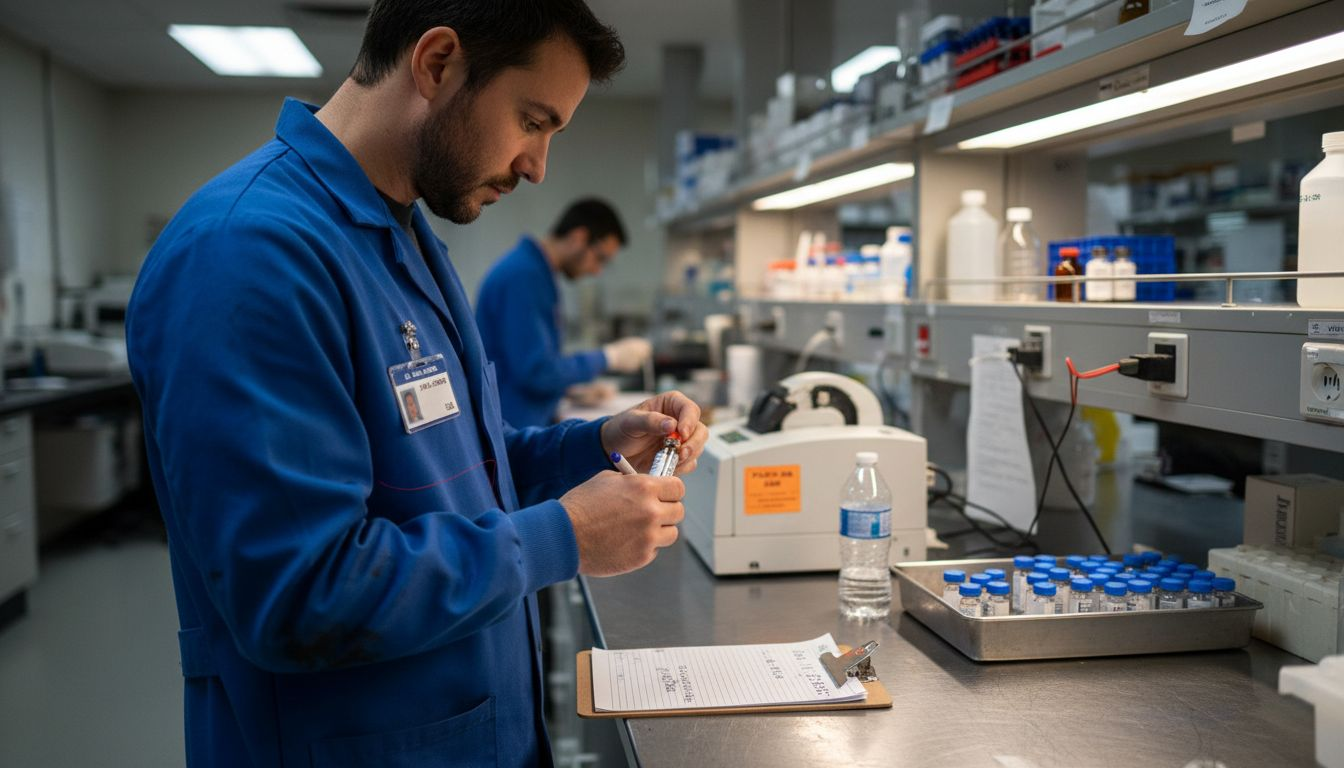
Workplace drug testing involves multiple sophisticated methods designed to detect substance use with varying levels of accuracy and detection windows. Comprehensive drug testing techniques encompass several primary approaches, each serving unique diagnostic purposes in professional settings.
Primary Drug Testing Methods:
- Urine Testing: Most common workplace screening method
- Blood Testing: Provides precise current substance concentration
- Hair Follicle Testing: Detects long-term substance use patterns
- Oral Fluid/Saliva Testing: Identifies recent drug consumption
- Breath Alcohol Testing: Measures immediate alcohol intoxication
Each testing method offers distinct advantages and limitations. Federal drug testing guidelines specify rigorous protocols to ensure accuracy, privacy, and fairness during sample collection and analysis. Urine and oral fluid tests remain the most frequently utilized techniques due to their cost-effectiveness and relatively non-invasive nature.
Detection Window Comparison:
Here is a summary of how different drug test methods impact workplaces:
| Test Method | Detection Timeframe | Workplace Use Case | Cost & Invasiveness |
|---|---|---|---|
| Urine Testing | 3-30 days | Routine pre-employment or random | Low cost, non-invasive |
| Blood Testing | Hours to days | Post-incident or for cause | Moderate cost, invasive |
| Hair Follicle Testing | Up to 90 days | Long-term abuse investigation | High cost, minimally invasive |
| Oral Fluid Testing | 24-48 hours | Recent use detection | Low cost, non-invasive |
| Breath Alcohol Test | Minutes to hours | Immediate alcohol impairment | Low cost, non-invasive |
- Breath Test: Minutes to hours
- Blood Test: Hours to days
- Oral Fluid Test: 24-48 hours
- Urine Test: 3-30 days
- Hair Follicle Test: Up to 90 days
Pro tip: Select drug testing methods that align with your specific workplace safety requirements and legal compliance standards.
Federal and State Drug Testing Laws
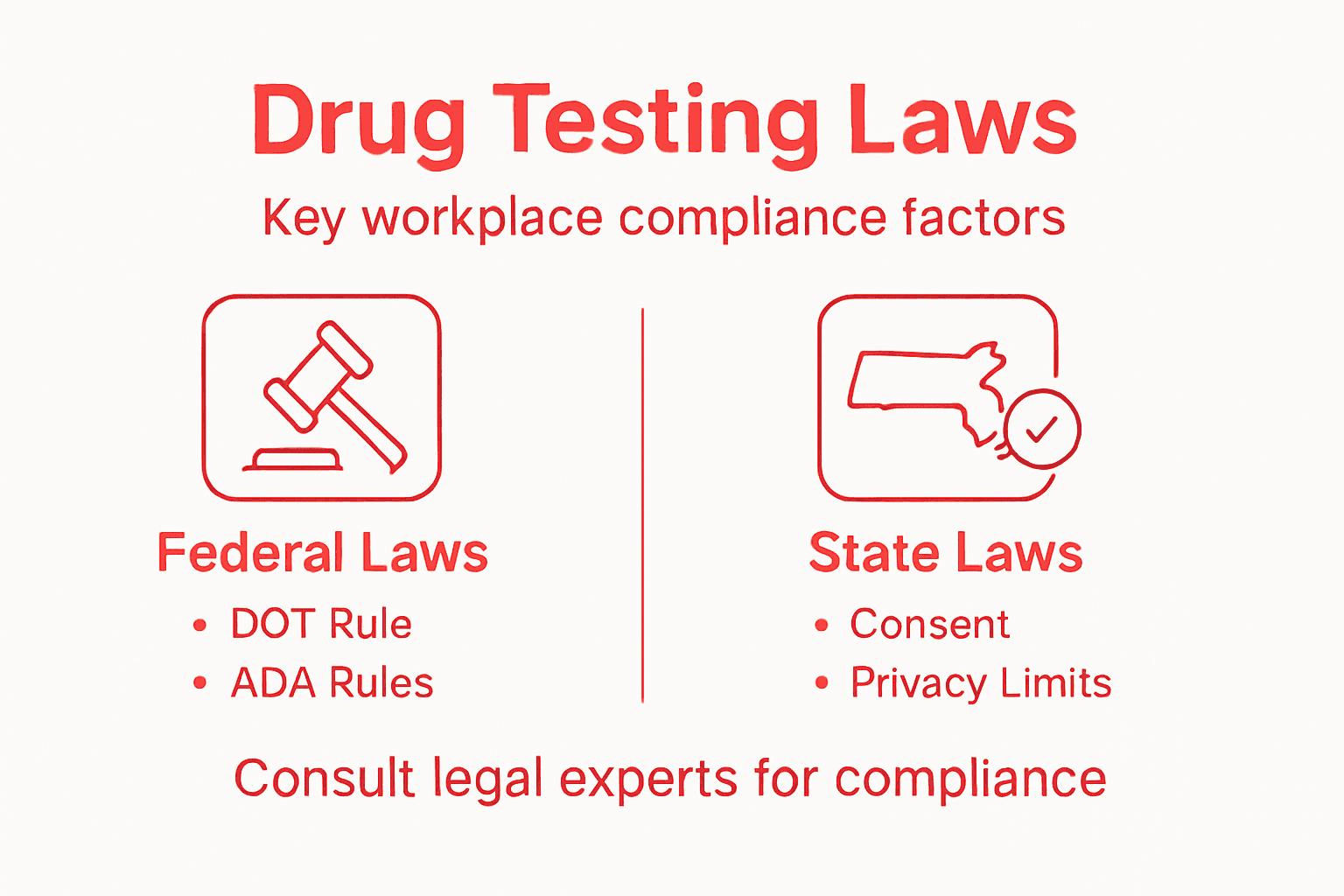
Navigating the complex landscape of drug testing regulations requires a comprehensive understanding of both federal and state legal frameworks. Federal workplace drug testing regulations establish critical guidelines that employers must carefully follow, particularly in safety-sensitive industries like transportation and healthcare.
Key Federal Regulatory Components:
- Department of Transportation (DOT) testing standards
- Substance Abuse and Mental Health Services Administration (SAMHSA) guidelines
- Mandatory scientific and technical testing protocols
- Uniform procedures for sample collection and analysis
- Privacy protection requirements
SAMHSA workplace testing guidelines create a complex intersection between federal mandates and state-level regulations. This means employers must navigate a multilayered legal environment where compliance requires understanding both national standards and local variations.
State Law Variations:
- Some states restrict random drug testing
- Certain jurisdictions require explicit employee consent
- Medical marijuana laws create additional compliance challenges
- Privacy protections differ significantly between states
- Consequences for positive tests vary by local regulations
Pro tip: Consult with legal counsel specializing in employment law to develop a drug testing policy that meets both federal requirements and state-specific regulations.
Employee Privacy and Consent Requirements
Employers must carefully balance workplace safety with individual privacy rights when implementing drug testing programs. Workplace drug testing privacy considerations demand a nuanced approach that protects both organizational interests and employee fundamental rights.
Critical Privacy Protection Elements:
- Written consent requirements
- Confidentiality of test results
- Limited disclosure of medical information
- Transparent testing procedures
- Reasonable testing justifications
Employee privacy rights legislation creates a complex framework governing how and when employers can conduct drug tests. The legal landscape requires employers to have clear, documented reasons for testing that go beyond arbitrary or discriminatory practices.
Key Consent Requirements:
- Obtain explicit written permission before testing
- Provide detailed explanation of testing procedures
- Allow employees to contest or challenge test results
- Maintain strict confidentiality of medical information
- Limit testing to job-relevant circumstances
Employers must remember that drug testing is a privilege, not an absolute right, and must be conducted with respect for individual privacy and dignity.
Pro tip: Develop a comprehensive written drug testing policy that clearly outlines consent procedures and privacy protections to minimize legal risks and employee concerns.
Employer Liabilities and Compliance Risks
Transportation industry drug testing regulations create a complex legal landscape where employers must navigate multiple compliance challenges to avoid significant financial and legal repercussions. Understanding these potential risks is crucial for developing robust drug testing protocols that protect both organizational interests and employee rights.
Primary Compliance Liability Areas:
The following table outlines the relationship between drug testing policy elements and compliance risks:
| Policy Component | Reduces Legal Risk | Supports Employee Rights |
|---|---|---|
| Confidentiality protections | Minimizes privacy violation claims | Promotes trust and transparency |
| Clear testing methodology | Defends against discrimination | Ensures fair and equal treatment |
| Employee support programs | Mitigates wrongful termination | Encourages rehabilitation efforts |
| Written consent procedures | Reduces litigation potential | Empowers informed decision-making |
- Wrongful termination lawsuits
- Discrimination claim risks
- Regulatory penalty exposures
- Privacy rights violations
- Improper testing procedure challenges
Commercial driver testing requirements demonstrate the intricate nature of workplace drug testing compliance. Employers must implement comprehensive training programs, maintain meticulous documentation, and ensure supervisors can effectively identify potential substance use indicators.
Potential Legal Risks:
- Financial penalties from regulatory non-compliance
- Costly discrimination litigation
- Potential loss of business licensing
- Reputational damage from improper testing
- Employee grievance proceedings
Proactive compliance is significantly less expensive than defending against legal challenges after the fact.
Pro tip: Develop a comprehensive written compliance strategy that includes regular legal reviews and updated training protocols to mitigate potential drug testing liability risks.
Ensure Compliance and Protect Your Workplace with Trusted Drug Testing Solutions
Legal considerations for drug testing at work present complex challenges including meeting federal and state regulations, protecting employee privacy, and maintaining accurate testing protocols. When you face these pressures, having reliable, FDA-approved testing kits and collection supplies is critical to avoid costly compliance risks and safeguard your organization’s reputation. Rapidtestcup.com specializes in providing a wide range of professional-grade drug test cups, dip cards, and specimen collection materials designed to help you implement clear, legally compliant drug testing policies with confidence.
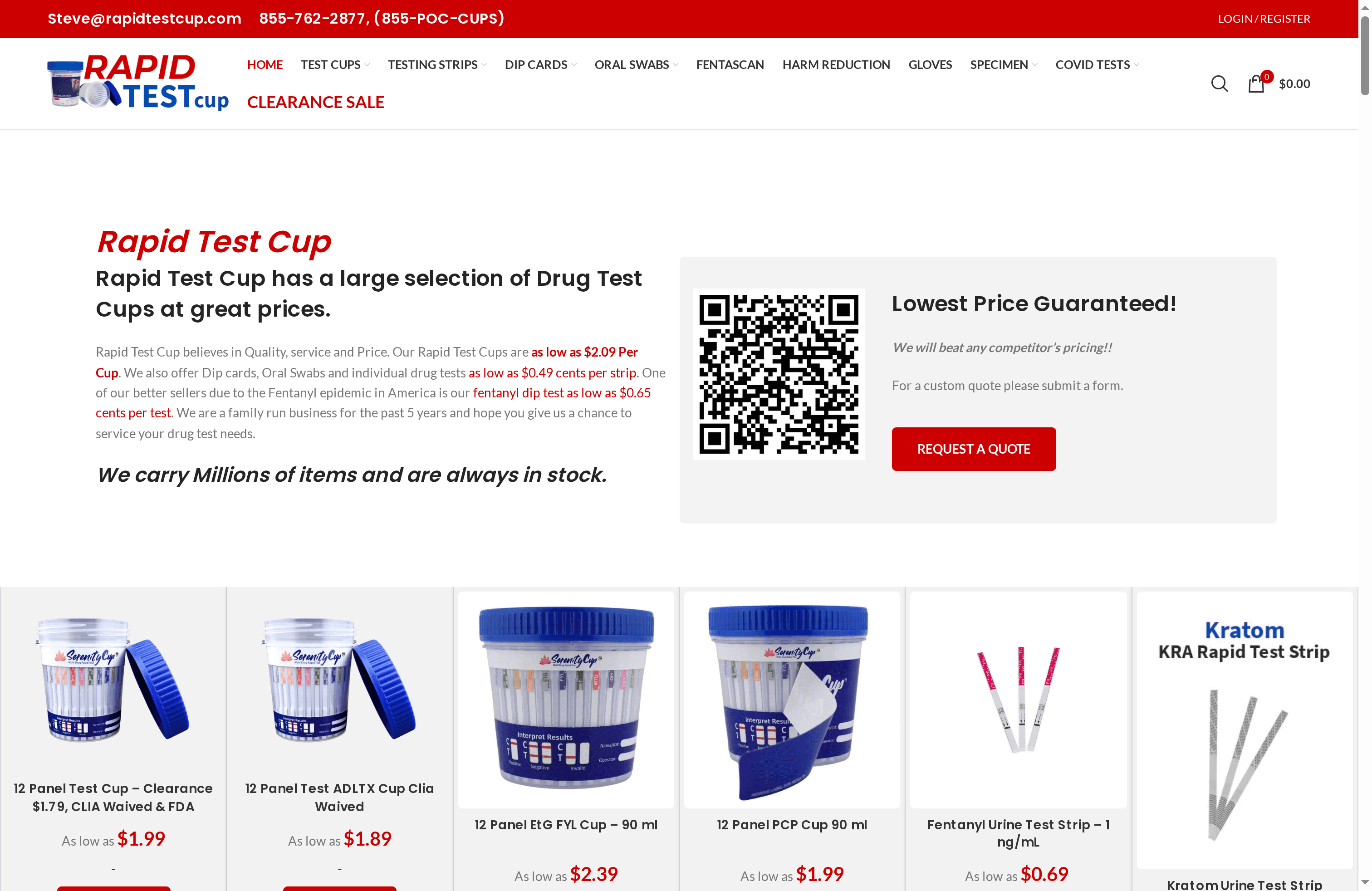
Take control of your workplace drug testing program today by choosing high-quality products that support transparency and accuracy. Whether you need solutions tailored for pre-employment screening, reasonable suspicion, or random testing, our catalog at rapidtestcup.com offers affordable bulk pricing and detailed product information to ease your decision-making. Discover how our specialized supplies help meet federal guidelines and state regulations effectively by visiting our site now and preparing your workplace for seamless compliance.
Frequently Asked Questions
What are the key legal considerations for drug testing in the workplace?
Employers must navigate federal and state laws, ensuring compliance with privacy protections, employee consent requirements, and specific regulations related to the industry.
How can employers ensure their drug testing policy complies with legal requirements?
Employers should consult legal counsel to develop comprehensive policies that align with federal regulations, state-specific laws, and privacy considerations to reduce liability risks.
What are potential legal liabilities associated with workplace drug testing?
Employers face risks such as wrongful termination lawsuits, discrimination claims, and privacy rights violations if their drug testing procedures are not properly implemented and documented.
Is employee consent necessary for drug testing at work?
Yes, obtaining explicit written consent from employees prior to conducting drug tests is essential to ensure compliance with privacy laws and to respect individual rights.