

Blog
Clinic Drug Test Workflow for Efficient Compliance


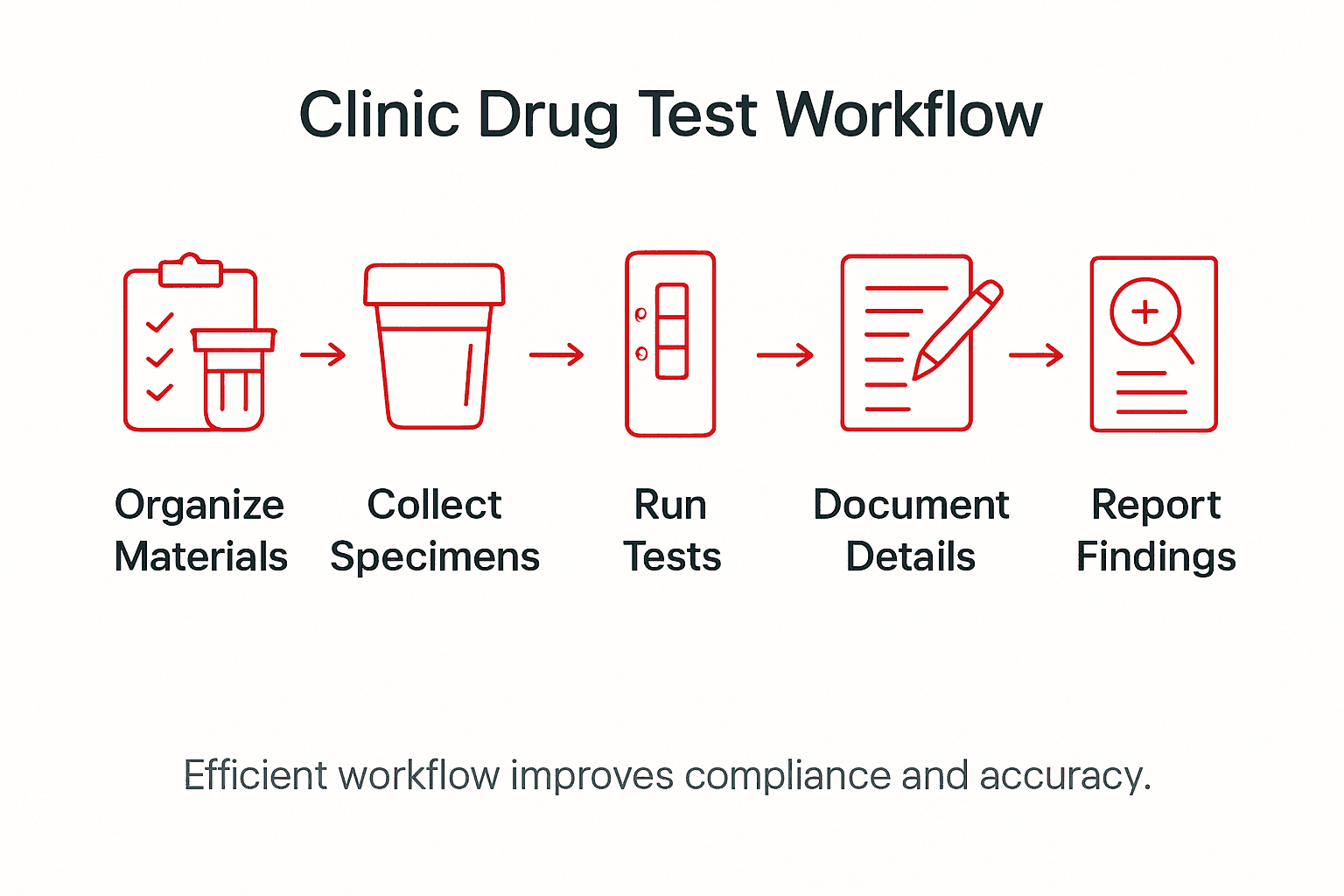
Over eighty percent of American substance abuse programs rely on clinical laboratory managers to uphold strict regulatory standards during drug testing. Managing workflows demands more than basic organization, especially with ever changing FDA guidelines. By refining each step from inventory tracking to final reporting, laboratories reduce risk, protect patient privacy, and stay ahead in compliance. This guide reveals high impact strategies tailored for American managers committed to efficient, error free drug testing protocols.
Table of Contents
- Step 1: Organize Testing Materials And Ensure Compliance
- Step 2: Collect Specimens And Document Patient Information
- Step 3: Perform Drug Testing Using Selected Kits
- Step 4: Interpret Results And Assess For Adulteration
- Step 5: Document Findings And Follow Reporting Protocols
Quick Summary
| Key Insight | Explanation |
|---|---|
| 1. Organize Testing Materials Effectively | Maintain a detailed inventory system for all testing supplies to ensure compliance and minimize errors. |
| 2. Establish Clear Collection Protocols | Use strict protocols for specimen collection, maintaining chain of custody and patient privacy during the process. |
| 3. Follow Testing Kit Procedures | Always adhere to the manufacturer’s guidelines for handling and processing specimens to ensure accurate results. |
| 4. Assess Results Thoroughly for Tampering | Conduct careful evaluations of test results for signs of specimen manipulation or tampering based on established protocols. |
| 5. Maintain Comprehensive Documentation | Ensure all test findings and procedures are meticulously documented to create legally defensible records for compliance. |
Step 1: Organize Testing Materials and Ensure Compliance
Successful drug testing starts with precise material organization and rigorous compliance protocols. Your workflow depends on methodical preparation that meets stringent regulatory standards.
Begin by creating a comprehensive inventory system for your drug testing supplies. Implementing quality management systems requires tracking every testing component from collection cups to verification documentation. Develop a standardized tracking method that records lot numbers, expiration dates, and storage conditions for all testing materials. Group supplies by type and testing panel to streamline access and minimize potential errors.
Establish clear Standard Operating Procedures (SOPs) that outline exact protocols for material handling, sample collection, and documentation. These procedures should specify precise steps for maintaining sample integrity, managing chain of custody, and ensuring accurate results. Create dedicated storage spaces with controlled temperature and humidity to preserve testing kit reliability. Implement a first in first out (FOMO) inventory rotation system to prevent using expired materials.
Pro tip: Conduct monthly audits of your testing material inventory to verify compliance and identify potential supply chain disruptions before they impact your testing workflow.
Step 2: Collect Specimens and Document Patient Information
Accurate specimen collection and comprehensive patient documentation form the critical foundation of a reliable drug testing workflow. Your approach must balance precision with patient privacy and regulatory compliance.
When collecting specimens, start by establishing a clear chain of custody protocol. Prepare all necessary documentation forms in advance, ensuring you have patient consent forms, identification verification sheets, and detailed tracking logs. Each specimen container must be labeled immediately with unique identifiers including patient name, collection date, time, and a tracking number. Use tamper evident seals and require patient and collector signatures to maintain evidentiary integrity.

Follow strict privacy protocols during the collection process. Create a confidential environment that respects patient dignity while maintaining professional standards. Verify patient identity through government issued photo identification and document all collection details meticulously. Implement a systematic method for recording specimen characteristics including color, clarity, temperature, and volume to support potential future verification.
Pro tip: Always maintain two independent documentation streams recording specimen details to create redundancy and minimize potential administrative errors.
Here’s a summary of key specimen collection challenges and how to address them:
| Challenge | Potential Risks | Best Practice Solution |
|---|---|---|
| Improper labeling | Loss of chain of custody | Implement immediate, clear labeling |
| Inadequate privacy | Breach of confidentiality | Use private, secure space for collection |
| Missed documentation fields | Loss of critical data | Use checklists and digital forms |
| Specimen adulteration | Invalid test results | Record detailed specimen characteristics |
Step 3: Perform Drug Testing Using Selected Kits
Executing drug tests requires precision, technical expertise, and strict adherence to standardized procedures. Your goal is to generate accurate results while maintaining the highest level of professional integrity.
Implementing point-of-care testing workflow packages involves carefully selecting appropriate drug test panels that match your specific screening requirements. Begin by inspecting each testing kit to verify its integrity, checking expiration dates, and ensuring all components are present and undamaged. Carefully review the manufacturer’s instructions for specific handling protocols, including recommended temperature ranges, storage conditions, and precise procedural steps.
When processing specimens, maintain a consistent and methodical approach. Wear appropriate personal protective equipment including gloves and lab coats to prevent contamination. Follow each kit’s specific instructions for specimen preparation, whether involving urine, saliva, or blood samples. Use calibrated equipment and maintain a clean workspace to minimize potential errors. Record all testing details meticulously, including kit lot numbers, testing timestamps, and initial result observations.
Pro tip: Always run parallel control tests alongside your patient specimens to validate the testing kit’s performance and confirm the reliability of your results.
Step 4: Interpret Results and Assess for Adulteration
Accurately interpreting drug test results requires a systematic approach that balances scientific precision with careful scrutiny. Your objective is to generate reliable findings while detecting potential specimen manipulation.
Ensuring accuracy in drug screening demands a comprehensive evaluation process that goes beyond simple positive or negative readings. Analyze each test result by comparing it against established reference ranges, paying close attention to unexpected color variations, unusual specimen characteristics, and subtle indicators of potential tampering. Look for suspicious signs such as abnormal pH levels, specific gravity outside normal ranges, or unexpected temperature readings that might suggest specimen substitution or chemical alteration.
Develop a standardized protocol for handling ambiguous or suspicious results. This involves cross referencing initial screening outcomes with confirmatory testing methods, reviewing chain of custody documentation, and potentially requesting a retest from a different specimen sample. When adulteration is suspected, document all observations meticulously and follow your organizations established procedures for handling potentially compromised test specimens.
Pro tip: Create a detailed decision matrix that outlines specific actions for different types of irregular test results to ensure consistent and defensible interpretation protocols.
Step 5: Document Findings and Follow Reporting Protocols
Successful drug testing workflows rely on meticulous documentation and adherence to stringent reporting standards. Your goal is to create comprehensive, legally defensible records that protect both patient privacy and organizational compliance.
Implementing standardized documentation practices requires a systematic approach to recording test results. Generate detailed reports that include all critical information such as specimen identification numbers, collection timestamps, testing methodology, panel specifics, and comprehensive result interpretations. Ensure each document contains clear annotations explaining any anomalies, potential adulteration indicators, or results requiring further investigation.
Establish a secure documentation workflow that maintains confidentiality while enabling authorized access for regulatory review. Create digital and physical backup systems that preserve original test documentation with timestamp verification. Develop a consistent reporting format that meets federal and state regulatory requirements, including protocols for communicating results to designated authorities, medical professionals, or requesting organizations. Implement a multi-tier verification process where senior laboratory personnel review and countersign critical test documentation.
Pro tip: Develop a standardized digital template with automatic validation checks to minimize human error and ensure consistent documentation across all test reporting processes.
Below is a quick reference for essential reporting standards in drug testing:
| Standard Element | Why It Matters | How to Implement |
|---|---|---|
| Unique Specimen ID | Prevents mix-ups | Barcoded or digital tracking |
| Timestamp Verification | Legal compliance | Automated logs, dual records |
| Chain of Custody Annotation | Evidentiary integrity | Written and digital signatures |
| Result Interpretation Notes | Supports review/audit | Required explanations fields |
Streamline Your Clinic Drug Test Workflow with Trusted Supplies
Efficient compliance in clinic drug testing means overcoming challenges like specimen integrity, meticulous documentation, and precise test execution. The article highlights critical pain points such as maintaining chain of custody, preventing specimen adulteration, and adhering to reporting protocols. To meet these goals, you need reliable products that support accuracy and regulatory standards every step of the way.
At RapidTestCup, we understand the demands of a professional drug testing workflow. Our selection of FDA-approved, CLIA waived drug test cups, adulteration detection kits, and specimen collection supplies makes it easier to organize, collect, and analyze samples with confidence. Whether you are managing chain of custody documentation or preventing specimen tampering, our high-quality products ensure compliance and streamline your processes without compromise.
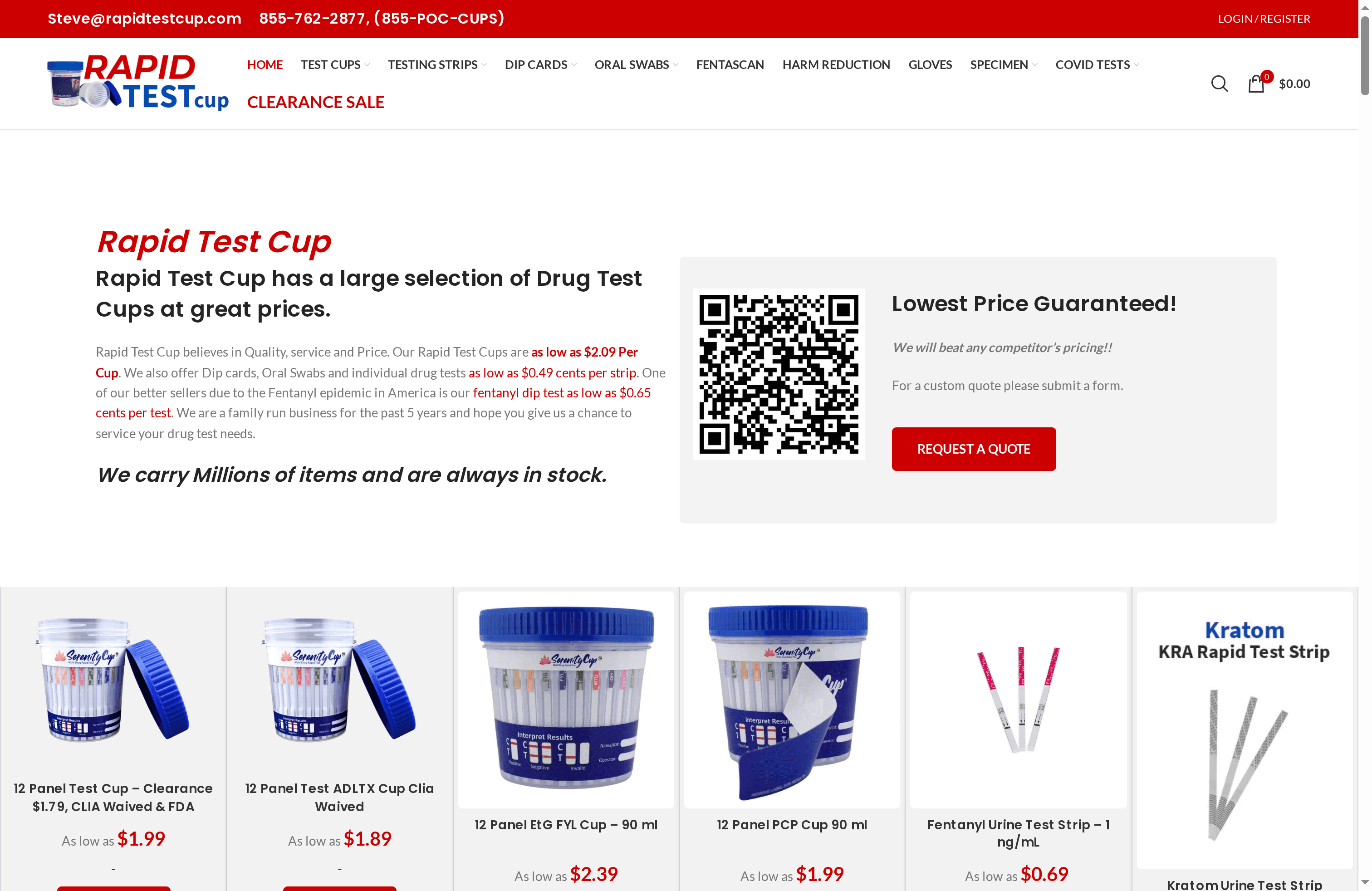
Take control of your drug testing workflow today by visiting RapidTestCup. Explore our broad catalog designed for laboratories, clinics, and substance abuse programs that require accuracy and affordability. Equip your clinic with trusted testing supplies now to safeguard patient privacy, improve testing integrity, and meet demanding compliance standards with ease.
Frequently Asked Questions
What are the initial steps for organizing drug testing materials?
Successful drug testing begins with a detailed inventory of supplies. Create a comprehensive tracking method for all components, including lot numbers and expiration dates, to streamline access and reduce errors.
How should I document patient information during specimen collection?
Accurately document patient details by using a standardized chain of custody protocol. Ensure each specimen is labeled with unique identifiers and maintain two independent documentation streams for redundancy to minimize errors.
What protocols should I follow when interpreting drug test results?
When interpreting results, closely analyze each test against established reference ranges and look for signs of possible specimen tampering. Develop a standardized procedure for handling ambiguous results, including confirmatory testing protocols.
How can I ensure compliance with reporting standards in drug testing?
To ensure compliance, implement standardized documentation practices that include unique specimen IDs and timestamp verification. Generate detailed reports that are reviewed and countersigned by senior personnel to uphold evidentiary integrity.
What best practices should I implement for maintaining testing material compliance?
Maintain compliance by conducting monthly audits of your testing material inventory. Regularly verify your supplies for adherence to expiration dates and storage conditions to avoid disruptions in your testing workflow.