
Blog
Top factors that influence drug test accuracy for pros

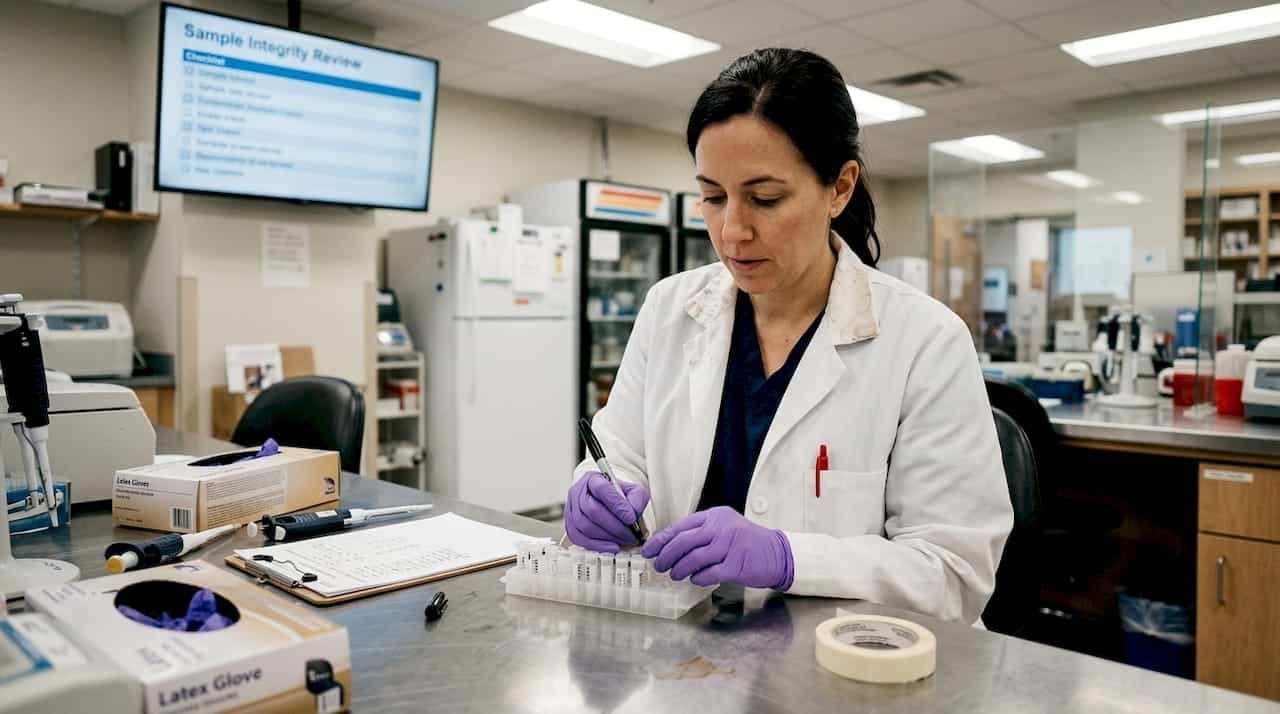
Ensuring drug test accuracy is a daily challenge for healthcare professionals, laboratory managers, and substance abuse coordinators. You rely on test results to make critical compliance and treatment decisions, yet multiple factors can compromise reliability. From assay types prone to cross-reactivity to specimen adulteration and cutoff thresholds that shift the balance between false positives and negatives, understanding what influences accuracy is essential. This article breaks down the key evaluation criteria you need to assess test performance, interpret results confidently, and select the right testing protocols for your clinical and forensic applications.
Table of Contents
- Key takeaways
- Understanding assay types and their impact on accuracy
- Importance of cutoff concentrations in test reliability
- Specimen types, adulteration, and their effects on accuracy
- Common sources of false positives and mitigation strategies
- Explore trusted drug testing solutions for compliance and accuracy
- Frequently asked questions
Key Takeaways
| Point | Details |
|---|---|
| Confirmatory MS testing | Mass spectrometry provides definitive identification and minimizes false positives for legal, clinical, and forensic decisions. |
| Immunoassay cross reactivity | Immunoassays are rapid screening tools that can produce false positives due to cross reactive substances and similar compounds. |
| Cutoffs drive accuracy | Choosing cutoff levels balances sensitivity and specificity and should align with program goals and regulatory requirements. |
| Specimen type affects reliability | The specimen type influences detection windows and test reliability, with urine being common but carrying specific risks. |
Understanding assay types and their impact on accuracy
You encounter two primary assay types in drug testing: immunoassays for initial screening and mass spectrometry for confirmation. Immunoassays deliver rapid presumptive results, making them ideal for high-volume clinical and workplace settings. However, they rely on antibody binding, which introduces cross-reactivity with structurally similar compounds. This means a positive immunoassay result doesn’t always confirm the target drug’s presence.
Mass spectrometry methods like gas chromatography-mass spectrometry (GC-MS) and liquid chromatography-tandem mass spectrometry (LC-MS/MS) offer far higher specificity and sensitivity. These techniques separate compounds by molecular structure and mass, virtually eliminating false positives. When you need definitive identification for legal, forensic, or high-stakes clinical decisions, accuracy in drug test results depends on confirmatory testing.
Common issues with immunoassays include:
- Cross-reactivity with over-the-counter medications and prescription drugs
- Structural analog interference causing false positives for amphetamines, opiates, and benzodiazepines
- Variable antibody quality affecting test-to-test consistency
- Limited ability to distinguish between drug classes or specific metabolites
For compliance or legal contexts, always confirm positive immunoassay results with mass spectrometry. This two-step approach balances cost efficiency with the clinical and legal confidence you need. Skipping confirmation risks misdiagnosis, inappropriate treatment changes, or compliance violations.
Pro Tip: Establish a protocol requiring MS confirmation for all presumptive positives in medicolegal cases, employment decisions, or when clinical findings contradict test results. This practice protects both patients and your organization from errors.
Importance of cutoff concentrations in test reliability
Cutoff concentrations define the threshold above which a test result is considered positive. These values directly influence the balance between sensitivity (detecting true positives) and specificity (avoiding false positives). Set the cutoff too low, and you’ll see false positives from passive exposure or cross-reactive substances. Set it too high, and you risk missing actual drug use.
Regulatory bodies like SAMHSA establish cutoff concentrations for federally regulated testing, but clinical and forensic applications may require different thresholds based on patient populations and program goals. Understanding these values helps you interpret results accurately and select appropriate testing protocols.
| Drug Class | SAMHSA Initial Test Cutoff (ng/mL) | Confirmation Cutoff (ng/mL) |
|---|---|---|
| Marijuana (THC) | 50 | 15 |
| Cocaine | 150 | 100 |
| Opiates | 2000 | 2000 |
| Amphetamines | 500 | 250 |
| Phencyclidine | 25 | 25 |
Lower cutoffs increase sensitivity but may trigger positives from legitimate medication use, dietary sources, or environmental exposure. Higher cutoffs reduce nuisance positives but can miss low-level use or early detection opportunities. Your choice should align with program objectives: zero-tolerance workplace policies often use lower cutoffs, while treatment monitoring may accept higher thresholds to focus on significant relapse.
Key considerations when selecting cutoffs:
- Client population characteristics and typical drug use patterns
- Regulatory requirements for your testing context
- Detection window goals relative to specimen collection timing
- Cross-reactivity profiles of your chosen assay platform
Pro Tip: Review cutoff levels quarterly with your medical review officer or laboratory director. Adjust based on false positive trends, emerging drug threats in your community, and feedback from drug testing accuracy monitoring programs.
Specimen types, adulteration, and their effects on accuracy
Specimen selection fundamentally impacts test accuracy, detection windows, and vulnerability to manipulation. Each matrix offers distinct advantages and challenges you must weigh against your program’s objectives.
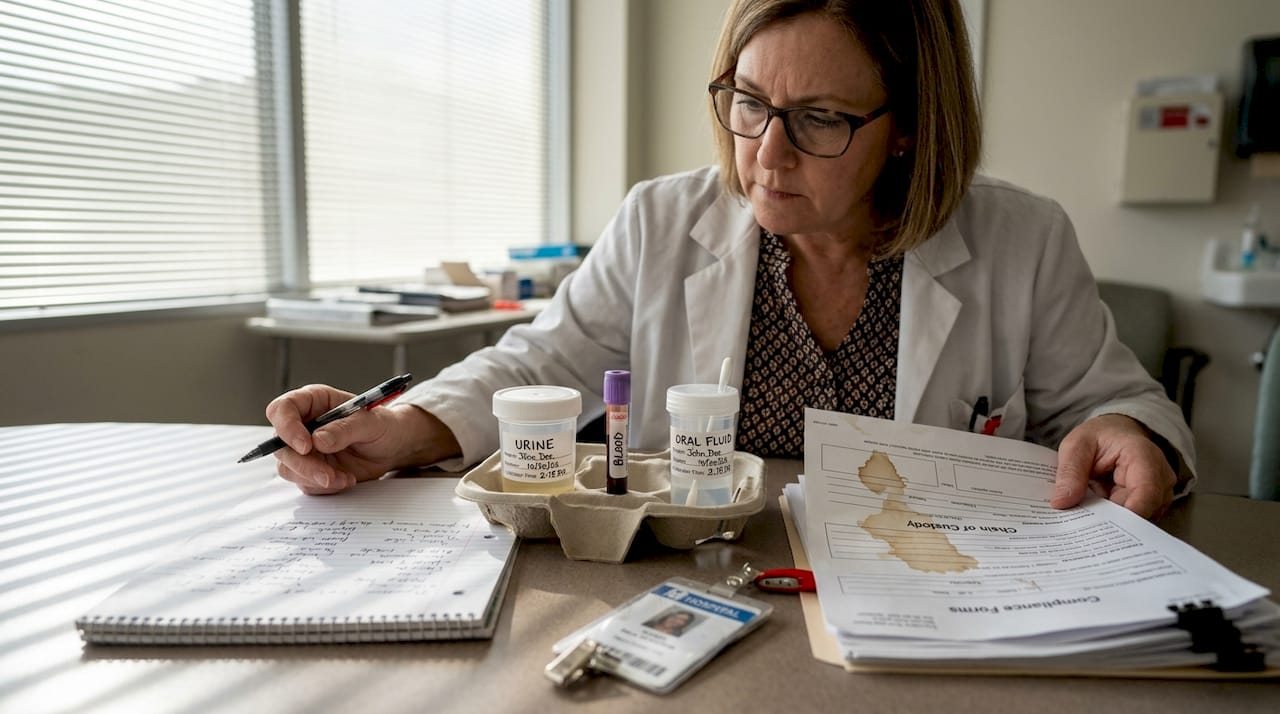
Urine remains the most common specimen for drug testing due to its long detection window, high drug concentrations, and established cutoff standards. However, urine is prone to adulteration through dilution, substitution, or chemical additives. Donors can easily access adulterants online or use simple household products to compromise sample integrity.
Blood testing provides the most accurate measure of current impairment and active drug levels. It’s ideal for post-accident investigations or clinical toxicology but requires trained phlebotomists, has a narrow detection window (hours to days), and involves invasive collection that some programs find impractical.
Oral fluid (saliva) offers noninvasive collection with direct observation to prevent tampering. It detects recent use (24 to 48 hours for most drugs) and correlates well with blood levels. The shorter detection window can be a limitation for monitoring abstinence but an advantage when assessing current impairment.
Common validity tests for urine specimens:
- Creatinine levels (below 20 mg/dL suggests dilution)
- pH measurement (outside 4.0 to 9.0 range indicates adulteration)
- Specific gravity (below 1.003 or above 1.035 flags manipulation)
- Oxidant detection (nitrites, bleach, peroxide)
- Temperature verification (90.5°F to 99.8°F within 4 minutes of collection)
To detect and mitigate adulteration:
- Implement observed or monitored collection when feasible
- Test all specimens for validity markers alongside drug panels
- Secure the collection area to prevent access to water or adulterants
- Use tamper-evident seals and strict chain of custody protocols
- Reject and retest any specimen with invalid characteristics
Pro Tip: Consider multi-matrix testing for high-risk populations. Pairing urine (long detection window) with oral fluid (recent use) provides comprehensive coverage and makes adulteration significantly harder. Interpreting urine drug test results becomes more reliable when validity testing is routine.
Common sources of false positives and mitigation strategies
False positives undermine clinical decisions and can have serious consequences for patients in treatment or employees facing disciplinary action. You need to recognize common triggers and implement strategies to distinguish true positives from cross-reactive results.
Medications are the leading cause of false positives. Pseudoephedrine and other decongestants trigger amphetamine assays. Ibuprofen and naproxen can cause false positives for marijuana and barbiturates. Quinolone antibiotics interfere with opiate testing. Proton pump inhibitors like pantoprazole cross-react with THC immunoassays.
Dietary sources also contribute. Poppy seeds contain trace morphine and codeine, causing opiate false positives that can persist for days after consumption. Hemp-derived CBD products may contain enough THC to trigger marijuana tests despite being legally sold. Coca tea produces cocaine metabolites detectable in urine.
| Drug Class Tested | Common False Positive Triggers | Recommended Confirmation |
|---|---|---|
| Amphetamines | Pseudoephedrine, bupropion, trazodone, ranitidine | GC-MS or LC-MS/MS to distinguish methamphetamine from analogs |
| Opiates | Poppy seeds, quinolone antibiotics, rifampin | MS confirmation with specific metabolite identification |
| Marijuana (THC) | Ibuprofen, naproxen, pantoprazole, efavirenz | LC-MS/MS for THC-COOH metabolite |
| Benzodiazepines | Sertraline, oxaprozin | MS with specific benzodiazepine identification |
| Cocaine | Coca tea, topical anesthetics | GC-MS for benzoylecgonine metabolite |
Structural analog interference occurs when compounds share similar molecular features with target drugs. This is particularly problematic for amphetamine assays, where numerous legal medications and supplements trigger antibody binding. Only mass spectrometry can reliably differentiate these compounds.
Strategies to reduce false positives:
- Obtain detailed medication and supplement histories before testing
- Set appropriate cutoff levels based on your population and goals
- Require MS confirmation for all presumptive positives before taking action
- Educate donors about dietary and medication sources of false positives
- Use medical review officers to interpret results with clinical context
Collaborative interpretation is essential. Medical review officers review positive results against patient histories, prescription records, and clinical presentations. This context prevents inappropriate actions based on false positives and ensures false positives in drug tests don’t compromise patient care or employment decisions. Never act on a presumptive positive alone when consequences are significant.
Explore trusted drug testing solutions for compliance and accuracy
When you need reliable drug testing products that support accurate clinical and compliance decisions, RapidTestCup offers a comprehensive range designed for healthcare and laboratory professionals. Our test cups and strips combine ease of use with built-in adulterant detection, helping you identify specimen manipulation that could compromise results.
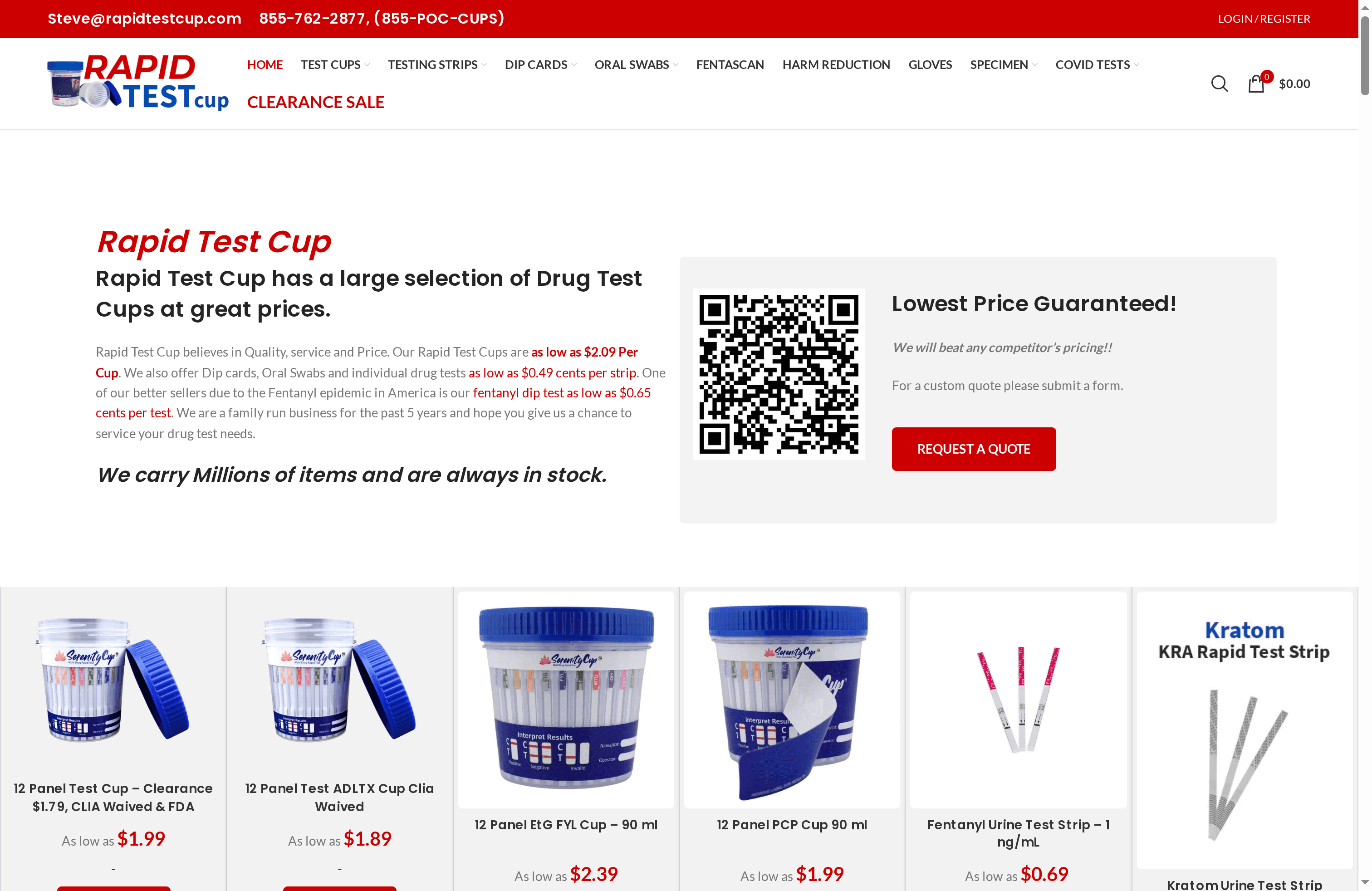
Explore options like the 12 panel ADLTX cup with integrated validity testing, the 22 panel drug test with adulterants and zaza for comprehensive screening including emerging substances, or the 15 panel drug test with adulterants for balanced coverage with specimen integrity assurance. Each product is CLIA waived and FDA approved, supporting the accuracy standards your programs demand while streamlining workflow in high-volume settings.
Frequently asked questions
What factors most affect drug test accuracy?
Assay type is the primary factor, with immunoassays prone to cross-reactivity and mass spectrometry providing definitive identification. Cutoff concentrations, specimen type and integrity, and potential for false positives from medications or foods also significantly impact reliability. Always confirm presumptive positives with MS for compliance decisions.
How do false positives occur in drug testing?
False positives result from cross-reactivity when immunoassay antibodies bind to structurally similar compounds like medications, supplements, or food components. Common triggers include decongestants for amphetamines, ibuprofen for THC, and poppy seeds for opiates. Labs confirm results using mass spectrometry to eliminate these interferences and identify specific drugs.
Which specimen type provides the most accurate drug test results?
Blood offers the most accurate measure of current impairment and active drug levels but has a narrow detection window. Urine provides longer detection (days to weeks) with established standards but requires validity testing to detect adulteration. Oral fluid prevents tampering through observed collection but detects only recent use. Choose based on your program’s detection window needs and confirmatory drug testing capabilities.
How does specimen adulteration impact test accuracy?
Adulteration through dilution, substitution, or chemical additives can produce false negatives by reducing drug concentrations below cutoff levels or interfering with assay chemistry. Validity testing for creatinine, pH, specific gravity, and oxidants detects most adulteration attempts. Observed collection and tamper-evident seals provide additional protection for high-stakes testing.
Why is confirmatory testing essential for accurate drug test interpretation?
Confirmatory testing with mass spectrometry eliminates cross-reactivity that causes false positives in immunoassays. It provides definitive identification of specific drugs and metabolites with legal-grade accuracy, essential for compliance decisions, employment actions, or treatment changes. Medical review officers use confirmed results with clinical context to ensure accurate interpretation and appropriate patient care.