Blog
Drug Test Myths Debunked: 99% Accuracy & Facts for 2026


Drug testing myths spread rapidly, confusing employers and professionals about accuracy and procedures. One persistent myth claims that drug tests are unreliable and easy to manipulate, yet modern tests achieve approximately 99% accuracy when properly administered. This article debunks five common myths with scientific evidence and legal insights, equipping you to make informed drug testing decisions. You will learn what really works, what fails, and how to correctly interpret results across different testing methods.
Table of Contents
- How to Choose the Right Drug Test: Key Selection Criteria
- Myth Debunked: Drinking Water Will Not Help Beat a Urine Test
- Myth Debunked: Secondhand Smoke Will Not Cause a Positive Result
- Types of Drug Tests and Their Implications
- Myth Debunked: Detox Products and Cheating Attempts Are Ineffective
- Legal and Privacy Considerations in Drug Testing
- Summary Comparison and Situational Recommendations
- Discover Trusted Drug Testing Solutions at RapidTestCup
- Frequently Asked Questions About Drug Test Myths
Key Takeaways
| Point | Details |
|---|---|
| Drug tests are highly accurate | Modern tests deliver about 99% accuracy but false positives/negatives can occur due to medications and procedural errors. |
| Water dilution triggers retesting | Labs detect diluted samples through creatinine and specific gravity tests, flagging suspicious results for retesting. |
| Secondhand smoke rarely causes positives | Passive marijuana exposure fails to meet threshold levels except in extreme enclosed environments with heavy prolonged contact. |
| Detox products lack scientific validation | Commercial detox kits cannot reliably eliminate drug metabolites, and labs detect adulterants and tampering attempts. |
| Legal protections govern testing | Informed consent, job relevance, and privacy regulations protect employees during workplace drug testing programs. |
How to Choose the Right Drug Test: Key Selection Criteria
Selecting the appropriate drug test requires understanding multiple factors that directly impact accuracy and validity. When choosing a testing method, you must evaluate accuracy rates, detection windows, tampering safeguards, legal compliance, and cost considerations. These criteria determine whether your testing program achieves its safety and compliance objectives.
No drug test is 100% accurate; false positives and negatives can occur due to various factors like medication interactions and improper collection procedures. Understanding these limitations helps you select tests that minimize errors while meeting your specific needs. Modern tests incorporate multiple verification steps to enhance reliability, but you must still account for potential variability.
Detection windows vary significantly between test types, affecting which method suits your timing requirements. Urine tests typically detect drugs for 1 to 7 days after use, while hair tests extend detection up to 90 days. Saliva tests capture recent use within hours to days, and blood tests provide the most immediate results but with the shortest overall window.
Sample collection procedures now include sophisticated adulterant detection measures like creatinine levels, pH testing, and temperature verification. These safeguards prevent tampering attempts and ensure sample integrity. When selecting a test, verify it includes multiple adulterant checks to maintain result validity.
Legal and privacy compliance protects your organization from litigation risks. Federal regulations and state laws mandate informed consent, limit testing scope to job relevant concerns, and restrict data sharing. Your testing program must align with Department of Transportation requirements if applicable, and respect employee privacy rights throughout the process.
Cost and accessibility considerations differ across workplace, clinical, and individual contexts. Workplace programs often prioritize cost effective urine tests for routine screening. Clinical settings may require more expensive hair or blood tests for comprehensive assessments. Individuals seeking personal testing typically choose rapid, affordable options with quick results.
Pro Tip: Review your guide to selecting drug test kits before purchasing to match test type with detection window needs and budget constraints. Confirm the test includes adulterant detection and meets accuracy standards for clinical applications.
Key selection criteria include:
- Accuracy rates between 95% and 99% depending on test type and laboratory procedures
- Detection windows ranging from hours to 90 days based on sample type
- Built in tampering safeguards including creatinine, pH, and temperature checks
- Legal compliance with federal and state consent and privacy regulations
- Cost efficiency balanced against accuracy needs and testing volume requirements
Myth Debunked: Drinking Water Will Not Help Beat a Urine Test
Overhydration before a urine drug test ranks among the most common attempted cheating methods, yet it consistently fails due to modern laboratory detection measures. Excessive water intake dilutes urine, lowering creatinine and specific gravity levels below normal physiological ranges. Labs detect dilution by testing creatinine levels and specific gravity, making overhydration ineffective as a passing strategy.
When laboratories receive samples with abnormal dilution parameters, they flag them as suspicious or invalid. Standard protocols define specific gravity below 1.003 and creatinine below 20 mg/dL as indicators of intentional dilution. These thresholds ensure that naturally diluted samples from medical conditions are distinguished from deliberate tampering attempts. Flagged samples prompt immediate retesting or alternative testing methods like hair or blood analysis.
Diluted samples commonly result in failed or delayed results rather than passing scores. Employers and testing facilities treat diluted samples as refusals to test, triggering the same consequences as positive results. Some programs require direct observation for retest collections, eliminating any opportunity for further manipulation.
Overhydration carries serious health risks beyond testing consequences. Water intoxication, or hyponatremia, occurs when excessive fluid intake dilutes blood sodium levels. Symptoms include nausea, headaches, confusion, and in severe cases, seizures or death. Attempting to beat a test through dilution puts your health at significant risk without improving your chances of passing.
Pro Tip: If you need to understand drug testing dilution detection methods, focus on maintaining natural hydration levels before testing. Labs use multiple verification points, and dip card tests now include adulterant strips that immediately detect abnormal samples.
Why water dilution fails:
- Creatinine and specific gravity measurements flag diluted samples instantly
- Diluted samples receive the same treatment as positive results or refusals
- Retesting under observation eliminates repeated tampering opportunities
- Health risks from water intoxication outweigh any perceived testing benefit
- Modern adulterant detection makes dilution attempts obvious to laboratory technicians
Myth Debunked: Secondhand Smoke Will Not Cause a Positive Result
Concerns about secondhand marijuana smoke causing positive drug tests persist despite scientific evidence showing otherwise. Secondhand marijuana smoke exposure is extremely unlikely to produce a positive drug test unless in an enclosed space with heavy, prolonged exposure. Typical passive exposure scenarios, such as being near someone smoking outdoors or in ventilated areas, do not generate THC concentrations sufficient to trigger standard testing thresholds.
Modern drug tests set cutoff levels specifically to distinguish active use from passive exposure. The standard THC threshold of 50 ng/mL requires direct consumption to reach positive levels. Only continuous heavy exposure in small, enclosed, unventilated spaces for extended periods may potentially yield detectable THC metabolites, and even then, levels rarely exceed confirmation thresholds.
Laboratory confirmation testing uses lower cutoff levels of 15 ng/mL to verify initial positive results. This two stage process discriminates between passive exposure and intentional use by analyzing metabolite ratios and concentration patterns. Confirmatory tests like gas chromatography mass spectrometry identify specific THC metabolites produced only through active consumption, not passive inhalation.
Workplace testing standards account for these scientific realities by setting thresholds well above passive exposure levels. If you work in environments where marijuana use occurs, document your non participation and request confirmatory testing if an initial screen returns positive. Legal considerations for drug testing protect employees from false accusations based on environmental exposure.
Understanding differences between drug test types helps clarify why secondhand exposure rarely causes issues. Urine tests measure metabolites that require body processing, not airborne THC particles. Saliva tests detect recent direct use, and hair tests require systemic drug circulation that passive exposure cannot produce.
Why secondhand smoke does not cause positive results:
- Standard 50 ng/mL cutoff levels require active consumption to exceed thresholds
- Typical passive exposure generates THC levels below 5 ng/mL, far below testing minimums
- Confirmatory testing distinguishes metabolite patterns from active use versus passive exposure
- Two stage testing protocols eliminate false positives from environmental contact
- Workplace standards specifically account for passive exposure scenarios in threshold setting
Types of Drug Tests and Their Implications
Understanding the four major drug test types helps you select the method that best matches your detection needs, budget, and timeline. Each testing method offers distinct advantages and limitations based on detection windows, sample collection procedures, accuracy levels, and cost considerations. Selecting the appropriate test type directly impacts program effectiveness and reliability.
Urine tests represent the most common and cost effective screening method. They detect drug use within approximately 1 to 7 days after consumption, depending on the substance and usage frequency. Urine collection is non invasive, results arrive quickly, and laboratories have decades of standardized protocols ensuring consistent accuracy. This combination makes urine testing ideal for routine workplace screening and probation monitoring.
Hair tests detect drug use up to 90 days before sample collection, providing the longest detection window available. However, hair testing costs significantly more than urine tests and requires several days for laboratory analysis. Hair tests cannot detect very recent use within the past week, and external contamination remains a concern despite washing protocols. Use hair tests when historical use patterns matter more than immediate detection.
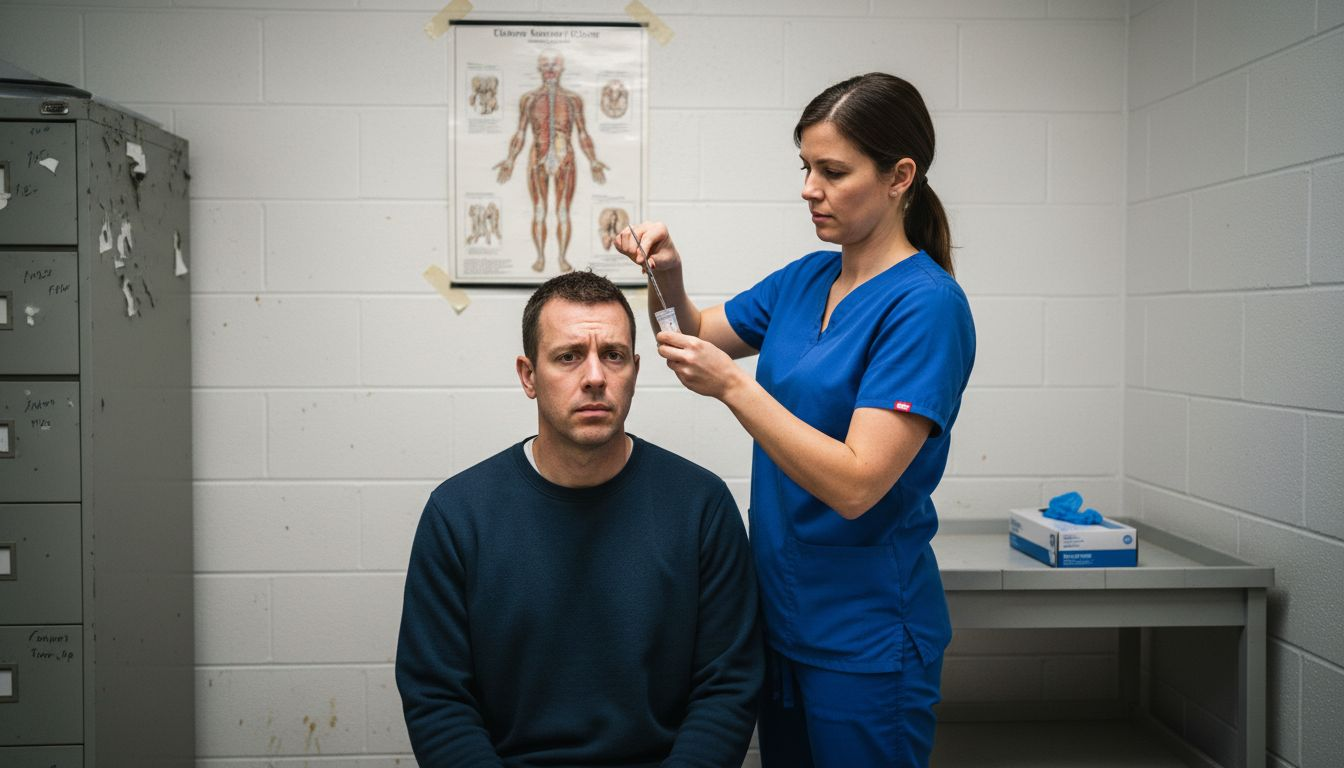
Saliva tests detect recent drug use within hours to 2 days after consumption. These tests are quick, non invasive, and difficult to adulterate, making them valuable for post accident testing and reasonable suspicion scenarios. Saliva collection occurs under direct observation, eliminating substitution concerns. The short detection window limits saliva testing to situations requiring immediate use confirmation.
Blood tests provide the most accurate and direct measurement of active drug presence in the system. They detect substances within hours to 1 day after use, offering precise quantification for impairment assessment. However, blood testing requires invasive collection by trained phlebotomists, costs substantially more than other methods, and has limited workplace application due to these factors. Reserve blood tests for legal proceedings or medical evaluations requiring absolute precision.
| Test Type | Detection Window | Sample Type | Cost Level | Key Advantages | Main Limitations |
|---|---|---|---|---|---|
| Urine | 1 to 7 days | Urine | Low | Cost effective, fast results, standardized | Moderate privacy concerns, tampering possible |
| Hair | Up to 90 days | Hair follicle | High | Longest window, hard to tamper | Expensive, slow results, no recent detection |
| Saliva | Hours to 2 days | Oral fluid | Medium | Non invasive, hard to cheat, quick | Very short window, higher cost than urine |
| Blood | Hours to 1 day | Blood draw | Very High | Most accurate, quantifiable | Invasive, expensive, requires trained collector |
Comparing drug test types and their differences reveals that no single method suits every situation. Workplace programs typically combine urine tests for routine screening with saliva tests for incident response. Understanding multi panel drug tests and how drug test strips work further refines your selection process.
Test type selection factors:
- Match detection window to your monitoring timeline needs
- Balance accuracy requirements against budget constraints
- Consider collection complexity and staff training requirements
- Evaluate tampering risks and available countermeasures
- Assess legal and regulatory requirements for your industry
Myth Debunked: Detox Products and Cheating Attempts Are Ineffective
Commercial detox kits promise to cleanse your system before drug tests, but these products lack scientific validation and consistently fail to guarantee passing results. Manufacturers market detox drinks, pills, and additives claiming to flush drug metabolites from your body within hours or days. No peer reviewed research supports these effectiveness claims, and most products simply cause temporary urine dilution that laboratories immediately detect.
Laboratories test for adulterants, sample substitutions, and abnormal urine chemistry as standard procedure. Testing panels include checks for oxidizing agents, nitrites, glutaraldehyde, and other common adulterant chemicals found in masking products. Temperature strips on collection cups verify samples fall within the 90 to 100 degree Fahrenheit range expected from fresh urine. Creatinine, pH, and specific gravity measurements flag samples altered by detox products or dilution attempts.
Home remedies like excessive vitamins, cranberry juice, or vinegar fail to reliably clear drugs from your system. These methods either produce diluted samples that labs reject or add detectable chemicals that invalidate results. Some remedies create dangerous health effects without improving test outcomes. Your body metabolizes and eliminates drugs at fixed biological rates that home remedies cannot significantly accelerate.
Tampering attempts lead to serious legal and workplace consequences beyond simple test failure. Most employment agreements and testing consent forms classify tampering as grounds for immediate termination. Legal testing programs treat adulterant detection as criminal evidence tampering in some jurisdictions. The risks of attempting to cheat far exceed any perceived benefits, especially given high detection rates.
Reliable drug testing involves multi step laboratory verification protocols that eliminate false negatives from tampering. Initial immunoassay screening identifies potential positives, then confirmatory gas chromatography mass spectrometry testing verifies results with extreme precision. This two stage approach catches attempts to mask drug presence while protecting against false accusations. Understanding adulterants’ impact on drug tests and lab safeguards against cheating reveals why manipulation attempts consistently fail.
Why detox products and cheating fail:
- No scientific evidence supports detox product effectiveness claims
- Labs routinely test for common adulterant chemicals and substitution attempts
- Dilution from detox drinks triggers immediate sample rejection
- Tampering detection carries consequences equivalent to positive results
- Multi step laboratory verification catches masking attempts while preventing false negatives
Legal and Privacy Considerations in Drug Testing
Drug testing programs must comply with federal and state laws protecting employee privacy and ensuring fair treatment. Testing requires informed consent according to legal frameworks governing workplace drug policies. Employees must receive advance notice of testing policies, understand what substances are tested, and consent to participation before sample collection occurs. Consent forms must clearly explain consequences of positive results and employee rights throughout the process.
The scope of testing must relate directly to job duties and legitimate safety concerns. Department of Transportation regulations mandate testing for safety sensitive positions, but employers cannot test arbitrarily for positions unrelated to public safety. Testing programs should focus on substances that impair job performance rather than conducting broad screens without justification. Job relevance standards protect employees from invasive testing unconnected to workplace safety.
Employers must balance maintaining safe work environments with respecting employee privacy rights. Legal and privacy protections limit when, how, and why testing occurs. Random testing programs require documented safety justifications and consistent application across employee groups. Post accident testing must occur promptly and apply objective criteria rather than targeting specific individuals.
Proper procedures reduce liability exposure and protect individual rights throughout the testing process. Chain of custody documentation tracks samples from collection through analysis, ensuring result integrity. Confidential handling of test results limits access to personnel with legitimate need to know. Medical review officers evaluate positive results for legitimate prescription medications before reporting to employers. These safeguards create fair processes that withstand legal challenges.
Federal and state regulations establish clear frameworks governing workplace drug testing, requiring informed consent, limiting test scope to job relevant safety concerns, and protecting employee privacy through confidential handling and medical review of results.
Understanding legal considerations in drug testing and privacy protections ensures your program complies with applicable laws. Workplace drug testing benefits must be balanced against employee rights to create sustainable programs.
Legal and privacy requirements include:
- Written informed consent obtained before any testing occurs
- Testing scope limited to job relevant safety concerns and positions
- Confidential result handling with restricted access to authorized personnel only
- Medical review officer evaluation of positives for legitimate prescriptions
- Consistent policy application across all employee groups and situations
Summary Comparison and Situational Recommendations
Comparing drug test characteristics side by side clarifies which method suits your specific needs. Cost, detection window, sample type, and reliability vary significantly across testing methods, making selection dependent on your priorities and constraints. The following comparison helps you match test type to situation.
| Test Type | Cost | Detection Window | Sample Collection | Reliability | Best Use Case |
|---|---|---|---|---|---|
| Urine | $10 to $50 | 1 to 7 days | Moderate privacy | 95 to 99% | Routine workplace screening |
| Hair | $100 to $150 | Up to 90 days | Simple, non invasive | 90 to 95% | Historical use patterns |
| Saliva | $20 to $75 | Hours to 2 days | Very simple | 95 to 98% | Recent use, post accident |
| Blood | $200+ | Hours to 1 day | Invasive, trained staff | 99%+ | Legal cases, impairment proof |
Contrasting common myths with scientific facts reveals the importance of evidence based decision making. Understanding reality versus misconception prevents wasted resources on ineffective strategies.
| Common Myth | Scientific Fact |
|---|---|
| Drinking water beats urine tests | Labs detect dilution through creatinine and specific gravity tests |
| Detox products cleanse your system | No scientific validation; labs detect adulterants immediately |
| Secondhand smoke causes positives | Passive exposure rarely reaches threshold levels |
| Drug tests are unreliable | Modern tests achieve 95 to 99% accuracy with confirmation |
| You can substitute samples undetected | Temperature checks and observation protocols prevent substitution |
Situational recommendations guide you toward appropriate testing methods. For routine workplace screening, implement urine tests as your primary method due to cost effectiveness and adequate detection windows. Top urine drug test kits offer reliable results at accessible price points for regular monitoring programs.
When investigating historical drug use patterns, select hair tests despite higher costs. Hair testing reveals substance use over months rather than days, providing comprehensive use histories. This method suits pre employment screening for positions requiring demonstrated long term sobriety or probation monitoring with extended accountability.
For detecting very recent use after workplace accidents or reasonable suspicion situations, choose saliva tests. The short detection window captures impairment timeframes without revealing off duty use from weeks prior. Saliva collection occurs under direct observation, eliminating substitution risks.
Reserve blood tests for situations requiring absolute precision and legal defensibility. Medical evaluations, driving under the influence cases, and legal proceedings justify the expense and invasiveness of blood testing. Never rely on detox products or cheating methods, as laboratory safeguards detect these attempts with extremely high success rates.
Consult your guide to selecting drug test kits before finalizing testing program decisions. Evidence based selection matched to your specific needs creates effective programs while avoiding costly mistakes.
Key recommendations by situation:
- Routine workplace programs should prioritize cost effective urine tests with adulterant detection
- Historical use investigation requires hair tests despite higher expense
- Post accident and reasonable suspicion testing benefits from rapid saliva tests
- Legal proceedings and impairment proof demand blood test precision
- Never trust detox products or cheating methods given laboratory safeguard effectiveness
Discover Trusted Drug Testing Solutions at RapidTestCup
Now that you understand drug testing myths and realities, access reliable testing products that deliver accurate results you can trust. RapidTestCup offers FDA approved, CLIA waived drug test kits with built in adulterant detection, ensuring sample integrity and result validity. Our comprehensive product range serves workplace programs, clinical facilities, law enforcement agencies, and individuals requiring dependable testing solutions.
Explore our top urine drug test kits comparison to find options matching your detection panel and budget needs. Our drug test kits selection guide walks you through choosing appropriate tests based on substances, timing, and application requirements. For comprehensive screening with maximum protection, consider our 18 panel drug test cup with adulterants detecting both drugs and tampering attempts in a single integrated device. Make confident, scientifically backed drug testing decisions with products designed for accuracy and compliance.
Frequently Asked Questions About Drug Test Myths
Can prescription medications cause false positive drug test results?
Yes, certain prescription medications can trigger initial positive screens, but confirmatory testing distinguishes legitimate medications from illicit drugs. Medical review officers evaluate positive results by reviewing prescription records before reporting to employers. Always disclose prescribed medications to the testing facility before sample collection to ensure proper result interpretation and avoid unnecessary complications. Learn more about drug testing accuracy and confirmation procedures.
Will shaving my head prevent hair follicle drug testing?
Shaving your head does not prevent hair testing, as collectors can obtain samples from body hair on arms, legs, or chest. Body hair provides the same detection capabilities as head hair, though with slightly different growth rate calculations. Arriving at a test with all body hair recently removed raises immediate suspicion and may result in refusal to test consequences. Privacy protections during drug testing apply regardless of sample collection method.
Do over the counter supplements affect urine drug test results?
Most over the counter supplements do not cause false positives on standard drug tests. However, supplements containing hemp seed oil or poppy seeds can occasionally trigger initial positive screens for THC or opiates respectively. Confirmatory testing eliminates these false positives by identifying specific metabolite patterns. Disclose supplement use to medical review officers if a positive result occurs, and request confirmatory analysis to verify results.
What legal protections do employees have during random drug testing?
Employees have rights to informed consent, privacy during collection, confidential result handling, and medical review of positive results before employer notification. Testing programs must apply consistently across employee groups and relate to legitimate safety concerns. State laws vary regarding random testing legality, so consult local regulations governing workplace testing in your jurisdiction. Proper procedures protect both employer interests and employee rights throughout the process.
How can employers detect and prevent drug test tampering attempts?
Employers prevent tampering through observed collections, temperature verification, adulterant testing strips, and laboratory analysis of sample validity markers. Modern test cups include built in checks for creatinine, pH, specific gravity, and oxidizing agents. Chain of custody procedures track samples from collection through analysis, documenting any irregularities. Training collection staff on proper protocols and using multi panel tests with adulterant detection creates robust safeguards against manipulation attempts.
Are instant drug tests as accurate as laboratory tests?
Instant drug tests provide preliminary screening results with 95 to 98% accuracy, but positive results should be confirmed by laboratory analysis for legal or employment decisions. Instant tests use the same immunoassay technology as laboratory initial screens but lack the confirmatory gas chromatography mass spectrometry step. Use instant tests for immediate decision making in non punitive contexts, then send positive samples to laboratories for confirmation before taking adverse employment actions.