
Blog
Guide to Selecting Drug Test Kits for Accurate Results


Managing a substance abuse program often means navigating the challenge of balancing participant privacy, program integrity, and strict compliance demands. Accurate and affordable drug test kits are a cornerstone of reliable patient monitoring, but ensuring best practices requires more than just product selection. This guide highlights key strategies for building a robust drug testing protocol that supports informed decision making, compliance with regulatory standards, and consistent patient outcomes for dedicated healthcare professionals across the United States and Canada.
Table of Contents
- Step 1: Assess Program Requirements And Testing Frequency
- Step 2: Identify Targeted Substances And Panel Options
- Step 3: Compare Product Certifications And Compliance Standards
- Step 4: Evaluate Supplier Reliability And Support
- Step 5: Verify Kit Accuracy With Sample Testing
- Step 6: Implement Ongoing Quality Checks And Documentation
Quick Summary
| Key Insight | Explanation |
|---|---|
| 1. Establish a strategic testing framework | Design testing protocols that are flexible and scientifically informed by evaluating participant risk and program goals. |
| 2. Select appropriate drug testing panels | Tailor your testing panel to detect relevant substances based on program needs, demographics, and current drug trends. |
| 3. Ensure compliance with product certifications | Verify drug test kit certifications like ISO and FDA to ensure reliability and adherence to quality standards. |
| 4. Evaluate supplier reliability thoroughly | Assess potential suppliers on quality control, regulatory compliance, and the support they offer for consistent performance. |
| 5. Implement ongoing quality checks | Maintain rigorous quality management and documentation processes to ensure test accuracy and compliance with regulations. |
Step 1: Assess program requirements and testing frequency
Understanding how to develop a strategic drug testing approach requires careful evaluation of program requirements and testing schedules. Healthcare professionals must design testing protocols that balance comprehensive monitoring with practical implementation, using scientific guidelines to inform decision making.
When establishing your testing framework, start by reviewing recommended guidelines from authoritative sources like the World Anti-Doping Agency’s testing guidelines. Their research suggests creating a risk-based testing strategy that considers multiple factors such as participant history, program objectives, and potential relapse indicators. The key is maintaining a consistent yet adaptable approach that allows for random testing intervals. According to research from the National Treatment Center Research Collaborative, testing should occur at least twice per week using urine specimens throughout most of the program duration, with frequency potentially decreasing as participants demonstrate sustained progress.
Practical implementation means developing a flexible testing schedule that can adjust based on individual participant performance and program progression. You’ll want to document clear protocols for testing frequency, establish baseline expectations, and create mechanisms for tracking participant compliance. Remember that testing is not just about detection but about supporting participant recovery and maintaining program integrity.
Pro tip: Develop a standardized tracking system that allows you to modify testing frequency dynamically based on individual participant risk levels and treatment progress.
Step 2: Identify targeted substances and panel options
Selecting the right drug testing panel is crucial for accurate and comprehensive substance screening. Healthcare professionals need a strategic approach to identify which substances should be included in their testing protocol based on specific program requirements and participant risk profiles.
Start by understanding the most common substances requiring detection. Drug analysis typically involves screening multiple drug classes including amphetamines, opiates, cocaine, cannabinoids, and other prevalent substances. The United Nations Office on Drug Control provides guidance on comprehensive screening, recommending panels that can identify major drugs such as amphetamines, barbiturates, cannabis, cocaine, heroin, and methamphetamine. When designing your panel, consider both preliminary on-site identification tests and confirmatory laboratory procedures that can verify initial screening results.
Your panel selection should be tailored to your specific program needs. This means evaluating participant demographics, potential substance abuse patterns, and the specific treatment or monitoring context. Some panels offer broad screening capabilities with 5 to 10 drug type options, while others can be customized to target specific substance groups or regional drug trends. Confirmatory testing using advanced techniques like gas chromatography mass spectrometry (GC-MS) can provide definitive substance identification when initial screening results require verification.
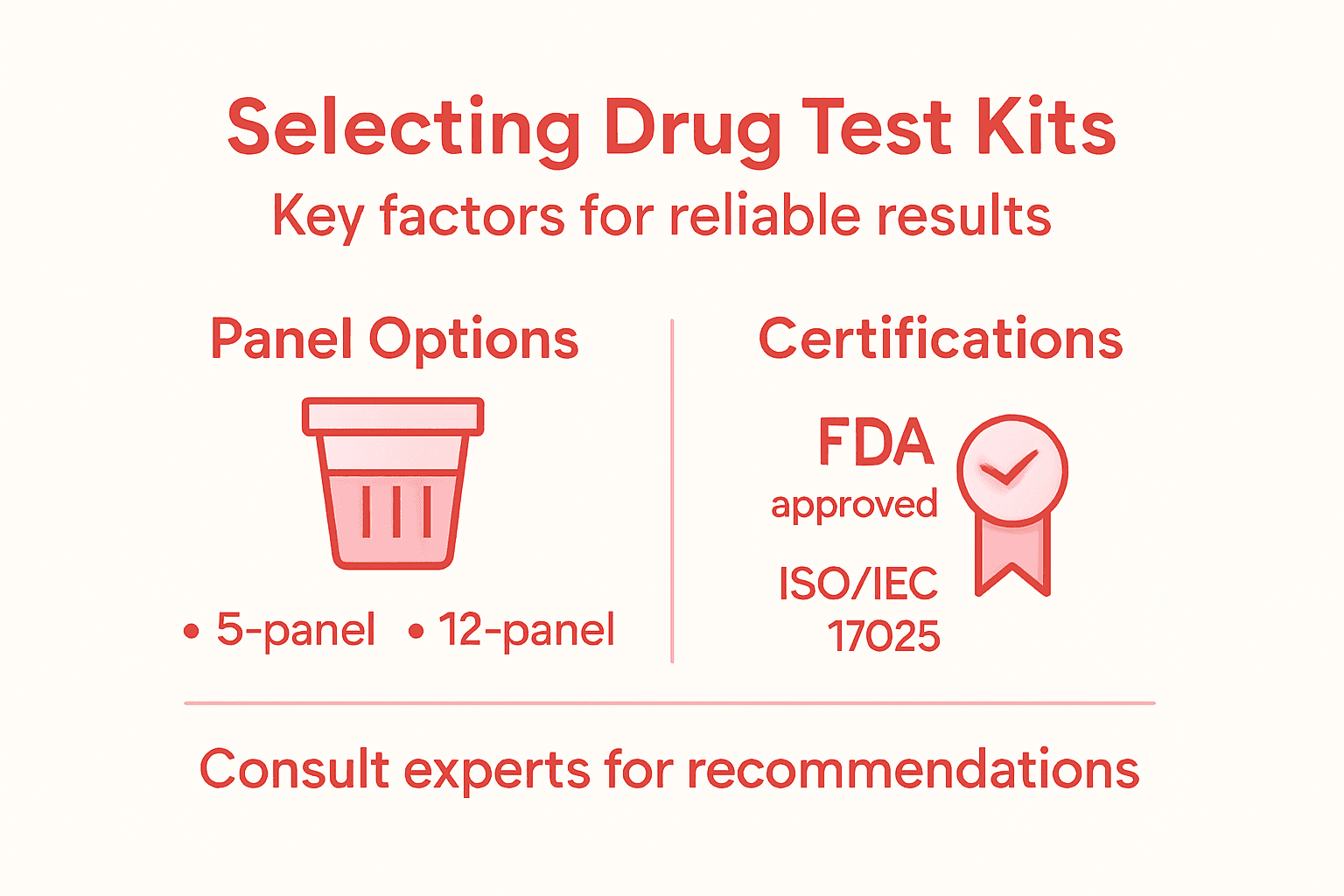
Pro tip: Consult with local substance abuse experts and review recent regional drug trend reports to ensure your testing panel remains current and comprehensive.
Here is a summary of factors influencing drug test panel selection:
| Factor | Typical Impact | Considerations |
|---|---|---|
| Participant history | Influences substances screened | High-risk profiles may need expanded panels |
| Regional drug trends | Affects substance relevance | Custom panels help detect local drug types |
| Test method (on-site vs lab) | Changes detection accuracy | Lab tests confirm ambiguous on-site results |
| Program objectives | Guides rigor of testing | Intensive programs may require broad screening |
Step 3: Compare product certifications and compliance standards
Evaluating drug test kit certifications is a critical step in ensuring accurate and legally defensible testing protocols. Healthcare professionals must carefully assess product compliance to guarantee the reliability and precision of their screening processes.
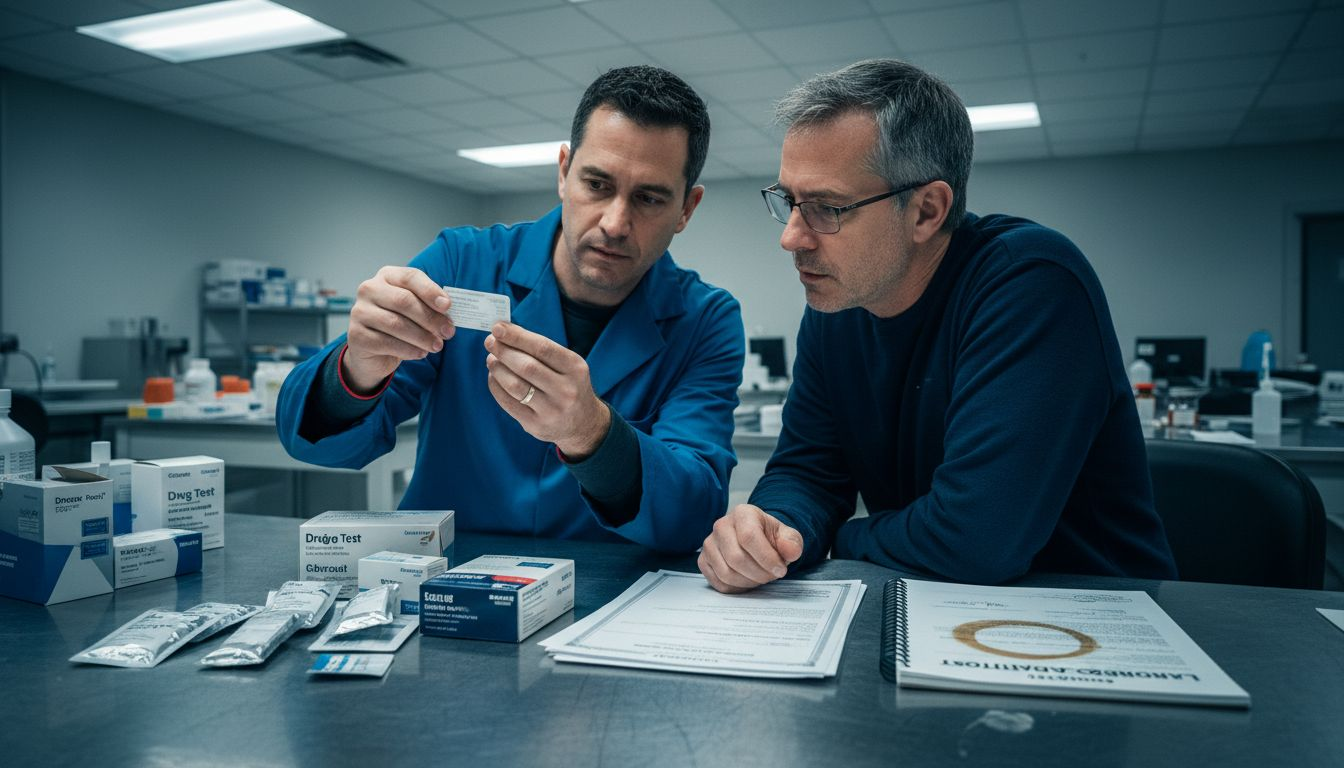
ISO conformity assessment standards provide a robust framework for verifying the quality and reliability of drug testing products. These international standards help organizations confirm that testing kits meet rigorous performance requirements. The Clinical and Laboratory Standards Institute (CLSI) offers comprehensive guidelines specifically for toxicology testing, with their C52 standard outlining detailed requirements for testing procedures, quality control, and result interpretation. When comparing drug test kits, look for certifications that demonstrate compliance with key standards such as ISO/IEC 17025, which validates the competence of testing laboratories and the accuracy of their testing methodologies.
Beyond basic certifications, you should examine several key compliance indicators. These include FDA approval status, CLIA waiver certification, College of American Pathologists (CAP) accreditation, and specific performance validation documentation. Pay close attention to the kit’s sensitivity, specificity, and confirmed detection ranges for different substances. Each certification provides a layer of confidence in the product’s reliability, with international standards helping to reduce redundant testing and promote global acceptance of test results.
Pro tip: Request detailed certification documentation from manufacturers and cross-reference compliance standards with your specific program requirements to ensure maximum testing accuracy.
This table compares major drug test kit compliance indicators:
| Certification/Standard | Purpose | Indicates |
|---|---|---|
| ISO/IEC 17025 | Lab method validation | Laboratory technical competence |
| FDA Approval | Regulatory safety | Federal review and acceptance |
| CLIA Waiver | Operational compliance | Simplified clinical usage |
| CAP Accreditation | Quality assurance | Standardized best practices |
| GMP Standard | Manufacturing quality | Consistent production processes |
Step 4: Evaluate supplier reliability and support
Selecting the right supplier for drug test kits is more than just comparing prices. Healthcare professionals must conduct a comprehensive evaluation to ensure consistent quality, reliable performance, and robust support throughout their testing programs.
Supplier assessment questionnaires provide a systematic approach to validating potential partners. These tools help organizations thoroughly examine a supplier’s capabilities, quality management systems, and compliance with regulatory requirements. Best practices recommend a multifaceted evaluation process that goes beyond initial product specifications. This includes reviewing the supplier’s track record, understanding their quality control mechanisms, assessing their responsiveness to technical support requests, and verifying their ability to maintain consistent product standards.
Key evaluation criteria should encompass several critical dimensions. Examine the supplier’s regulatory compliance certifications, such as Good Manufacturing Practice (GMP) standards, FDA approvals, and international quality management credentials. Look for suppliers who offer comprehensive technical support, including detailed product documentation, training resources, and responsive customer service teams. Consider their ability to provide timely product replacements, handle potential quality issues, and offer transparent communication about product performance and potential limitations. Investigate their supply chain stability, production capacity, and historical performance in delivering consistent quality drug testing materials.
Pro tip: Request references from current customers and conduct a pilot test with a small initial order to validate the supplier’s actual performance and support capabilities.
Step 5: Verify kit accuracy with sample testing
Accurate drug test results are fundamental to effective substance screening programs. Healthcare professionals must implement rigorous verification processes to ensure the reliability and precision of their testing methodologies.
Accuracy validation requires systematic sample testing under controlled conditions to confirm test kit performance. The College of American Pathologists recommends using reference specimens with established true values to assess assay accuracy comprehensively. This approach goes beyond simple peer comparisons, providing a robust method for validating drug test kit reliability. Your verification process should include multiple steps such as testing known positive and negative control samples, comparing results across different batches, and examining the kit’s sensitivity and specificity across various substance concentrations.
Implement a structured validation protocol that covers key performance metrics. This includes evaluating the kit’s detection limits, reproducibility, and potential interference from other substances. Conduct parallel testing using multiple specimen types and concentration levels to ensure consistent performance. Document all test results meticulously, including any variations or anomalies observed during the validation process. Pay special attention to the kit’s ability to detect substances at different threshold levels, and verify that the testing methodology aligns with your specific program requirements and regulatory standards.
Pro tip: Maintain a comprehensive validation log and periodically retest your drug test kits to ensure ongoing accuracy and reliability.
Step 6: Implement ongoing quality checks and documentation
Sustaining the integrity of drug testing programs requires a systematic approach to quality management and comprehensive documentation. Healthcare professionals must establish robust processes that continuously monitor and validate testing performance.
Quality management tools from professional organizations provide critical frameworks for maintaining testing reliability. These systems help laboratories track performance metrics, implement continuous improvement strategies, and ensure consistent accuracy across multiple testing cycles. Your quality management protocol should include regular peer comparison studies, performance benchmarking, and comprehensive documentation of all testing procedures, results, and potential variations. This approach allows you to identify trends, address potential inconsistencies, and demonstrate compliance with regulatory standards.
Develop a structured documentation system that captures every aspect of your drug testing workflow. This includes detailed records of kit batch numbers, testing conditions, calibration processes, and individual test results. Implement standard operating procedures for handling and documenting potential anomalies, and create a clear audit trail that can withstand regulatory scrutiny. Regularly review and update your quality management protocols to incorporate new technologies, address emerging substance detection challenges, and maintain the highest standards of testing accuracy.
Pro tip: Create a centralized digital documentation system with automatic version tracking and backup to ensure comprehensive and secure record keeping.
Ensure Accurate Drug Testing Results with Trusted Supplies from RapidTestCup
Selecting the right drug test kits that meet rigorous compliance standards and deliver reliable accuracy can be challenging. This guide highlights the importance of evaluating certifications, customizing panels, and verifying kit accuracy to support confident testing outcomes. If you want to avoid the frustration of inconsistent results or unreliable product quality these considerations are critical.
At RapidTestCup you will find a comprehensive catalog of FDA-approved, CLIA-waived drug testing cups, dip cards, and specimen collection supplies crafted for professional and forensic use. Our products help you streamline your testing program with consistent quality, supported by detailed product information and bulk discounts. Whether you need customizable panels for targeted screening or robust adulteration testing kits for program integrity explore our offerings today.
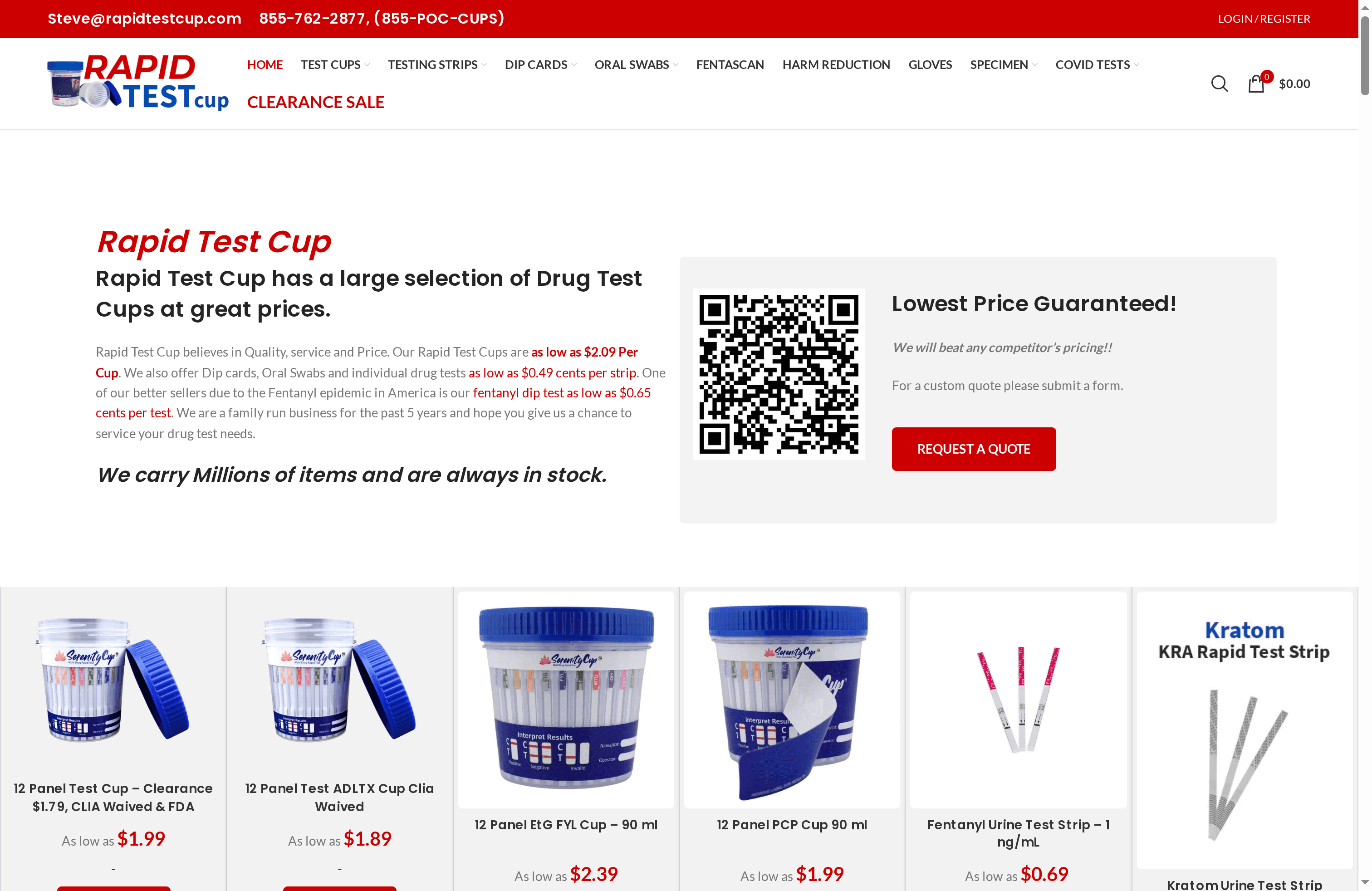
Take control of your drug testing accuracy and compliance now by visiting RapidTestCup. Equip your laboratory or clinic with top-quality, certified kits backed by expert support. Don’t wait to enhance your testing protocols with trusted supplies from a reliable source.
Frequently Asked Questions
How do I determine the appropriate testing frequency for drug test kits?
To determine suitable testing frequency, start by assessing participant history and program objectives. Implement a flexible schedule that allows for testing at least twice per week and modify it based on individual progress, ensuring optimal monitoring and support.
What substances should be included in a drug testing panel for effective screening?
Incorporate commonly abused substances such as amphetamines, opiates, cocaine, and cannabinoids into your testing panel. Assess participant demographics and local drug trends to customize the panel for accurate and relevant results.
What certifications should I look for when selecting drug test kits?
Look for certifications like ISO/IEC 17025, FDA approval, and CLIA waiver status to ensure the accuracy and reliability of drug test kits. Verify compliance indicators to boost confidence in your testing methodologies and processes.
How can I evaluate the reliability of a drug test kit supplier?
Evaluate a supplier’s reliability by examining their quality management systems, regulatory compliance certifications, and customer support capabilities. Request references from other customers and conduct pilot tests to validate their performance in real-world settings.
What steps should I take to verify the accuracy of drug test kits?
To verify accuracy, conduct systematic sample testing using known positive and negative controls. Establish a structured validation protocol that documents performance metrics and re-evaluates the kits periodically to maintain testing integrity.
How can ongoing quality checks improve drug testing programs?
Implement ongoing quality checks by developing a comprehensive quality management protocol that tracks performance metrics and maintains documentation. Regularly review and update procedures to incorporate new technologies and address any testing challenges.