

Blog
How Multi-Panel Tests Work: Efficiency in Compliance


Deciding which drug test panel to use can quickly become complex for laboratory managers juggling compliance demands in both forensic and clinical settings. Regulations from the Department of Health and Human Services and the Substance Abuse and Mental Health Services Administration require precise selection and proper documentation when screening for different substances in North American workplaces. This overview clarifies how multi-panel drug tests efficiently detect a wide range of substances while supporting legal and scientific standards in laboratory practice.
Table of Contents
- Multi-panel Drug Tests Explained
- Types And Panels Of Drug Screening
- Step-by-step Detection Process
- Legal And Regulatory Standards
- Common Risks And Best Practices
Key Takeaways
| Point | Details |
|---|---|
| Multi-Panel Drug Tests | These tests efficiently detect multiple substances simultaneously, reducing time and costs associated with traditional single-substance testing. |
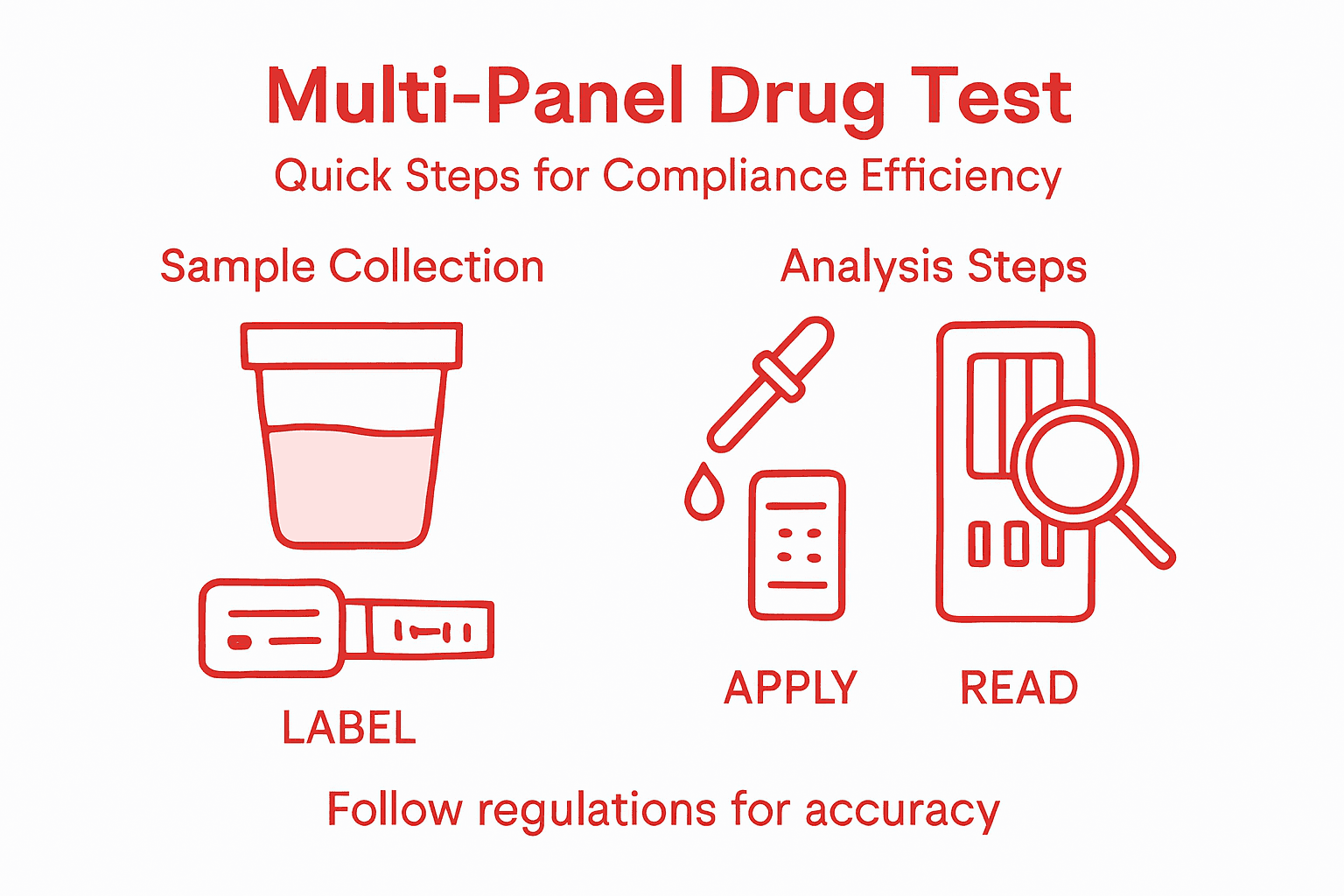
| Testing Process | The process includes sample collection, initial screening, and confirmatory testing to ensure accurate substance identification. |
| Regulatory Compliance | Organizations must adhere to specific legal frameworks and standards to maintain testing integrity and fairness across various industries. |
| Risk Management | Best practices involve rigorous protocols and training to mitigate common risks like false positives and sample contamination. |
Multi-panel drug tests explained
Multi-panel drug tests are sophisticated screening tools designed to detect multiple substance types simultaneously, offering laboratories and organizations an efficient method for comprehensive toxicology assessments. These advanced diagnostic instruments can screen for numerous drug classes within a single test, dramatically reducing time and resource expenditure compared to traditional single-substance testing approaches.
The core mechanism of multi-panel drug tests involves specialized testing strips or cups containing reactive chemical compounds that interact with specific drug metabolites present in biological specimens like urine or saliva. When a sample is introduced, these panels generate distinct color reactions or immunoassay signals indicating the presence or absence of targeted substances. Understanding multi-panel drug test configurations helps professionals select the most appropriate screening protocol for their specific compliance requirements.
Key characteristics of multi-panel drug tests include:
- Ability to detect 5-12 different drug classes simultaneously
- Rapid result generation (typically 5-10 minutes)
- High sensitivity and specificity for targeted substances
- Cost-effective compared to individual substance screenings
- Compliance with professional and legal testing standards
The testing process typically involves collecting a biological specimen, applying it to the multi-panel test device, and waiting for color-coded or digital indicator results that reveal which substances are present. Modern multi-panel tests can detect drugs like marijuana, cocaine, amphetamines, opiates, and benzodiazepines within a single screening, providing comprehensive insights for medical, workplace, and forensic applications.
Pro tip: Always verify the specific panel configuration matches your exact screening requirements to ensure maximum testing accuracy and regulatory compliance.
Types and panels of drug screening
Drug screening panels represent a critical tool for organizations and laboratories seeking comprehensive substance detection, with configurations ranging from basic to highly sophisticated multi-substance assessments. Understanding drug test panel variations allows professionals to select the most appropriate screening protocol for their specific compliance requirements.
The complexity of drug test panels is typically defined by the number of substances they can simultaneously detect. Common panel configurations include:
- 4-panel tests: Screen for marijuana, cocaine, opiates, and amphetamines
- 5-panel tests: Add PCP to the standard 4-panel detection
- 6-panel tests: Include benzodiazepines alongside previous substances
- 7-panel tests: Incorporate barbiturates into the screening
- 10-panel and 12-panel tests: Expand to include additional synthetic and prescription medications
Each panel configuration serves different institutional needs, from workplace drug testing to legal and medical screening environments. The selection depends on specific regulatory requirements, potential substance abuse risks, and the comprehensiveness of detection needed for a particular context.
Here’s a summary showing how different drug test panels address organizational needs:
| Panel Type | Common Use Case | Substances Detected |
|---|---|---|
| 4-panel | Entry-level workplace testing | Marijuana, opiates, cocaine, amphetamines |
| 6-panel | Healthcare, legal screening | Adds benzodiazepines and PCP to core group |
| 10/12-panel | High-risk or regulated fields | Expands to include barbiturates, methadone, synthetic drugs |
Modern drug screening panels leverage advanced immunoassay technologies that can rapidly identify multiple substance metabolites with high sensitivity and specificity. These panels use specialized chemical reagents that generate distinct color reactions or digital signals when specific drug compounds are present in biological specimens like urine or saliva.
Pro tip: Always consult current regulatory guidelines and select a drug test panel that precisely matches your organization’s specific screening requirements and compliance standards.
Step-by-step detection process
Drug detection represents a sophisticated, multi-stage analytical process that requires precision and systematic methodology. Comprehensive drug detection workflows involve several critical stages designed to ensure accurate substance identification and reporting.
The detection process typically follows a structured sequence of steps:
- Sample Collection
- Obtain biological specimen (urine, saliva, or blood)
- Ensure proper chain of custody documentation
- Follow strict contamination prevention protocols
- Initial Screening
- Apply immunoassay testing methods
- Conduct rapid preliminary substance detection
- Generate initial positive or negative result
- Confirmatory Testing
- Utilize advanced analytical techniques
- Perform gas chromatography-mass spectrometry
- Validate initial screening results with high-precision methods
Each stage of the detection process incorporates advanced technological approaches to minimize false positives and maximize detection accuracy. Sophisticated immunoassay technologies generate distinct chemical reactions that identify specific drug metabolites with remarkable sensitivity, enabling precise substance identification across multiple panel configurations.
Modern drug detection protocols integrate rigorous scientific methodologies with cutting-edge technological platforms, ensuring comprehensive and reliable substance screening for medical, legal, and workplace environments.
Pro tip: Always maintain meticulous documentation and follow standardized protocols during each detection stage to ensure legal and scientific validity of test results.
Legal and regulatory standards
Drug testing in professional environments is governed by complex legal frameworks that ensure standardization, accuracy, and fairness across various industries. Federal workplace drug testing guidelines establish critical standards for substance screening protocols and compliance requirements.
Key regulatory standards typically encompass several critical dimensions:
- Authorized drug testing panels
- Specific threshold cutoff levels
- Laboratory certification requirements
- Medical Review Officer (MRO) responsibilities
- Employee privacy protections
- Strict documentation protocols
Different industries have unique regulatory requirements. For instance, aviation industry drug testing regulations mandate specific procedures for safety-sensitive positions, including mandatory use of certified laboratories and comprehensive reporting mechanisms. These industry-specific standards ensure that drug testing remains scientifically rigorous and legally defensible.

The Department of Health and Human Services (HHS) and the Substance Abuse and Mental Health Services Administration (SAMHSA) play pivotal roles in establishing and updating national drug testing standards. Their guidelines provide a comprehensive framework that balances technological advancements, scientific accuracy, and legal compliance across federal workplace programs.
Pro tip: Regularly review and update your drug testing protocols to ensure ongoing compliance with the most current federal and industry-specific regulatory standards.
Common risks and best practices
Multi-panel drug testing involves complex challenges that require systematic risk management and proactive mitigation strategies. Drug screening risk factors demand comprehensive understanding to maintain testing integrity and accuracy.
Common risks in multi-panel drug testing include:
- False positives from cross-reactive substances
- Potential sample contamination
- Short detection window limitations
- Medication interference possibilities
- Sophisticated sample adulteration attempts
- Inconsistent testing methodology
Best practices for mitigating these risks involve a multi-layered approach centered on rigorous protocols and continuous professional development. Organizations must implement comprehensive strategies that include:
- Thorough personnel training
- Strict chain-of-custody documentation
- Advanced confirmatory testing methods
- Regular calibration of testing equipment
- Updated knowledge of drug metabolite detection
Medical Review Officers (MROs) play a critical role in interpreting test results, providing an additional layer of professional assessment that helps distinguish between legitimate medical explanations and potential substance misuse. Their expertise ensures that complex testing scenarios receive nuanced, scientifically grounded evaluation.
This comparison highlights key roles in the drug testing process:
| Role | Main Responsibilities | Impact on Accuracy |
|---|---|---|
| Testing Personnel | Sample collection, protocol adherence | Reduces contamination, ensures chain-of-custody |
| Laboratory Technicians | Conduct immunoassays, confirmatory tests | Ensures result precision and reliability |
| Medical Review Officers | Interpret results, resolve medical explanations | Distinguishes false positives, supports fairness |
Pro tip: Develop a comprehensive, regularly updated standard operating procedure that addresses potential testing variables and incorporates the latest technological and regulatory advancements.
Streamline Your Multi-Panel Drug Testing with Trusted Solutions
Multi-panel drug tests are essential for accurate, efficient substance screening that meets strict compliance and regulatory standards. If you are facing challenges such as managing complex panel configurations or ensuring rapid and reliable results in demanding professional environments, you are not alone. At rapidtestcup.com, we understand the need for high-quality, CLIA waived, FDA-approved testing kits that cover multiple substances without sacrificing accuracy or speed. Our extensive catalog includes drug test cups, dip cards, urine test strips, and specimen collection supplies designed specifically to help laboratories, clinics, and law enforcement fulfill their screening requirements with confidence.
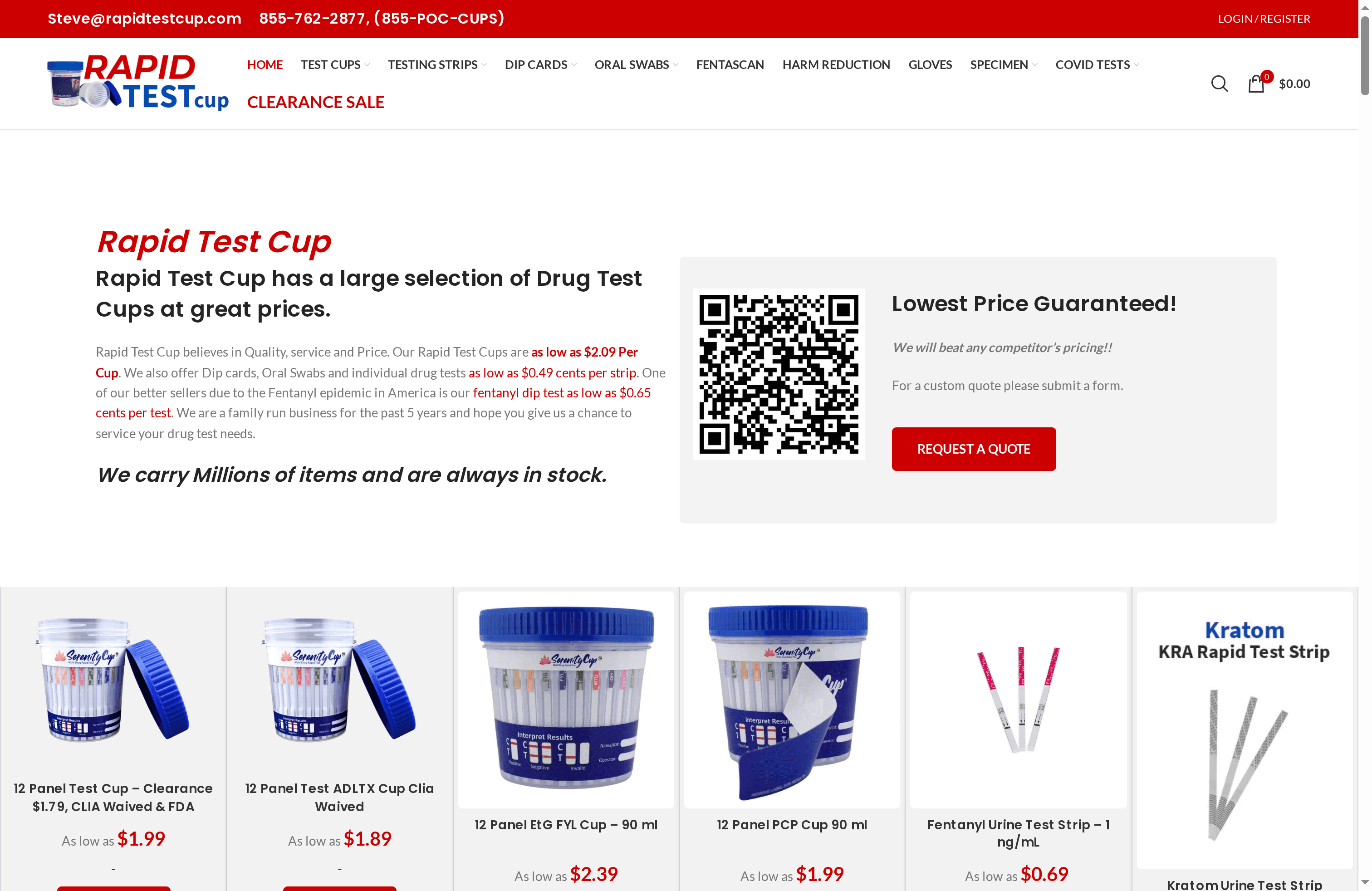
Explore our reliable and affordable selection of multi-panel drug testing products today. Benefit from quick shipping, detailed product information, and bulk discounts that make compliance easier and more cost-effective. Take the next step toward efficient drug screening by visiting RapidTestCup. Discover how our solutions support your commitment to accuracy, regulatory compliance, and operational excellence in every screening process.
Frequently Asked Questions
What are multi-panel drug tests?
Multi-panel drug tests are screening tools designed to detect multiple drug types simultaneously from biological specimens like urine or saliva, providing a comprehensive assessment of substance use.
How do multi-panel drug tests work?
Multi-panel tests utilize specialized strips or cups containing reactive compounds that interact with specific drug metabolites. When a sample is applied, the test generates color reactions or signals indicating the presence or absence of targeted substances.
What substances can be detected with multi-panel tests?
Multi-panel tests can detect a variety of substances including marijuana, cocaine, opiates, amphetamines, benzodiazepines, and more, depending on the specific panel configuration used.
How long does it take to get results from a multi-panel drug test?
Results from multi-panel drug tests are typically generated within 5-10 minutes, making them efficient for rapid substance detection.