

Blog
What Is a Multi Panel Drug Test and Why Accuracy Matters

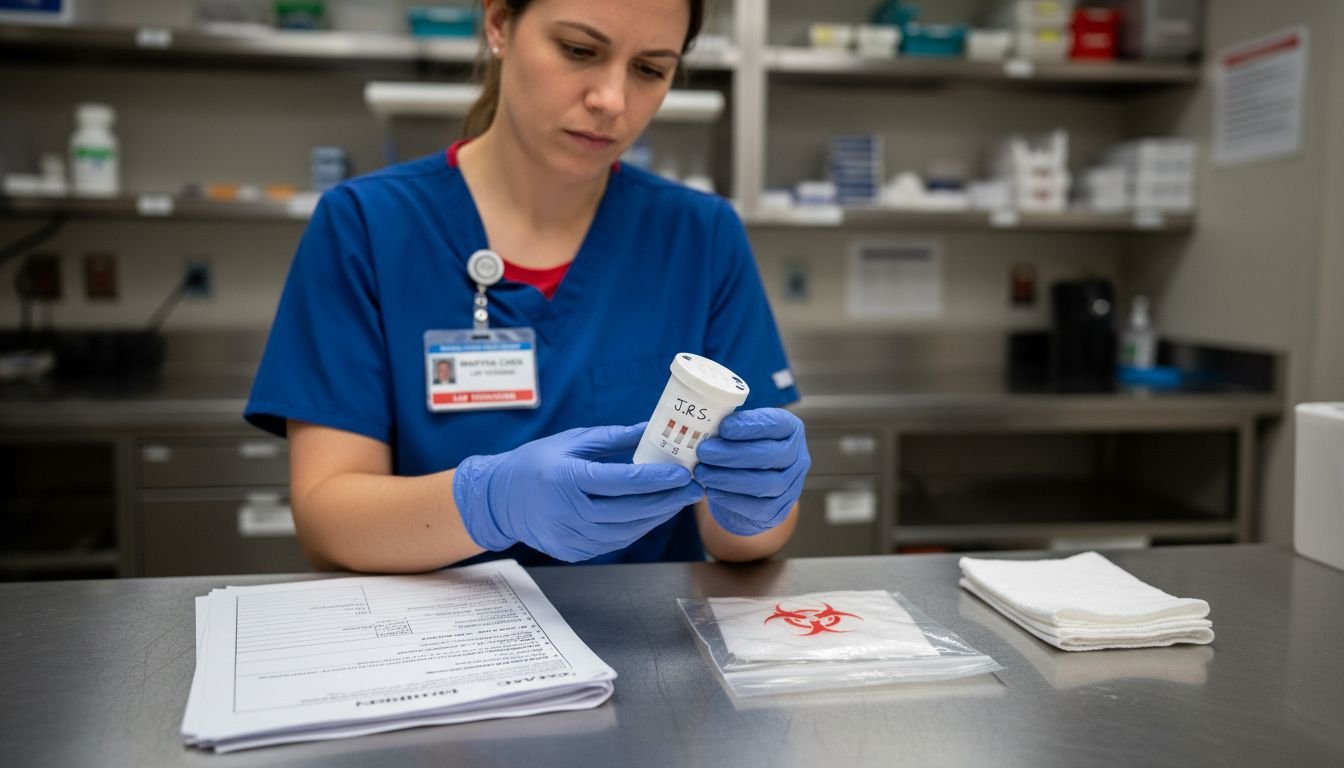
Most American employers now rely on comprehensive drug screening, yet confusion still surrounds how multi panel drug tests work. With more than 55 percent of American workplaces using multi panel tests, understanding what these screens actually detect—and what they do not—matters for anyone facing employment or legal procedures. Cut through common myths and discover what multi panel drug tests truly reveal about substance use in American professional, clinical, and legal settings.
Table of Contents
- Defining Multi Panel Drug Tests And Common Myths
- Types Of Drug Panels And Substances Detected
- How Multi Panel Drug Tests Work Step By Step
- Clinical, Workplace, And Legal Applications
- Accuracy, False Positives, And Risk Management
Key Takeaways
| Point | Details |
|---|---|
| Multi Panel Drug Tests | These tests efficiently screen for multiple substances simultaneously, allowing for comprehensive substance detection in various settings. |
| Types of Drug Panels | Common configurations include 5-panel, 10-panel, and 12-panel tests, each expanding the range of substances detected. |
| Applications | Multi panel drug tests are utilized in clinical, workplace, and legal environments to support patient care, ensure workplace safety, and validate legal compliance. |
| Accuracy and False Positives | While drug testing technology has improved, false positives can occur; therefore, confirmatory testing is essential for accurate results. |
Defining Multi Panel Drug Tests and Common Myths
A multi panel drug test is a comprehensive screening method designed to detect the presence of multiple substances simultaneously. These tests utilize specialized test cups or strips capable of identifying various drug metabolites within a single biological sample. Drug testing techniques have evolved significantly to provide more efficient and thorough screening processes for medical, professional, and legal environments.
Typically, multi panel drug tests can screen for 5, 10, or even 12 different drug classes in one testing procedure. Common panels include detecting substances like marijuana, cocaine, opiates, amphetamines, and benzodiazepines. Cleveland Clinic research highlights that detection times vary depending on the specific substance, individual metabolism, and type of test used.
Several persistent myths surround multi panel drug tests that can lead to misunderstandings. First, many people incorrectly assume these tests can precisely determine the exact time or quantity of drug consumption. In reality, these tests only indicate the presence of drug metabolites within a specific detection window. Another common misconception is that all drug tests are identical – in fact, different panels offer varying levels of substance coverage and sensitivity.
For professionals and organizations requiring comprehensive substance screening, multi panel drug tests provide a practical and efficient solution. By detecting multiple substances simultaneously, these tests offer a broad overview of potential drug use, helping employers, medical providers, and legal entities make informed decisions about an individual’s substance exposure.
Types of Drug Panels and Substances Detected
Drug test panels vary widely in their complexity and range of substances detected, offering healthcare professionals and organizations flexible screening options. Substance detection capabilities have significantly expanded to address evolving substance use patterns and emerging drug trends.
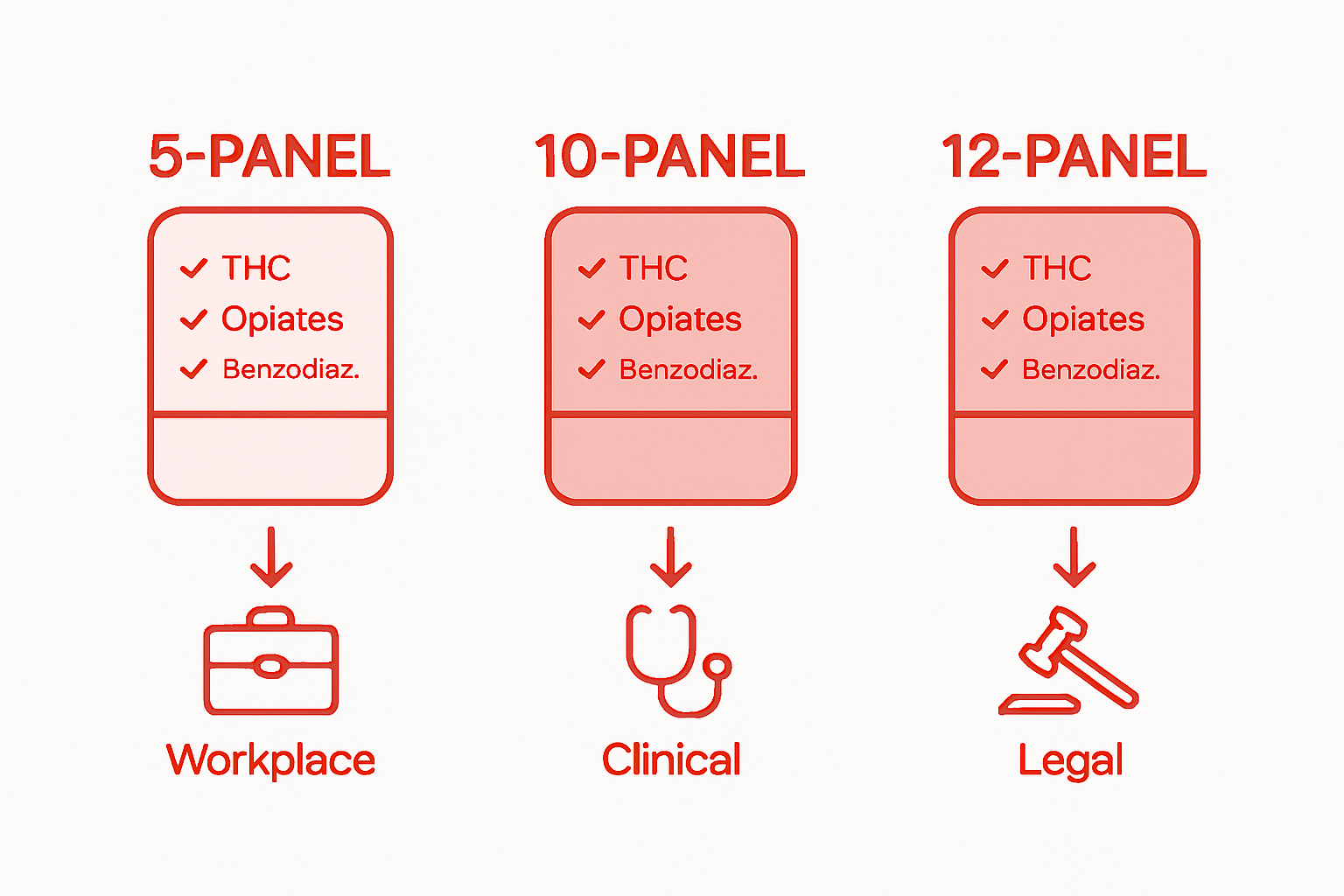
The most common drug test panels include several standard configurations:
- 5-Panel Drug Test: Typically detects marijuana, cocaine, amphetamines, opiates, and phencyclidine (PCP)
- 10-Panel Drug Test: Includes the 5-panel substances plus barbiturates, benzodiazepines, methadone, methaqualone, and propoxyphene
- 12-Panel Drug Test: Expands coverage to include additional prescription medications and synthetic substances
National drug testing research indicates that comprehensive panels are crucial for identifying a broad spectrum of substance use. Modern drug panels can now detect prescription medications, synthetic drugs, and emerging substances that traditional tests might have missed. This expanded detection capability helps organizations and healthcare providers make more informed decisions about substance screening.
Specialized panels can be customized to meet specific institutional or clinical needs. For instance, workplace drug screening might prioritize substances that could impact job performance, while medical screenings could focus on detecting potential prescription drug misuse or interactions. The flexibility of multi panel drug tests allows for targeted, efficient screening that adapts to unique environmental and professional requirements.
How Multi Panel Drug Tests Work Step by Step
Multi panel drug tests operate through a sophisticated process designed to efficiently screen for multiple substances simultaneously. Drug testing workflow procedures require precision and careful methodology to ensure accurate results and maintain testing integrity.
The standard multi panel drug testing process typically involves several key steps:
- Sample Collection
- Obtain a biological specimen (usually urine)
- Ensure proper chain of custody documentation
- Use sterile collection containers
- Initial Screening
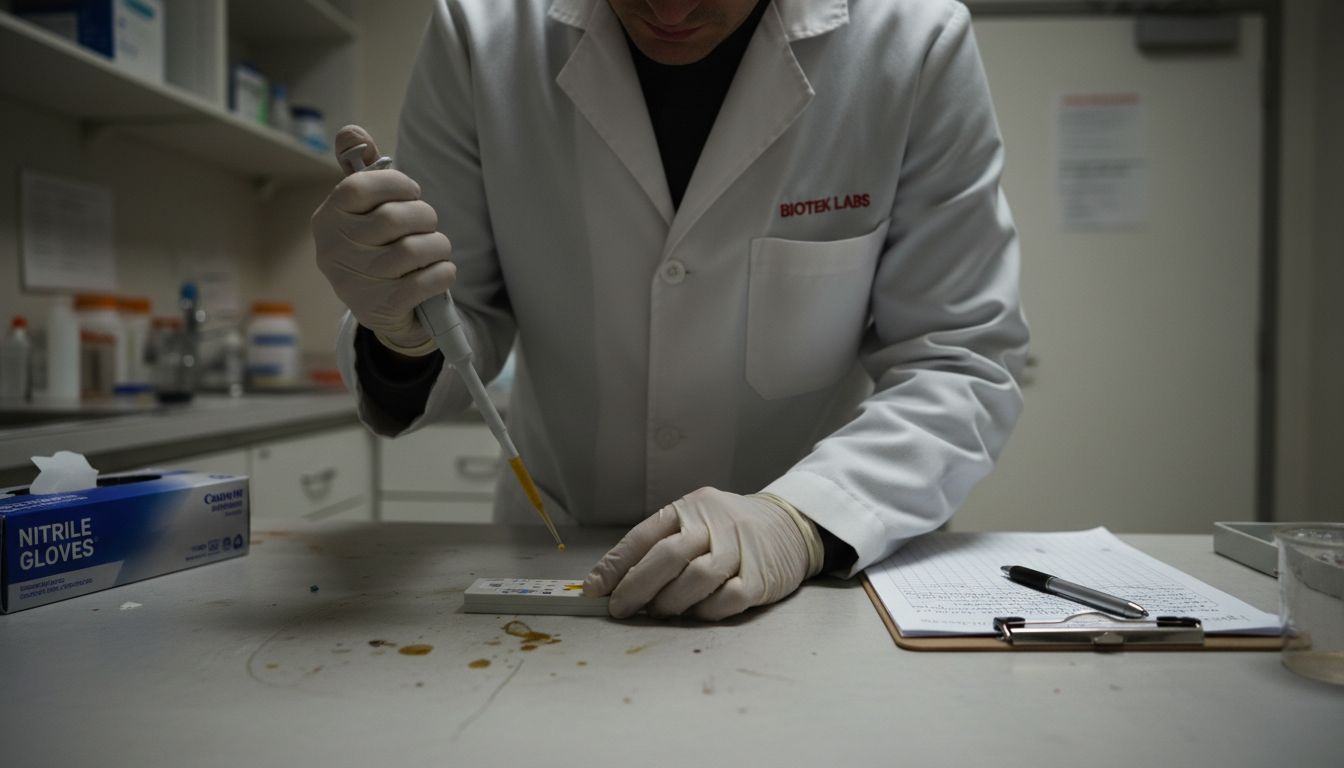
- Apply specimen to multi panel test strip or cup
- Chemical reagents react with potential drug metabolites
- Colored lines or indicators show presence/absence of substances
- Immunoassay Analysis
- Antibodies in test detect specific drug metabolites
- Rapid screening eliminates negative samples
- Threshold levels determine positive/negative results
- Confirmatory Testing
- Positive initial screenings undergo advanced verification
- Gas chromatography or mass spectrometry used for precise identification
- Eliminates potential false positive results
The complexity of multi panel drug tests allows for nuanced substance detection while maintaining efficiency. Specialized drug test configurations enable organizations to customize screening processes based on specific monitoring requirements, ensuring comprehensive and targeted substance identification.
Clinical, Workplace, and Legal Applications
Multi panel drug tests serve critical functions across diverse professional environments, addressing unique screening requirements in clinical, workplace, and legal settings. National research on drug testing strategies demonstrates the versatility of comprehensive substance screening approaches.
In clinical environments, drug tests play a crucial role in patient care:
- Monitoring medication adherence
- Detecting potential substance misuse
- Tracking treatment progress for addiction recovery
- Assessing potential drug interactions
- Supporting comprehensive patient health management
Workplace applications focus on maintaining safety and productivity. Industries like transportation, healthcare, and manufacturing implement rigorous drug testing protocols to minimize workplace accidents and ensure employee reliability. Typical workplace screening includes pre-employment testing, random checks, post-accident investigations, and reasonable suspicion evaluations.
Legal settings utilize multi panel drug tests for critical enforcement and monitoring purposes. Probation departments, court systems, and child custody proceedings rely on comprehensive drug screening to:
- Verify compliance with court-mandated abstinence
- Support rehabilitation program effectiveness
- Provide objective evidence in legal decision making
- Protect public safety through systematic substance monitoring
The adaptability of multi panel drug tests makes them an essential tool across professional domains, offering precise, efficient substance screening tailored to specific institutional requirements.
Accuracy, False Positives, and Risk Management
Drug test accuracy represents a critical concern for organizations and individuals relying on substance screening results. Clinical drug testing research demonstrates that while screening technologies have significantly improved, inherent challenges remain in achieving absolute precision.
False positive results can emerge from multiple sources:
- Cross-reactivity with prescription medications
- Dietary supplement interactions
- Genetic variations in metabolic processing
- Laboratory handling and procedural errors
- Immunoassay test limitations
To mitigate potential inaccuracies, professional drug testing protocols incorporate critical risk management strategies:
- Initial immunoassay screening
- Confirmatory testing using gas chromatography-mass spectrometry (GC-MS)
- Comprehensive review of potential interfering substances
- Chain of custody documentation
- Trained professional interpretation
Substance screening guidelines emphasize the importance of understanding test limitations. No single drug screening method provides 100% accuracy, making it essential for organizations to implement multi-layered verification processes that balance efficiency with comprehensive risk assessment. Successful drug testing programs recognize the nuanced nature of substance detection and prioritize methodical, scientifically validated approaches to minimize potential errors.
Achieve Accurate Multi Panel Drug Testing with Trusted Supplies
Understanding the importance of accuracy in multi panel drug tests is crucial for your clinical, workplace, or legal screening needs. The article highlights common challenges like false positives and the need for confirmatory testing to ensure reliable results. If you seek to minimize risks and maximize confidence in your drug screening process, choosing high-quality, FDA-approved products is key.
Explore our full range of drug testing cups and strips designed for precision and convenience.
Take control of your drug testing accuracy today by visiting RapidTestCup.com. Equip your organization with reliable, comprehensive multi panel drug test kits and professional collection accessories. Shop now for affordability and fast shipping that keeps your screening program effective and compliant.
Frequently Asked Questions
What is a multi panel drug test?
A multi panel drug test is a screening method that detects multiple substances simultaneously using specialized test cups or strips. It usually screens for several drug classes in a single biological sample, often urine.
How does a multi panel drug test work?
The test involves collecting a biological sample, applying it to a test strip or cup, and using chemical reagents that react with specific drug metabolites. Initial results are often followed by confirmatory testing for accuracy.
Why is accuracy important in drug testing?
Accuracy is vital to ensure reliable results that inform decisions regarding employment, legal situations, or clinical assessments. False positives can lead to unnecessary consequences, making precise testing essential for effective decision-making.
What substances can a multi panel drug test detect?
Common multi panel drug tests can detect various substances, including marijuana, cocaine, opiates, amphetamines, benzodiazepines, and more, depending on the specific panel configuration used.