Blog
Why choose CLIA waived kits for reliable drug testing

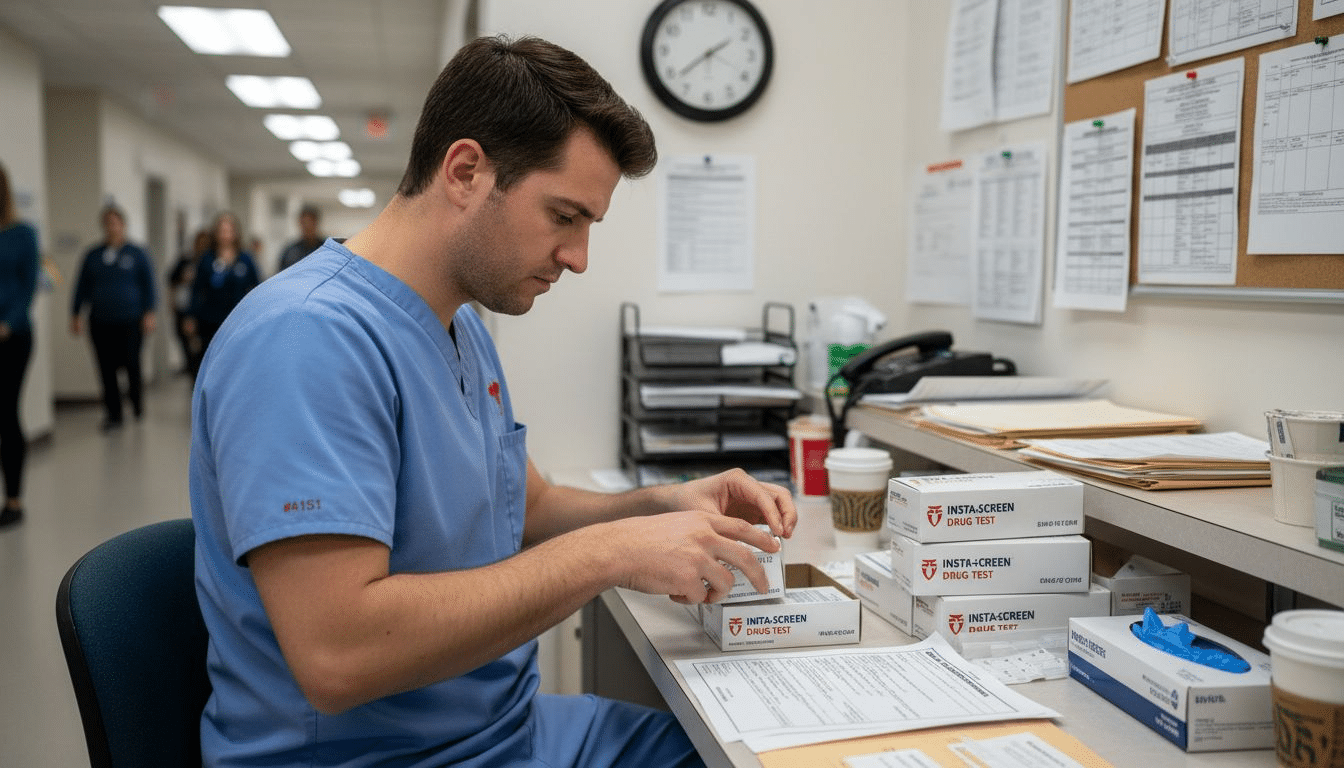
Many health practitioners worry that CLIA waived drug testing kits sacrifice accuracy for convenience. In reality, these FDA-approved tests meet rigorous standards while simplifying compliance. This guide explains how CLIA waived kits deliver reliable results, reduce costs, and streamline operations for clinics and substance abuse programs across the United States.
Table of Contents
- Understanding CLIA Waived Drug Testing Kits
- Benefits Of Choosing CLIA Waived Kits
- Regulatory Framework And FDA Approval For Waived Drug Tests
- Operational Advantages And Ease Of Use In Clinical Settings
- Ensuring Accuracy And Reliability With CLIA Waived Kits
- Cost And Affordability Considerations Of CLIA Waived Kits
- Common Misconceptions About CLIA Waived Kits
- Practical Guidance For Choosing And Implementing CLIA Waived Kits
- Discover Our Range Of CLIA Waived Drug Testing Kits
- Frequently Asked Questions About CLIA Waived Kits
Key takeaways
| Point | Details |
|---|---|
| Simplified compliance | CLIA waived kits reduce regulatory burden and inspection frequency for busy clinics. |
| Faster results | Point-of-care testing delivers immediate results, enabling quicker clinical decisions. |
| FDA approved reliability | These tests undergo strict FDA review ensuring accuracy and legal compliance. |
| Cost effective | Waived tests cost 20-40% less than higher complexity alternatives. |
| Training still essential | Proper staff training and quality control remain critical for reliable outcomes. |
Understanding CLIA waived drug testing kits
CLIA waived tests are FDA-cleared or approved diagnostic tools designed for simplicity and low error risk. The Clinical Laboratory Improvement Amendments program, overseen by the Centers for Medicare & Medicaid Services, classifies tests into three categories: waived, moderate complexity, and high complexity. Waived tests represent the simplest category, allowing use in non-laboratory settings under a Certificate of Waiver.
The FDA and CMS evaluate tests based on specific regulatory criteria. To qualify as waived, a test must demonstrate simple methodology with minimal interpretation. The test instructions must be clear enough for untrained users to follow accurately. Error risk must be negligible when manufacturers’ directions are followed correctly.
Common waived drug testing kits include:
- Multi-panel urine test cups screening for THC, cocaine, opiates, amphetamines, and other substances
- Single-parameter dip cards for targeted screening
- Integrated adulterant detection systems identifying specimen tampering
- Oral fluid testing devices for non-invasive collection
Waived tests differ fundamentally from moderate and high complexity alternatives. Higher complexity tests require certified laboratory technicians, extensive quality control protocols, and regular proficiency testing. Waived tests eliminate these requirements while maintaining reliability.
A Certificate of Waiver permits facilities to perform waived tests without meeting personnel or quality standards required for complex testing. This certificate costs approximately $150 biennially, creating minimal financial burden. Facilities must still follow manufacturer instructions precisely and maintain proper documentation.
Benefits of choosing CLIA waived kits
Using CLIA waived drug testing kits enables faster clinical decisions with significantly less regulatory oversight. These advantages translate directly into operational improvements for health facilities managing substance abuse programs or workplace compliance.

The regulatory burden reduction represents perhaps the most significant benefit. Facilities using only waived tests face minimal CMS inspections compared to laboratories performing moderate or high complexity testing. You avoid requirements for hiring certified laboratory directors or investing in expensive quality assurance infrastructure.
Turnaround time improvements enable immediate point-of-care decisions. Traditional laboratory testing requires specimen transport, processing queues, and result reporting delays. Waived tests deliver results in 3 to 10 minutes, allowing counselors to address positive results during the same patient visit.
Key operational advantages include:
- Elimination of complex proficiency testing requirements
- Reduced need for specialized laboratory equipment and maintenance
- Lower facility construction and environmental control costs
- Simplified record keeping and documentation procedures
Workflow efficiency gains compound over time. Staff spend less time managing regulatory documentation and more time on patient care. The streamlined testing process reduces bottlenecks during high-volume screening periods.
Pro Tip: Establish standard operating procedures for all waived tests and conduct routine competency assessments. Even simple tests benefit from consistent protocols and regular staff training refreshers.
Benefits of CLIA waived tests for clinics extend beyond compliance. The simplified procedures allow medical assistants and trained technicians to perform testing without advanced laboratory certification. This flexibility optimizes staff utilization and reduces labor costs.
Regulatory framework and FDA approval for waived drug tests
The FDA maintains strict oversight of all CLIA waived tests through comprehensive evaluation processes. Understanding this framework builds confidence in test reliability and clarifies legal compliance requirements.
CLIA waived tests must be reviewed by the FDA before receiving waiver status. The agency grants waivers through two pathways: automatic waiver by regulation for specific simple test categories, and Waiver by Application for new test systems. The application process requires manufacturers to demonstrate that tests are simple to perform with minimal error risk.
The Waiver by Application pathway demands rigorous documentation. Manufacturers must prove their test system includes:
- Clear, step-by-step instructions readable at appropriate literacy levels
- Built-in error prevention mechanisms
- Minimal specimen handling requirements
- Straightforward result interpretation with objective criteria
FDA-approved waived test analytes for drug screening include amphetamines, barbiturates, benzodiazepines, cannabinoids, cocaine metabolites, methadone, methamphetamine, opiates, oxycodone, phencyclidine, and tricyclic antidepressants. Each analyte undergoes separate evaluation for waiver eligibility.
Legal compliance implications are substantial. Using non-waived tests without proper certification violates federal law and risks substantial penalties. The FDA maintains a searchable database of approved waived tests, allowing facilities to verify product status before purchase.
Ongoing FDA oversight continues after approval. The agency monitors adverse event reports and conducts post-market surveillance. If safety concerns emerge, the FDA can revoke waiver status or require additional controls. This continuous oversight maintains test reliability across product lifecycles.
Operational advantages and ease of use in clinical settings
Implementing CLIA waived drug testing kits reduces operational complexity by eliminating extensive training requirements and complex quality control procedures. These practical benefits directly impact daily clinic operations.
Training requirements remain minimal compared to moderate complexity testing. Staff need only demonstrate competency following manufacturer instructions. A typical training session covers specimen collection, test administration, result interpretation, and documentation. Most personnel achieve competency within 2 to 4 hours of instruction and supervised practice.
Quality control procedures for waived tests are straightforward. While not federally mandated, best practices include:
- Running positive and negative controls with each new test lot
- Verifying proper storage temperatures for reagents
- Checking expiration dates before use
- Documenting all quality control activities
Inspection frequency decreases dramatically under waiver certificates. CMS conducts complaint-driven inspections rather than routine scheduled reviews. This reduces administrative burden and allows focus on patient care rather than inspection preparation.
Workflow efficiency improves through immediate result availability. Staff can complete screening, counseling, and treatment planning in a single appointment. This consolidation reduces patient no-show rates and improves program retention.
Pro Tip: Create visual job aids showing proper testing procedures and post them at testing stations. Clear visual references reduce errors and help new staff reach competency faster.
Clinic test workflow efficient compliance depends on clear standard operating procedures. Document every step from specimen collection through result reporting. Include troubleshooting guidance for common issues like insufficient specimen volume or invalid results.
Ensuring accuracy and reliability with CLIA waived kits
Accuracy concerns about waived tests often stem from misunderstanding their FDA approval process. When used correctly, CLIA waived drug testing kits maintain quality and reliability comparable to more complex alternatives.
Error risk remains low when operators follow manufacturer instructions precisely. The FDA approval process specifically evaluates potential user errors. Tests must demonstrate that untrained users following directions achieve accurate results. This requirement ensures inherent reliability.
Operator training on correct usage remains essential despite test simplicity. Training should cover:
- Proper specimen collection techniques avoiding contamination
- Accurate timing of test development periods
- Correct interpretation of result lines and control indicators
- Recognition of invalid results requiring repeat testing
Manufacturer instructions detail every critical step affecting result validity. These documents specify acceptable specimen types, storage requirements, and temperature ranges. Deviating from instructions increases error risk and may invalidate results.
Research evidence supports waived test reliability. Studies comparing waived immunoassay screening to laboratory confirmation testing show sensitivity and specificity rates exceeding 95% for most drug classes. False positive rates remain below 5% when cutoff concentrations are properly calibrated.
The CDC emphasizes that waived tests, when used according to manufacturer instructions and by trained personnel, deliver reliable results suitable for clinical decision making and program compliance requirements.
Reliability of waived tests depends partly on proper quality control practices. Even though regulatory requirements are minimal, implementing voluntary QC measures improves confidence. Running controls verifies that test kits function correctly and identifies potential storage or handling problems.
Cost and affordability considerations of CLIA waived kits
Financial considerations often drive decisions about implementing drug testing programs. CLIA waived test kits are typically more affordable than moderate and high complexity alternatives, delivering 20 to 40% cost savings per test.
The cost advantages extend beyond per-test pricing:
- Personnel training expenses decrease by 60 to 75% compared to complex testing
- Quality control supply costs drop significantly
- Proficiency testing expenses are eliminated
- Facility renovation costs avoid expensive laboratory infrastructure
Budget impact becomes substantial when testing large populations. A substance abuse program screening 500 clients monthly saves $3,000 to $6,000 annually by choosing waived over moderate complexity testing. These savings allow program expansion or enhanced services.
Bulk purchasing agreements amplify affordability. Many suppliers offer volume discounts reducing per-test costs by 15 to 25% for orders exceeding 1,000 units. Negotiating favorable terms with reliable suppliers ensures consistent pricing and product availability.
| Test Complexity | Average Cost Per Test | Personnel Requirements | Regulatory Burden |
|---|---|---|---|
| Waived | $2 to $8 | Basic training | Certificate of Waiver |
| Moderate | $8 to $15 | Certified technician | Full CLIA compliance |
| High | $15 to $40 | Laboratory director | Extensive oversight |
Supplier reliability affects total cost of ownership. Fast shipping and responsive customer service prevent testing disruptions. Suppliers offering technical support help troubleshoot issues quickly, minimizing operational downtime.
Cost savings of CLIA waived tests compound when factoring in reduced administrative overhead. Staff spend fewer hours on regulatory documentation, quality assurance activities, and inspection preparation.
Common misconceptions about CLIA waived kits
Several persistent myths about waived tests create unnecessary hesitation among health practitioners. A common misconception is that CLIA waived tests are less accurate than non-waived alternatives. FDA clearance requirements ensure waived tests meet the same accuracy standards as complex tests.
Myth: Waived tests produce more false positives and false negatives. Correction: FDA approval requires demonstration of acceptable sensitivity and specificity. Waived immunoassay tests typically achieve 95% or higher accuracy for detecting drugs at standard cutoff concentrations. Any positive screening result should trigger confirmatory testing regardless of test complexity level.
Myth: Waived tests require no training or quality controls. Correction: While regulatory requirements are minimal, proper use demands adequate training. Operators must understand specimen collection, handling procedures, timing requirements, and result interpretation. Voluntary quality control practices significantly improve reliability.
Myth: No regulatory oversight occurs after waiver certification. Correction: The FDA continues monitoring waived tests through adverse event reporting systems. CMS investigates complaints about testing quality or improper use. Facilities must maintain compliance with Certificate of Waiver conditions.
These misconceptions often persist because:
- Early waived tests had limited analyte panels compared to laboratory methods
- Marketing emphasizes simplicity, sometimes understating training importance
- High-profile cases of improper test use create negative perceptions
Understanding the rigorous approval process counters these doubts. The FDA evaluates hundreds of data points before granting waiver status. Manufacturers must demonstrate that average users achieve accurate results without specialized training or equipment.
CLIA waived test misconceptions often dissolve when practitioners review actual FDA approval documentation. The transparency of the waiver application process reveals the extensive validation required.
Practical guidance for choosing and implementing CLIA waived kits
CLIA waived drug testing kits facilitate compliance with federal regulations while maintaining efficient workflows. Follow these steps for successful implementation:
- Verify FDA approval and current waiver status using the FDA database
- Evaluate test panels matching your program’s specific screening needs
- Confirm cutoff concentrations align with regulatory or organizational requirements
- Review manufacturer instructions for complexity and clarity
- Compare pricing across suppliers including bulk discount structures
- Assess supplier reliability through shipping speed and customer service reviews
- Plan staff training covering all critical testing procedures
- Establish documentation protocols for test administration and results
- Implement voluntary quality control measures exceeding minimum requirements
- Schedule regular competency assessments for all testing personnel
Supplier evaluation should prioritize reliability over lowest price. Consider response times for technical questions, return policies for defective products, and consistency of product availability. Suppliers offering rapid shipping prevent testing disruptions when inventory runs low.
Staff training best practices include hands-on practice with supervision. New operators should perform at least 5 to 10 tests under direct observation before testing independently. Document training completion and initial competency demonstration.
Quality control protocols should include running positive and negative controls monthly, or with each new test lot. Document control results and investigate any failures before resuming patient testing. Store controls properly following manufacturer specifications.
Pro Tip: Conduct quarterly competency assessments by observing staff perform complete testing procedures. This identifies training gaps and reinforces proper techniques, reducing errors and improving result reliability.
Clinic drug test workflow guidance and best CLIA waived drug tests comparison resources help optimize implementation. Clear procedures and appropriate test selection maximize both compliance and operational efficiency.
Discover our range of CLIA waived drug testing kits
You need reliable, affordable testing solutions that meet federal standards without creating regulatory headaches. We offer an extensive selection of CLIA waived drug testing kits designed specifically for clinics and substance abuse programs.
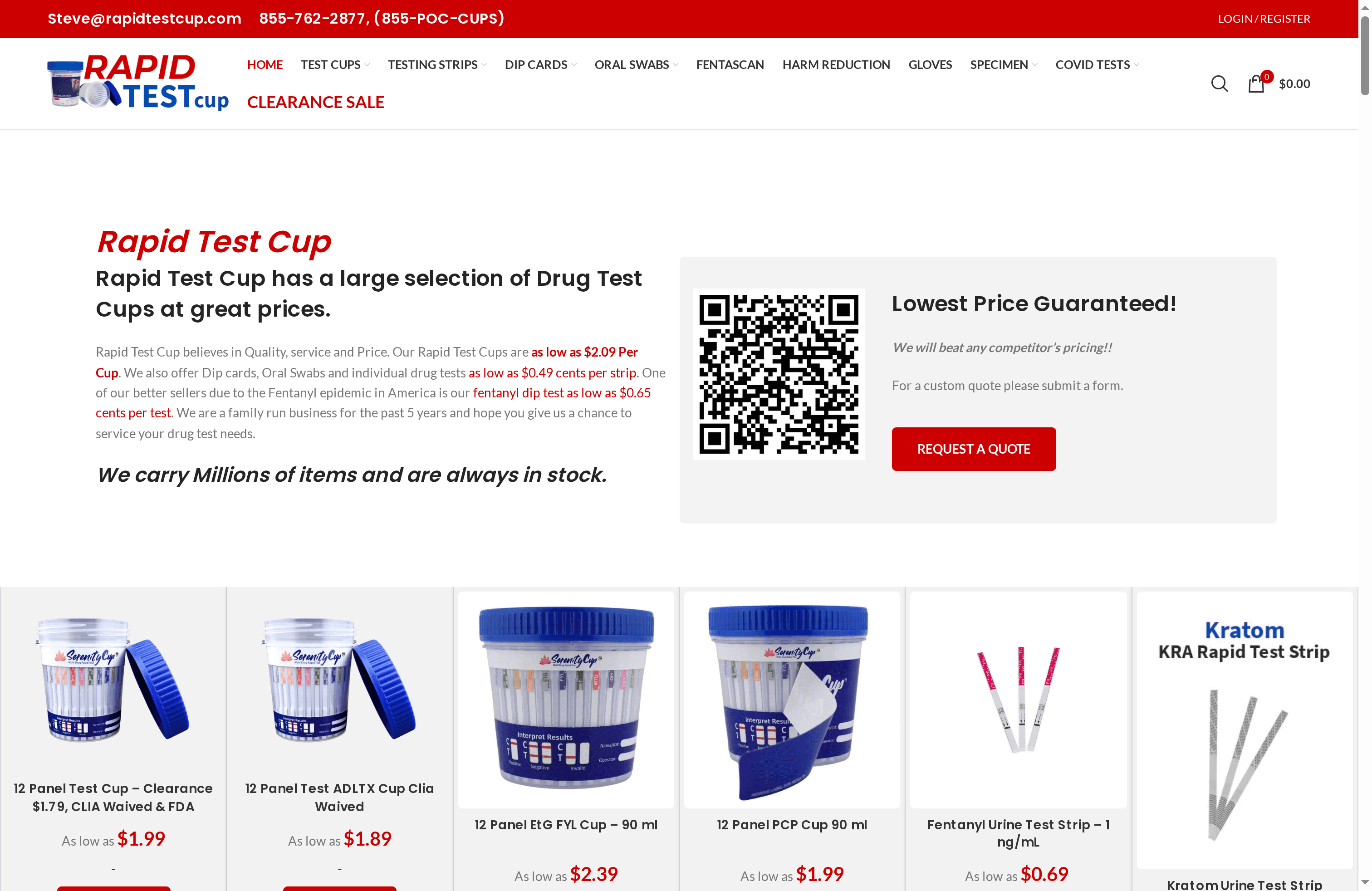
Our 12 panel ADLTX cup provides comprehensive screening with integrated adulterant detection, protecting result integrity. The MET drug test strip offers targeted methamphetamine screening at exceptional value. For maximum coverage, the 22 panel drug test with adulterants detects emerging substances including synthetic compounds.
Every product includes:
- FDA clearance and CLIA waived status
- Clear manufacturer instructions
- Bulk pricing options
- Fast shipping nationwide
Our kits meet the accuracy and reliability standards discussed throughout this guide. We ship quickly and support your program with responsive customer service. Order today and streamline your testing operations.
Frequently asked questions about CLIA waived kits
What training is necessary for staff using CLIA waived kits?
Staff need training covering specimen collection, test administration following manufacturer instructions, result interpretation, and documentation. Most operators achieve competency within 2 to 4 hours of instruction and supervised practice. Regular competency assessments help maintain skills.
Can CLIA waived kits be used in any clinical setting?
Waived kits can be used in any facility holding a valid Certificate of Waiver from CMS. This includes physician offices, clinics, substance abuse programs, and employer testing sites. The certificate costs approximately $150 biennially and requires minimal paperwork.
How do CLIA waived drug tests compare to high complexity tests in accuracy?
Waived tests achieve similar accuracy to complex laboratory methods for initial screening. Both typically demonstrate 95% or higher sensitivity and specificity at standard cutoff concentrations. All positive screening results should receive confirmatory testing using laboratory methods like gas chromatography mass spectrometry regardless of initial test complexity.
What are typical turnaround times for results with waived kits?
Most waived immunoassay drug tests deliver results in 3 to 10 minutes after specimen application. This immediate availability enables same-visit counseling and treatment planning. Laboratory confirmation of positive results typically requires 1 to 3 business days.
Are there quality control protocols specific to waived testing?
While not federally mandated, best practices include running positive and negative controls with each new test lot or monthly. Document control results and investigate failures before patient testing. Verify proper storage temperatures and check expiration dates. These voluntary measures significantly improve reliability and demonstrate commitment to quality.