

Blog
Why Test for Multiple Substances: Reducing Risk and Enhancing Recovery


Nearly one in three american patients enrolled in treatment programs test positive for more than one substance at intake. This reality highlights why understanding multi-substance detection is crucial for administrators committed to achieving real compliance. With substance abuse patterns growing increasingly complex from the United States to Australia, exploring cutting-edge drug testing methods equips treatment centers to respond accurately, minimize risks, and provide safer, more accountable care.
Table of Contents
- Defining Multi-Substance Drug Testing Methods
- Types of Multi-Panel Screening and Their Coverage
- How Multi-Substance Detection Supports Compliance
- Legal and Safety Implications for Programs
- Cost, Errors, and Choosing the Right Test
Key Takeaways
| Point | Details |
|---|---|
| Multi-Substance Drug Testing | Advanced testing methods like LC–MS–MS allow for comprehensive screening of biological specimens for multiple drug compounds simultaneously. |
| Types of Multi-Panel Tests | Multi-panel tests range from 5 to 12 drugs, customized to specific environments for accurate substance use insights. |
| Support for Compliance | Multi-substance detection aids compliance in clinical and workplace settings by providing detailed insights into substance use patterns. |
| Cost and Accuracy Considerations | Evaluate testing methods based on cost-effectiveness and the needed level of accuracy to align with organizational goals. |
Defining Multi-Substance Drug Testing Methods
Multi-substance drug testing represents a sophisticated approach to comprehensively screening biological specimens for the presence of multiple drug compounds simultaneously. Advanced testing techniques utilize sophisticated methodologies like liquid chromatography tandem mass spectrometry (LC–MS–MS) to detect diverse substances across complex drug classes with exceptional precision.
The primary goal of multi-substance testing is to provide a comprehensive screening mechanism that goes beyond traditional single-substance detection. These methods can simultaneously analyze urine, blood, or hair samples for a wide range of substances including prescription medications, illicit drugs, and emerging psychoactive compounds. By consolidating various tests into a unified approach, professionals can obtain more nuanced insights into an individual’s substance use patterns and potential risks.
Typical multi-substance drug testing panels often include screenings for key drug categories such as amphetamines, cannabinoids, cocaine, opioids, benzodiazepines, and synthetic substances. Drug testing methods typically involve an initial screening process followed by confirmatory testing to ensure accuracy and minimize false positive or negative results. This multilayered approach allows treatment professionals, workplace safety managers, and legal authorities to make informed decisions based on comprehensive substance use information.
Pro tip: When implementing multi-substance drug testing, always work with certified laboratories that follow standardized protocols and can provide detailed, accurate interpretation of test results.
Types of Multi-Panel Screening and Their Coverage
Multi-panel drug screening represents a critical tool in detecting and understanding complex substance use patterns. Polydrug screening techniques enable comprehensive testing that addresses the intricate landscape of substance consumption across multiple drug categories, providing crucial insights for healthcare professionals and legal authorities.

Typical multi-panel drug tests are designed to detect a wide range of substances, with panels varying from basic 5-drug screenings to more extensive 10 or 12-drug comprehensive tests. Common drug categories included in these panels are amphetamines, cannabinoids, cocaine, opioids, benzodiazepines, barbiturates, and synthetic substances. Drug screening methodologies typically utilize urine samples to detect metabolites, allowing for a nuanced understanding of an individual’s substance use history and potential risks.
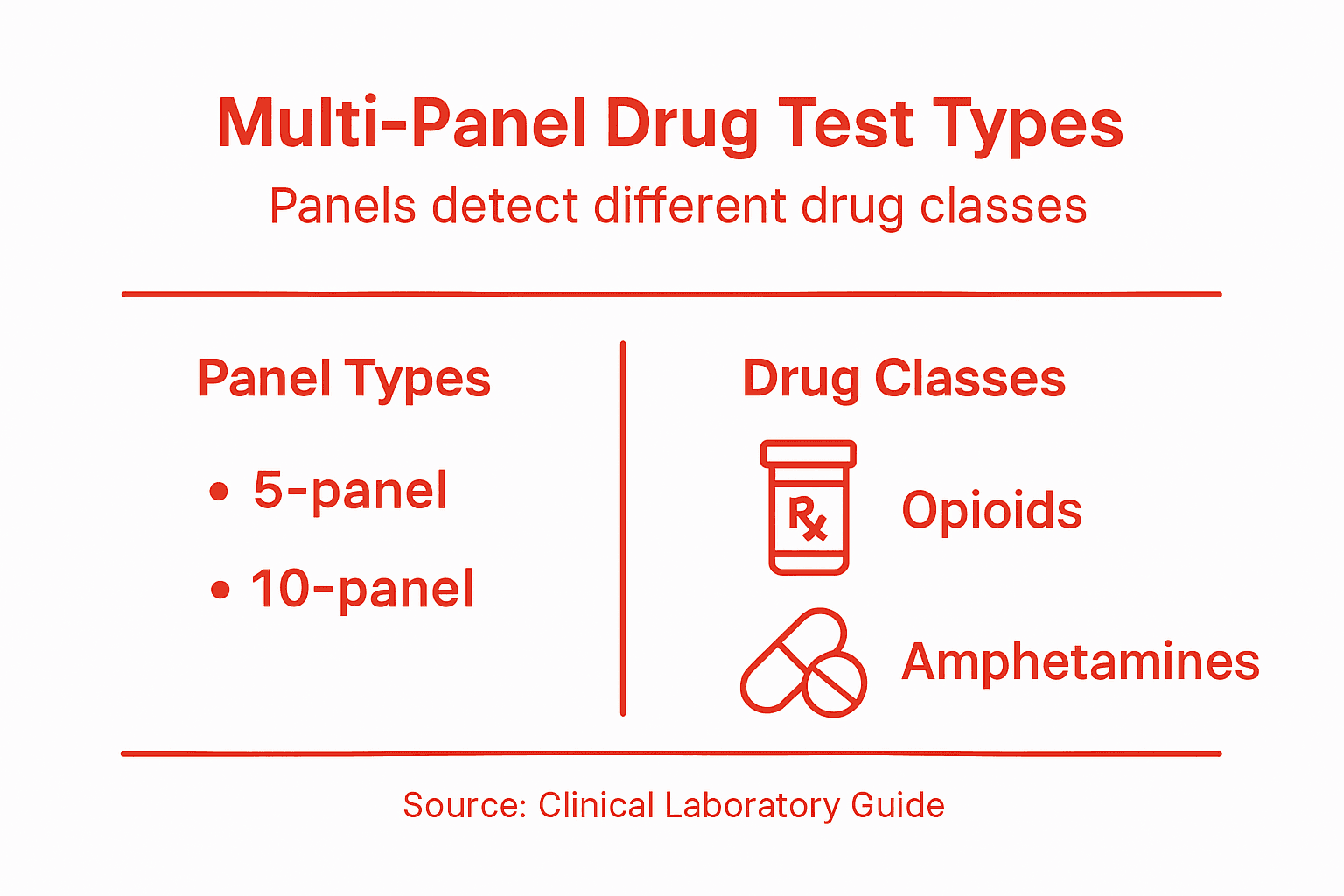
Here is a comparison of common multi-panel drug test types and their typical coverage:
| Panel Type | Number of Drugs Detected | Typical Use Cases |
|---|---|---|
| 5-panel | 5 | Standard workplace screening |
| 10-panel | 10 | Healthcare, legal, rehab |
| 12-panel | 12 | Comprehensive clinical review |
| Customized | Varies | Targeted high-risk populations |
The complexity and coverage of multi-panel drug tests can be strategically tailored to specific contexts. Workplace drug screening might focus on different substances compared to clinical treatment programs, with panel selections reflecting the unique requirements of each environment. Forensic settings, rehabilitation centers, and medical facilities often customize their screening approaches to address specific population needs, ensuring that the testing methodology provides the most relevant and comprehensive information possible.
Pro tip: When selecting a multi-panel drug test, carefully consider the specific substances most relevant to your testing context and choose a panel that provides the most comprehensive and targeted coverage.
How Multi-Substance Detection Supports Compliance
Drug testing protocols play a critical role in maintaining comprehensive compliance across various professional and healthcare environments. Multi-substance detection provides organizations with a robust mechanism to monitor, evaluate, and enforce substance use policies, ensuring safety and adherence to established guidelines across different sectors.
In clinical treatment settings, multi-substance detection enables healthcare professionals to track patient progress, identify potential relapse risks, and develop targeted intervention strategies. By detecting multiple substances simultaneously, treatment providers can gain a more holistic understanding of an individual’s substance use patterns, which is essential for creating personalized recovery plans. This approach allows for more nuanced monitoring that goes beyond simple pass/fail screening.
Polydrug use testing supports compliance by providing organizations with comprehensive insights into substance consumption across various contexts. Workplace safety programs, legal compliance departments, and rehabilitation centers can utilize these advanced screening methods to detect complex substance interactions, assess potential risks, and make informed decisions about individual participation in specific programs or activities. The ability to identify co-use of multiple substances significantly enhances risk management capabilities.
Pro tip: Implement a standardized multi-substance testing protocol that allows for consistent, comprehensive screening while maintaining individual privacy and legal compliance.
Legal and Safety Implications for Programs
Drug testing protocols require a delicate balance between maintaining organizational safety and protecting individual legal rights. Organizations must navigate complex legal landscapes that demand comprehensive yet ethical substance screening approaches, ensuring that testing methodologies respect personal privacy while addressing critical safety concerns across various professional environments.
Multi-substance screening provides critical insights for safety-sensitive roles, helping organizations identify potential risks before they escalate. In workplace settings, transportation industries, healthcare, and legal systems, these comprehensive testing approaches allow for nuanced understanding of an individual’s substance use patterns. Legal drug testing frameworks mandate that screening processes remain transparent, fair, and consistently applied, protecting both organizational interests and individual rights.
The legal implications of multi-substance testing extend beyond simple compliance, encompassing broader considerations of risk management, workplace safety, and individual rehabilitation potential. Different sectors require tailored approaches that consider unique regulatory requirements, from medical treatment programs to industrial safety protocols. These testing methodologies must demonstrate scientific validity, maintain strict confidentiality standards, and provide clear mechanisms for challenging or verifying test results.
Pro tip: Develop a comprehensive drug testing policy that clearly communicates testing procedures, potential consequences, and individual rights to ensure transparency and legal compliance.
Cost, Errors, and Choosing the Right Test
Drug testing methodologies require careful consideration of cost-effectiveness, accuracy, and detection capabilities. Organizations must navigate a complex landscape of testing options, balancing budget constraints with the critical need for comprehensive and reliable substance screening. Immunoassay point-of-care tests offer quick and affordable initial screening, while more advanced laboratory techniques provide deeper, more precise substance analysis.
Different testing methods present unique trade-offs between cost and accuracy. Urine screenings remain the most common approach, providing a cost-effective solution for broad substance detection. However, these tests are not without limitations. Substance testing strategies reveal that initial screenings often require confirmatory testing to mitigate potential false positive or negative results, which can introduce additional expenses and complexity to the testing process.
The table below summarizes key factors to consider when choosing a drug testing method:
| Factor | Immunoassay Tests | LC–MS–MS Lab Tests |
|---|---|---|
| Cost | Low | Higher per test |
| Speed | Minutes | Several hours to days |
| Detection Range | Limited substances | Very broad, many substances |
| Accuracy | Moderate, risk of errors | High precision and specificity |
Choosing the right drug testing approach involves evaluating multiple factors, including detection window, substance specificity, cost per test, and organizational risk tolerance. Some programs might prioritize comprehensive screening across multiple substances, while others require more targeted approaches focused on specific high-risk compounds. The key is developing a testing strategy that aligns with specific compliance needs, budget limitations, and the unique characteristics of the population being tested.
Pro tip: Implement a tiered testing approach that uses cost-effective initial screenings followed by confirmatory laboratory tests for more accurate and comprehensive substance detection.
Enhance Your Multi-Substance Testing with Trusted Solutions
The challenge of accurately detecting multiple substances requires reliable, FDA-approved testing kits designed to minimize errors and support comprehensive screening protocols. If you are looking to reduce risk and enhance recovery outcomes, having access to a wide range of multi-panel drug test cups and collection supplies is essential. Rapidtestcup.com offers high-quality, CLIA waived products that align perfectly with the advanced methodologies described in the article such as multi-substance detection and polydrug screening.
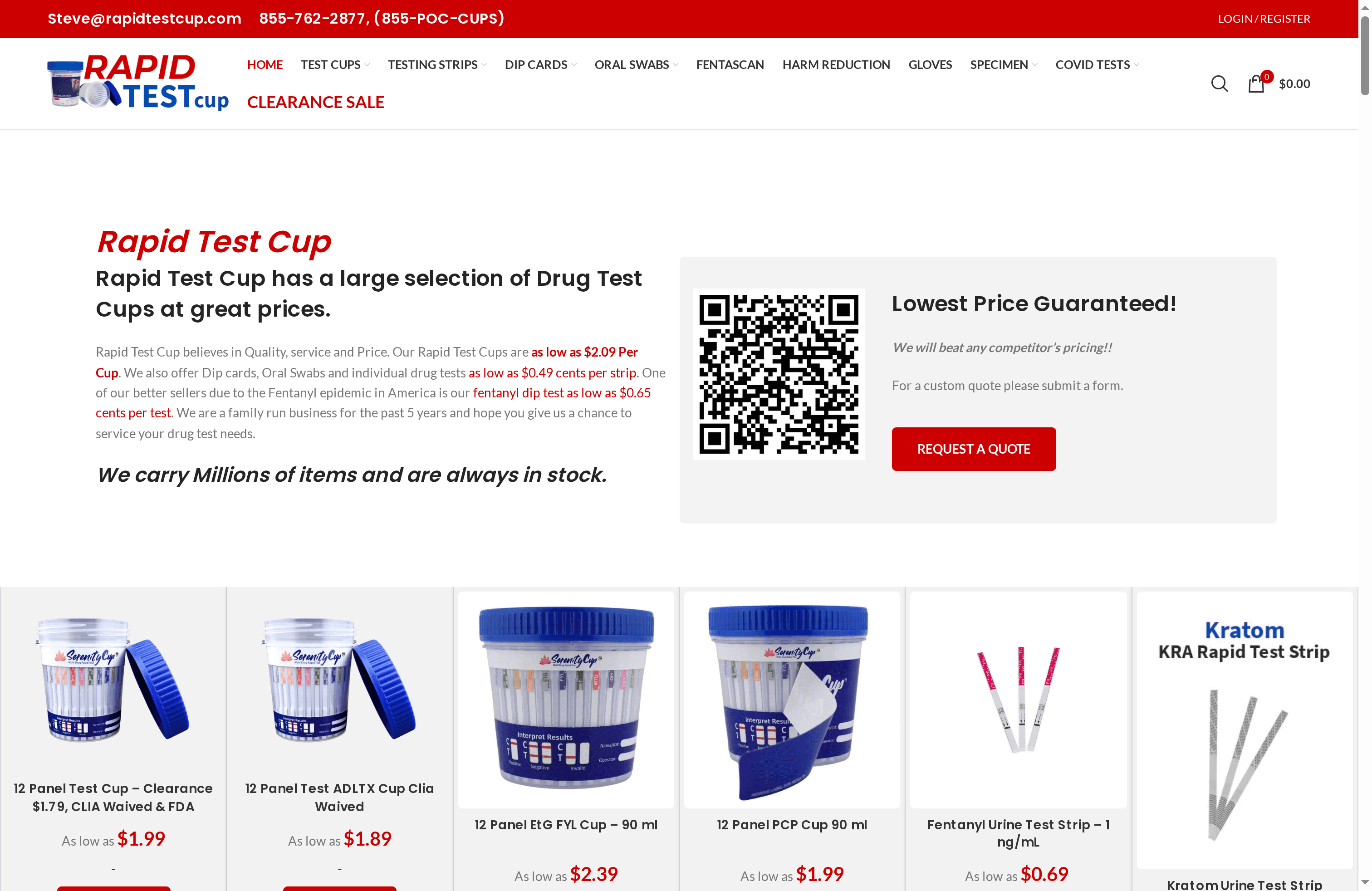
Take control of your substance testing program today by exploring our extensive catalog that serves laboratories, clinics, and professional programs alike. Visit Rapidtestcup now to find affordable multi-panel drug test cups and specimen collection accessories. Act now and empower your compliance and safety efforts with trusted tools built for precision and ease of use.
Frequently Asked Questions
What is multi-substance drug testing?
Multi-substance drug testing is a method used to screen biological samples for the presence of multiple drug compounds at once, providing a comprehensive view of an individual’s substance use patterns.
Why is it important to test for multiple substances?
Testing for multiple substances helps identify co-use of drugs, allows for better understanding of substance use patterns, and enhances risk management and treatment strategies in both healthcare and workplace settings.
How do multi-panel drug tests work?
Multi-panel drug tests typically analyze samples like urine for the presence of various metabolites of different substances, using initial screenings followed by confirmatory tests to ensure accuracy.
What factors should be considered when choosing a drug testing method?
When choosing a drug testing method, consider factors such as cost, detection range, accuracy, and whether the screening approach aligns with the specific context and compliance needs of the situation.