Blog
7 Essential Steps for an Effective Drug Testing Checklist


Setting up an effective drug testing process can feel overwhelming when you want to meet strict legal requirements and keep your program fair. From choosing the right testing kits to protecting sensitive records, missing just one detail can expose your organization to risk and unreliable results.
This guide unlocks practical steps that make drug testing both accurate and defensible. You will learn how to build compliant policies, select the best screening methods, and avoid costly mistakes. Get ready to discover hands-on insights that will clarify every phase of your drug testing workflow and help you stay compliant every step of the way.
Table of Contents
- 1. Define Testing Objectives And Policies
- 2. Select Appropriate Drug Testing Kits
- 3. Prepare Specimen Collection Supplies
- 4. Train Staff On Proper Sample Handling
- 5. Implement Chain Of Custody Procedures
- 6. Conduct Test And Interpret Results
- 7. Document And Safeguard Test Records
Quick Summary
| Takeaway | Explanation |
|---|---|
| 1. Establish Clear Testing Objectives | Define substance scope, legal compliance, and policy clarity to guide effective drug testing practices. |
| 2. Choose Reliable Testing Kits | Select kits based on specimen type, detection panel, and regulatory compliance for accurate results. |
| 3. Ensure Proper Specimen Collection | Prepare necessary supplies and follow detailed protocols to maintain sample integrity during collection. |
| 4. Train Staff Thoroughly | Provide comprehensive training on sample handling, documentation, and legal requirements to ensure testing integrity. |
| 5. Implement Chain of Custody Procedures | Maintain meticulous documentation of sample handling to ensure legal validity and prevent tampering. |
1. Define Testing Objectives and Policies
Drug testing begins with crystal clear objectives and robust policies that protect both organizations and individuals. Establishing comprehensive testing guidelines is your foundational step in creating an effective and legally compliant screening process.
Defining testing objectives requires a strategic approach that aligns with legal requirements and organizational goals. Federal workplace regulations mandate specific standards for drug testing policies, emphasizing the need for systematic and fair procedures.
Key elements of effective testing objectives include:
Scope of Testing
• Identifying which substances will be screened
• Determining testing frequency
• Specifying which employee groups or situations trigger testing
Legal Compliance
• Adhering to Americans with Disabilities Act guidelines
• Following state and federal workplace drug testing laws
• Protecting employee privacy rights
Policy Transparency
• Clearly communicating testing procedures to all employees
• Explaining consequences of positive test results
• Outlining appeal or confirmation testing processes
Organizations must also consider the International Standard for Testing and Investigations guidelines to ensure comprehensive and ethical testing protocols.
Pro tip: Consult legal counsel when drafting drug testing policies to ensure full compliance and minimize potential workplace litigation risks.
2. Select Appropriate Drug Testing Kits
Choosing the right drug testing kit is critical for obtaining accurate and reliable results. Your selection directly impacts the effectiveness of your screening process and the quality of information you will receive.
Different testing scenarios require specific approaches. Drug testing methods vary based on objectives, substances, and testing environments, making careful kit selection essential.
Key Considerations for Kit Selection
• Specimen Type: Determine whether you need urine, oral fluid, hair, or blood tests
• Detection Panel: Choose kits that screen for specific substances relevant to your testing needs
• Sensitivity and Accuracy: Verify the kit’s ability to detect substances at required thresholds
• Compliance Requirements: Ensure kits meet federal and state regulatory standards
Detection Panel Options
Comprehensive Panels
• 5 panel tests: Screens for core substances like marijuana, cocaine, opiates
• 10 panel tests: Includes additional substances such as barbiturates, benzodiazepines
• Expanded panels for specialized screening needs
The U.S. Department of Health and Human Services recommends selecting testing kits that provide consistent and scientifically validated results.
Pro tip: Always cross reference kit specifications with your specific testing requirements and verify certifications before making a final selection.
3. Prepare Specimen Collection Supplies
Successful drug testing begins with meticulous specimen collection preparation. Proper supplies and protocols are your first line of defense in ensuring accurate and legally defensible test results.
The World Anti-Doping Agency emphasizes the critical importance of comprehensive specimen collection preparation. This involves assembling a complete set of supplies that maintain sample integrity and support reliable testing procedures.
Essential Specimen Collection Supplies
• Collection Containers
- Sterile urine specimen cups
- Tamper evident containers
- Temperature monitoring strips
• Documentation Materials
- Chain of custody forms
- Identification labels
- Sealing bags with security features
• Personal Protective Equipment
- Medical grade gloves
- Protective eyewear
- Disposable aprons
Specific Preparation Requirements
Accurate specimen handling requires careful attention to detail. The American Society of Addiction Medicine recommends creating a standardized preparation checklist that covers every aspect of sample collection.
Critical Preparation Steps
- Verify all supplies are unexpired
- Check container seal integrity
- Prepare documentation forms in advance
- Organize supplies in a clean, accessible manner
Pro tip: Create a pre-testing supply checklist and conduct a supply inventory audit monthly to ensure you always have fresh, compliant collection materials ready.
4. Train Staff on Proper Sample Handling
Proper sample handling is the cornerstone of reliable drug testing results. Your staff are the critical human element that can make or break the entire testing process.
Federal workplace drug testing programs emphasize the critical importance of comprehensive staff training to maintain testing integrity and legal compliance.
Essential Training Components
Technical Skills
• Correct specimen collection techniques
• Understanding contamination prevention
• Proper use of collection equipment
• Accurate documentation procedures
Legal and Ethical Requirements
• Privacy protection protocols
• Confidentiality maintenance
• Chain of custody documentation
• Understanding legal implications of mishandling
Practical Training Strategies
- Develop comprehensive written procedures
- Conduct hands on demonstration sessions
- Implement regular skills verification tests
- Create scenario based learning modules
The World Anti-Doping Agency recommends ongoing training to ensure consistent performance and adherence to global standards.
Training Verification Methods
• Written knowledge assessments
• Practical skills demonstration
• Periodic performance reviews
• Continuing education credits
Pro tip: Implement a quarterly training refresher program and maintain detailed training records to ensure your staff remain current with the latest sample handling protocols and legal requirements.
5. Implement Chain of Custody Procedures
Chain of custody is the forensic documentation process that tracks a sample from collection through final analysis. Think of it as a detailed roadmap that guarantees the legal and scientific validity of your drug testing process.
Federal regulations mandate comprehensive documentation to ensure sample integrity and legal defensibility.
Critical Chain of Custody Documentation
Initial Collection Requirements
• Unique sample identification number
• Detailed collector information
• Date and time of collection
• Donor identification verification
• Specimen condition notes
Transfer Documentation
• Precise transfer timestamps
• Signatures of all personnel handling sample
• Transportation log details
• Secure packaging verification
Tracking Protocols
- Use tamper evident seals
- Maintain continuous documentation
- Implement digital tracking systems
- Store physical documentation securely
The International Standard for Testing emphasizes meticulous record keeping to prevent sample manipulation.
Documentation Best Practices
• Create standardized forms
• Train all staff thoroughly
• Implement redundant tracking systems
• Conduct regular internal audits
Pro tip: Develop a comprehensive digital and physical documentation backup system to ensure sample tracking information remains retrievable and verifiable for extended periods.
6. Conduct Test and Interpret Results
Drug testing requires precision technical skills and careful scientific interpretation. Understanding how to conduct tests and analyze results accurately is crucial for maintaining testing integrity and reliability.
Clinical guidelines emphasize the complexity of drug test result interpretation beyond simple positive or negative outcomes.
Test Procedure Steps
Initial Screening
• Use validated immunoassay techniques
• Apply appropriate cutoff concentration levels
• Screen for multiple substance categories
• Document initial screening conditions
Confirmatory Testing
• Utilize gas chromatography
• Employ mass spectrometry techniques
• Verify initial screening results
• Ensure high precision measurements
Result Interpretation Considerations
- Recognize potential false positive indicators
- Understand drug metabolism variations
- Consider prescription medication interactions
- Review donor medical history context
The U.S. Anti-Doping Agency recommends comprehensive review processes to ensure result accuracy and fairness.
Advanced Interpretation Strategies
• Consult medical review officers
• Implement multi stage verification
• Allow donor explanation opportunities
• Maintain strict confidentiality protocols
Pro tip: Develop a standardized protocol for result communication that balances scientific accuracy with personal sensitivity and legal compliance.
7. Document and Safeguard Test Records
Secure documentation is the final fortress protecting the integrity of your drug testing process. Your records are not just paperwork they are legal evidence and scientific documentation that must be meticulously maintained.
Federal drug testing programs mandate rigorous standards for record management to ensure privacy and legal compliance.
Documentation Protection Strategies
Physical Record Management
• Use locked filing cabinets
• Limit physical access to authorized personnel
• Implement sign in tracking for record retrieval
• Create backup physical copies
Digital Record Security
• Encrypt electronic files
• Use secure cloud storage systems
• Apply multifactor authentication
• Maintain regular data backups
Retention and Access Protocols
- Establish clear record retention timelines
- Create comprehensive access logs
- Train staff on confidentiality requirements
- Develop secure disposal procedures
The American Society of Addiction Medicine emphasizes maintaining detailed yet confidential documentation practices.
Compliance Documentation Elements
• Test authorization forms
• Collection procedures documentation
• Chain of custody records
• Result interpretation notes
• Medical review officer reports
Pro tip: Implement a digital document management system with automatic encryption and strict access controls to streamline record keeping while maintaining maximum security.
Below is a comprehensive table summarizing the steps and considerations for implementing an effective and legally compliant drug testing procedure as outlined in the article.
| Procedure Step | Description | Considerations and Benefits |
|---|---|---|
| Define Testing Objectives | Establish clear objectives and create comprehensive policies aligned with legal requirements. | Ensures compliance with laws and protects organization and individual rights. |
| Select Testing Kits | Choose kits appropriate for the testing scenario, prioritizing accuracy and compliance. | Enhances result reliability and aligns with regulatory standards. |
| Prepare Specimen Supplies | Gather necessary collection materials and maintain their readiness for use. | Ensures sample integrity and supports reliable testing procedures. |
| Train Staff | Educate staff on accurate sample handling, legal requirements, and proper equipment use. | Preserves testing process integrity and adherence to guidelines. |
| Chain of Custody | Implement thorough documentation tracking samples from collection to analysis. | Guarantees testing validity and legal defensibility. |
| Conduct Testing | Perform screenings and confirm results using validated methods and interpret accurately. | Achieves precise and fair testing outcomes. |
| Document Records | Securely store detailed records, maintaining confidentiality and creating backup systems. | Preserves evidentiary validity and ensures information security. |
Ensure Reliable Drug Testing with Quality Supplies from RapidTestCup
The article “7 Essential Steps for an Effective Drug Testing Checklist” highlights the challenges of maintaining accuracy, legal compliance, and integrity throughout the drug testing process. Whether you need to define clear testing policies, prepare specimen collection supplies, or implement chain of custody procedures, having dependable and certified testing products is critical to your success. Avoid the risks of unreliable kits, improper sample handling, or incomplete documentation that can jeopardize your program.
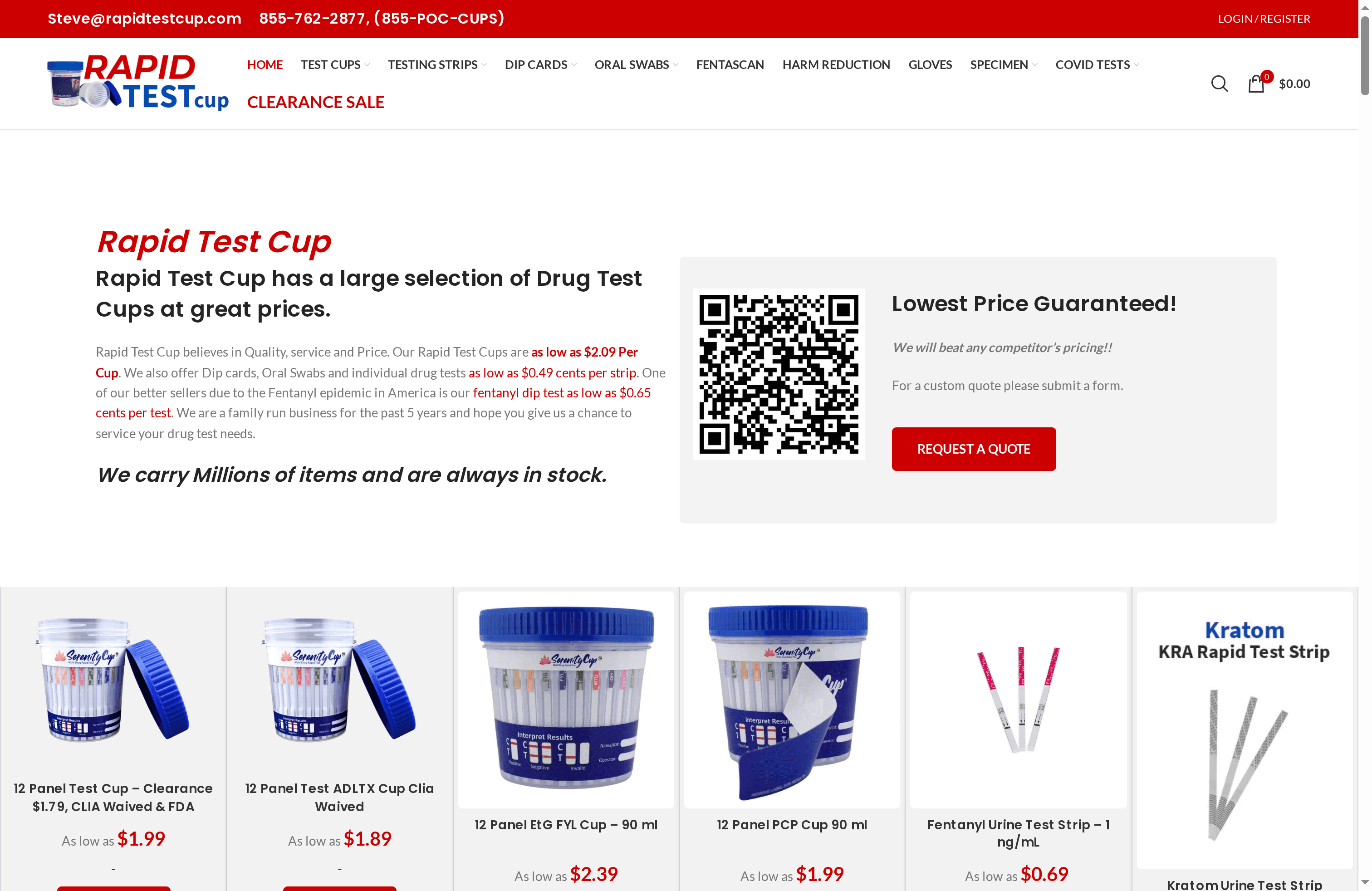
Take control of your drug testing program today by choosing from RapidTestCup’s wide selection of FDA-approved, CLIA-waived drug test cups, dip cards, and specimen collection materials designed for professional and forensic use. Experience fast shipping, affordability, and quality assurance all in one place. Ready to simplify your drug testing checklist while meeting stringent compliance standards? Explore our offerings now at RapidTestCup and equip your team with trusted tools. Visit RapidTestCup to order or request a custom quote tailored to your needs.
Frequently Asked Questions
What are the first steps to creating an effective drug testing checklist?
Begin by defining clear testing objectives and policies. Outline the scope of testing, legal compliance requirements, and ensure policy transparency to protect both your organization and employees.
How do I choose the right drug testing kits for my organization?
Select drug testing kits based on the specimen type you will use and the substances you need to screen. Ensure the kits meet sensitivity and accuracy standards as well as compliance requirements to maintain reliability in your testing procedures.
What supplies do I need for proper specimen collection?
Gather essential specimen collection supplies such as sterile containers, documentation materials, and personal protective equipment. Prepare a checklist to ensure all supplies are ready and compliant before testing begins.
How can I ensure my staff are properly trained on sample handling?
Implement comprehensive training that includes technical skills and legal requirements for staff involved in drug testing. Conduct hands-on demonstrations and regular refresher courses to maintain high standards in sample handling.
What is the importance of chain of custody procedures in drug testing?
Chain of custody procedures protect the integrity of drug testing samples by documenting each step from collection to analysis. Establish strict documentation practices to track samples and minimize the risk of manipulation.
How should I safeguard test records after conducting drug testing?
Securely store physical records in a locked area and encrypt digital records using secure storage solutions. Develop clear protocols for access and retention of test records to ensure compliance and confidentiality.