Blog
Drug Screening Workflow Guide for Effective Workplace Compliance


Balancing safety and privacy is a daily challenge for many Human Resources teams in American companies. Creating an effective drug screening program means addressing legal compliance, protecting employee rights, and communicating expectations clearly. You will discover how to build a reliable workflow from policy design to secure drug test handling, supporting both organizational goals and the privacy concerns of your workforce by following proven, evidence-based drug prevention standards.
Table of Contents
- Step 1: Establish Clear Drug Screening Policies
- Step 2: Select Appropriate Drug Testing Products
- Step 3: Train Staff on Collection and Handling
- Step 4: Conduct Drug Screenings Securely
- Step 5: Verify Results and Document Procedures
Quick Summary
| Key Message | Explanation |
|---|---|
| 1. Establish Clear Policies | Develop detailed drug screening policies that outline expectations, procedures, and employee protections to ensure safety and compliance. |
| 2. Choose Appropriate Testing Methods | Select drug testing methods based on organizational needs, focusing on accuracy, detection windows, and costs to ensure effective screenings. |
| 3. Train Staff Thoroughly | Implement comprehensive training for staff on sampling protocols, privacy, and legal standards to uphold the integrity of drug testing. |
| 4. Conduct Secure Screenings | Use standardized procedures and maintain confidentiality during drug screenings to protect employee rights and ensure accurate results. |
| 5. Document and Verify Results | Maintain meticulous records and verification processes for drug test results to uphold compliance and ensure accurate decision-making. |
Step 1: Establish clear drug screening policies
Building a robust drug screening workflow starts with developing comprehensive workplace policies that protect both employee rights and organizational safety. Effective drug prevention standards require thoughtful planning and clear communication.
Your drug screening policy should outline specific expectations, testing procedures, consequences, and employee protections. Start by defining which positions require testing (safety-sensitive roles, transportation workers, healthcare professionals), testing frequency (pre-employment, random, post-incident), and the types of substances being screened. Specify whether tests will involve urine, hair, or blood samples and establish consistent protocols for collection, analysis, and result interpretation.
Ensure your policy includes a transparent process for handling positive test results, including opportunities for employee rehabilitation, medical review, and potential retesting. Screening recommendations from preventive services emphasize the importance of connecting employees with appropriate support resources rather than immediately terminating employment.
Pro tip: Consult legal counsel to ensure your drug screening policy complies with federal and state regulations while protecting employee privacy and maintaining fair employment practices.
Step 2: Select appropriate drug testing products
Choosing the right drug testing products is crucial for maintaining workplace safety and ensuring accurate, reliable screening results. Drug testing methods vary significantly across different workplace environments, requiring careful consideration of your specific organizational needs.
Carefully evaluate the types of drug tests available to match your screening requirements. Urine tests are the most common for workplace screenings, offering a good balance between cost effectiveness and detection capabilities. Consider multi panel drug tests that screen for multiple substances simultaneously, including marijuana, cocaine, amphetamines, opioids, and other commonly abused drugs. Pay attention to the detection windows, accuracy rates, and compliance with federal guidelines when selecting testing kits.
Here’s a quick comparison of drug testing sample types commonly used in workplace screenings:
| Sample Type | Detection Window | Collection Method | Business Impact |
|---|---|---|---|
| Urine | 1-5 days | Non-invasive | Cost-effective, quick results |
| Hair | Up to 90 days | Non-invasive | Long-term detection, higher cost |
| Blood | Hours to 2 days | Invasive | Accurate, best for recent use |
Your selection should also account for the specific roles and risk levels within your organization. Appropriate drug testing guidance emphasizes the importance of tailoring testing methods to your unique workplace context. Look for CLIA waived and FDA approved testing products that provide reliable results and maintain chain of custody documentation.
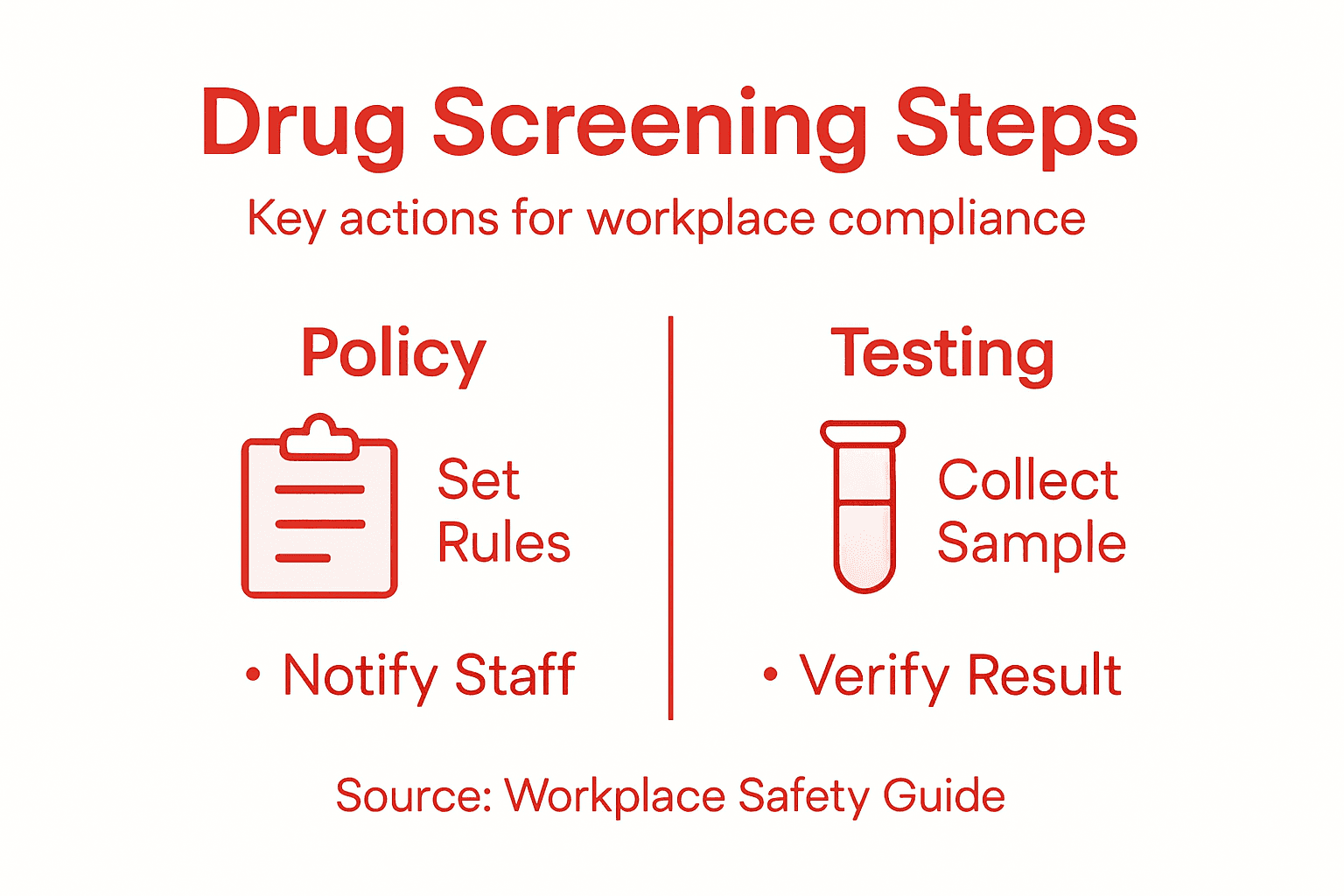
Pro tip: Request sample testing kits from multiple manufacturers to compare performance, accuracy, and ease of use before making a final bulk purchase.
Step 3: Train staff on collection and handling
Effective drug screening hinges on meticulous staff training that ensures precise sample collection and maintenance of legal standards. Standardized testing protocols are critical for maintaining the integrity of your drug screening process and protecting both employee rights and organizational safety.
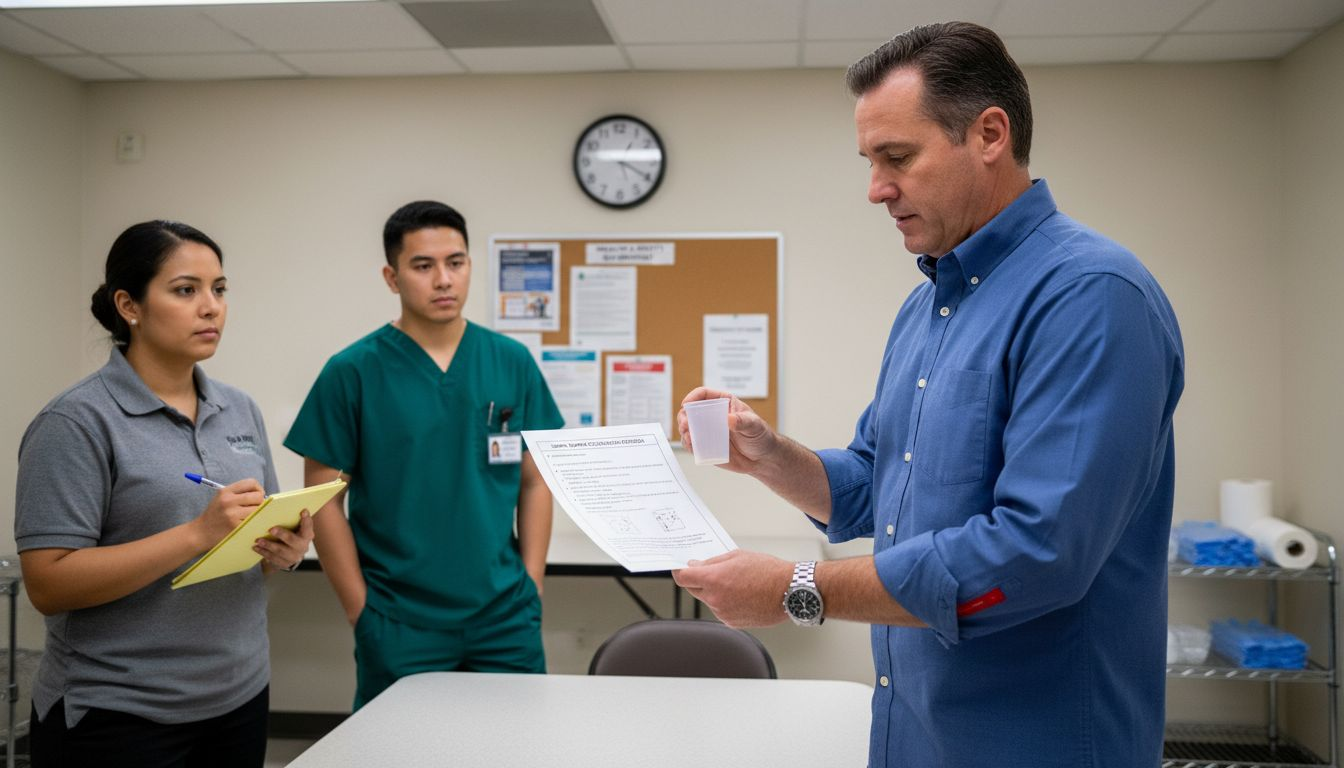
Develop a comprehensive training program that covers every aspect of sample collection and handling. This should include proper identification verification, maintaining chain of custody documentation, understanding contamination risks, and following precise collection procedures. Staff must learn how to manage different testing scenarios, handle potential challenges like sample dilution or substitution, and recognize signs of potential tampering. Emphasize the importance of professionalism, privacy protection, and maintaining strict confidentiality throughout the testing process.
Clinical specimen handling protocols recommend comprehensive training modules that cover specimen labeling, secure transport, appropriate storage conditions, and documentation requirements. Implement hands-on training sessions with practical demonstrations, role-playing scenarios, and periodic certification renewals to ensure ongoing competency and adherence to the latest industry standards.
Pro tip: Create video-based training modules and quarterly refresher courses to keep staff skills sharp and updated with the latest drug testing best practices.
Step 4: Conduct drug screenings securely
Secure drug screening protocols are essential for maintaining workplace safety and protecting employee privacy. Your drug screening process must balance thorough testing with stringent confidentiality measures to ensure accurate and legally compliant results.
Implement a standardized collection procedure that minimizes potential privacy violations and prevents sample tampering. This includes setting up a private collection area, requiring proper identification, and using trained personnel who understand the importance of maintaining chain of custody. Establish clear guidelines for specimen collection, including protocols for direct observation when necessary, ensuring that the process respects individual dignity while maintaining testing integrity.
Workplace drug screening guidelines emphasize the need for comprehensive documentation and secure handling. Use tamper evident collection containers, implement strict tracking systems, and create multiple documentation points that record every step of the testing process. Ensure all staff involved in screening understand the legal and ethical responsibilities of maintaining confidential medical information and follow precise protocols for sample storage, transportation, and analysis.
Pro tip: Develop a standardized digital tracking system that logs each step of the drug screening process to create an auditable and transparent record.
Step 5: Verify results and document procedures
Good documentation practices are critical for maintaining the integrity of your drug screening workflow. The verification process requires meticulous attention to detail and a systematic approach to reviewing and recording test results.
Establish a comprehensive verification protocol that includes multiple checkpoints for confirming test accuracy. This involves cross-referencing initial screening results with confirmatory testing, ensuring chain of custody documentation is complete, and having qualified medical review officers independently validate positive results. Create standardized forms that capture all essential information, including specimen identification numbers, collection timestamps, testing methodology, and detailed result interpretations.
Screening result documentation guidelines recommend maintaining secure digital and physical records with strict access controls. Implement a multi-tier verification process where results pass through at least two independent reviewers, each documenting their assessment. Develop clear protocols for handling inconclusive or disputed results, including procedures for retesting and maintaining confidentiality throughout the review process.
The table below summarizes the essential documentation steps for verifying drug test results:
| Step | Purpose | Who Reviews |
|---|---|---|
| Initial Screening | Identify potential positives | Lab technician |
| Chain of Custody | Ensure sample integrity | Supervisor |
| Confirmatory Testing | Validate initial findings | Medical officer |
| Final Review | Make employment decision | HR, legal counsel |
Pro tip: Invest in digital documentation software that automatically timestamps and encrypts test result records to enhance security and audit trail capabilities.
Optimize Your Drug Screening Workflow with Trusted Testing Solutions
Navigating the complexities of establishing clear drug screening policies and securely verifying results can be daunting. The pressures of maintaining compliance while ensuring accurate, reliable testing highlight the need for high-quality, FDA-approved products you can depend on. With the critical steps of sample collection, testing accuracy, and documentation emphasized in the guide, finding the right tools becomes essential to protect your workforce and uphold regulatory standards.
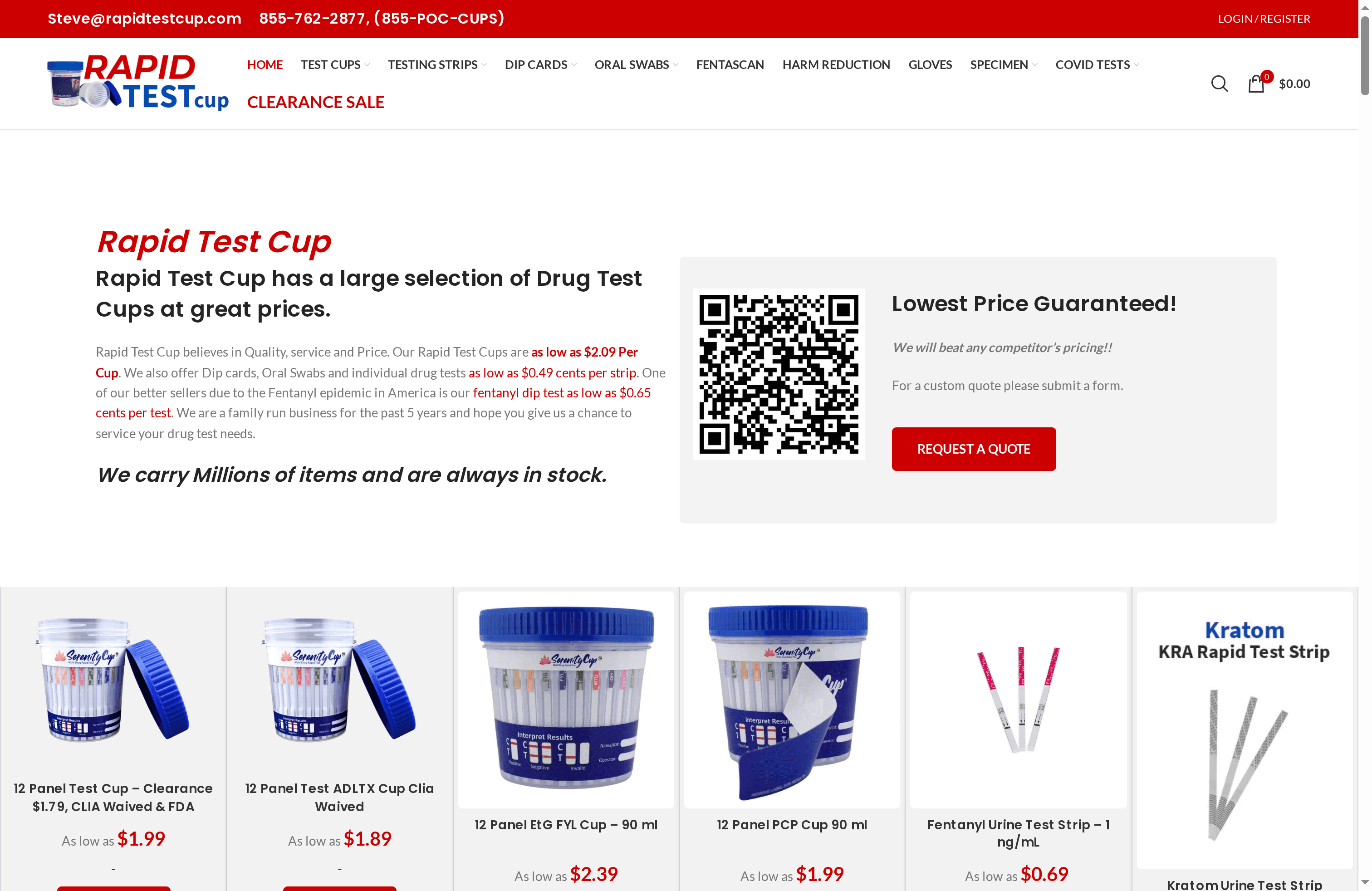
Take control of your workplace drug screening process today by exploring our extensive catalog of drug test cups, multi panel kits, and specimen collection supplies designed to meet professional and forensic demands. Visit RapidTestCup for affordable pricing, quick shipping, and products trusted by clinics, laboratories, and substance abuse programs nationwide. Empower your compliance efforts now by choosing proven solutions that simplify training, ensure chain of custody, and guarantee reliable results.
Explore our selection and start building a stronger, more secure drug screening program with RapidTestCup now.
Frequently Asked Questions
What should I include in a workplace drug screening policy?
Your workplace drug screening policy should cover specific expectations, testing procedures, and employee protections. Clearly define which positions require testing, the frequency of tests, and the types of substances screened. Additionally, outline the procedures for handling positive results and provide opportunities for rehabilitation.
How can I choose the right drug testing products for my organization?
Selecting the appropriate drug testing products involves evaluating different test types and their detection windows. Opt for tests that align with your specific screening needs, such as urine tests for common screenings or hair tests for long-term detection. Ensure that all selected testing products comply with federal guidelines.
What key staff training topics should I cover for drug screening?
Train staff on all aspects of sample collection and handling, including verification processes and documentation. Emphasize maintaining chain of custody, managing contamination risks, and recognizing signs of sample tampering. Implement hands-on training sessions to promote proper adherence to testing protocols.
How do I ensure secure drug screening procedures?
Implement secure drug screening procedures by creating a private collection area and using trained personnel for sample collection. Establish clear guidelines to minimize privacy violations, including tamper-evident containers and strict tracking systems. This will help maintain confidentiality and the integrity of the testing process.
What steps are essential in verifying drug screening results?
To verify drug screening results, establish a comprehensive verification protocol with multiple checkpoints. Include initial screenings, confirmatory testing, and independent reviews by qualified medical personnel. Maintain meticulous documentation to ensure accurate assessments and proper handling of any inconclusive results.