
Blog
Why Rapid Testing Matters in Substance Abuse Care


Every american treatment center faces mounting pressure to deliver fast, accurate results in complex cases of substance abuse. Delayed diagnostics can lead to missed intervention windows, undermining recovery efforts and risking patient safety. Studies show immediate drug test results improve clinical decision making and enable targeted patient care. By understanding the power of rapid testing, health administrators and supply chain managers can transform outcomes for patients and optimize their center’s operations.
Table of Contents
- What Rapid Testing Means in Treatment
- Types of Rapid Drug Testing Methods
- How Rapid Testing Enhances Patient Monitoring
- Compliance, Safety, and Legal Implications
- Cost, Accuracy, and Limitations Compared
Key Takeaways
| Point | Details |
|---|---|
| Rapid Testing Enhances Care | Rapid testing allows healthcare providers to make immediate clinical decisions, improving treatment outcomes through personalized interventions. |
| Variety of Testing Methods | Different rapid drug testing methods, such as urine, saliva, and hair analysis, cater to specific needs and detection requirements. |
| Legal and Ethical Considerations | Compliance with legal regulations is essential in rapid drug testing to protect patient rights and ensure fair practices. |
| Cost vs. Accuracy Trade-off | While rapid tests offer speed and affordability, they often require follow-up laboratory confirmation for accuracy. |
What Rapid Testing Means in Treatment
Rapid testing in substance abuse treatment represents a strategic, time-sensitive approach to diagnosing and managing patient care. At its core, this method involves point-of-care drug screenings that provide immediate insights into a patient’s substance use patterns. These swift diagnostic tools enable healthcare professionals to quickly assess a patient’s current condition and make informed clinical decisions within minutes, rather than waiting days for traditional laboratory results.
The significance of rapid testing extends far beyond mere speed. By offering real-time toxicological assessments, these screening methods transform how substance abuse treatment centers approach patient intervention. Clinicians can now evaluate patient substance use instantaneously, allowing for immediate treatment plan adjustments and more personalized care strategies. This approach dramatically improves the potential for successful rehabilitation by enabling prompt, targeted interventions that address a patient’s specific substance use challenges.
Moreover, rapid testing serves multiple critical functions in treatment settings. These include monitoring treatment adherence, assessing relapse risks, supporting legal compliance requirements, and providing objective data for comprehensive patient evaluations. By offering immediate, accurate substance screening, healthcare providers can establish trust with patients, demonstrate commitment to their recovery, and create transparent treatment pathways that prioritize individual patient needs.
Professional Insight: Always confirm the specific rapid testing protocols with your treatment center’s clinical guidelines to ensure comprehensive and accurate substance screening procedures.
Types of Rapid Drug Testing Methods
Rapid drug testing encompasses several sophisticated methods designed to provide swift and accurate substance detection. Immunoassays and chromatographic techniques represent the primary approaches used across clinical and forensic settings, each targeting different biological specimens with unique detection capabilities. These methods enable healthcare professionals and treatment centers to quickly identify the presence and concentration of various substances in patient samples.
The most common rapid drug testing methods include urine screening, saliva testing, hair analysis, and sweat patch testing. Urine remains the preferred specimen for initial screenings due to its ease of collection and comprehensive detection window. Liquid chromatography-tandem mass spectrometry (LC-MS/MS) serves as the gold standard for confirmatory testing, offering exceptional sensitivity and specificity in identifying specific drug metabolites. Modern drug testing technologies can detect a wide range of substances, from traditional street drugs to prescription medications and emerging synthetic compounds.
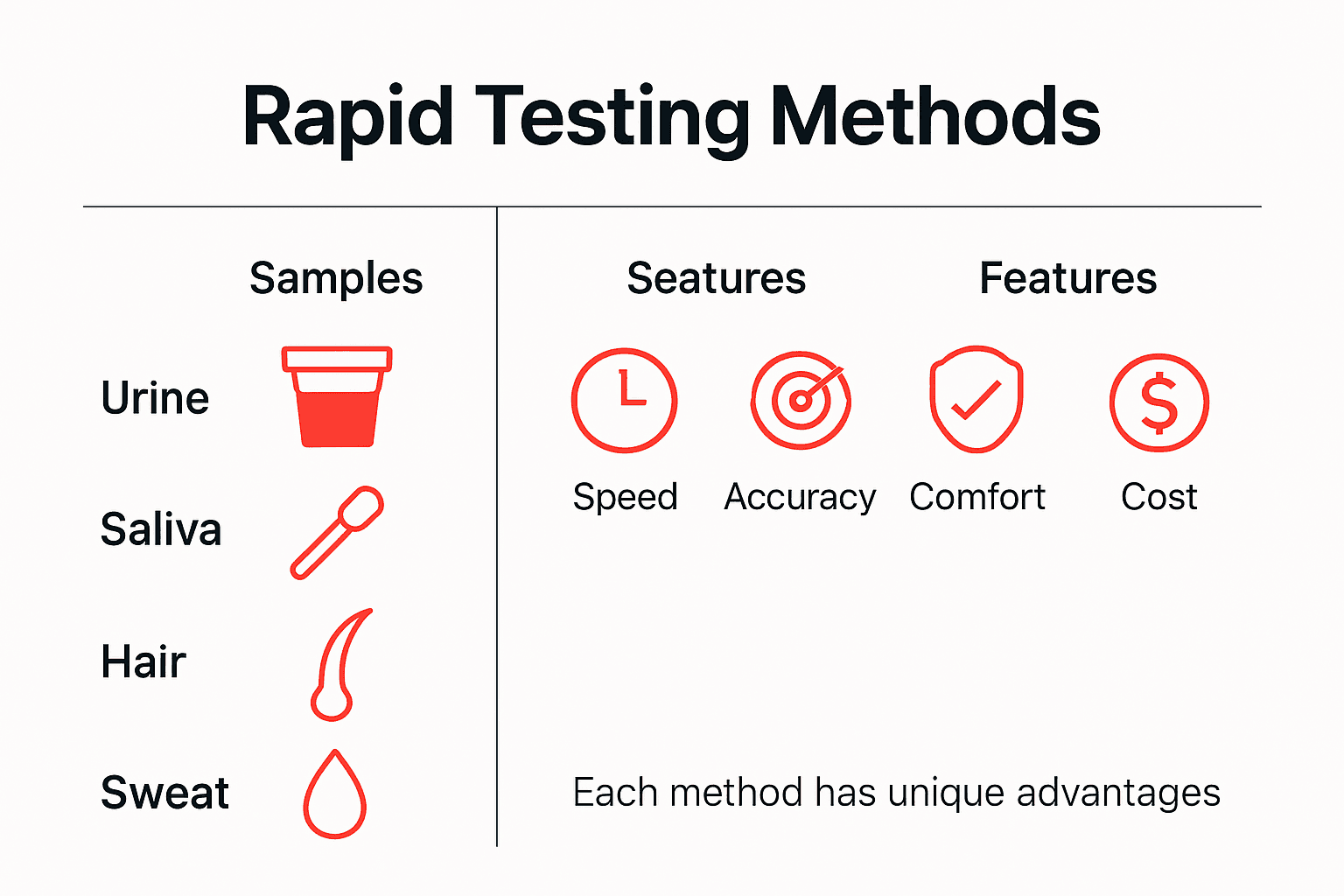
Each testing method offers distinct advantages and limitations. Saliva tests provide immediate results and are less invasive, making them ideal for workplace or roadside screenings. Hair testing can reveal long-term substance use patterns, detecting drug consumption up to 90 days prior. Sweat patch testing offers continuous monitoring, particularly useful in probation and rehabilitation settings. The choice of testing method depends on specific clinical needs, detection timeframes, and the particular substances being investigated.
Here is a comparison of rapid drug testing methods based on detection window, invasiveness, and typical use cases:
| Method | Detection Window | Invasiveness | Typical Use Case |
|---|---|---|---|
| Urine Screening | 1-4 days | Moderate | Clinical initial screenings |
| Saliva Testing | Up to 48 hours | Low | Workplace, roadside |
| Hair Analysis | Up to 90 days | Low | Long-term use investigation |
| Sweat Patch | Continuous (7-14 days) | Low to moderate | Probation, monitoring |
Professional Insight: Select the most appropriate drug testing method by considering the specific detection requirements, sample availability, and the comprehensive screening goals of your substance abuse treatment program.
How Rapid Testing Enhances Patient Monitoring
Rapid testing fundamentally transforms patient monitoring in substance abuse treatment by providing instantaneous insights into a patient’s current substance use status. Toxicological monitoring enables clinicians to make timely clinical decisions that can dramatically improve treatment outcomes. By detecting substances quickly, healthcare providers can immediately identify acute intoxication, verify medication adherence, and implement targeted interventions that address emerging challenges in real-time.
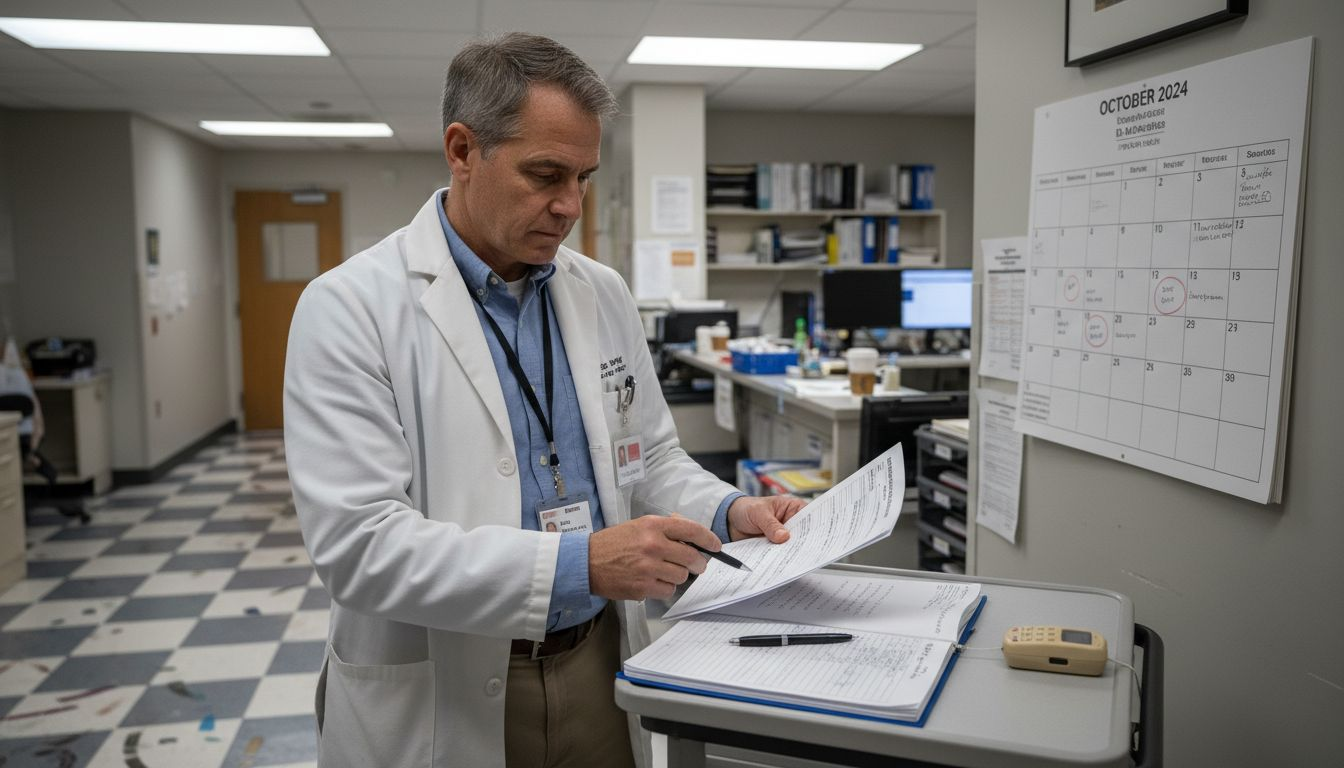
The continuous monitoring approach facilitated by rapid testing creates a comprehensive framework for patient accountability and recovery progress tracking. Through frequent and strategic toxicology screenings, treatment teams can develop highly personalized care plans that adapt to each patient’s unique recovery trajectory. This dynamic monitoring method allows for swift detection of potential relapse indicators, enabling proactive adjustments to therapeutic strategies before minor setbacks escalate into more significant challenges.
Moreover, rapid testing serves multiple critical functions beyond immediate substance detection. These screenings support legal and workplace compliance requirements, provide objective documentation of patient progress, and help rebuild trust between patients and healthcare providers. By offering transparent, data-driven insights, rapid testing eliminates guesswork and creates a structured approach to understanding and supporting an individual’s recovery journey. The ability to quickly verify substance use patterns empowers clinicians to make evidence-based decisions that prioritize patient safety and long-term rehabilitation success.
Professional Insight: Implement a standardized rapid testing protocol that balances frequency of testing with patient dignity, ensuring comprehensive monitoring while maintaining a supportive and non-punitive treatment environment.
Compliance, Safety, and Legal Implications
Rapid drug testing in substance abuse treatment requires meticulous adherence to complex legal and regulatory frameworks. Workplace drug testing policies mandate strict compliance with federal regulations, balancing organizational safety needs with individual privacy rights. Healthcare and treatment centers must navigate a nuanced landscape of legal requirements that protect both patients and institutions, ensuring testing procedures are fair, transparent, and scientifically validated.
Federal regulations play a critical role in defining the parameters of drug testing protocols. Safety-sensitive positions are subject to specific random testing mandates designed to protect public health, with rigorous documentation and confidentiality requirements. These guidelines establish minimum testing frequencies, specimen collection standards, and strict confidentiality protocols. Non-compliance can result in significant legal consequences, including potential litigation, regulatory penalties, and compromised institutional credibility.
Beyond legal compliance, rapid testing intersects with critical ethical considerations in substance abuse treatment. Organizations must develop comprehensive policies that respect patient dignity, prevent discriminatory practices, and integrate supportive interventions. This requires a holistic approach that combines standardized testing procedures with employee assistance programs, rehabilitation opportunities, and clear communication about testing purposes and potential outcomes. The goal is to create a supportive environment that prioritizes individual recovery while maintaining organizational safety standards.
Professional Insight: Develop a comprehensive drug testing policy that clearly outlines testing procedures, confidentiality protocols, and support resources, ensuring transparency and fairness throughout the process.
Cost, Accuracy, and Limitations Compared
Rapid drug testing technologies represent a complex balance between efficiency, affordability, and diagnostic precision. Comparative analysis reveals significant trade-offs between point-of-care screening and traditional laboratory testing, with each approach offering unique advantages and inherent limitations. Substance abuse treatment centers must carefully evaluate these factors to develop a comprehensive testing strategy that maximizes clinical effectiveness while managing operational costs.
The accuracy of rapid testing methods varies considerably across different substance detection scenarios. Point-of-care tests demonstrate lower sensitivity and specificity compared to definitive laboratory analyses, particularly when identifying complex or emerging psychoactive substances. While these tests provide immediate screening capabilities, they often require confirmatory laboratory testing to validate initial results. This two-stage approach increases overall testing reliability but also introduces additional time and resource considerations that treatment centers must strategically manage.
Cost dynamics in rapid testing extend beyond simple price-per-test calculations. Although point-of-care screenings typically represent a more affordable initial option, the potential need for follow-up confirmatory testing can offset initial savings. Treatment centers must consider comprehensive testing strategies that balance immediate screening needs with long-term diagnostic accuracy. This approach requires sophisticated decision-making that considers not just financial implications, but also the critical clinical objectives of substance abuse monitoring and patient care.
This table summarizes key considerations when choosing a rapid testing strategy:
| Factor | Rapid Screening | Lab Confirmation |
|---|---|---|
| Speed | Immediate results | Hours to days |
| Accuracy | Moderate | High precision |
| Cost | Lower upfront | Higher per test |
| Best Use Scenario | Quick assessment | Legal or clinical proof |
Professional Insight: Develop a hybrid testing approach that leverages rapid screening for immediate insights while maintaining access to comprehensive laboratory confirmation when clinical precision is paramount.
Enhance Your Substance Abuse Care with Reliable Rapid Testing Solutions
Rapid testing plays a crucial role in substance abuse treatment by delivering immediate, accurate results that help clinicians make timely decisions. If your program struggles with needing fast, trustworthy screening tools to monitor patient progress and ensure compliance, you are not alone. The key challenges faced include balancing speed with accuracy and maintaining cost-effective testing protocols without compromising patient dignity or safety.
At rapidtestcup.com, you will find a wide selection of FDA-approved, CLIA-waived rapid drug testing kits including drug test cups, urine strips, and specimen collection supplies tailored to meet these urgent needs. Our products support various rapid testing methods to closely align with your treatment goals — from initial screenings to ongoing toxicological monitoring.
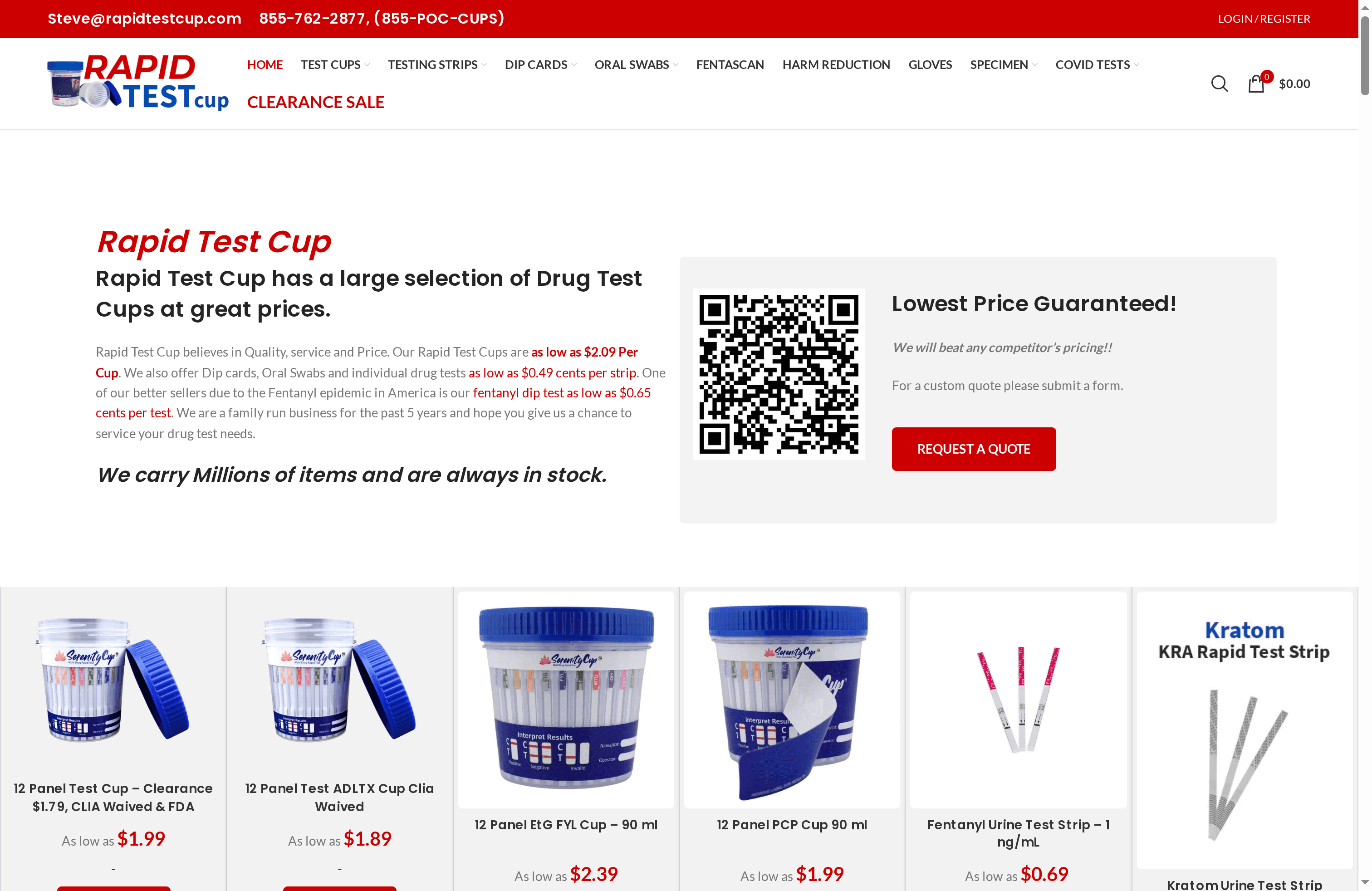
Take control of your substance abuse care program by choosing high-quality rapid tests designed for quick turnaround and dependable results. Visit our online store today to explore options that fit your clinical environment and budget. Act now to improve patient outcomes and accelerate recovery with testing solutions trusted by laboratories, clinics, and treatment centers nationwide.
Frequently Asked Questions
What is rapid testing in substance abuse treatment?
Rapid testing refers to point-of-care drug screenings that provide immediate insights into a patient’s substance use patterns, allowing healthcare professionals to make informed clinical decisions quickly.
How does rapid testing improve patient care?
Rapid testing enhances patient care by offering real-time toxicological assessments, enabling clinicians to adjust treatment plans promptly and tailor interventions to individual patient needs, significantly improving rehabilitation outcomes.
What are the different methods of rapid drug testing?
Common methods of rapid drug testing include urine screening, saliva testing, hair analysis, and sweat patch testing, each with unique advantages, detection capabilities, and typical use cases that cater to different clinical needs.
What are the limitations of rapid drug testing compared to laboratory testing?
While rapid drug testing provides swift results, it often has lower sensitivity and specificity than laboratory testing and may require confirmatory lab tests to validate initial results, balancing speed with diagnostic accuracy.