

Blog
7 Essentials Every Drug Test Panel Guide Must Cover


Most American clinical labs face rising pressure to deliver drug screening that is both thorough and fully compliant. With over 45 percent of workplace drug tests now using advanced panels, lab managers play a key role in protecting organizational safety and meeting federal standards. Expert knowledge of drug test panel types, detection strategies, and regulatory rules helps ensure every screening remains both accurate and defensible—giving labs a critical edge in today’s rapidly changing testing landscape.
Table of Contents
- 1. Understanding Drug Test Panel Types and Their Uses
- 2. Choosing the Right Number of Panel Tests for Your Needs
- 3. Reviewing Common Drugs Detected on Standard Panels
- 4. Ensuring Compliance with CLIA and FDA Standards
- 5. Interpreting Panel Results for Accurate Decision-Making
- 6. Identifying Adulteration and Ensuring Sample Integrity
- 7. Implementing Best Practices for Lab Protocols and Storage
Quick Summary
| Key Insights | Explanation |
|---|---|
| 1. Choose the Right Panel Type | Selecting the appropriate drug test panel depends on organizational needs and compliance requirements, balancing thoroughness and cost. |
| 2. Understand Common Substances Tested | Familiarity with frequently detected drugs, like marijuana and opioids, helps tailor testing strategies to potential risks. |
| 3. Ensure Compliance with Regulations | Adhering to CLIA and FDA standards is essential to maintain quality and avoid penalties in drug testing. |
| 4. Conduct Confirmatory Testing | Always follow initial drug test results with confirmatory testing to ensure accuracy and rule out false positives. |
| 5. Maintain Sample Integrity | Implement robust validation protocols to prevent sample adulteration, ensuring reliable and accurate testing outcomes. |
1. Understanding Drug Test Panel Types and Their Uses
Drug testing panels represent sophisticated screening tools designed to detect the presence of multiple substances in biological specimens. Different types of drug tests offer clinical laboratories and organizations precise mechanisms for identifying potential substance use across various professional and medical contexts.
At its core, a drug test panel functions as a comprehensive screening method that analyzes biological samples such as urine, hair, or blood to identify specific drug metabolites. The complexity and breadth of these panels can vary dramatically based on organizational needs, legal requirements, and detection objectives. Some panels might screen for five common substances, while others can detect up to 15 different drugs simultaneously.
Professional settings typically utilize standardized panel configurations that align with workplace safety regulations and medical testing protocols. A 5-panel drug test, for instance, commonly screens for substances like marijuana, cocaine, amphetamines, opiates, and phencyclidine. More extensive 10-panel or 12-panel tests expand this range to include prescription medications, additional stimulants, and synthetic compounds.
The selection of an appropriate drug test panel depends on several critical factors: the specific testing environment, regulatory compliance requirements, and the desired depth of substance screening. Workplace screenings might prioritize safety-sensitive positions, while medical diagnostics could require more nuanced substance detection capabilities.
Research indicates that urine drug testing remains the most prevalent screening method due to its cost effectiveness, rapid results, and relatively wide detection window. Different biological specimens offer unique advantages detection periods can range from 24 hours to 90 days depending on the testing methodology and specific substance.
Pro tip: Always verify the specific detection windows and substance coverage for each drug test panel to ensure comprehensive and accurate screening results.
2. Choosing the Right Number of Panel Tests for Your Needs
Selecting the appropriate number of panel tests is a critical decision that requires strategic assessment of organizational needs, resources, and testing objectives. Drug testing programs must be carefully designed to ensure comprehensive yet efficient screening.
The complexity of panel selection goes beyond simply choosing a number of substances to test. Different panel configurations ranging from 5 to 15 drug tests offer varying levels of comprehensive screening. A 5-panel test typically covers fundamental substances like marijuana, cocaine, amphetamines, opiates, and phencyclidine. More advanced 10-panel or 12-panel tests expand detection capabilities to include prescription medications, synthetic drugs, and additional controlled substances.
Organizations must consider multiple factors when determining panel complexity. These include regulatory requirements, workplace safety protocols, industry specific risks, and budgetary constraints. Clinical decision making on drug testing emphasizes that no universal standard exists. Instead, panel selection should align precisely with specific clinical or organizational objectives.
Workplace settings demand different approaches. High risk industries like transportation, healthcare, and manufacturing might require more comprehensive panel tests to ensure employee safety and regulatory compliance. Conversely, smaller organizations with lower risk profiles might opt for more focused testing strategies that balance thoroughness and cost effectiveness.
Key considerations for panel selection include detecting substances most prevalent in your specific environment, understanding local drug use trends, and maintaining flexibility to adapt testing protocols as substance landscapes evolve.
Pro tip: Consult with occupational health professionals and review recent substance abuse data to develop a targeted drug testing panel that meets both compliance requirements and organizational safety needs.
3. Reviewing Common Drugs Detected on Standard Panels
Understanding the range of substances detected in drug testing panels is crucial for developing comprehensive screening strategies. Standard drug tests analyze multiple substances that pose potential risks in professional and medical environments.
Typical drug panels focus on detecting a core set of substances that represent significant health and safety concerns. Common drugs detected in standard panels include:
-
Marijuana (Cannabinoids): The most frequently identified substance in drug screenings, with detection windows varying based on usage frequency and metabolism.
-
Cocaine: A powerful stimulant detected through specific metabolite analysis in biological specimens.
-
Amphetamines: Including prescription medications and illicit stimulants like methamphetamine.
-
Opioids: Covering substances ranging from prescription painkillers to illegal drugs like heroin.
-
Phencyclidine (PCP): A hallucinogenic drug with potentially dangerous behavioral effects.
-
Benzodiazepines: Prescription medications with high potential for misuse and addiction.
The detection methodology for these substances typically involves urine drug testing panels that utilize immunoassay screening. While initial tests provide rapid results, confirmatory testing remains essential to ensure accuracy and rule out potential false positives.
It is important to recognize that detection windows and metabolite profiles differ significantly across substances. Factors such as individual metabolism, frequency of use, and testing method can dramatically influence the reliability and precision of screening results.
Pro tip: Always consult with certified laboratory professionals to understand the specific detection capabilities and limitations of your chosen drug testing panel.
4. Ensuring Compliance with CLIA and FDA Standards
Navigating the complex landscape of medical testing regulations requires a comprehensive understanding of CLIA certification requirements. Clinical laboratories must adhere to stringent federal standards that ensure the highest quality of diagnostic testing and patient care.
Key Compliance Categories:
-
CLIA Certification Levels
Waived Tests: Simple tests with minimal risk of error
Moderate Complexity Tests: More advanced screenings requiring additional training
High Complexity Tests: Advanced diagnostics demanding extensive technical expertise -
Regulatory Framework
The Clinical Laboratory Improvement Amendments establish comprehensive guidelines that laboratories must follow. These regulations are jointly managed by multiple federal agencies including the Food and Drug Administration (FDA) and Centers for Medicare & Medicaid Services (CMS). -
Certification Requirements
Laboratories must demonstrate consistent performance through:
Proficiency Testing: Regular evaluation of testing accuracy
Quality Control Procedures: Systematic verification of testing protocols
Personnel Qualifications: Ensuring staff have appropriate training and credentials -
Consequences of Non Compliance
Failure to meet CLIA standards can result in significant penalties including:
Financial Sanctions
Potential Loss of Operating License
Inability to Receive Medicare Reimbursements -
Documentation and Reporting
Maintaining meticulous records is critical. Laboratories must document every aspect of their testing procedures, quality control measures, and personnel qualifications.
Pro tip: Conduct regular internal audits and stay updated on the latest CLIA and FDA regulatory changes to maintain ongoing compliance and avoid potential penalties.
5. Interpreting Panel Results for Accurate Decision-Making
Drug test panel results require nuanced interpretation far beyond simple positive or negative classifications. Urine drug tests provide initial screening insights that demand careful professional evaluation to ensure accurate clinical or legal decision making.
Critical Factors in Result Interpretation:
-
Understanding Screening Limitations
Preliminary Tests: Immunoassay screenings offer rapid initial detection
Potential Issues: Susceptible to false positives and false negatives
Recommended Approach: Always confirm initial results through additional testing -
Confirmatory Testing Protocols
Verification Methods:
Gas Chromatography: Definitive substance identification
Mass Spectrometry: Precise chemical analysis
Purpose: Eliminate potential screening inaccuracies -
Contextual Result Analysis
Successful interpretation requires comprehensive consideration of:
Patient Medical History
Prescription Medication Use
Potential Cross Reactivity
Individual Metabolic Variations -
Detection Window Considerations
Factors Influencing Substance Presence:
Drug Type
Frequency of Use
Individual Metabolism
Body Composition -
Professional Decision Making
Recommended Approach:
Do Not Rely Solely on Initial Results
Conduct Comprehensive Clinical Assessment
Consider Multiple Diagnostic Indicators
Forensic drug analysis techniques emphasize the critical nature of systematic verification and holistic evaluation. Professional judgment remains paramount in translating technical results into meaningful insights.
Pro tip: Develop a standardized protocol for result interpretation that includes mandatory confirmatory testing and comprehensive patient context review.
6. Identifying Adulteration and Ensuring Sample Integrity
In drug testing, sample integrity represents the foundational principle that determines the reliability and accuracy of results. Specimen validity testing provides critical safeguards against intentional sample manipulation.
Common Adulteration Techniques:
-
Chemical Interference
Methods Used:
Household Chemicals: Bleach, soap, vinegar
Commercial Adulterants: Specialized products designed to mask substances
Goal: Disrupt drug detection mechanisms -
Dilution Strategies
Approaches Include:
Pre Collection Hydration: Excessive water consumption
Deliberate Sample Weakening: Adding water or other liquids
Purpose: Reduce detectable substance concentrations -
Specimen Validity Checks
Detection Parameters:
Creatinine Levels: Measure urine concentration
Specific Gravity: Assess sample density
pH Testing: Identify unusual chemical modifications
Oxidant Screening: Detect chemical tampering -
Sophisticated Detection Methods
Advanced Validation Techniques:
Chemical Compound Analysis
Metabolite Profile Examination
Cross Reference Validation
Comprehensive Screening Protocols -
Laboratory Verification Processes
Systematic Approach:
Multiple Parameter Testing
Rigorous Quality Control
Continuous Technique Refinement
Comprehensive Documentation
Understanding adulteration detection methods requires recognizing the complex landscape of potential sample interference techniques.
Pro tip: Implement multilayered validation protocols that combine chemical analysis, physical parameter testing, and advanced screening techniques to effectively detect and prevent sample manipulation.
7. Implementing Best Practices for Lab Protocols and Storage
Good Laboratory Practice regulations represent the foundational framework for maintaining the highest standards of scientific integrity and precision in clinical testing environments. These comprehensive guidelines ensure every aspect of laboratory operations maintains exceptional quality and reliability.
Key Laboratory Protocol Components:
-
Documentation Standards
Essential Records:
Study Planning Documentation
Procedural Tracking
Comprehensive Monitoring Logs
Detailed Reporting Frameworks -
Environmental Control
Critical Storage Parameters:
Temperature Management
Humidity Regulation
Light Exposure Control
Security Monitoring -
Specimen Handling Protocols
Best Practices Include:
Standardized Collection Methods
Precise Labeling Systems
Controlled Transportation
Systematic Storage Procedures -
Quality Assurance Mechanisms
Validation Processes:
Regular Equipment Calibration
Systematic Performance Reviews
Continuous Training Programs
Compliance Auditing -
Regulatory Compliance
Adherence Requirements:
FDA Guidelines
World Health Organization Standards
International Testing Protocols
Ongoing Regulatory Updates
Good storage practices are fundamental to maintaining the scientific integrity of laboratory testing systems. Implementing robust protocols prevents sample degradation and ensures reliable testing outcomes.
Pro tip: Develop a comprehensive laboratory management system that integrates digital tracking, automated environmental monitoring, and real time compliance reporting to streamline protocol adherence and quality control.
Below is a table summarizing key points about the drug test panel types, their considerations, and effective practices as discussed in the article.
| Aspect | Details | Additional Information |
|---|---|---|
| Panel Types | 5-panel, 10-panel, 12-panel configurations | Cover substances from cannabinoids and cocaine to synthetic compounds. |
| Testing Methods | Includes urine, hair, and blood samples | Urine tests are cost-effective with quick results and wide detection. |
| Regulatory and Safety Compliance | Adherence to CLIA and FDA standards for laboratory operations | Ensures reliable, accurate, and legally compliant testing practices. |
| Substance Detection | Marijuana, amphetamines, opioids, benzodiazepines, and more | Selection depends on the risk profile and industry-specific needs. |
| Result Verification | Confirmative tests such as Gas Chromatography and Mass Spectrometry | Required to mitigate false positives/negatives and ensure accuracy. |
| Panel Selection Factors | Cost, workplace requirements, and regulatory demands | Tailor selection to specific clinical, safety, or organizational goals. |
| Mitigating Integrity Risks | Detection of adulteration with advanced specimen validity methods | Maintains the reliability of results ensuring accurate diagnostics. |
| Laboratory Best Practices | Documentation, quality assurance, and compliance adherence | Essential for consistent operational excellence. |
Optimize Your Drug Testing Strategy with High-Quality Panels and Supplies
Navigating the essentials of drug test panels requires precision and reliability to ensure compliance with CLIA and FDA standards while effectively detecting a broad range of substances. If you are looking to develop a comprehensive screening program that addresses sample integrity, detailed result interpretation, and compliance challenges outlined in this guide, RapidTestCup.com delivers an extensive selection of FDA-approved, CLIA-waived drug testing kits tailored to professional and forensic needs.
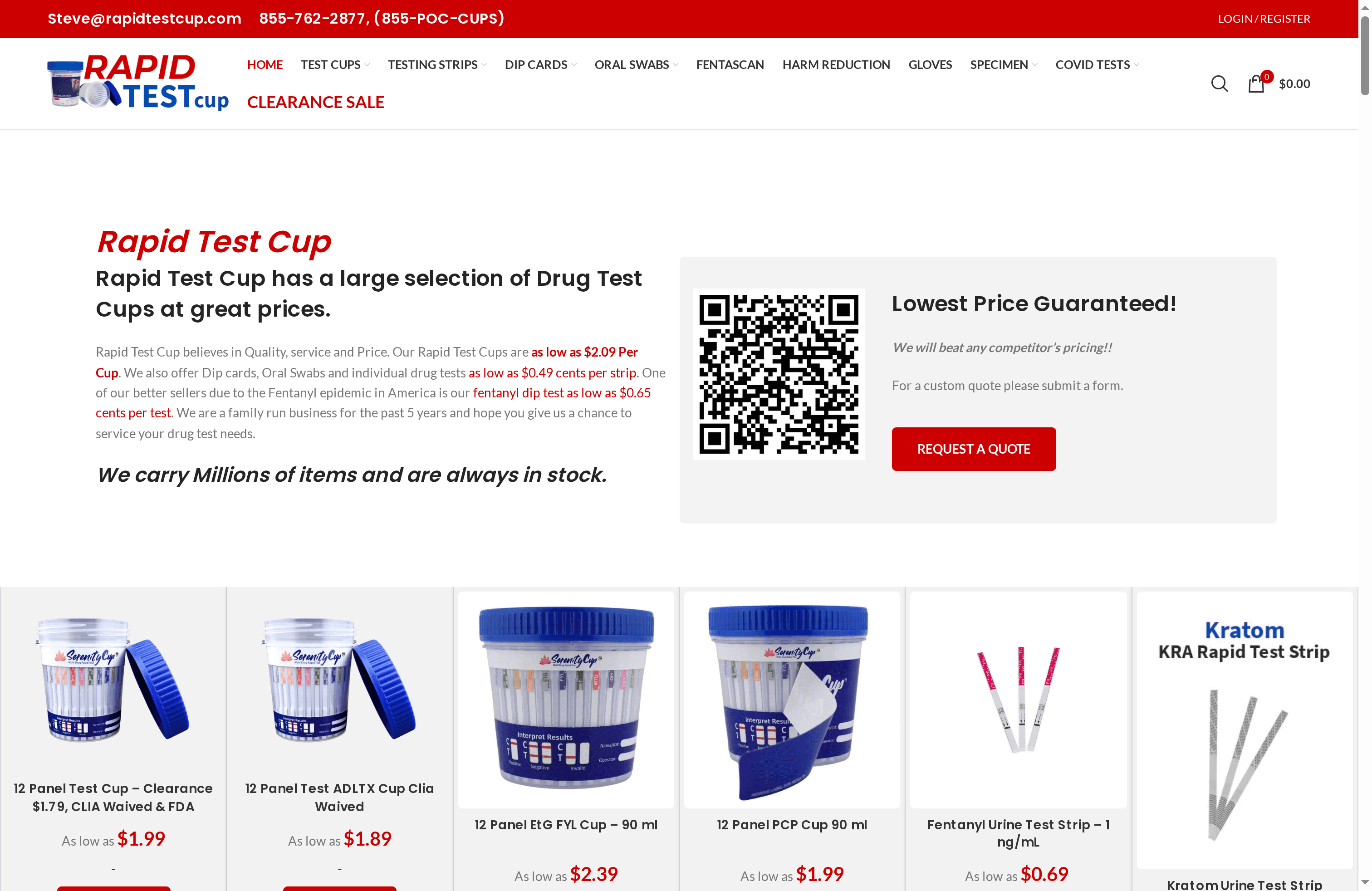
Take control of your testing protocols now by choosing from our versatile drug test cups, dip cards, and specimen collection supplies designed for accuracy and quick turnaround. Whether your priority is detecting adulteration, extending detection windows, or implementing best lab storage practices, our affordable bulk options and expert support help you meet these goals with confidence. Explore how you can improve your drug panel screening at RapidTestCup.com and start ordering today to ensure your program stays ahead of evolving substance use trends and regulatory demands.
Frequently Asked Questions
What are the essential types of drug test panels?
Drug test panels typically range from 5-panel to 15-panel configurations. Select panels based on the substances relevant to your organization or testing needs, ensuring coverage of common drugs and prescription medications.
How do I choose the right drug test panel for my organization?
Determine the specific requirements of your organization, including regulatory compliance, safety protocols, and industry risks. Aim to align your panel selection with your workplace’s testing objectives to ensure effective substance monitoring.
What factors affect the detection windows of drug test panels?
Detection windows are influenced by factors such as the type of drug, frequency of use, and individual metabolism. Assess these variables when interpreting results to ensure accurate understanding and decision-making.
How can I maintain compliance with CLIA and FDA standards for drug testing?
Follow the CLIA certification requirements by regularly documenting your testing protocols, quality control measures, and staff qualifications. Perform internal audits and stay informed about regulatory changes to ensure continuous compliance.
What steps can I take to ensure sample integrity during drug testing?
Implement specimen validity testing to check for adulteration. Use multiple methods to assess parameters like creatinine levels and pH to identify any tampering or dilution in the sample.
How should I interpret the results of a drug test panel?
Interpret drug test panel results by considering initial screening limitations and following up with confirmatory testing. Analyze the results in context, including the individual’s medical history and potential cross-reactivity with other substances.