Blog
From Cup to Bench: Nitrite Adulterant Test Workflow for Forensic Labs


A positive nitrite adulterant test means someone likely added an oxidizing agent, usually a nitrite salt, to mask drug metabolites before the specimen reached the lab. Any result at or above the specimen validity testing threshold demands quantitative nitrite confirmation, not just a strip reading. Aliquot the specimen, run the quantitative assay, document the chain of custody, and route the result to a Medical Review Officer before anyone calls it adulterated.
TL;DR:
- Quantitative nitrite testing should be performed when a specimen shows a level of 200 mg/mL or higher to confirm adulteration and avoid misclassification.
- Adulteration levels typically range from 1,910 to 12,200 µg/mL, which are vastly higher than physiologic sources usually under 130 µg/mL.
- Specimen handling protocols, including prompt aliquoting and refrigeration, are crucial since nitrite effects on drug metabolites increase with time and improper storage.
- Rapid spot tests and integrated adulterant cups at collection can detect adulteration early, reducing the likelihood of false negatives in lab analysis.
- Confirmed adulteration results at or above 500 mg/mL should trigger Medical Review Officer review and detailed documentation before final reporting.
Table of Contents
- What Is a Nitrite Adulterant Test and Why Does the Chemistry Matter?
- What Do the SVT Thresholds for Invalid and Adulterated Actually Mean?
- How Do You Detect Nitrite Adulteration Step by Step?
- What Happens After a Suspicious Nitrite Result Reaches the Lab?
- How Should Collection Sites and Labs Control for Adulteration?
- A Practical Note on Building This Into Your Workflow
- Where to Source Adulterant-Inclusive Supplies for Your Lab
- Sources
- FAQ
What Is a Nitrite Adulterant Test and Why Does the Chemistry Matter?
Nitrite works by oxidizing drug metabolites in urine before they ever reach the analyzer. THC-COOH, the confirmatory target for cannabis testing, is particularly vulnerable. Nitrite converts it into compounds that immunoassays and GC-MS methods either underreport or miss entirely.
The damage scales with two variables: urinary pH and how long the specimen sits before testing. Acidic urine accelerates the oxidation reaction, so a specimen that tests borderline at collection can show a much larger drop in analyte concentration by the time it hits the bench hours later. That time dependence is why sample handling protocols matter as much as the assay itself.
Not every assay class takes the same hit. Cannabinoid testing shows the most consistent interference across documented studies. Other analyte classes respond less predictably:
- Cannabinoid immunoassays and confirmations show the most frequent and severe signal loss.
- Opiate and amphetamine confirmations show variable, analyte-dependent effects.
- Recovery losses correlate with exposure duration, not just peak nitrite concentration.
What Do the SVT Thresholds for Invalid and Adulterated Actually Mean?
Federal specimen validity testing sets two numeric lines that separate a gray zone from a forensic conclusion.
Nitrite/oxidant thresholds: A result of 200 mg/mL or higher is reported as Invalid. A result of 500 mg/mL or higher is reported as Adulterated, according to LabCorp’s specimen validity testing guidance.
Those numbers only carry weight when quantitation backs them up. A colorimetric strip flag tells you something is wrong; it does not tell you how wrong, and it will not survive a legal challenge on its own.
The gap between physiologic and adulterated nitrite is not subtle. Physiologic sources, including urinary tract infections, nitrate-rich diets, and certain medications, typically produce nitrite concentrations under 130 µg/mL. Adulterated specimens in one peer-reviewed analysis measured 1,910 to 12,200 µg/mL, averaging roughly 5,910 µg/mL. That is an orders-of-magnitude separation, which is exactly what makes quantitative nitrite testing forensically defensible in a way a simple color change never will be.
When a specimen lands in that gap, the workflow is straightforward:
- Confirm with a quantitative nitrite assay before touching the “adulterated” label.
- Cross-check the result against any documented physiologic explanation (infection, diet, medication history).
- Escalate anything at or above 500 mg/mL for MRO review and formal documentation.
How Do You Detect Nitrite Adulteration Step by Step?
Detection happens in layers, moving from cheap and fast to slow and definitive. Each layer catches something the previous one misses.
- Spot tests at collection. Potassium permanganate mixed with acid produces an immediate color fade, usually within about a minute, when nitrite is present. Potassium iodide in acidic solution and hydrogen peroxide reagent tests offer similar rapid screening, and controlled testing found no false positives across the reference samples used to validate these protocols.
- SVT strips at intake. Multi-parameter strips read nitrite alongside pH, creatinine, and specific gravity in one pass. They’re fast and cheap, but sensitivity has limits, and certain urine components like glucose or ketones can cause a slower, misleading color shift that mimics adulteration.
- Lab quantitation. Spectrophotometric or colorimetric nitrite assays turn a qualitative flag into an actual number, the number that matters once you’re above the 200 mg/mL line.
- LC-HRMS biomarker confirmation. Testing for 5-hydroxyisourate (HIU) and oxidized uric acid gives labs an endogenous marker of nitrite exposure. Validation work on these biomarkers showed HIU carrying strong positive predictive value in blinded testing, which makes it a useful second line when quantitation alone is challenged by a rare physiologic elevation.
Pro Tip: Time the permanganate color change with a stopwatch, not a glance. A fade that takes several minutes instead of one usually points to glucose or ketone interference, not nitrite adulteration, and misreading that timing is one of the most common field errors.
Nitrite strips built into a multi-panel adulterant cup give collection staff a first checkpoint before the specimen ever leaves the site.
What Happens After a Suspicious Nitrite Result Reaches the Lab?
The reflex sequence starts the moment a screening result flags above threshold. Preserve an untouched aliquot first, then run the quantitative nitrite assay, then move to biomarker MS testing if the quantitative number sits in a contested range.
Some labs attempt chemical mitigation, typically bisulfite treatment or pH adjustment, hoping to restore a confirmable signal. That approach has real limits. Research on nitrite’s effect on immunoassay and GC-MS analysis found that mitigation does not reliably reverse the oxidation damage once THC-COOH has already degraded, and the degree of loss depends heavily on how long the nitrite had contact with the specimen before anyone intervened. A specimen mitigated an hour after collection behaves differently than one mitigated the next day.
That’s why documentation carries as much weight as the chemistry:
- Log the timestamp of collection, the timestamp of screening, and the timestamp of any mitigation attempt.
- Keep the frozen baseline aliquot untouched through the entire process, in case a defense request calls for reanalysis.
- Route any result at or near the reporting thresholds through MRO review before final reporting language goes out.
- If confirmation is chemically prevented, report that fact plainly rather than forcing a confirmed result that the chemistry doesn’t support.
How Should Collection Sites and Labs Control for Adulteration?
Most adulteration gets caught or missed at the collection site, not the analyzer. A few procedural habits make the difference between a defensible chain of evidence and a result that falls apart under scrutiny.
- Use observed or directly supervised collection whenever the situation allows it, and check specimen temperature within four minutes of collection.
- Apply tamper-evident seals immediately, and run the SVT strip check on-site before the specimen ever leaves for transport.
- When a strip flags out of range, run a spot test on-site if your protocol allows it. Catching adulteration before shipping saves a wasted chain-of-custody cycle.
- Aliquot and refrigerate or freeze a reference portion promptly. Nitrite concentrations and oxidation byproducts can shift with storage temperature and elapsed time, so delayed splitting muddies the quantitative picture later.
- Build a written SOP checklist for collectors and a standardized reporting template for the lab, so every adulteration finding gets documented the same way regardless of who handled it.
Pro Tip: Freeze the untouched baseline aliquot the same day, even if quantitation is scheduled for later in the week. Nitrite is not chemically stable indefinitely at room temperature, and a degraded baseline sample undermines the entire forensic argument for adulteration.
Consistent SOPs on the collection side, paired with specimen validity protocols at intake, close most of the gap between a suspicious strip and a defensible lab report.
A Practical Note on Building This Into Your Workflow
Running SVT correctly is less about any single test and more about sequencing: strip screen, spot test where needed, quantitative confirmation, biomarker backup when the numbers sit in a gray zone. Labs that skip straight from a strip flag to a written conclusion are the ones that lose challenges later.
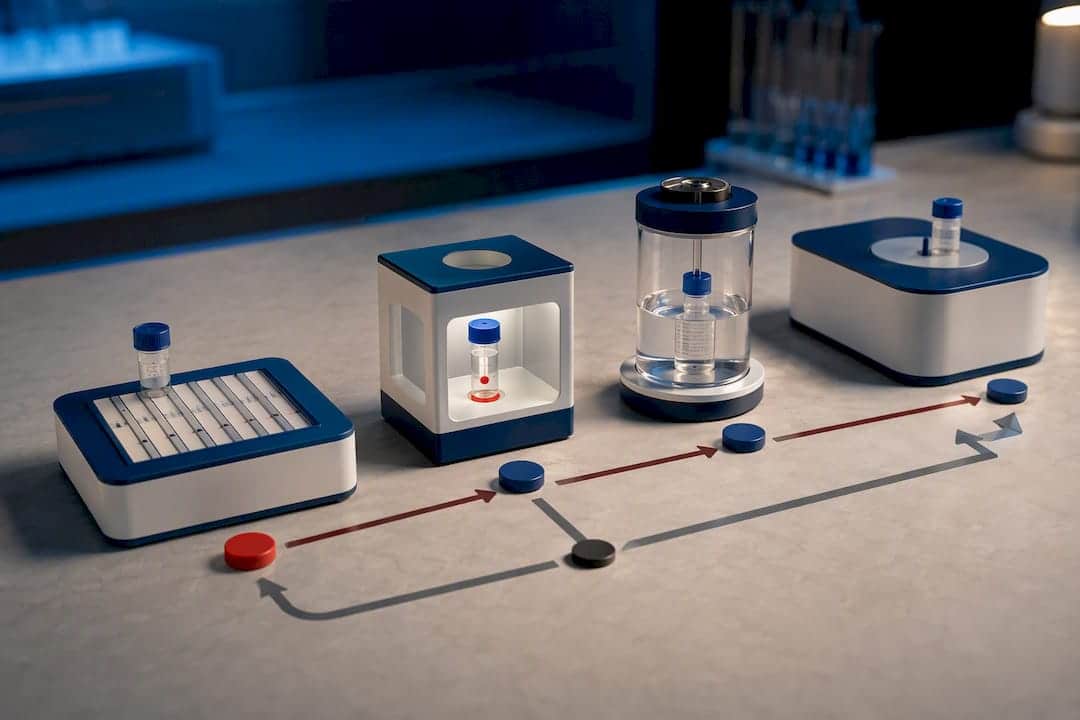
Adulterant-inclusive multi-panel cups and standalone nitrite strips designed around that same sequence give collection staff a first checkpoint before a specimen ever reaches quantitative testing. None of that replaces lab confirmation. It just means fewer surprises show up after the fact.
For CLIA or FDA documentation questions, or bulk procurement for a lab or program, reach out to sales directly.
— Justin
Where to Source Adulterant-Inclusive Supplies for Your Lab
If your program still relies on strip-only screening with no adulterant markers built in, you’re catching problems late, after the specimen has already traveled through half your chain of custody. Adulterant-inclusive multi-panel cups can build nitrite, pH, and creatinine checks directly into the collection step, so a compromised specimen gets flagged before it ever reaches quantitative testing.
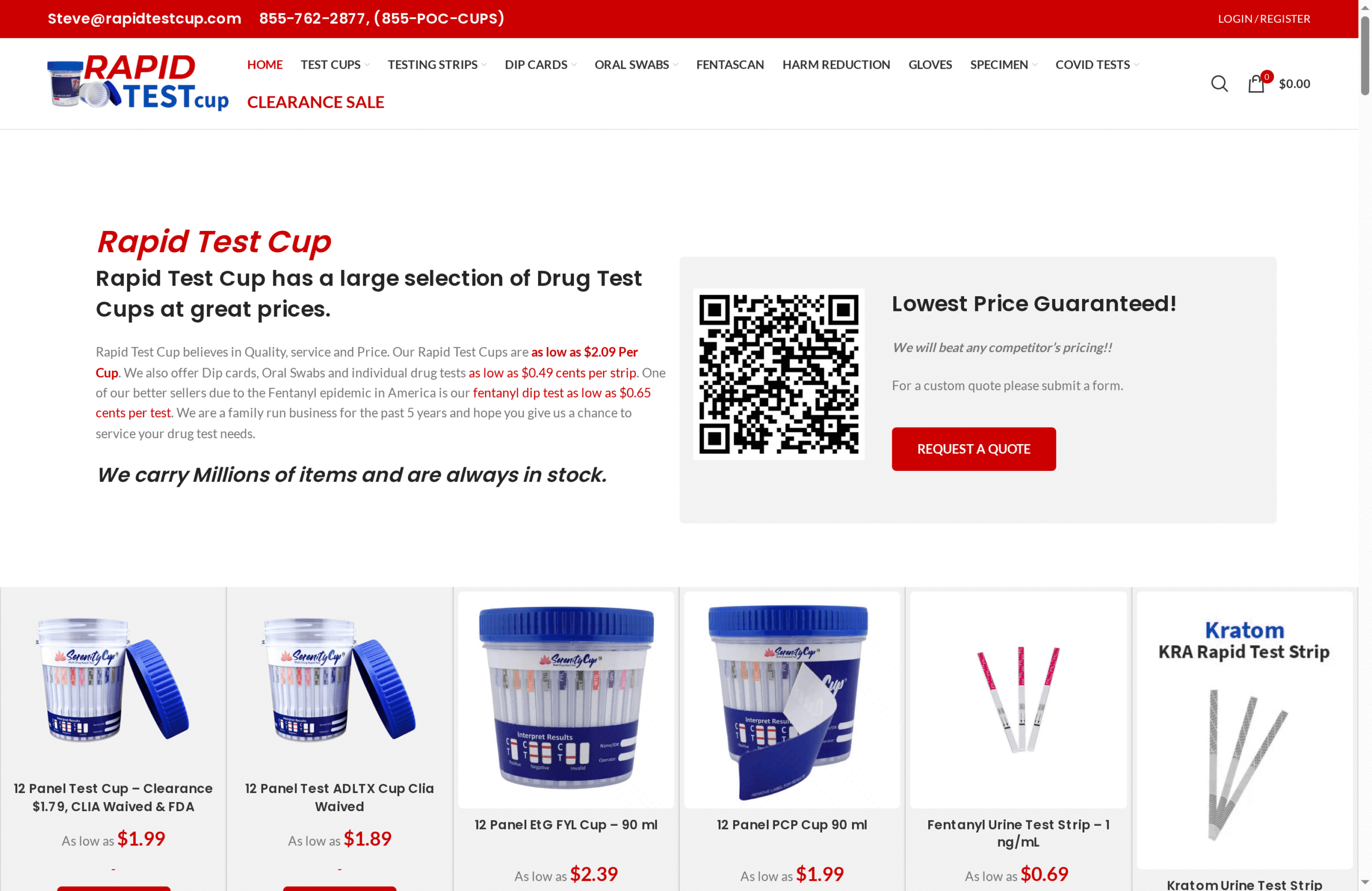
The 18 panel drug test cup with adulterants and the 12 panel cups currently on clearance both fold adulterant detection into the standard panel, which cuts down on separate strip purchases for programs running high specimen volume. For labs that already use their own cups and just need standalone screening, the nitrite test strip line covers that gap directly. Review the spec sheets on either product page, and request a bulk quote if you’re outfitting more than a handful of collection sites.
Sources
- Specimen validity testing (SVT) | Frequently Asked Questions
- Nitrite adulteration of workplace urine drug-testing specimens. I. Sources and associated concentrations of nitrite in urine and distinction between natural sources and adulteration
- Suitability evaluation of new endogenous biomarkers for the identification of nitrite‐based urine adulteration in mass spectrometry methods
- Rapid spot tests for detecting the presence of adulterants in urine specimens submitted for drug testing
FAQ
What Is an Adulterant Test in Drug Testing?
An adulterant test screens a urine specimen for foreign substances, like oxidizers, acids, or surfactants, added to interfere with drug detection, using strip screening at collection followed by lab confirmation when results fall outside normal range.
What Does a Positive Nitrite Test Indicate?
A positive result indicates nitrite concentration high enough to suggest an oxidizing adulterant was added, rather than a naturally occurring source, once quantitative testing confirms levels far above physiologic ranges documented in peer-reviewed research.
What Is the Most Effective Adulterant for Drug Tests?
There is no adulterant that reliably defeats a properly run drug test. Nitrite compounds are among the most commonly used because they degrade THC-COOH efficiently, but validated spot tests and quantitative SVT protocols catch them with no false positives reported in controlled studies.
What Does a Nitrite Test in Urine Indicate?
A nitrite result reflects either a physiologic source, such as a urinary tract infection, diet, or medication, or intentional adulteration. Quantitative measurement separates the two: physiologic sources generally stay under 130 µg/mL, while adulterated specimens measure in the thousands of µg/mL.
When Should a Lab Involve an MRO for a Nitrite Result?
Any SVT result at or above the invalid threshold of 200 mg/mL warrants MRO review, and results at or above 500 mg/mL require it before a final adulterated report goes out, per LabCorp’s SVT guidance.