Blog
What Is a Drug Test Cup? Complete Breakdown


Over 50 million drug tests are performed each year in american workplaces and healthcare facilities, highlighting the widespread need for fast and accurate screening tools. With growing demands for safety and compliance, drug test cups have become a practical solution for organizations and medical professionals seeking reliable substance detection. Understanding how these all-in-one devices work can help both employers and individuals make informed decisions about safety, accountability, and legal responsibilities.
Table of Contents
- Definition And Core Functions Of Drug Test Cups
- Major Types And Panels Available
- How Drug Test Cups Work Scientifically
- Who Uses Drug Test Cups And Why
- Accuracy, Legal Status, And Limitations
Key Takeaways
| Point | Details |
|---|---|
| Rapid Screening | Drug test cups provide quick results, usually within 5 minutes, enabling immediate decision-making in various professional settings. |
| Variety of Panels | Available in multiple panel configurations, drug test cups can screen for different substances based on specific testing needs. |
| Integrated Technology | Utilizing immunoassay technology, these cups offer accurate detection of drug metabolites without requiring extensive technical expertise. |
| Regulatory Awareness | Users must navigate complex legal regulations and privacy concerns, ensuring compliance with jurisdiction-specific drug testing laws. |
Definition and Core Functions of Drug Test Cups
A drug test cup is an innovative, all-in-one diagnostic device designed to collect and rapidly analyze urine samples for the presence of multiple drug substances. Designed for quick and efficient screening, these specialized containers combine specimen collection and immediate drug detection capabilities within a single integrated system.
Drug test cups function through sophisticated built-in screening mechanisms that allow healthcare professionals, employers, and treatment centers to detect various controlled substances swiftly and accurately. The cup’s interior contains pre-coated chemical reagents that react when specific drug metabolites are present in the urine sample, producing visual color indicators that signal potential drug presence. These cups can simultaneously screen for multiple drugs, including marijuana, cocaine, opiates, amphetamines, and other commonly tested substances.
The core functionality of drug test cups revolves around their ability to provide rapid, on-site screening with minimal technical expertise required. Unlike traditional laboratory testing methods, these cups deliver preliminary results within minutes, enabling quick decision-making in workplace safety, medical treatment, legal compliance, and substance abuse monitoring scenarios. The standardized design ensures consistent performance across different testing environments, making them a versatile tool for comprehensive drug screening protocols.
Key features of drug test cups typically include:
- Integrated collection and testing mechanism
- Multiple drug screening capabilities
- Color-coded result indicators
- Tamper-evident design
- Quick results (usually within 5 minutes)
- User-friendly interface for non-technical personnel
By providing immediate, reliable screening, drug test cups represent a critical tool in modern substance monitoring strategies, offering a convenient and efficient method for detecting potential drug use across various professional and clinical settings.
Major Types and Panels Available
Drug test cups come in various panel configurations, offering flexibility for different screening requirements across professional and clinical environments. Comprehensive drug screening solutions range from basic 5-panel tests to extensive 13-panel configurations, allowing organizations to customize their testing approach based on specific needs.
The most common panel types include standard configurations that target specific substance categories. 5-panel drug test cups typically screen for core substances like marijuana, cocaine, opiates, amphetamines, and phencyclidine (PCP). 10-panel cups expand this range to include additional substances such as benzodiazepines, barbiturates, and methadone. More advanced 12 and 13-panel configurations offer even broader screening capabilities, detecting emerging synthetic drugs and prescription medication misuse.
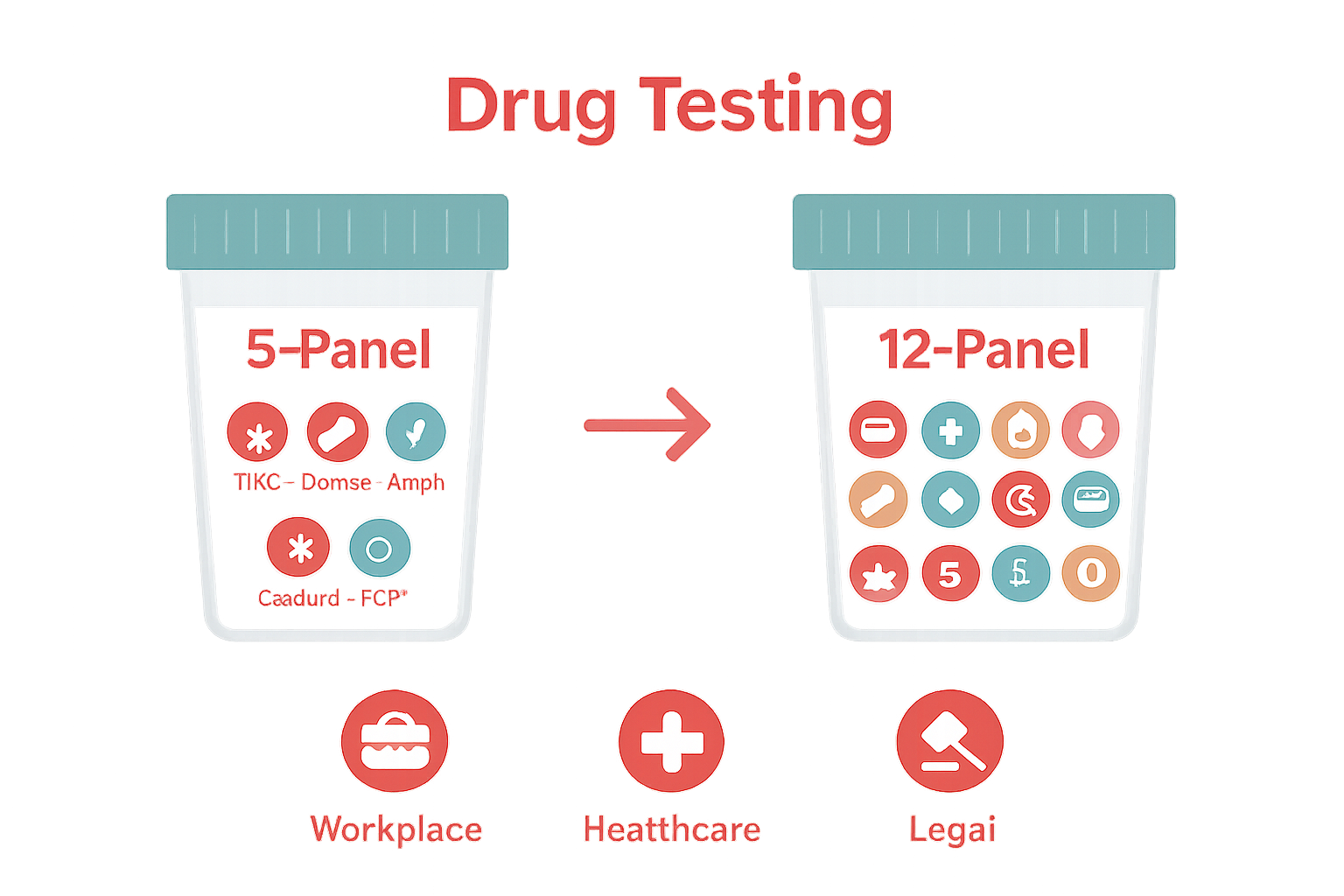
Understanding panel differences is crucial for selecting the right testing approach. 13 Screen Drug Test Cups with adulterant detection represent the most comprehensive option, providing robust screening mechanisms that not only detect multiple substances but also identify potential sample tampering. These advanced cups include built-in validity checks to ensure test integrity.
Key panel configurations include:
-
5-Panel Drug Test Cup
- Screens for core illicit substances
- Ideal for basic workplace screening
- Quick and cost-effective
-
10-Panel Drug Test Cup
- Expanded substance detection
- Includes prescription medication
- Suitable for healthcare and treatment settings
-
12-Panel Drug Test Cup
- Comprehensive substance coverage
- Includes synthetic drugs
- Advanced screening for complex environments
-
13-Panel Drug Test Cup
- Maximum substance detection
- Includes adulterant testing
- Highest level of screening precision
Each panel configuration offers unique advantages, allowing organizations to select a drug test cup that precisely matches their specific monitoring and safety requirements.
How Drug Test Cups Work Scientifically
Drug test cups operate through sophisticated immunoassay technology, a precise scientific method for detecting drug metabolites in biological samples. Advanced screening mechanisms leverage complex chemical interactions that enable rapid, accurate substance identification within minutes of sample collection.
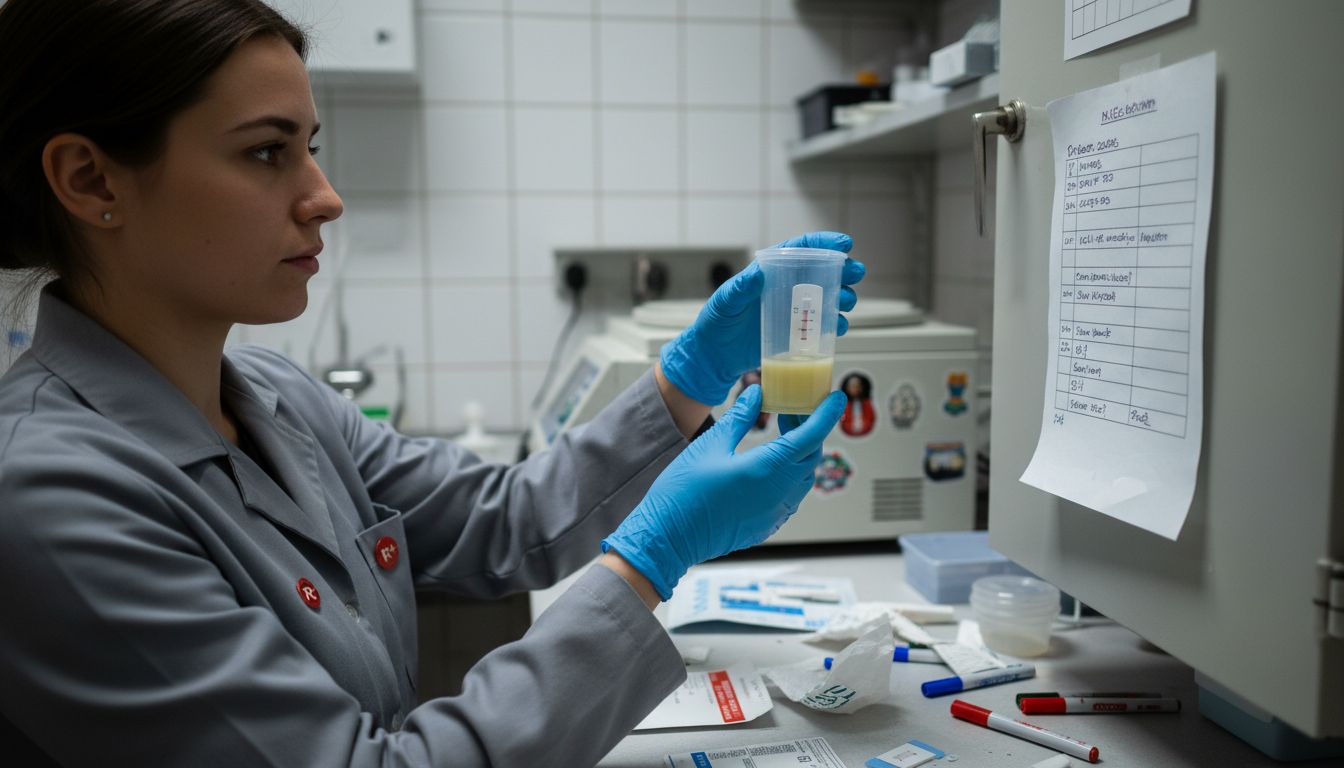
Immunoassay testing involves specialized antibodies designed to recognize specific molecular structures of drug metabolites. When urine passes through the cup’s integrated test strips, these antibodies trigger precise color-change reactions that indicate the presence or absence of targeted substances. The test strips contain immobilized antibodies with unique binding capabilities, ensuring that only specific drug molecules generate a visible response.
The scientific process unfolds through multiple critical stages of chemical interaction. Initial urine contact activates the test strip’s reactive zones, where drug metabolites compete with labeled drug molecules for limited antibody binding sites. This competitive binding mechanism allows for quantitative detection, with color intensity and position correlating to the concentration of detected substances. Cutoff levels are carefully predetermined to minimize false positives while maintaining high sensitivity for accurate screening.
Key scientific principles underlying drug test cup functionality include:
- Molecular recognition through specific antibody interactions
- Competitive binding mechanism
- Lateral flow immunoassay technology
- Quantitative color-based detection
- Predetermined sensitivity thresholds
- Rapid metabolite identification
These sophisticated scientific principles transform a simple urine collection cup into a powerful diagnostic tool, enabling quick and reliable substance screening across various professional and clinical settings.
Who Uses Drug Test Cups and Why
Drug test cups serve critical roles across multiple professional and institutional settings, providing swift and reliable substance screening solutions. Comprehensive drug testing approaches have become essential tools for organizations seeking to maintain safety, compliance, and accountability.
Substance monitoring occurs across diverse professional environments, including workplace safety programs, healthcare facilities, legal systems, and treatment centers. Employers utilize drug test cups for pre-employment screening and random workplace testing to ensure employee reliability and minimize potential workplace risks. Addiction treatment centers rely on these tools to track patient progress, verify sobriety, and support rehabilitation efforts.
Drug testing plays a crucial role in multiple institutional contexts, ranging from corporate human resources departments to probation and parole supervision. Law enforcement agencies and court systems frequently employ drug test cups to monitor individuals under legal supervision, ensuring compliance with court-mandated substance abstinence requirements. Healthcare providers use these screening tools for patient assessment, medication management, and developing comprehensive treatment strategies.
Key stakeholders who regularly use drug test cups include:
-
Employers and HR Departments
- Pre-employment screening
- Random workplace testing
- Maintaining workplace safety standards
-
Substance Abuse Treatment Centers
- Patient progress monitoring
- Verifying treatment compliance
- Supporting rehabilitation programs
-
Legal and Justice Systems
- Probation and parole monitoring
- Court-mandated substance screening
- Ensuring legal compliance
-
Healthcare Providers
- Patient assessment
- Medication management
- Diagnostic screening
These diverse applications underscore the critical role drug test cups play in maintaining individual and institutional safety, health, and accountability across multiple professional domains.
Accuracy, Legal Status, and Limitations
Drug test cups offer powerful screening capabilities, but understanding their precise scientific accuracy and legal implications is crucial for responsible implementation. Comprehensive testing solutions require careful interpretation and comprehensive understanding of their inherent limitations.
Drug testing tools cannot definitively diagnose substance use disorders, serving instead as preliminary screening mechanisms. These cups provide rapid initial detection, but professionals must recognize that positive results necessitate confirmatory laboratory testing. The screening process involves statistical probabilities of false positives and false negatives, meaning no single test can be considered 100% conclusive without additional verification.
The legal landscape surrounding drug testing remains complex and jurisdiction-specific, with significant variations in regulatory requirements and privacy considerations. While federal guidelines support drug testing in certain workplace and institutional contexts, individual rights and privacy protections create nuanced legal boundaries that organizations must carefully navigate. Employers, healthcare providers, and legal systems must balance screening needs with individual privacy protections and potential discrimination concerns.
Key accuracy and limitation considerations include:
-
Screening Limitations
- Not a definitive diagnostic tool
- Requires confirmatory testing
- Potential for false positives/negatives
-
Legal Considerations
- Jurisdiction-specific regulations
- Privacy protection requirements
- Consent and notification protocols
-
Technical Constraints
- Detection window variations
- Metabolite concentration thresholds
- Potential interference from medications
-
Interpretation Challenges
- Professional expertise required
- Context-specific result evaluation
- Need for comprehensive assessment
Professional users must approach drug test cups as valuable screening tools while maintaining a nuanced understanding of their scientific and legal complexities.
Discover Reliable Drug Test Cups Tailored to Your Needs
The article explains the importance of rapid and accurate drug screening through innovative drug test cups that combine specimen collection and immediate results. If you need to overcome challenges such as avoiding false positives, ensuring legal compliance, or selecting the right panel for your setting, we understand your goals. At rapidtestcup.com, you will find a wide range of FDA-approved, CLIA waived drug test cups with multiple panel options including advanced 13-panel cups that also detect adulterants, helping you maintain trustworthy and efficient substance monitoring.
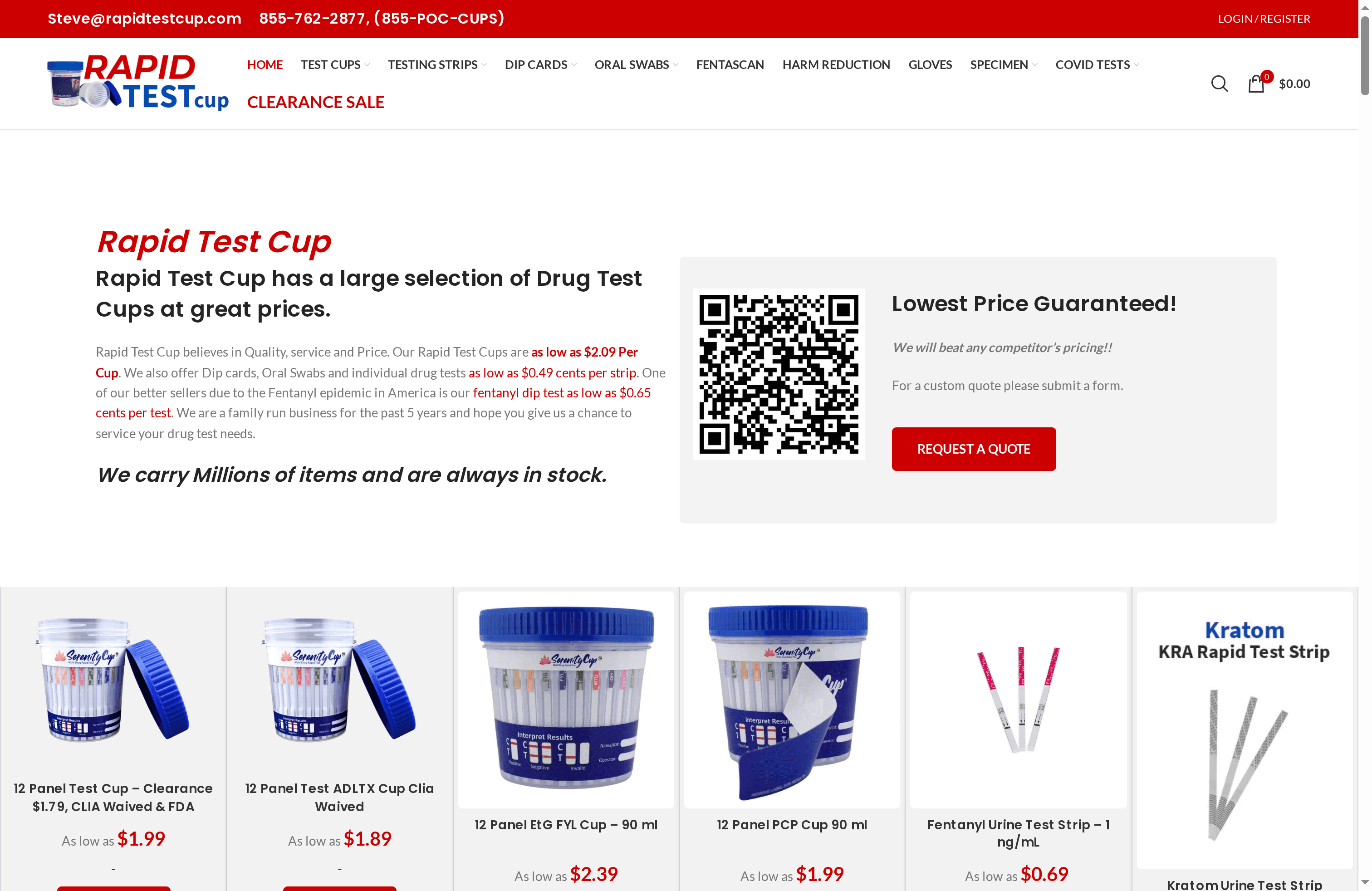
Take control of your drug testing process today by choosing high-quality products designed for professional and clinical use. Explore our diverse selection of drug test cups with quick shipping and bulk discounts at rapidtestcup.com. Navigate easily to find detailed specifications matching your specific requirements and request custom quotes to fit your budget. Act now to equip your workplace, treatment program, or legal supervision with reliable tools that deliver fast, clear, and accurate results.
Frequently Asked Questions
What is a drug test cup?
A drug test cup is an integrated diagnostic device designed to collect and analyze urine samples for the presence of multiple drugs rapidly. It combines specimen collection and immediate drug detection in one system.
How do drug test cups work scientifically?
Drug test cups operate using immunoassay technology, which employs specialized antibodies to detect drug metabolites in urine. When the urine contacts the test strips inside the cup, color changes indicate the presence or absence of specific substances.
What types of drug test cups are available?
Drug test cups come in various panel configurations, including 5-panel, 10-panel, 12-panel, and 13-panel options. These panels allow for screening for different substances, with higher panel counts enabling detection of a broader range of drugs and potential sample tampering.
Who typically uses drug test cups and why?
Drug test cups are used across various sectors including employers for workplace safety, healthcare facilities for patient assessment, legal systems for compliance monitoring, and substance abuse treatment centers for tracking recovery progress.