

Blog
7 Essential Types of Urine Test Strips Explained Simply


Every American substance abuse program coordinator faces daily pressure to monitor client compliance without overspending resources. With more than 20 million people in the United States affected by substance use disorders each year, the demand for reliable, affordable urine test strips continues to rise. This guide covers practical options that deliver fast, accurate results for common substances, helping programs stay efficient and focused on client progress.
Table of Contents
- Basic Drug Screening Strips for Common Substances
- Multi-Panel Urine Test Strips for Comprehensive Detection
- Adulterant Test Strips to Spot Tampering Attempts
- Fentanyl Detection Strips for Enhanced Safety
- Alcohol Test Strips for Targeted Monitoring
- ETG Test Strips for Accurate Alcohol Metabolite Detection
- Specialty Strips for Prescription Drug Monitoring
Quick Summary
| Takeaway | Explanation |
|---|---|
| 1. Use Test Strips for Rapid Screening | Test strips provide quick, reliable identification of multiple drugs in urine samples, enhancing substance monitoring efficiency. |
| 2. Confirm Positive Results with Laboratory Testing | Always validate positive results from screening strips with more comprehensive laboratory tests to ensure accuracy and protect rights. |
| 3. Employ Adulterant Strips to Prevent Tampering | Utilize adulterant test strips to detect substances that may compromise the integrity of urine samples, safeguarding test reliability. |
| 4. Fentanyl Test Strips Enhance User Safety | Fentanyl detection strips help users verify drug safety by identifying potential lethal fentanyl contamination before consumption. |
| 5. Alcohol Detection for Monitoring Compliance | Alcohol test strips are valuable for monitoring alcohol consumption compliance reliably across various professional and clinical settings. |
1. Basic Drug Screening Strips for Common Substances
Urine test strips represent a fast, reliable method for detecting multiple drug substances in a single screening process. These diagnostic tools allow substance abuse program coordinators to quickly identify potential drug use among clients through comprehensive immunoassay screening.
These screening strips typically detect five to ten common substances simultaneously, including marijuana, cocaine, methamphetamine, opiates, and benzodiazepines. By providing rapid results within minutes, they offer an efficient first step in monitoring treatment program compliance and identifying potential substance abuse risks.
The testing process is straightforward. Urine test strips are dipped into a urine sample, and color changes or indicator lines reveal the presence of specific drug metabolites. Different panel configurations allow for customized screening based on program needs, with some strips detecting up to 12 different substances in a single test.
Most professional drug screening programs prefer these strips because they are noninvasive, cost effective, and provide immediate results. They can be used in various settings including clinical environments, rehabilitation centers, workplace screenings, and probation monitoring.
Pro tip: Always validate positive results with more comprehensive confirmatory testing to ensure accuracy and protect individual rights.
2. Multi-Panel Urine Test Strips for Comprehensive Detection
Multi-panel urine test strips represent an advanced screening technology that allows healthcare professionals and program coordinators to detect multiple substances simultaneously. These powerful diagnostic tools provide comprehensive urinalysis through rapid screening with remarkable efficiency.
Typically, multi-panel test strips can screen for 5 to 12 different substances in a single test, including drugs like marijuana, cocaine, amphetamines, opiates, and benzodiazepines. The test strips feature multiple chemical reactive pads that change color when specific drug metabolites are present, enabling quick and accurate detection.
The primary advantage of multi-panel strips is their ability to provide comprehensive screening in a single, cost-effective process. Program coordinators can quickly identify potential substance abuse risks, monitor treatment compliance, and make informed decisions about client interventions.
Different panel configurations allow customization based on specific screening needs. Some advanced strips can detect prescription medications, synthetic drugs, and even adulterants that might be used to manipulate test results, providing an additional layer of screening integrity.
Pro tip: Always verify positive multi-panel test results with confirmatory laboratory testing to ensure accuracy and protect individual rights.
3. Adulterant Test Strips to Spot Tampering Attempts
Urine test adulterant strips represent a critical tool for detecting intentional attempts to manipulate drug screening results. These specialized strips help identify substances added to urine samples to mask or invalidate drug testing, protecting test integrity in forensic settings.
Adulterant test strips can detect a wide range of tampering substances including bleach, vinegar, ammonia, hydrogen peroxide, and various chemical additives designed to interfere with standard drug screening processes. By checking for changes in specific gravity, pH levels, oxidizing agents, and creatinine concentrations, these strips provide an additional layer of verification.
Professional screening programs use adulterant strips as a standard practice to ensure the reliability of drug test results. These strips can quickly identify common tampering methods such as dilution, substitution, or chemical alteration of urine samples, which individuals might attempt to avoid detection of substance use.
Some advanced adulterant strips can detect up to 10 different tampering substances in a single test, providing comprehensive protection against manipulation attempts. The chemical indicators on these strips change color or react specifically when foreign substances are present, allowing immediate identification of potential test tampering.
Pro tip: Always collect urine samples under direct supervision and use multiple verification methods to maximize testing accuracy and prevent potential tampering attempts.
4. Fentanyl Detection Strips for Enhanced Safety
Fentanyl detection strips are a critical harm reduction technology designed to prevent potentially fatal overdoses by identifying the presence of this potent synthetic opioid. These sensitive testing tools offer rapid screening for fentanyl exposure in various substance samples.
The test strips work through an advanced immunochromatographic mechanism that can detect fentanyl and its analogs at extremely low concentrations typically ranging from 10 to 20 nanograms per milliliter. This high sensitivity allows individuals to quickly verify whether their drug samples contain potentially lethal amounts of fentanyl before consumption.
Substance abuse programs, harm reduction centers, and public health organizations increasingly rely on these strips as a frontline intervention strategy. By providing users with immediate information about fentanyl contamination, these strips empower individuals to make safer choices and potentially prevent life threatening overdose situations.
The technology is particularly crucial given the ongoing opioid crisis, where fentanyl has become a leading cause of overdose deaths across the United States. These strips offer a simple, affordable, and potentially life saving screening method that can be used in multiple settings including treatment centers, community health programs, and personal harm reduction efforts.
Pro tip: Always confirm test results with professional medical guidance and never use test strips as the sole method of ensuring personal safety.
5. Alcohol Test Strips for Targeted Monitoring
Alcohol test strips provide a critical tool for rapid screening and monitoring of alcohol consumption across various professional and clinical settings. These specialized strips enable precise alcohol detection methods to support intervention and treatment strategies.
Typically available in ethyl glucuronide (ETG) formats, these test strips can detect alcohol metabolites in urine for up to 80 hours after consumption. This extended detection window allows substance abuse programs, workplace safety managers, and healthcare professionals to track recent alcohol use more effectively than traditional breathalyzer tests.
The testing process involves dipping the strip into a urine sample and observing color changes that indicate alcohol presence. Different sensitivity levels allow for customized screening approaches, with some strips capable of detecting alcohol consumption as low as 500 nanograms per milliliter.
Professional monitoring programs frequently use these strips for client compliance tracking, probation requirements, workplace safety protocols, and medical treatment verification. The noninvasive nature and quick results make them an essential tool for comprehensive substance use screening.
Pro tip: Always interpret test results in context and consult professional medical guidance when making decisions based on alcohol screening outcomes.
6. ETG Test Strips for Accurate Alcohol Metabolite Detection
Ethyl glucuronide (ETG) test strips represent a sophisticated method for detecting alcohol consumption through precise metabolite screening. These specialized strips provide advanced alcohol exposure detection far beyond traditional breathalyzer technologies.
Unlike standard alcohol tests that measure immediate blood alcohol content, ETG strips detect a specific alcohol metabolite that remains present in urine for up to 80 hours after drinking. This extended detection window makes them invaluable for monitoring alcohol abstinence in treatment programs, workplace safety protocols, and legal compliance settings.
The testing mechanism involves a sensitive immunoassay that identifies ethyl glucuronide concentrations as low as 300 nanograms per milliliter. These strips can distinguish between incidental alcohol exposure and intentional drinking, providing a more nuanced approach to alcohol screening.
Professional applications include substance abuse treatment centers, probation monitoring, professional rehabilitation programs, and workplace safety screenings. The high sensitivity and long detection window make ETG test strips a preferred method for comprehensive alcohol use assessment.
Pro tip: Always interpret ETG test results with professional guidance and consider potential sources of incidental alcohol exposure to avoid false positive interpretations.
7. Specialty Strips for Prescription Drug Monitoring
Specialty prescription drug test strips represent an advanced monitoring technology designed to track specific medications and their metabolites with unprecedented precision. These innovative tools enable comprehensive therapeutic drug monitoring across diverse clinical and treatment environments.
Designed to detect individual prescription medications such as barbiturates, benzodiazepines, buprenorphine, and stimulants like methylphenidate, these specialized strips provide healthcare professionals with rapid screening capabilities. Each strip is calibrated to identify specific drug metabolites at precise concentration levels, allowing for immediate verification of medication compliance and potential misuse.
The primary advantage of specialty prescription drug strips lies in their ability to offer targeted screening for medications with narrow therapeutic windows. These strips support clinical decision making by providing quick, noninvasive insights into patient medication adherence, potential interactions, and unauthorized drug consumption.
Professional settings including addiction treatment centers, rehabilitation programs, pain management clinics, and mental health facilities utilize these strips to monitor patient treatment progress, ensure medication safety, and prevent potential substance abuse scenarios.
Pro tip: Always interpret specialty drug test results in consultation with medical professionals and consider potential variations in individual metabolic responses.
Below is a comprehensive table summarizing the described types of test strips and their applications as explained in the provided article.
| Test Strip Type | Primary Use | Key Features |
|---|---|---|
| Basic Drug Screening Strips | Fast detection of common drug substances. | Detects substances like marijuana, cocaine, and benzodiazepines. |
| Multi-Panel Urine Test Strips | Comprehensive testing for multiple drugs in one screening. | Configurations for testing 5 to 12 substances, suited for diverse needs. |
| Adulterant Test Strips | Detect tampering with urine samples. | Identifies substances like bleach and vinegar used for manipulation. |
| Fentanyl Detection Strips | Specific identification of fentanyl and its analogs to prevent overdoses. | Highly sensitive to low fentanyl concentrations (10–20 ng/mL). |
| Alcohol Test Strips | Detect recent alcohol consumption. | Includes ETG format with up to 80-hour detection window. |
| ETG Test Strips | Targeted testing for ethyl glucuronide metabolites of alcohol. | Detects alcohol consumption with precision up to 300 ng/mL sensitivity. |
| Specialty Strips for Prescription Drugs | Accurate monitoring of specific prescribed medications. | Calibrated testing for precise drug metabolites for compliance tracking. |
This table encapsulates the integral details of test strip applications for screening and monitoring, as highlighted in the article.
Discover Reliable Urine Test Strips for Accurate and Fast Drug Screening
Understanding the 7 essential types of urine test strips can be challenging when you need quick and dependable results. Whether you are monitoring substance abuse, detecting tampering attempts, or ensuring safety with fentanyl or alcohol detection, the right testing supplies make all the difference. The article highlights critical needs such as comprehensive multi-panel screening, adulterant detection, and specialized prescription drug monitoring—tasks that demand high-quality, FDA-approved products designed for professional and forensic use.
At RapidTestCup, we provide an extensive collection of urine test strips and drug screening solutions that address these exact challenges. Our products help you stay compliant, protect test integrity, and make informed decisions comfortably and swiftly. From basic drug screening strips and sophisticated multi-panel kits to adulterant detection and fentanyl test strips, our catalog delivers everything you need under one roof.
Elevate your testing program with trusted supplies that prioritize accuracy and speed. Explore our selection today to benefit from bulk discounts, fast shipping, and expert product information.
Looking for the perfect test strip? Start here with our urine test strips selection to find your ideal solution.
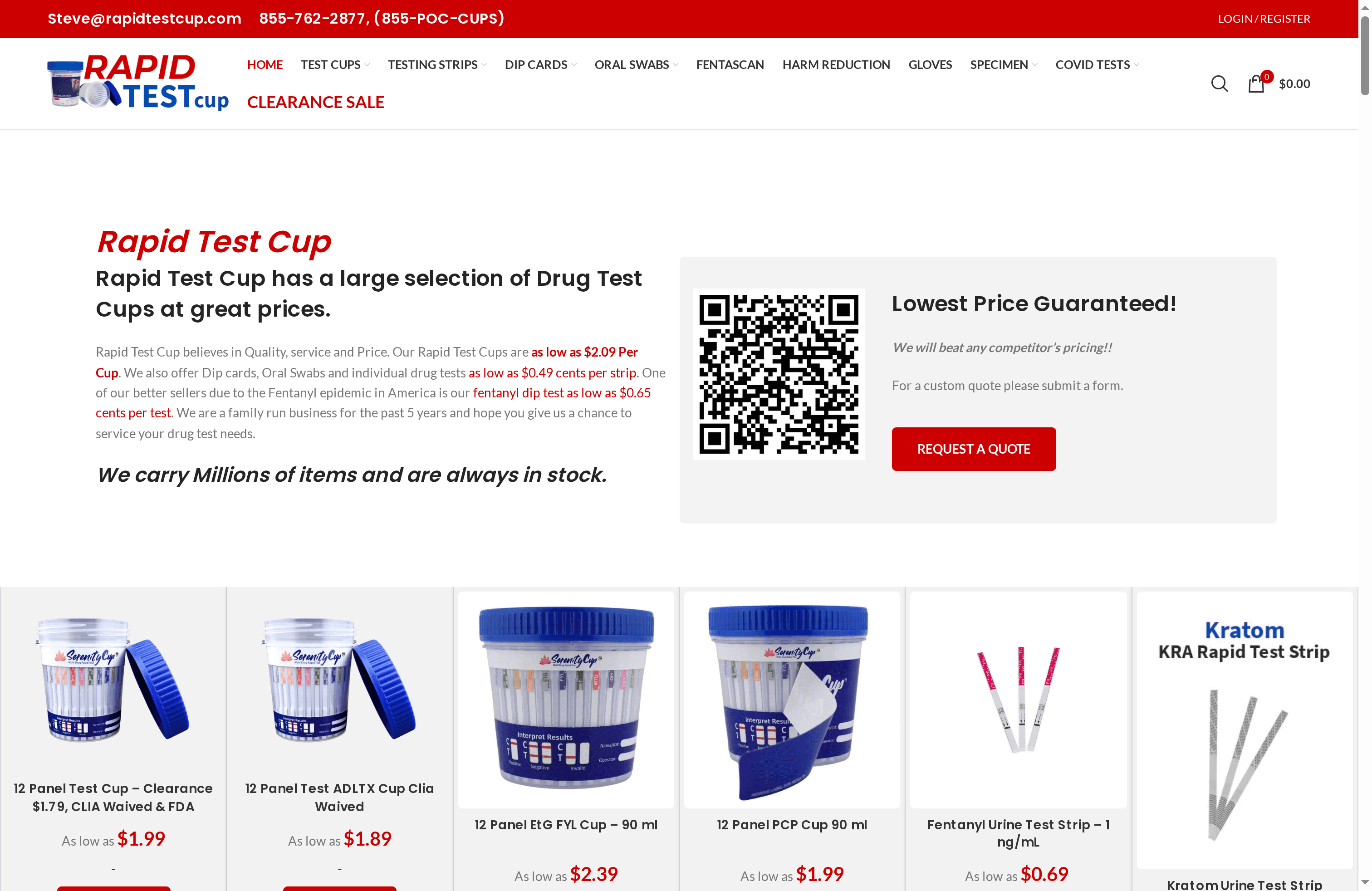
Make your next drug screening simple and reliable by shopping now at RapidTestCup. Don’t wait to secure testing supplies that protect your program’s integrity and keep your operations running smoothly. Visit us today and experience the difference professional-grade urine testing can make.
Frequently Asked Questions
What are urine test strips and how do they work?
Urine test strips are diagnostic tools used to detect multiple drug substances in a single urine sample. Generally, you dip the strip into the urine, and color changes indicate the presence of specific drug metabolites.
How many substances can multi-panel urine test strips detect?
Multi-panel urine test strips typically detect between 5 to 12 different substances in one test. Choose a panel configuration based on your specific screening needs to ensure comprehensive detection of potential drug use.
What is the purpose of adulterant test strips?
Adulterant test strips are designed to identify attempts to tamper with urine samples for drug testing, such as adding substances to mask drug use. Use these strips to verify the integrity of urine samples and ensure reliable test results.
How can fentanyl detection strips improve safety?
Fentanyl detection strips allow users to test for the presence of fentanyl in drug samples, helping to prevent accidental overdoses. Incorporate these strips as a vital step in harm reduction strategies to ensure safer drug consumption practices.
What distinguishes ETG test strips from standard alcohol tests?
ETG test strips specifically detect ethyl glucuronide, an alcohol metabolite, which can remain in urine for up to 80 hours after drinking. Utilize ETG test strips for more accurate monitoring of alcohol consumption and compliance in treatment settings.
How can specialty prescription drug strips assist healthcare professionals?
Specialty prescription drug strips provide targeted screening for specific medications and their metabolites, allowing for rapid verification of medication compliance. Use these tools to monitor patient treatment progress and detect unauthorized medication use effectively.