

Blog
7 Drug Testing Best Practices for Lab Managers


Managing a workplace drug testing program can feel overwhelming, especially when each misstep risks legal complications or unreliable results. The pressure to follow strict compliance rules and maintain scientifically defensible standards is real and constant for laboratory managers. Navigating the maze of requirements—from choosing the right supplies to documenting every step—requires more than just basic knowledge.
This guide gives you the most practical steps for building a drug testing approach that protects both your organization and your staff. You’ll find trusted techniques for establishing robust drug testing protocols, selecting FDA-approved and CLIA waived supplies, and training your team to handle every specimen with care. Unlock clear insights that will help you safeguard sample integrity, improve accuracy, and pass compliance audits with confidence.
Ready to discover the crucial actions that top laboratories rely on? Each strategy is designed to give you clarity and peace of mind at every stage of the drug testing process.
Table of Contents
- 1. Establish Clear Drug Testing Protocols
- 2. Use FDA-Approved and CLIA Waived Supplies
- 3. Train Staff on Specimen Collection Procedures
- 4. Monitor for Adulteration and Sample Integrity
- 5. Document Every Step for Compliance Audits
- 6. Maintain Calibration and Equipment Checks
- 7. Communicate Results with Precision and Privacy
Quick Summary
| Takeaway | Explanation |
|---|---|
| 1. Establish Clear Testing Protocols | Comprehensive protocols prevent inconsistencies and enhance workplace safety in drug testing. |
| 2. Use Certified Testing Supplies | Choosing FDA-approved and CLIA waived supplies ensures legal compliance and accurate results. |
| 3. Train Staff on Collection Techniques | In-depth training for proper specimen collection is essential for maintaining test integrity. |
| 4. Monitor Sample Integrity | Implementing strategies to detect adulteration strengthens the credibility of drug testing. |
| 5. Maintain Accurate Documentation | Thorough documentation is vital for legal defensibility and should be meticulously organized. |
1. Establish Clear Drug Testing Protocols
Effective drug testing begins with establishing comprehensive and unambiguous protocols that leave no room for interpretation. Without clear guidelines, lab managers risk inconsistent testing procedures, potential legal challenges, and compromised workplace safety.
Developing robust drug testing protocols requires a multifaceted approach that addresses every stage of the testing process. These protocols should comprehensively outline specimen collection methods, chain of custody procedures, screening and confirmation testing techniques, and result reporting mechanisms. By creating detailed workplace drug testing guidelines, organizations can standardize their approach and minimize potential errors.
A well structured protocol must include specific elements such as:
Key Protocol Components:
- Precise specimen collection procedures
- Detailed documentation requirements
- Clear staff training expectations
- Defined testing panel configurations
- Standardized result interpretation guidelines
- Confidentiality and privacy protections
- Consistent disciplinary or follow up procedures
Successful implementation demands collaboration between human resources, legal departments, medical review officers, and laboratory management. This cross functional approach ensures that protocols are legally compliant, scientifically rigorous, and operationally practical.
Pro tip: Regularly review and update your drug testing protocols to align with current legal standards and emerging scientific best practices.
2. Use FDA-Approved and CLIA Waived Supplies
Choosing the right drug testing supplies is not just a recommendation it is a critical compliance requirement for laboratory managers. Utilizing FDA-approved and CLIA waived testing supplies ensures accuracy, reliability, and legal defensibility of your testing procedures.
CLIA waived status represents the highest standard of quality and simplicity in laboratory testing. These supplies have undergone rigorous testing to demonstrate they can be performed correctly by minimally trained personnel with a low risk of error. Understanding CLIA waived standards helps laboratories maintain consistent quality across their drug screening processes.
Key Benefits of FDA-Approved and CLIA Waived Supplies:
- Guaranteed testing accuracy
- Legal compliance protection
- Reduced risk of false positive or negative results
- Simplified staff training requirements
- Enhanced workplace safety standards
- Potential reduction in liability risks
Laboratory managers should conduct thorough vendor evaluations, examining certification documentation, reviewing performance specifications, and verifying ongoing compliance with regulatory requirements. Regular equipment calibration and supply validation are essential components of maintaining high testing standards.
Implementing strict supply selection protocols demonstrates a commitment to precision and professionalism in drug screening operations. By prioritizing quality tested and officially recognized testing materials, you protect both your organizational integrity and the individuals being tested.
Pro tip: Maintain a comprehensive inventory log tracking the certification status and expiration dates of all testing supplies to ensure continuous compliance.
3. Train Staff on Specimen Collection Procedures
Specimen collection represents the critical first stage of accurate drug testing where human error can significantly compromise results. Comprehensive staff training is not optional it is fundamental to maintaining testing integrity and legal defensibility.
Laboratory managers must develop a structured training program that covers every aspect of specimen collection. Drug screening workflow training provides essential protocols for ensuring consistent and reliable testing procedures. Effective training encompasses multiple critical dimensions beyond simple technical instruction.
Essential Training Components:
- Proper specimen handling techniques
- Chain of custody documentation
- Preventing specimen contamination
- Recognizing potential tampering attempts
- Understanding legal privacy requirements
- Maintaining strict confidentiality standards
- Implementing standardized collection protocols
Training should include both theoretical knowledge and hands on practical demonstrations. Simulate real world scenarios where staff must make critical decisions about specimen management. Incorporate video demonstrations, written guidelines, and periodic skill assessment tests to validate staff competency.
Regular refresher training is crucial as testing technologies and regulatory requirements continuously evolve. Organizations should schedule mandatory annual training sessions and provide ongoing educational resources to keep staff current with best practices.
Pro tip: Create a comprehensive training manual with visual guides and conduct quarterly competency assessments to ensure consistent specimen collection standards.
4. Monitor for Adulteration and Sample Integrity
Sample adulteration represents a significant challenge in drug testing, where individuals attempt to manipulate test results through various chemical interventions. Laboratory managers must implement robust strategies to detect and prevent these fraudulent attempts.
Detecting potential sample tampering requires sophisticated accuracy assessment techniques that go beyond traditional screening methods. Advanced screening protocols help identify subtle chemical alterations designed to mask substance presence.
Key Adulteration Detection Strategies:
- Utilize comprehensive multi parameter screening tests
- Check specimen temperature immediately after collection
- Analyze samples for unexpected chemical markers
- Examine sample pH levels and specific gravity
- Conduct visual and microscopic inspection
- Test for known adulterating substances
- Implement random verification protocols
Successful adulteration monitoring demands a multilayered approach combining technological tools and trained personnel expertise. Laboratory staff must remain vigilant and understand the sophisticated methods individuals might employ to circumvent testing protocols.
Implementing stringent sample integrity checks protects the credibility of drug testing programs. These measures not only detect potential fraud but also serve as a powerful deterrent against future tampering attempts.
Pro tip: Invest in advanced screening panels that can detect a wide range of adulterating agents and establish clear documentation protocols for any suspicious samples.
5. Document Every Step for Compliance Audits
Documentation represents the foundation of legal defensibility in drug testing laboratories. Comprehensive record keeping is not merely a bureaucratic requirement but a critical mechanism for protecting organizational integrity and ensuring testing accuracy.
Effective documentation goes far beyond simple record retention. Interpreting drug test results requires meticulous tracking of every procedural step to maintain scientific credibility and legal compliance.
Essential Documentation Elements:
- Specimen collection timestamp
- Collector identification
- Chain of custody forms
- Detailed testing procedure logs
- Instrument calibration records
- Staff training certification documentation
- Result verification notes
- Temperature and handling conditions
- Quality control measurements
Laboratory managers must develop standardized documentation protocols that capture granular details of each testing phase. Digital documentation systems can streamline this process while providing searchable audit trails that withstand regulatory scrutiny.
Consistent documentation practices protect against potential legal challenges and demonstrate professional commitment to accuracy. By maintaining transparent and comprehensive records laboratories establish trust with regulatory agencies and stakeholders.
Pro tip: Create digital backup systems with redundant storage and implement monthly documentation compliance reviews to identify and address potential record keeping gaps.
6. Maintain Calibration and Equipment Checks
Precision in drug testing hinges on the consistent performance of laboratory equipment. Regular calibration and systematic equipment checks are not optional extras but fundamental requirements for maintaining testing accuracy and reliability.
Laboratory managers must implement a comprehensive drug screening workflow that includes rigorous equipment validation protocols. These systematic checks protect against potential errors that could compromise test results and lead to incorrect medical or legal decisions.
Critical Calibration Procedures:
- Establish baseline performance metrics
- Create standardized verification schedules
- Use certified reference materials
- Conduct daily instrument performance checks
- Document all calibration activities
- Track measurement uncertainties
- Implement redundant verification systems
- Maintain detailed maintenance logs
- Perform periodic equipment recertification
Successful calibration management requires a proactive approach that combines technological expertise with meticulous record keeping. Laboratory teams must develop a culture of continuous equipment monitoring where precision is prioritized over convenience.
Advanced laboratories utilize digital tracking systems that provide real time monitoring and automatic alert mechanisms for potential equipment deviations. These technologies enable immediate intervention and minimize the risk of compromised testing procedures.
Pro tip: Create a digital dashboard for tracking equipment performance and set automated alerts for calibration requirements to ensure consistent testing reliability.
7. Communicate Results with Precision and Privacy
Accurate result communication represents the final critical stage in drug testing where scientific rigor meets ethical responsibility. Laboratory managers must balance complete transparency with stringent privacy protections.
Interpreting drug test results requires a strategic approach that safeguards individual rights while providing clear actionable information to authorized stakeholders.
Essential Communication Principles:
- Use clear unambiguous language
- Protect individual confidentiality
- Follow legal privacy regulations
- Establish secure transmission protocols
- Create standardized reporting templates
- Limit information to authorized personnel
- Implement multilayered verification processes
- Provide context for test interpretations
- Enable confidential result verification mechanisms
Effective communication demands more than simply transmitting data. Laboratory teams must develop comprehensive communication strategies that anticipate potential legal and ethical challenges while maintaining professional integrity.
Advanced laboratories utilize secure digital platforms that enable encrypted result transmission with granular access controls. These systems allow precise management of who can view specific information ensuring both transparency and confidentiality.
Pro tip: Develop a standardized result communication protocol that includes encrypted digital transmission and requires multilevel authentication for accessing sensitive testing information.
Below is a detailed table summarizing the main methodologies, considerations, and benefits for effective drug testing procedures as presented in the article.
| Key Aspect | Description | Significance |
|---|---|---|
| Establishing Testing Protocols | Creation and regular updating of comprehensive guidelines detailing collection and analysis processes. | Ensures standardized, legal, and reliable testing outcomes. |
| Utilizing Certified Equipment | Employing FDA-approved and CLIA-waived supplies for conducting tests. | Reduces risk of incorrect results and aligns with compliance frameworks. |
| Training Personnel | Providing thorough training for staff on specimen collection, handling, and documentation practices. | Minimizes errors and ensures consistent data integrity and reliability. |
| Monitoring Adulteration | Implementing measures to identify and prevent sample tampering through advanced detection techniques and vigilance. | Maintains accuracy and credibility of testing procedures. |
| Comprehensive Documentation | Keeping detailed records of every phase of the testing process from specimen collection to reporting. | Provides transparency and legal defensibility during audits and accommodates future references. |
| Equipment Calibration | Maintaining regular performance checks and calibration of testing equipment. | Enhances reliability and accuracy of the equipment used in drug screening. |
| Communicating Results | Establishing protocols for clear, secure, and precise reporting of results to appropriate parties. | Balances legal compliance with safeguarding individual privacy. |
Elevate Your Drug Testing Accuracy with Trusted Supplies from RapidTestCup
We understand the critical challenges lab managers face in maintaining compliance, ensuring specimen integrity, and preventing adulteration as outlined in the article “7 Drug Testing Best Practices for Lab Managers.” From establishing precise protocols to using FDA-approved and CLIA waived testing supplies every step impacts your testing reliability and legal defensibility. Avoid costly errors and enhance your laboratory’s credibility by choosing high-quality, verified products designed for professional use.
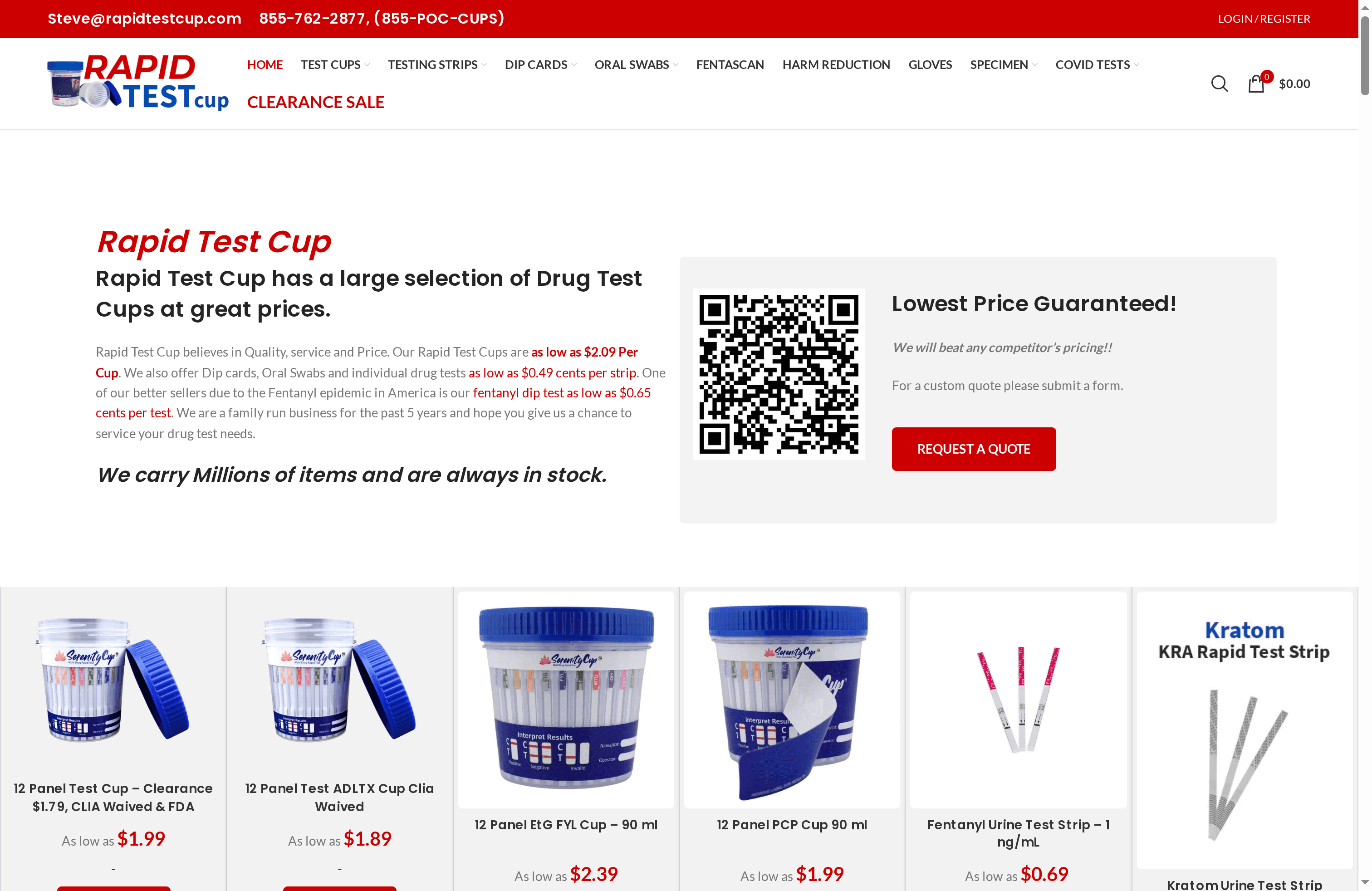
Explore our broad selection of drug test cups, specimen collection supplies, and adulteration detection kits at RapidTestCup. Take control of your drug screening workflow with easy ordering, bulk discounts, and fast shipping. Visit our Drug Screening Workflow Guide to align your lab processes with industry best practices today. Make sure your lab is fully equipped with CLIA Waived and FDA-Approved products that meet the highest standards. Start optimizing your testing operations now by visiting RapidTestCup.
Frequently Asked Questions
What are the key components of effective drug testing protocols for lab managers?
Effective drug testing protocols should include precise specimen collection procedures, clear documentation requirements, thorough staff training expectations, and standardized result interpretation guidelines. Create comprehensive guidelines to ensure consistency and minimize errors across all testing processes.
How can lab managers ensure compliance with FDA and CLIA standards when selecting drug testing supplies?
Lab managers should choose FDA-approved and CLIA waived supplies, as they guarantee testing accuracy and legal compliance. Conduct thorough vendor evaluations to verify certification documentation and ensure ongoing compliance with regulatory requirements.
What should be included in a specimen collection training program for staff?
A specimen collection training program should cover proper handling techniques, chain of custody documentation, preventing contamination, recognizing tampering attempts, and adhering to legal privacy requirements. Implement hands-on demonstrations and regular refresher courses to maintain proficiency among staff.
How can I detect and prevent sample adulteration in drug testing?
To detect and prevent sample adulteration, utilize comprehensive multi-parameter screening tests and conduct immediate specimen temperature checks. Implement random verification protocols and educate staff on recognizing potential tampering methods to enhance the integrity of test results.
What documentation practices are essential for drug testing compliance audits?
Essential documentation practices include maintaining logs of specimen collection timestamps, chain of custody forms, detailed testing procedure logs, and staff training certifications. Standardize documentation protocols to ensure thorough record-keeping, which will support legal defensibility and operational integrity.
How often should lab equipment be calibrated and checked for accuracy?
Lab equipment should undergo calibration and checks according to a standardized schedule, typically every 6 to 12 months, or more frequently depending on usage and manufacturer recommendations. Create a maintenance log to track calibration activities and ensure consistent testing accuracy.