

Blog
False positives in drug tests: lab accuracy guide 2026

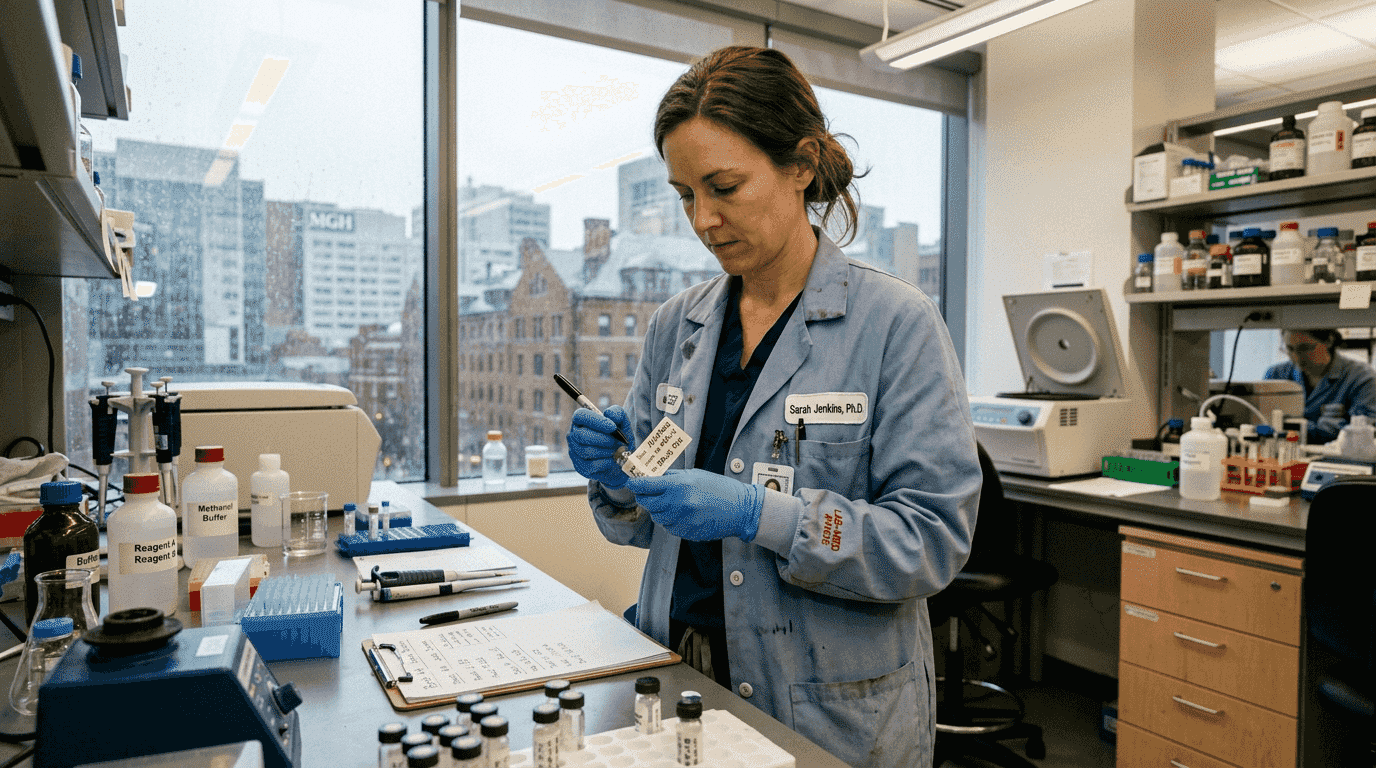
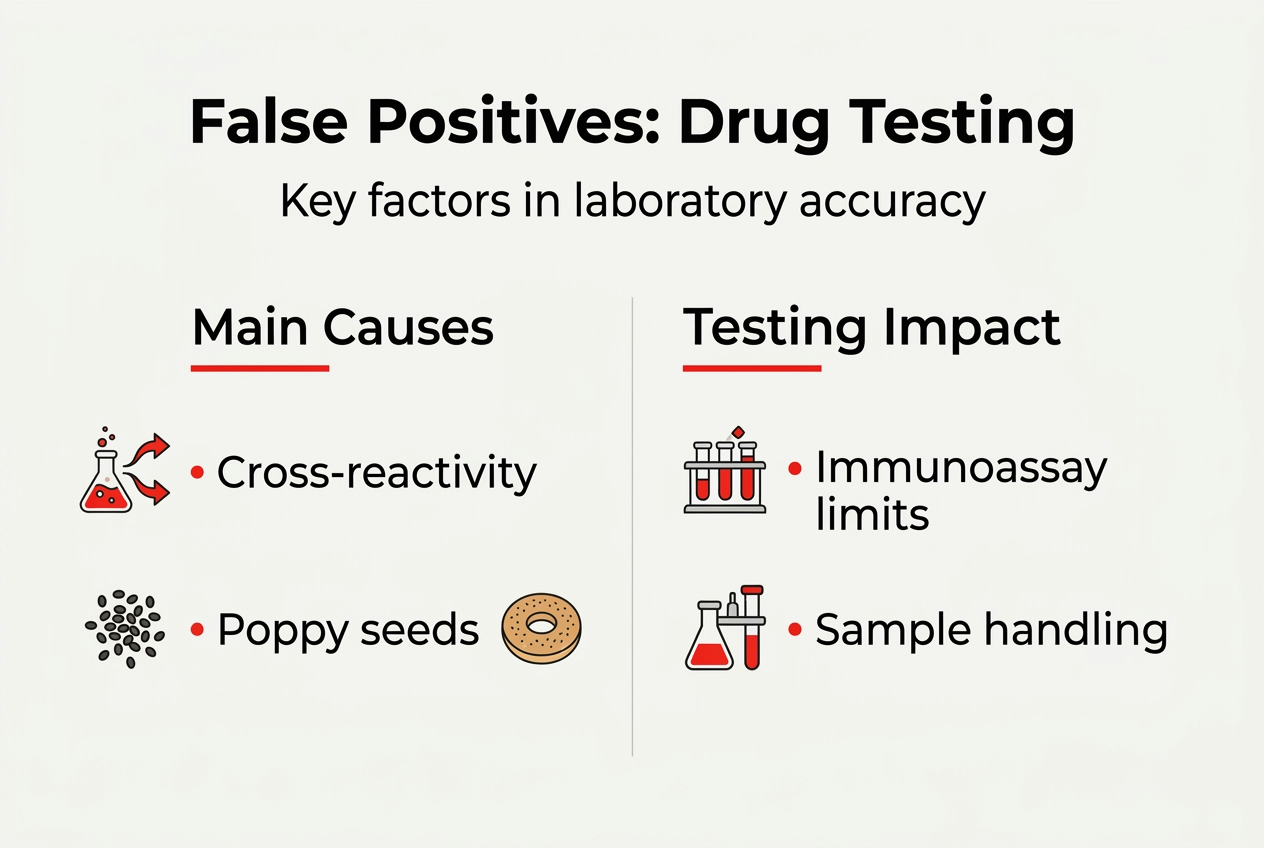
False positives in drug testing create serious consequences for laboratories, clinics, and law enforcement. A positive result that’s actually negative derails careers, triggers wrongful legal action, and undermines confidence in testing programs. Cross-reactivity with common medications and foods causes many false positives. Understanding these mechanisms and implementing confirmatory protocols ensures accurate, defensible results in professional settings.
Table of Contents
- Common Causes Of False Positives In Drug Testing
- Testing Methodologies And Their Impact On False Positive Rates
- Challenges In Interpreting Drug Test Results And Expert Best Practices
- Implementing Effective Strategies To Mitigate False Positives In Practice
- Explore Reliable Drug Testing Solutions At RapidTestCup
- Frequently Asked Questions
Key takeaways
| Point | Details |
|---|---|
| False positives stem from cross-reactivity and testing limitations | Immunoassays react to structurally similar substances, causing misleading results. |
| Confirmatory testing with GC-MS eliminates most errors | Mass spectrometry delivers 99.9% accuracy compared to immunoassay’s 85-95%. |
| Common substances trigger false positives | Medications like ephedrine and foods like poppy seeds cross-react with test antibodies. |
| Quality control protocols are essential | Laboratories must use calibrators, controls, and proficiency testing to maintain accuracy. |
| Expert interpretation prevents costly mistakes | Trained toxicologists consider patient history and pharmacokinetics for reliable conclusions. |
Common causes of false positives in drug testing
Cross-reactivity represents the primary mechanism behind false positives. Immunoassay antibodies bind to molecules structurally similar to target drugs, generating positive signals even when the actual drug is absent. Prescription and OTC drugs like ephedrine, metformin, and quinolones routinely trigger false positives in amphetamine, opiate, and other panels.
Poppy seeds cause false positive opioid results because they contain trace morphine and codeine. A single poppy seed bagel can generate a positive screen. Similarly, certain cold medications containing pseudoephedrine cross-react with amphetamine tests. Laboratories analyzing samples without considering these interferences risk reporting inaccurate results.
Sample adulteration introduces another layer of complexity. Subjects attempting to manipulate results add chemicals like bleach, vinegar, or commercial adulterants to urine samples. These substances interfere with test chemistry, potentially causing both false positives and false negatives. Detecting adulterants in drug tests requires specialized testing panels that monitor pH, oxidants, and specific gravity.
Common interfering substances include:
- Ibuprofen and naproxen, which may cause false positives for cannabinoids or barbiturates
- Ranitidine and other H2 blockers, triggering amphetamine positives
- Quinolone antibiotics like levofloxacin, cross-reacting with opiate panels
- Sertraline and trazodone, occasionally producing false positive benzodiazepine results
- Dietary supplements containing hemp or CBD oil, registering as THC metabolites
Understanding these mechanisms enables laboratories to implement targeted confirmation protocols. When initial screens show positive results, technicians should immediately review patient medication lists and dietary history before reporting. This contextual analysis prevents unnecessary confirmatory testing costs and reduces reporting delays.
Pro Tip: Maintain an updated database of cross-reactive substances specific to your testing platform. Different immunoassay manufacturers use different antibodies with varying cross-reactivity profiles.
Testing methodologies and their impact on false positive rates
Immunoassay technology dominates initial screening because of speed and cost efficiency. These tests deliver results in minutes at a fraction of confirmatory testing costs. However, immunoassays have 5-10% false positive rates and overall accuracy between 85-95%. The technology sacrifices specificity for rapid throughput.
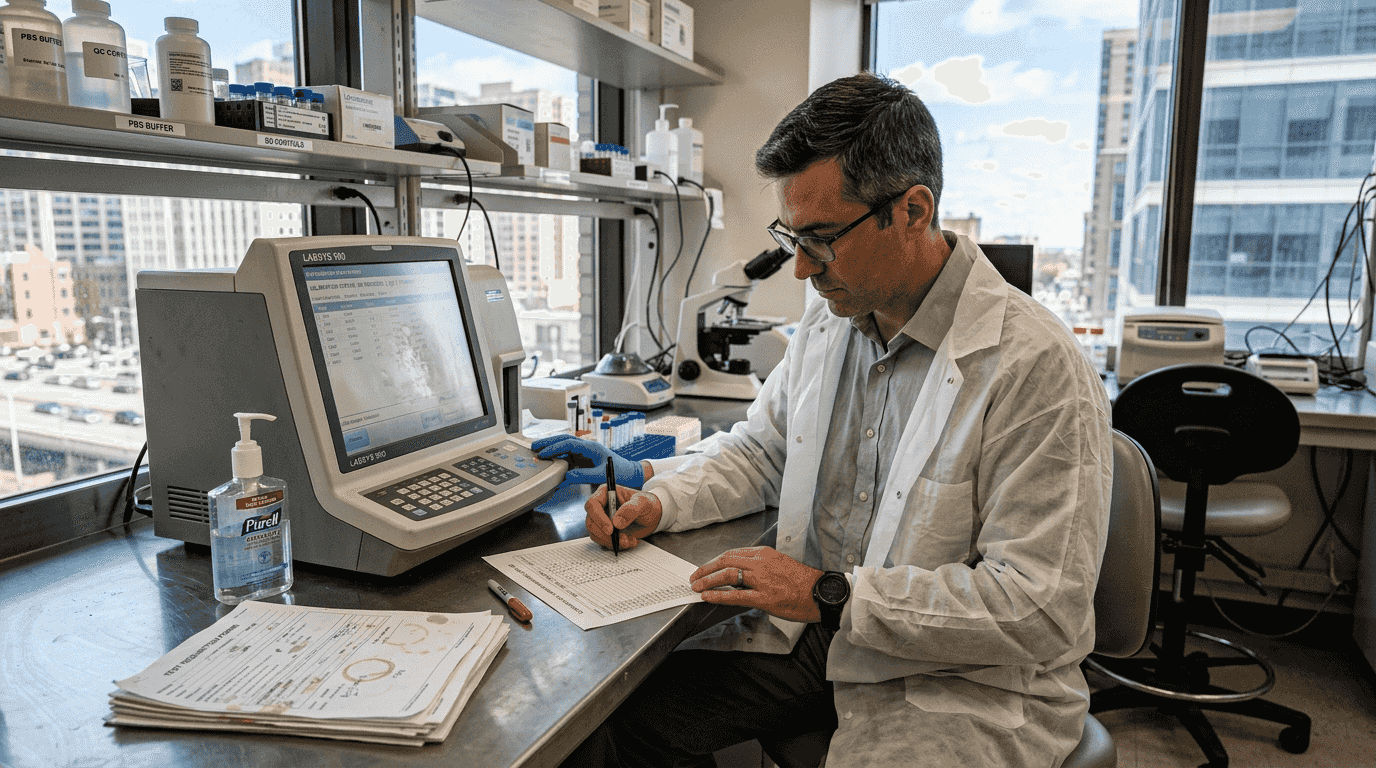
Gas chromatography-mass spectrometry and liquid chromatography-tandem mass spectrometry represent the gold standard for confirmation. Mass spectrometry delivers 99.9% accuracy by identifying drugs based on molecular mass and fragmentation patterns, not antibody binding. This specificity eliminates virtually all false positives but requires expensive equipment and specialized personnel.
| Method | Speed | Cost per Test | Accuracy | False Positive Risk | Best Use Case |
|---|---|---|---|---|---|
| Immunoassay | 5-10 minutes | $5-15 | 85-95% | 5-10% | Initial screening, high volume |
| GC-MS | 24-48 hours | $50-150 | 99.9% | <0.1% | Confirmation, legal/employment |
| LC-MS/MS | 12-24 hours | $75-200 | 99.9% | <0.1% | Complex matrices, multiple analytes |
The two-tiered testing approach balances cost and accuracy. Laboratories screen samples with immunoassays, then confirm all positives with mass spectrometry. This workflow catches false positives before reporting while maintaining economic efficiency. Selecting accurate drug test kits requires understanding this testing hierarchy.
Mass spectrometry demands significant infrastructure investment. Instruments cost between $150,000 and $500,000, and trained mass spectrometry technologists command premium salaries. Smaller laboratories often partner with reference labs for confirmatory testing rather than maintaining in-house capabilities. However, for high-stakes applications like employment screening and forensic analysis, this investment becomes non-negotiable.
Chemiluminescent immunoassays and enzyme-linked immunosorbent assays offer slightly better specificity than traditional lateral flow tests. These automated platforms reduce operator variability and improve precision. Still, they cannot match mass spectrometry’s molecular-level discrimination. Drug test accuracy protocols must acknowledge these technological limitations.
Pro Tip: Never report presumptive positive immunoassay results as confirmed positives. Always use qualifiers like “presumptive positive, pending confirmation” until GC-MS validates the finding.
Challenges in interpreting drug test results and expert best practices
Interpreting drug test results requires understanding pharmacokinetics, metabolism, and individual patient factors. Drug detection windows vary based on dose, frequency of use, metabolism rate, and specimen type. Technicians lacking toxicology training often misinterpret results, particularly when dealing with metabolites versus parent drugs.
Result interpretation demands expertise because multiple factors influence outcomes. Renal function affects drug excretion rates. Liver disease alters metabolism pathways. Genetic polymorphisms in cytochrome P450 enzymes create wide variability in how individuals process drugs. Without considering these factors, laboratories risk reporting results that don’t reflect actual drug use.
Quality control measures form the foundation of reliable testing. Laboratories must use calibrators, controls, and proficiency testing to validate equipment performance and operator competency. Running positive and negative controls with each batch ensures test kits function properly. Proficiency testing through external programs like CAP or AACC identifies systematic errors before they affect patient results.
“Quality control in drug testing laboratories is not optional. It’s the only way to ensure that reported results accurately reflect specimen content and won’t cause harm through misdiagnosis or wrongful legal action.”
Clinicians play a critical role in accurate interpretation. Medical history prevents misdiagnosis based on false positives. A clinician who knows their patient takes legitimate prescription opioids won’t misinterpret a positive opiate screen as illicit heroin use. This clinical correlation separates good testing programs from problematic ones.
Key interpretation best practices include:
- Review all medications, including over-the-counter drugs and supplements, before finalizing results
- Consider medical conditions affecting drug metabolism or excretion
- Evaluate specimen integrity and potential adulteration before reporting
- Consult toxicology references for known cross-reactivities with specific test platforms
- Document decision-making processes for positive results requiring medical review
- Maintain open communication channels between laboratory and clinical staff
Complex or ambiguous results require specialist consultation. Board-certified toxicologists interpret difficult cases involving polypharmacy, unusual metabolite patterns, or contradictory findings. Interpreting drug test results becomes straightforward with proper training and support systems.
Pro Tip: Establish formal protocols for medical review officer evaluation of positive screens. MROs with toxicology training prevent false positives from becoming reported positives by interviewing patients and reviewing medication lists.
Implementing effective strategies to mitigate false positives in practice
Preventing false positives requires systematic approaches combining technology, training, and protocols. Laboratories implementing comprehensive mitigation strategies dramatically reduce error rates and improve result defensibility. Confirmatory testing is essential for employment and legal applications where stakes are highest.
A structured implementation plan ensures consistent application of best practices. Each component addresses specific vulnerability points in the testing workflow. Staff training reinforces technical protocols with human oversight.
Steps to reduce false positives in your facility:
- Establish mandatory confirmatory GC-MS or LC-MS/MS testing for all presumptive positive immunoassay results before reporting
- Implement comprehensive quality control programs including daily calibrators, positive/negative controls, and quarterly proficiency testing
- Train all laboratory personnel on cross-reactivity profiles specific to your testing platforms and common interfering substances
- Develop standardized specimen integrity protocols checking for pH, temperature, oxidants, specific gravity, and creatinine levels
- Create medical review officer workflows ensuring clinical correlation before reporting positive results to employers or courts
- Maintain updated databases of cross-reactive medications and supplements, reviewing them during result interpretation
- Document all quality control measures, equipment maintenance, and staff competency assessments for regulatory compliance
- Establish relationships with reference laboratories for second-opinion confirmation when internal results seem questionable
Medical conditions can affect drug test results independently of actual drug use. Diabetic ketoacidosis occasionally produces isopropanol that cross-reacts in alcohol tests. Kidney disease concentrates or dilutes urine in ways that affect cutoff interpretations. Comprehensive patient evaluation prevents misattribution of positive results.
Drug testing in clinics requires different protocols than forensic testing. Clinical settings prioritize patient care and treatment monitoring over punitive outcomes. False positives in these environments disrupt therapeutic relationships and may cause inappropriate treatment modifications. Extra caution protects vulnerable populations.
Managing sample adulterants starts with collection protocols. Observed collection eliminates substitution and adulteration opportunities. Temperature strips on collection cups verify specimens came from the body. Adulterant test strips detect common chemicals immediately at point of collection.
Regular review of testing kit specifications ensures awareness of manufacturer-reported cross-reactivities. As new medications enter the market, testing platforms may exhibit previously unknown interference patterns. Staying current with scientific literature and manufacturer updates prevents surprise false positives.
Explore reliable drug testing solutions at RapidTestCup
Professional drug testing demands reliable products that minimize false positives while delivering fast, accurate results. RapidTestCup specializes in advanced multi-panel drug testing solutions designed for laboratories, clinics, and law enforcement agencies requiring precision and compliance.
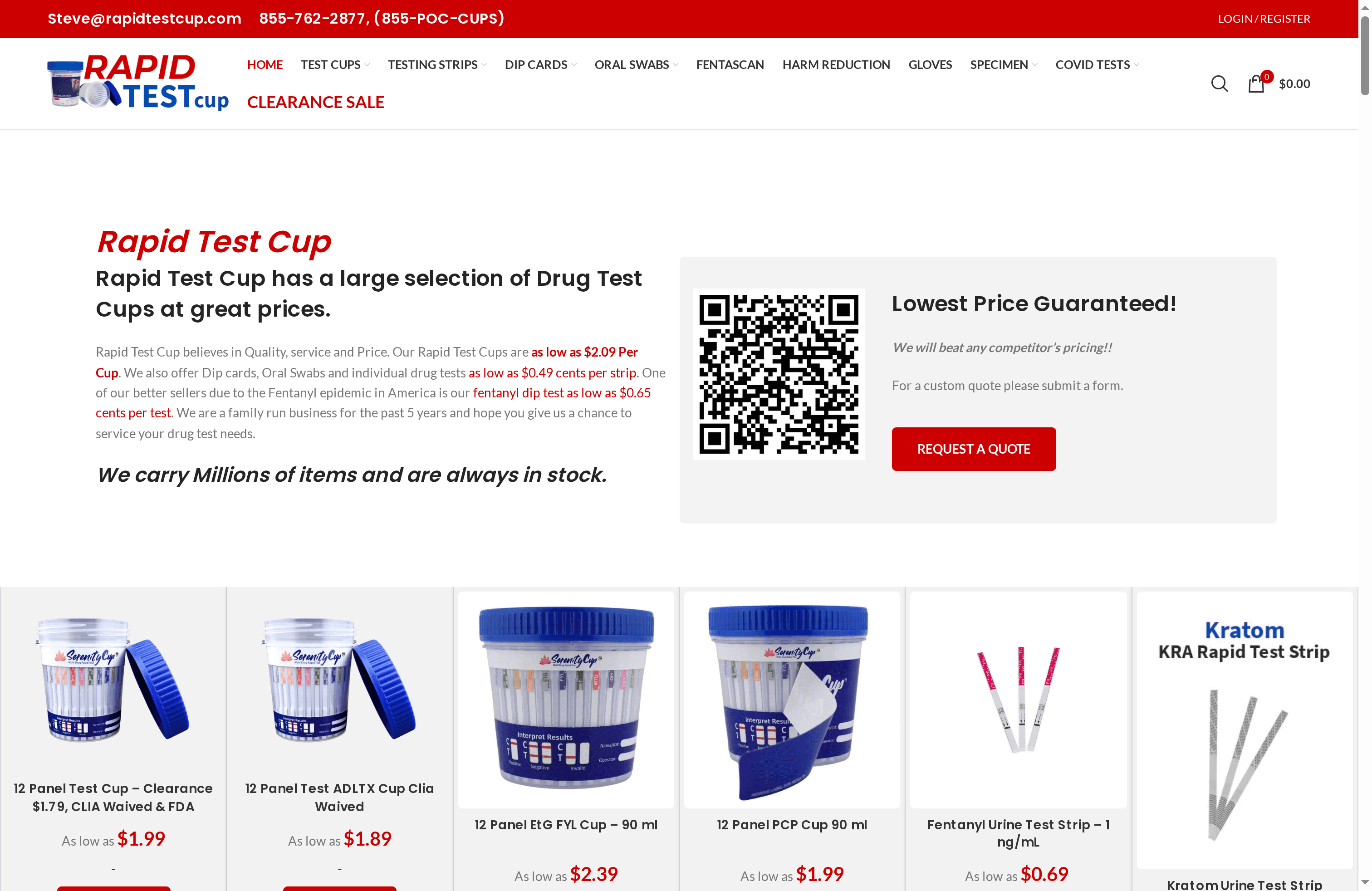
Our 12 Panel Test ADLTX Cup combines comprehensive drug screening with integrated adulterant detection. This design reduces false positives by identifying specimen tampering attempts that could otherwise generate misleading results. CLIA-waived and FDA-approved, these cups meet the highest regulatory standards for professional use.
For expanded coverage, the 15-panel drug test with adulterants provides even broader detection capabilities. Built-in validity testing for oxidants, pH, and specific gravity ensures specimen integrity before interpretation. This comprehensive approach protects your organization from the costly consequences of false positive reporting.
Navigating the extensive selection of drug testing products can feel overwhelming. Our guide to selecting drug test kits walks you through critical considerations including panel selection, adulterant detection needs, and confirmation pathways. Make informed decisions that balance accuracy, cost, and operational requirements.
Frequently asked questions
What causes false positives in drug tests?
False positives result primarily from immunoassay cross-reactivity with structurally similar medications, foods, and substances. Common triggers include prescription drugs, over-the-counter medications, and dietary items like poppy seeds. Sample adulteration with chemicals also interferes with test antibodies, creating misleading positive results.
How can laboratories reduce false positives in drug testing?
Implement rigorous quality control using calibrators, controls, and proficiency testing to validate equipment and operator performance. Confirm all positive immunoassay screens with GC-MS or LC-MS/MS before reporting. Train personnel thoroughly on testing limitations, cross-reactivity patterns, and proper interpretation protocols. Accuracy in drug test results depends on these systematic approaches.
Why is confirmatory testing important after an initial positive result?
Immunoassay tests have 5-10% false positive rates while GC-MS offers 99.9% accuracy through molecular-level identification. Confirmatory testing prevents wrongful employment terminations, inappropriate legal action, and damaged professional reputations. The investment in confirmation protects organizations from liability and individuals from unjust consequences. Interpreting drug test results requires this two-tiered approach for defensible outcomes.
What are common substances that cause false positive results?
Medications like ephedrine, pseudoephedrine, metformin, and quinolone antibiotics frequently trigger false positives for amphetamines and opiates. Foods containing poppy seeds produce positive opiate screens. Ibuprofen may cross-react with cannabinoid tests. Common false positive substances vary by testing platform, making awareness critical for accurate interpretation.